Functional Purpose
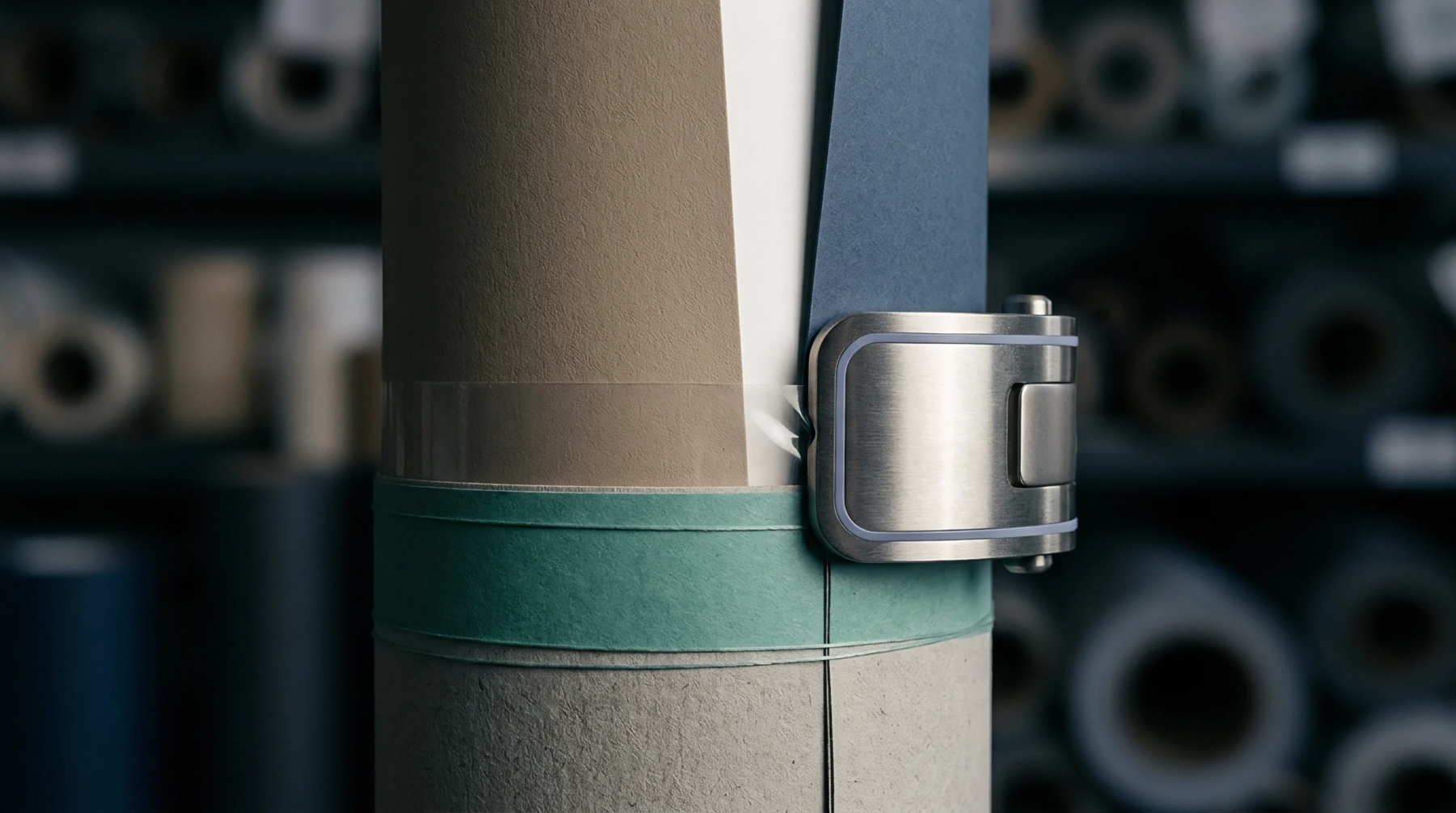
Converting processes for flexible packaging involve the permanent bonding of a high-resistance plastic web to a paper or paperboard substrate. This barrier film lamination prevents the migration of moisture and grease through the composite material. It ensures that the perishable contents remain protected from external contaminants.
The process typically utilizes adhesive or heat to secure the layers together.
Material Integration
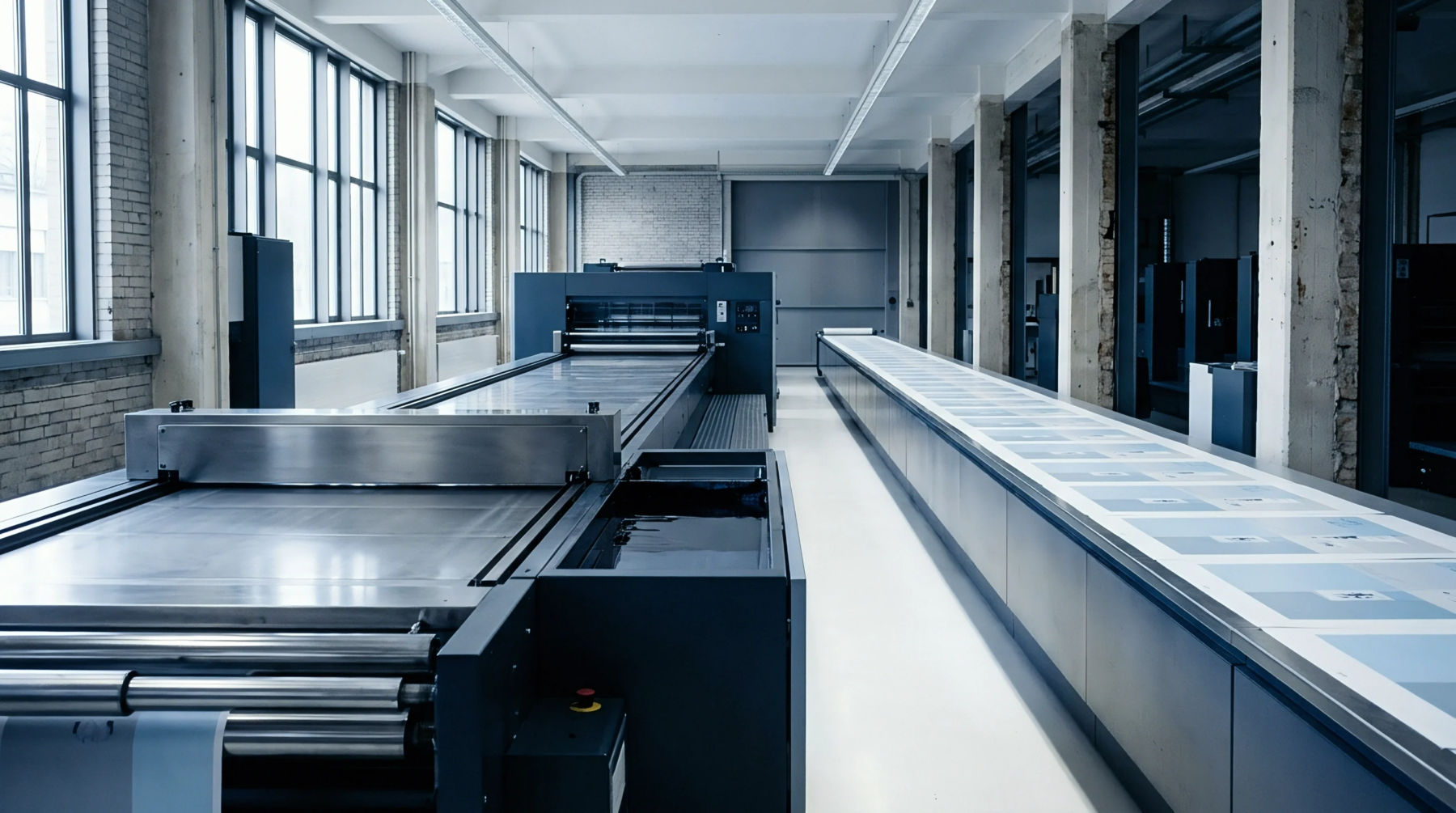
Extrusion or dry bond methods apply a thin polymer coating to the carrier web. When barrier film lamination employs ethylene vinyl alcohol or metallized polyester, the resulting structure gains specific resistance to gas transmission. Bonding occurs under pressure between chilled or heated rollers to ensure uniform adhesion.
The thickness of the barrier film is usually measured in microns to ensure it meets the specific requirements of the application. Barrier film lamination must also maintain a clear appearance without bubbles or streaks that might interfere with the visibility of the package contents. Consistent tension control avoids curling in the final laminate.
Performance Limit
Delamination occurs if the surface energy of the substrate is insufficient for the adhesive system. While barrier film lamination provides excellent protection, excessive heat during subsequent sealing steps can degrade the polymer layer. The integrity of the seal depends on the compatibility of the film and the base paper.
Testing for bond strength verifies that the layers do not separate under stress.