Bonding Force
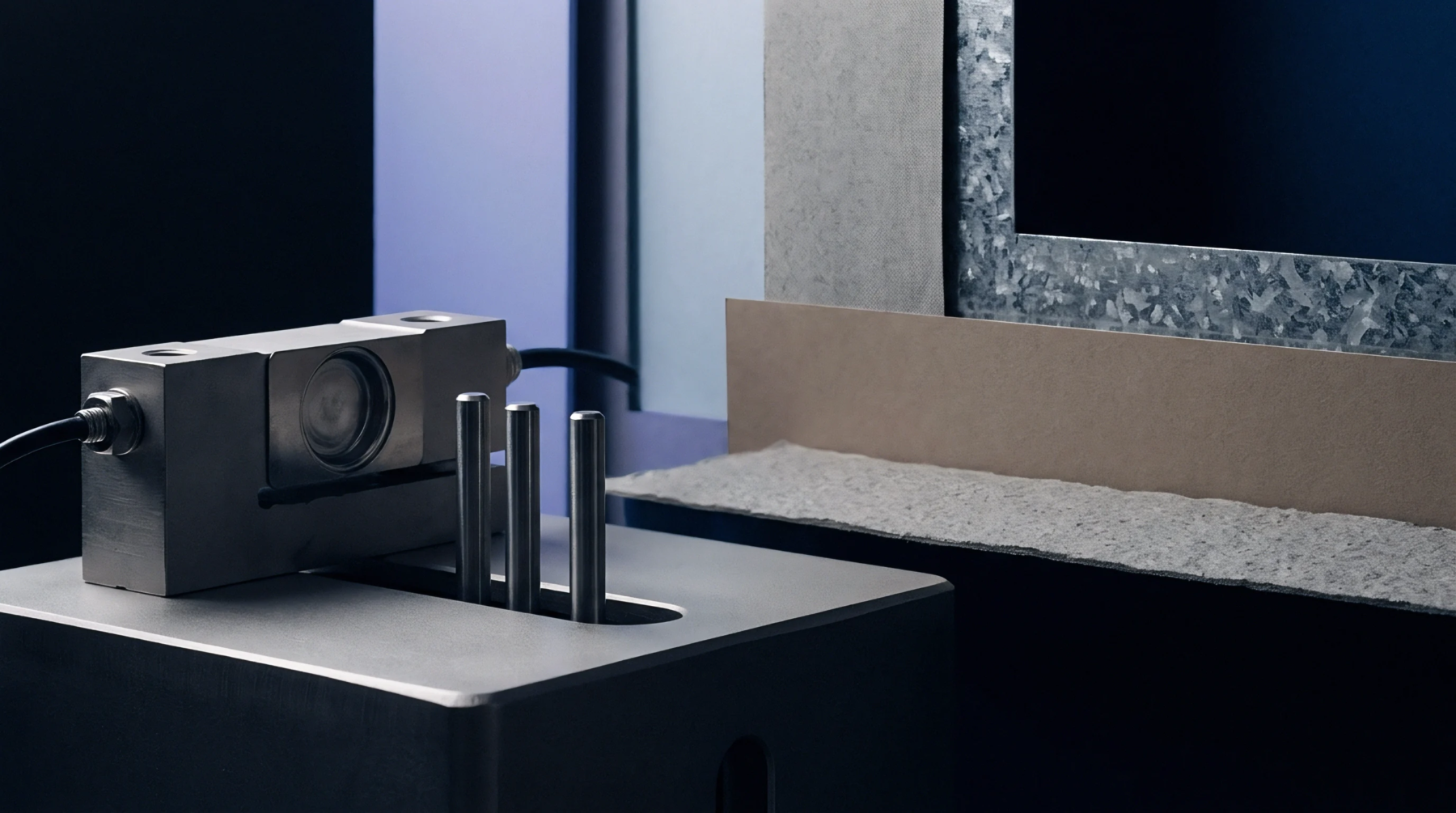
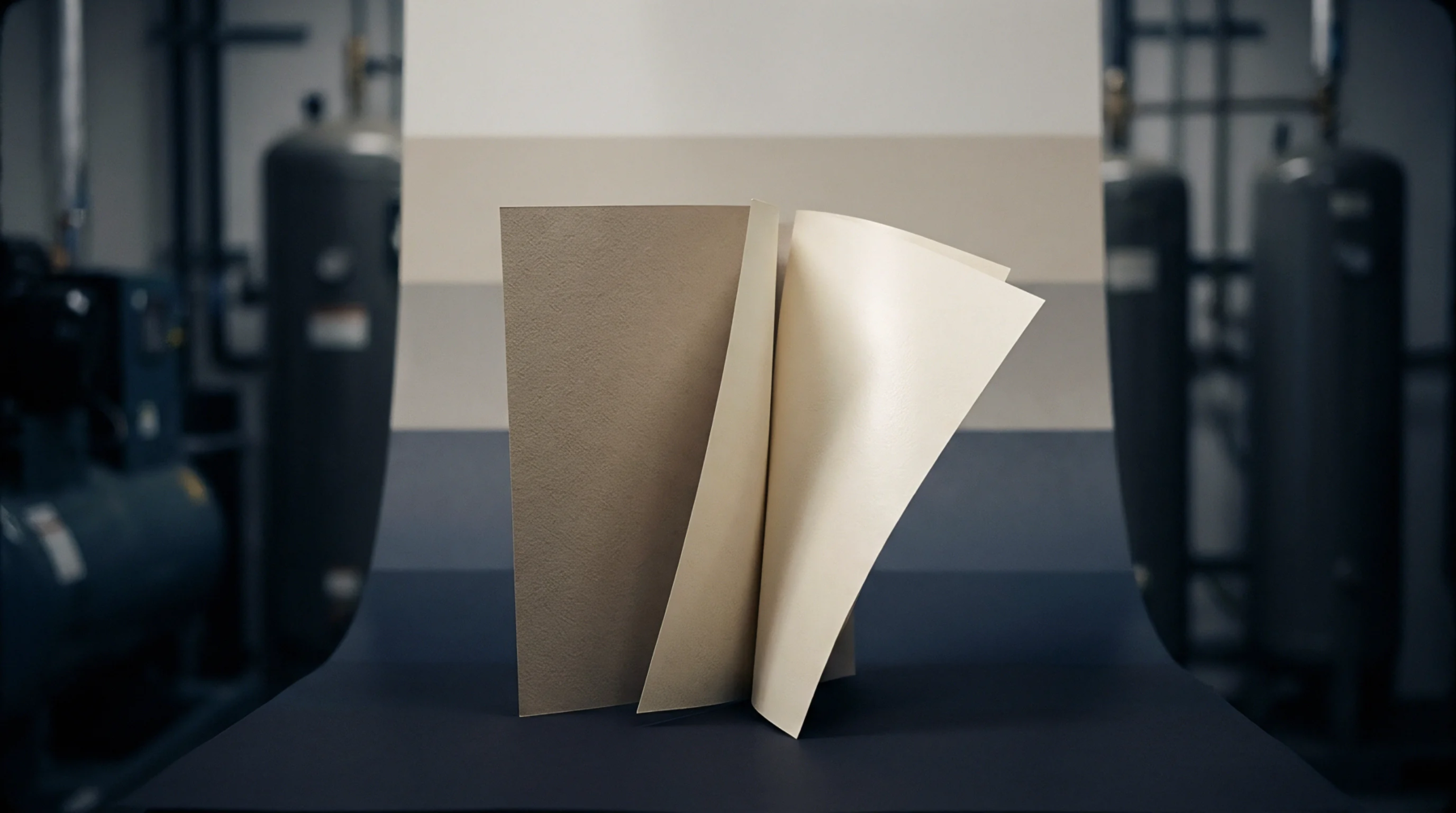
Mechanical line pressure exerted across mating rolls during fluting, adhesive application and liner bonding defines the primary operational variable on a continuous corrugating line. Setting corrugator nip pressure balances the mechanical force required to transfer starch adhesive with the physical threshold at which flute tips fracture. This force governs contact duration and depth of penetration between heated steel profiles and incoming paper webs.
Normal forces applied outside the operating window induce fractured flute tips or unbonded liner areas.
Adhesion Dynamics
Starch gelation requires simultaneous heat, moisture and uniform mechanical contact across the flute tips to create a green bond before initial set. Inadequate corrugator nip pressure leaves microscopic gaps between the medium tips and the linerboard, resulting in dry streaks, blister formation and low pin adhesion values. Excessive mechanical force fractures the flute tips along the shoulder lines, creating fracture paths that collapse during later conversion.
The pressure profile at the single facer typically relies on hydraulic or pneumatic loading across a pivoting pressure roll or an extended belt system. Belt-type pressure systems lengthen the dwell time inside the nip, distributing the required consolidation force over an expanded footprint to prevent flute crush. In the double backer section, nip control transitions to weight rollers, ballast shoes or pressurized air bladders that press the single-face web against the bottom liner over steam chests.
Thermal expansion of large-diameter rolls alters the nip geometry across the machine width during steady-state runs. Operators compensate by crowning rolls or adjusting dynamic hydraulic skewing systems to maintain uniform transverse pressure.
Operating Threshold
Line speed changes force adjustments to applied mechanical loading to maintain the equilibrium between adhesive transfer dwell time and medium integrity. Corrugator nip pressure ceases to govern box performance once the combined board exits the final cooling section and the starch adhesive completes retrogradation.