Interaction Dynamics
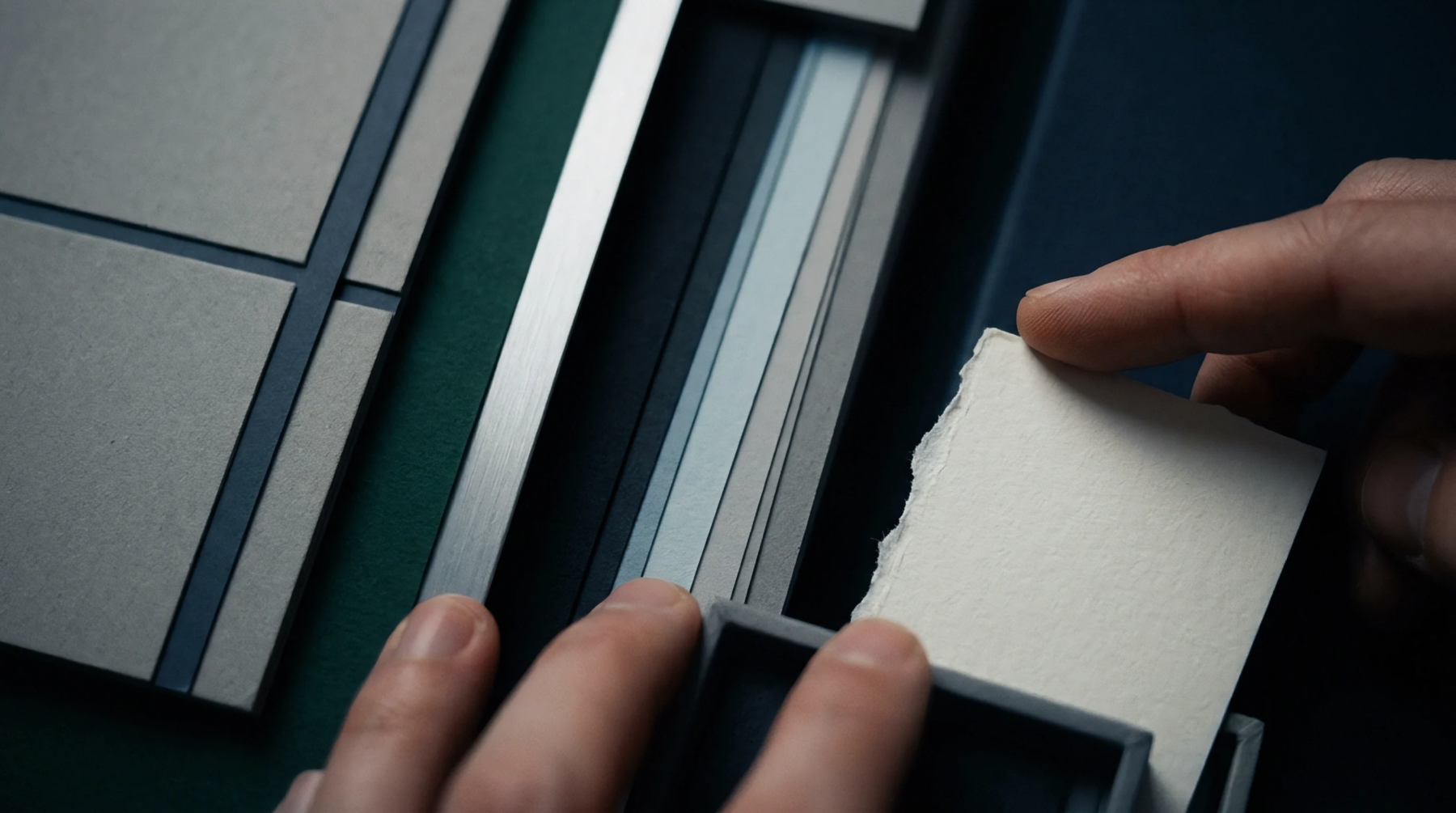
Physical forces define the interaction between a creasing rule and the recessed channel of a matrix or steel plate during the conversion of paperboard. These counter-plate mechanics govern how the board deforms under a localized vertical load to create a permanent hinge. The process requires precise alignment so the rule remains centered within the groove width.
Successful displacement depends on the relationship between the rule thickness and the groove clearance. Every component must be calibrated to the specific caliper of the substrate.
Pressure Distribution
Uniform loading across the creasing zone depends on the hardness of the base material and the specific depth of the channel. Variation in counter-plate mechanics often leads to uneven fold resistance. Proper settings ensure the internal fiber structure breaks without rupturing the surface layers.
Crease Stability
Structural integrity of the resulting carton relies on the balanced compression achieved during the stroke. Excessive force results in board crushing, while insufficient depth prevents the formation of a reliable bead for high speed folding operations or automated packing lines. Calibration must account for both board thickness and moisture content to maintain consistent performance.
The geometry of the groove determines the final folding torque of the finished package.