Fracture Characteristic
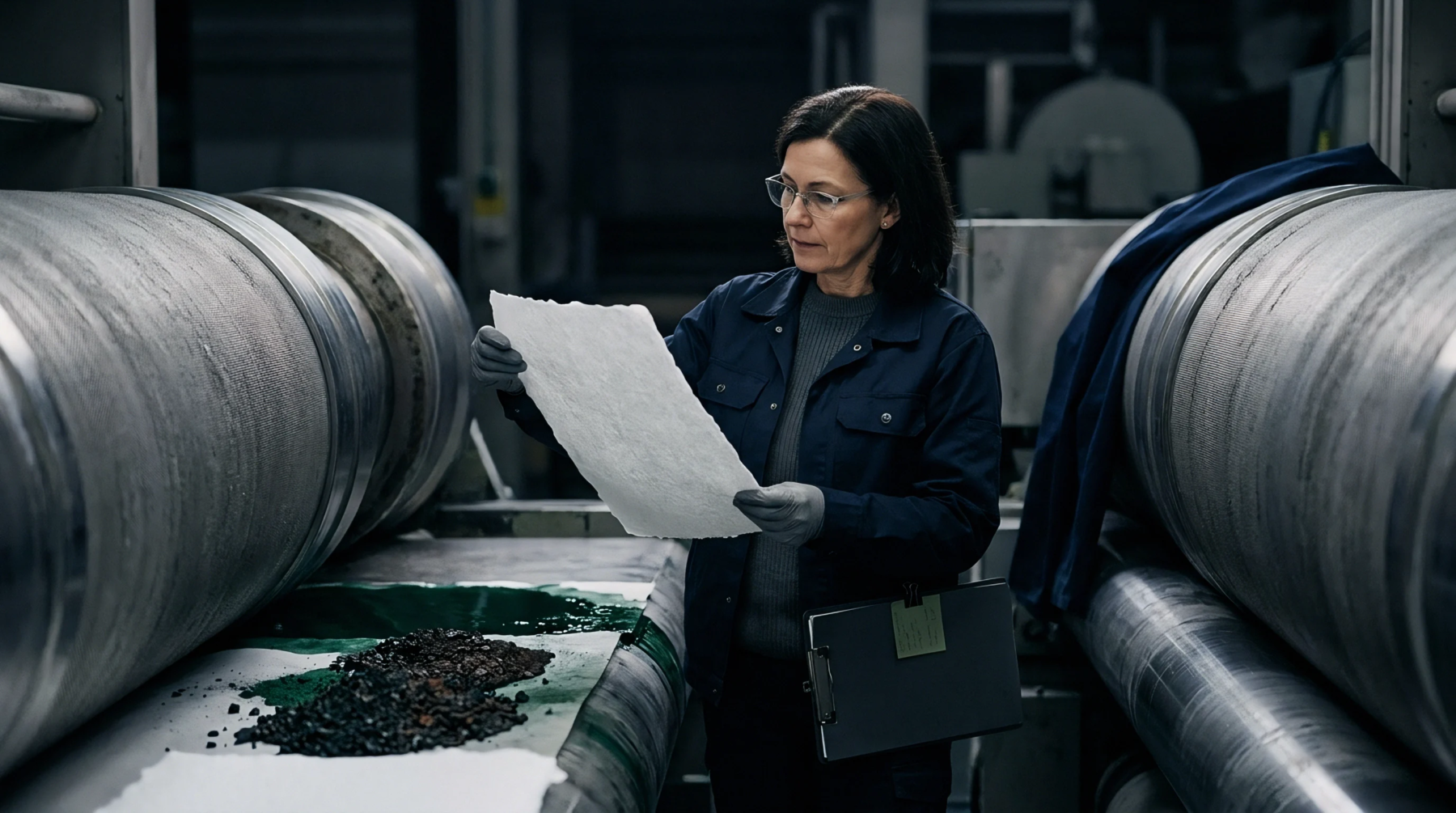
The amount of energy required to grow a crack by a unit area along a predefined plane provides a fundamental measure of a material’s resistance to tearing. Researchers and engineers calculate the fracture energy release rate to quantify the toughness of high-performance paperboards and packaging liners. This parameter is critical for understanding how a paperboard sheet behaves when subjected to tensile stresses during folding and converting on high-speed lines.
Tear Resistance
Unlike simple tensile strength, which only measures the force needed to start a break, this rate describes the energy consumed as the crack propagates through the fiber network. In paperboards, the fracture energy release rate depends heavily on the fiber length and the degree of refining of the pulp. Long coniferous fibers absorb more energy as they pull out of the sheet matrix, which increases the resistance of the board to catastrophically splitting under tension.
In contrast, short hardwood fibers yield a lower rate, making the board more brittle and susceptible to cracking at the score lines.
Design Influence
High-end packaging converters specify minimum toughness values for materials intended for heavy-duty cartons and carrier bags. Choosing a substrate with a high release rate prevents accidental failures during automated packing operations. It ensures that the score lines can withstand repeated opening and closing without tearing.