Layered Construction
Stratified construction of heavy paper or board by combining several layers of wet pulp fibers during the initial stage of the paper machine creates specific performance profiles. Multi-ply forming allows manufacturers to create a finished product with different properties on the surface and in the center. A high quality white liner can be placed on the outside while the middle layers consist of cheaper or bulkier recycled fibers.
Machine Configuration
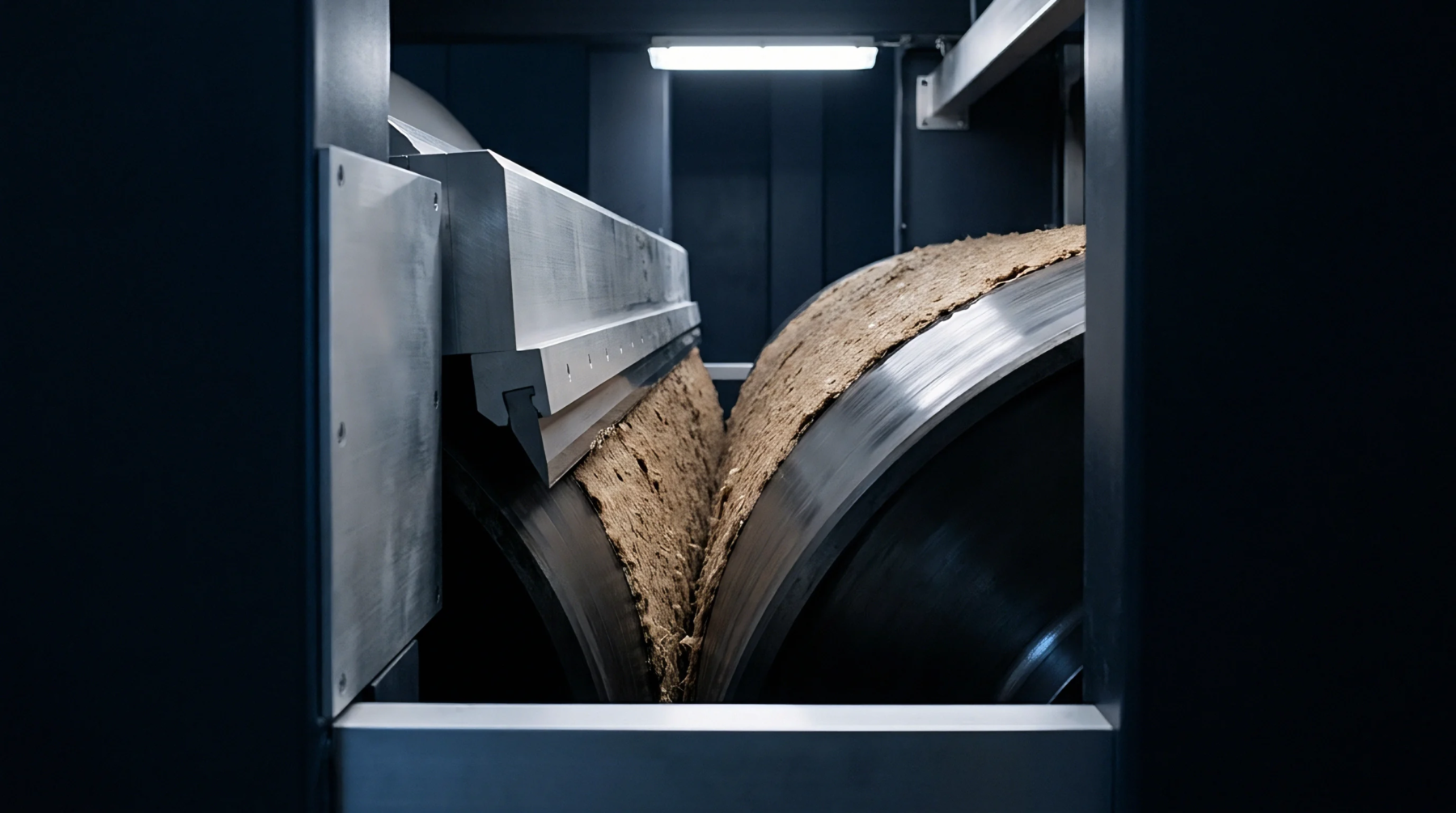
Several forming units, such as fourdriniers or cylinder molds, deposit separate layers of pulp onto a moving wire or onto each other. These layers are joined together while they are still wet, which allows the fibers to interlock and form a strong bond. The drainage of water must be carefully managed to ensure that the plies do not delaminate when the board is later dried or converted.
This technique is the standard method for producing folding boxboard and solid bleached sulfate. By adjusting the composition of each ply, mills can optimize the stiffness, smoothness and printability of the board.
Technical Advantage
This process makes it possible to reach high grammages that a single forming unit could not produce efficiently. It enables the creation of functional barriers by including specialty fibers in one of the layers.