Surface Durability
Polyester film lamination provides a protective barrier for printed substrates by applying a thin plastic layer under heat and pressure. Manufacturers utilize pet film lamination to improve the scuff resistance, moisture barrier properties and tear strength of paper products. This coating process stops atmospheric oxygen and liquids from degrading the underlying ink or fibers.
The thickness of the polyester base typically varies from a few microns to several mils depending on the end use requirements.
Bonding Mechanism
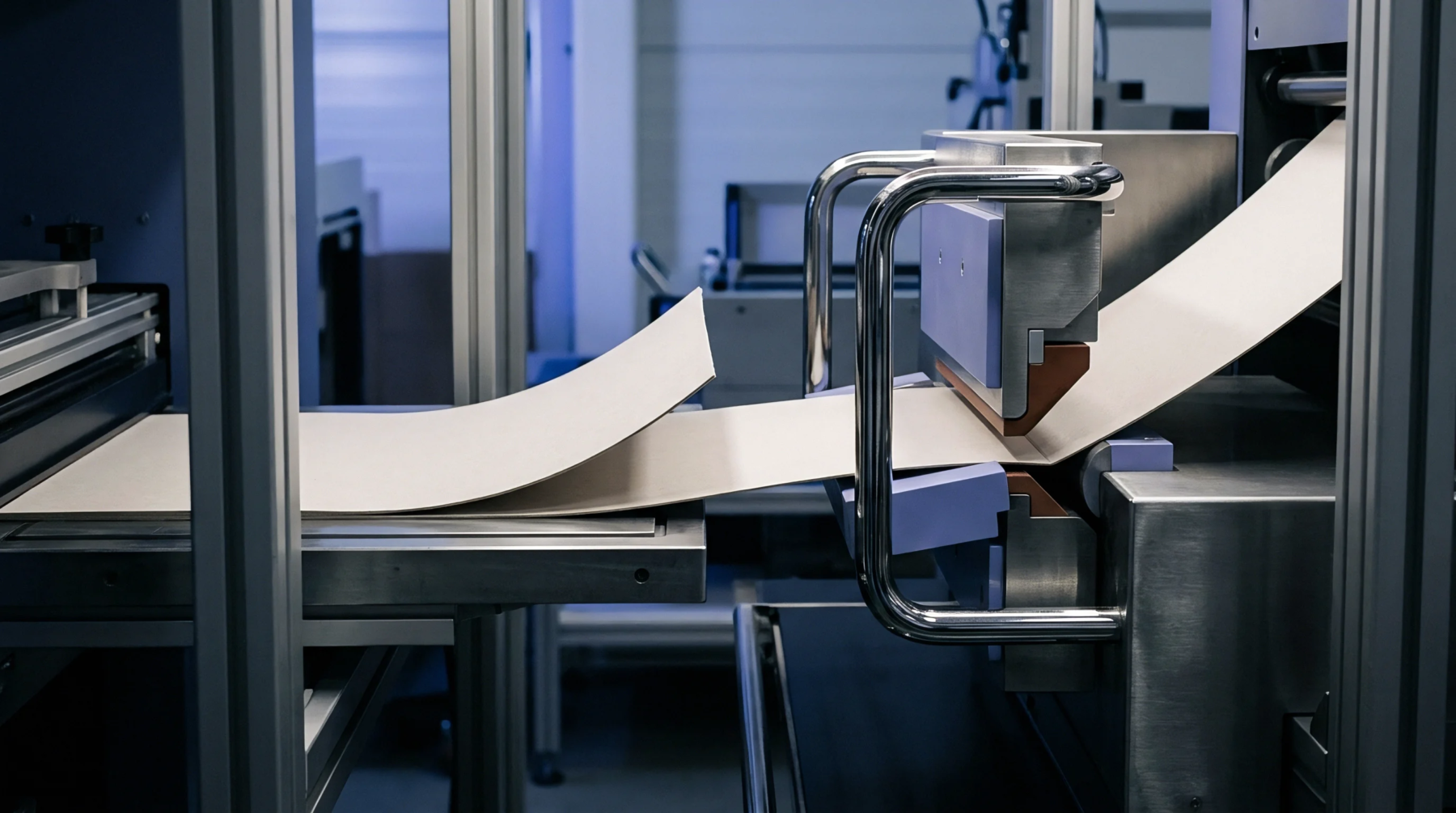
Heat and pressure activate an adhesive layer that joins the plastic sheet to the printed surface. Rollers compress the two materials while temperature sensors monitor the thermal window to prevent substrate distortion or adhesive failure. High bond strength depends on the compatibility between the adhesive chemistry and the ink coverage on the sheet.
Converters must manage the web tension to prevent curling or wrinkling during the cooling phase. Consistent application ensures the film stays flat against the paper without delamination or trapped air bubbles. Tight quality control allows for predictable finishes ranging from matte to high gloss.
Production Constraints
Printing plants measure the suitability of this finishing step by the surface energy of the paper and the drying time of the ink. Solvents or oils in the ink might block the adhesive from anchoring correctly into the fibers. Operators adjust the machine speed to match the thermal conductivity of the materials and the requirements of the chosen adhesive.
Precise control over these variables maintains the integrity of the finished surface against mechanical wear and chemical exposure. Final product performance relies on the complete wetting of the adhesive across the entire area of the substrate.