Thermal Coating
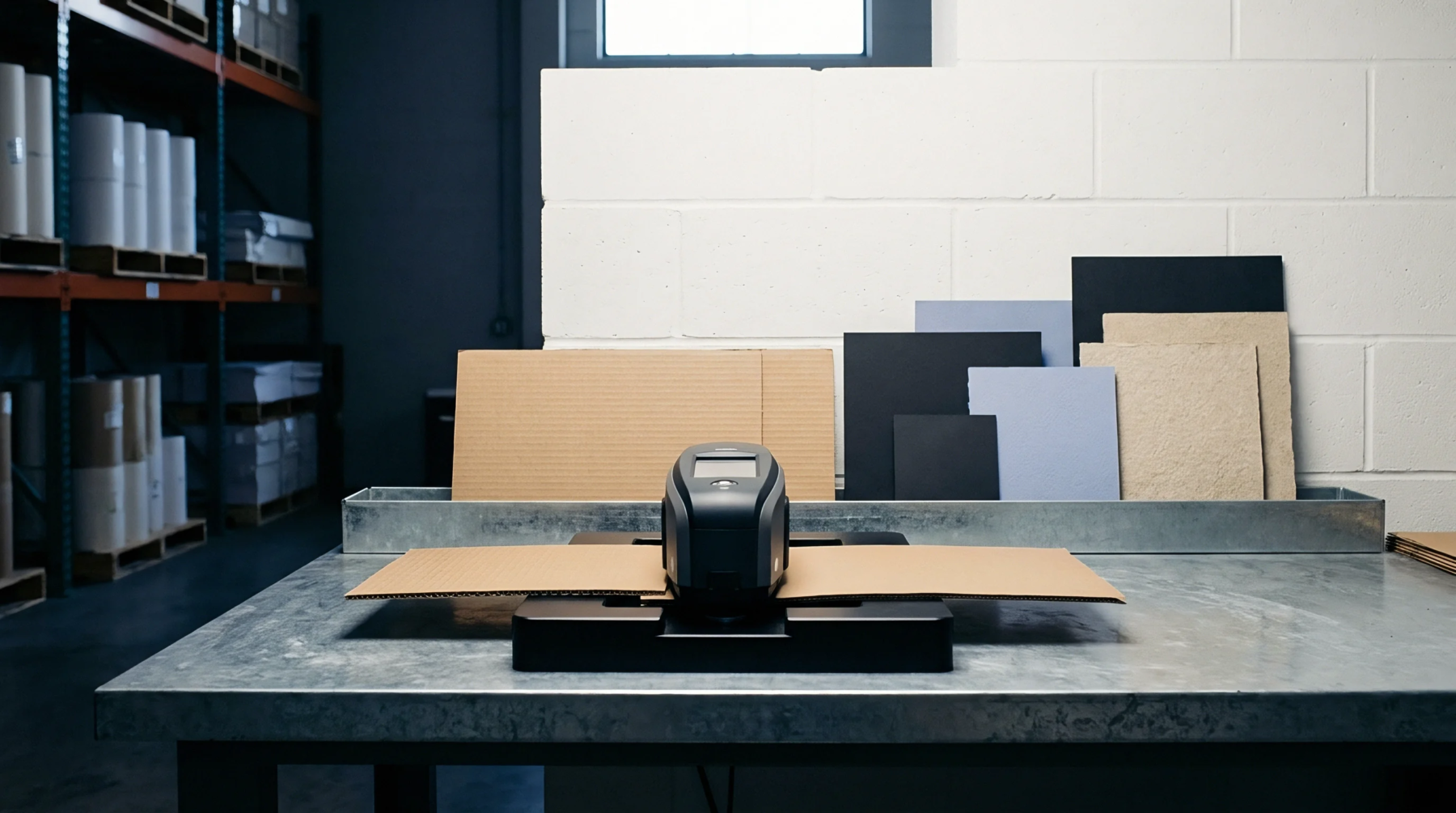
Molten polymer curtain application creates a continuous barrier layer upon moving paper substrates during high speed converting runs. Polyethylene extrusion lamination bonds low density resins directly to paperboard surfaces through heated slot die heads without liquid adhesives. Commercial packaging operations rely on this conversion method to establish moisture vapor transmission resistance and grease holdout properties for food service cartons.
Line speeds frequently exceed three hundred meters per minute while maintaining uniform coating weight tolerances across wide webs. Cooled chill rolls solidify the molten film immediately after nip contact to lock the polymer structure against the fibrous substrate.
Adhesion Mechanics
Molten polymer oxidation inside the air gap between the die lip and nip point generates polar functional groups necessary for mechanical and chemical bonding to cellulosic fibers. Substrate surface tension must exceed thirty eight dynes per centimeter to prevent delamination defects during subsequent folding and filling operations. Corona discharge treatment stations installed upstream of the nip point modify the paperboard surface energy by oxidizing cellulose hydroxyl groups.
Melt temperature parameters typically range between three hundred and three hundred twenty degrees Celsius depending on the chosen resin density and molecular weight distribution. Excessive air gap exposure time increases polymer oxidation levels but simultaneously produces undesirable off odors within food packaging applications.
Barrier Performance
Functional packaging specifications dictate coating grammage requirements based on end use exposure conditions and target shelf life durations. Water vapor transmission rates decrease proportionally as the applied polyethylene layer thickness increases from twelve to thirty grams per square meter. Pinholes caused by entrapped air or substrate moisture vaporization compromise the hermetic seal capability of the finished carton.
Grease resistance relies entirely on achieving a completely pinhole free polymer film because capillary pathways through the paperboard destroy oil holdout performance. Heat sealing jaws subsequently activate the polyethylene skin layer during bag formation to produce leak proof container seams.