Thermal Barrier
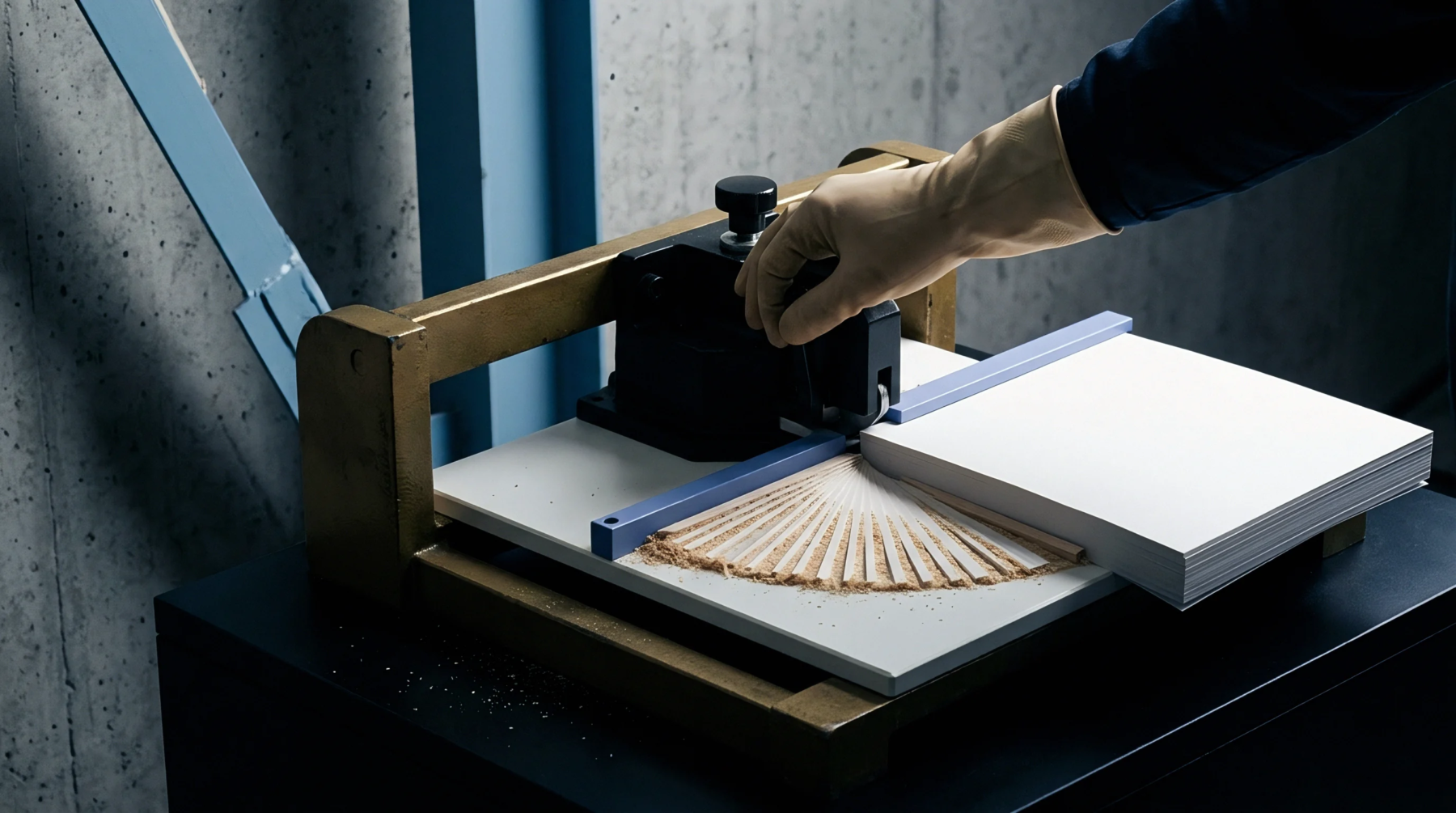
Extrusion coating polymer onto paper substrates creates a functional moisture barrier that protects folding cartons during refrigerated transit. Polypropylene lamination applies a thin plastic film to printed paperboards using heat and pressure rollers. This converting step alters the surface energy of the packaging material, preventing water vapour transmission and grease migration through the carton walls.
Converting plants run extrusion lines at high speeds, applying molten resin directly onto moving webs before nip rollers bond the layers together.
Peel Resistance
Bond strength between the polymer film and the paperboard depends entirely on corona treatment levels applied to the plastic web before lamination. Low surface tension on untreated film causes delamination during creasing and folding operations. Laminators measure this adhesive strength through standardized peel tests, verifying that the polymer layer remains anchored to the substrate under mechanical stress.
Recycling Interference
Cellulose recovery systems struggle to separate plastic films from paper substrates during standard repulping cycles. Polypropylene lamination alters the repass rate in paper mills, requiring specialized screening equipment to remove unbroken plastic flakes from the pulp slurry. Environmental regulations increasingly penalize multi-material packaging formats that complicate post-consumer sorting streams, forcing converters to evaluate mono-material alternatives for rigid folding cartons.