Chemithermomechanical Pulp Core Properties in Board Dewatering
Optimizing interior BCTMP dewatering balances shoe press impulse against bulk retention to maximize press dryness while preserving folding boxboard stiffness.
Drain
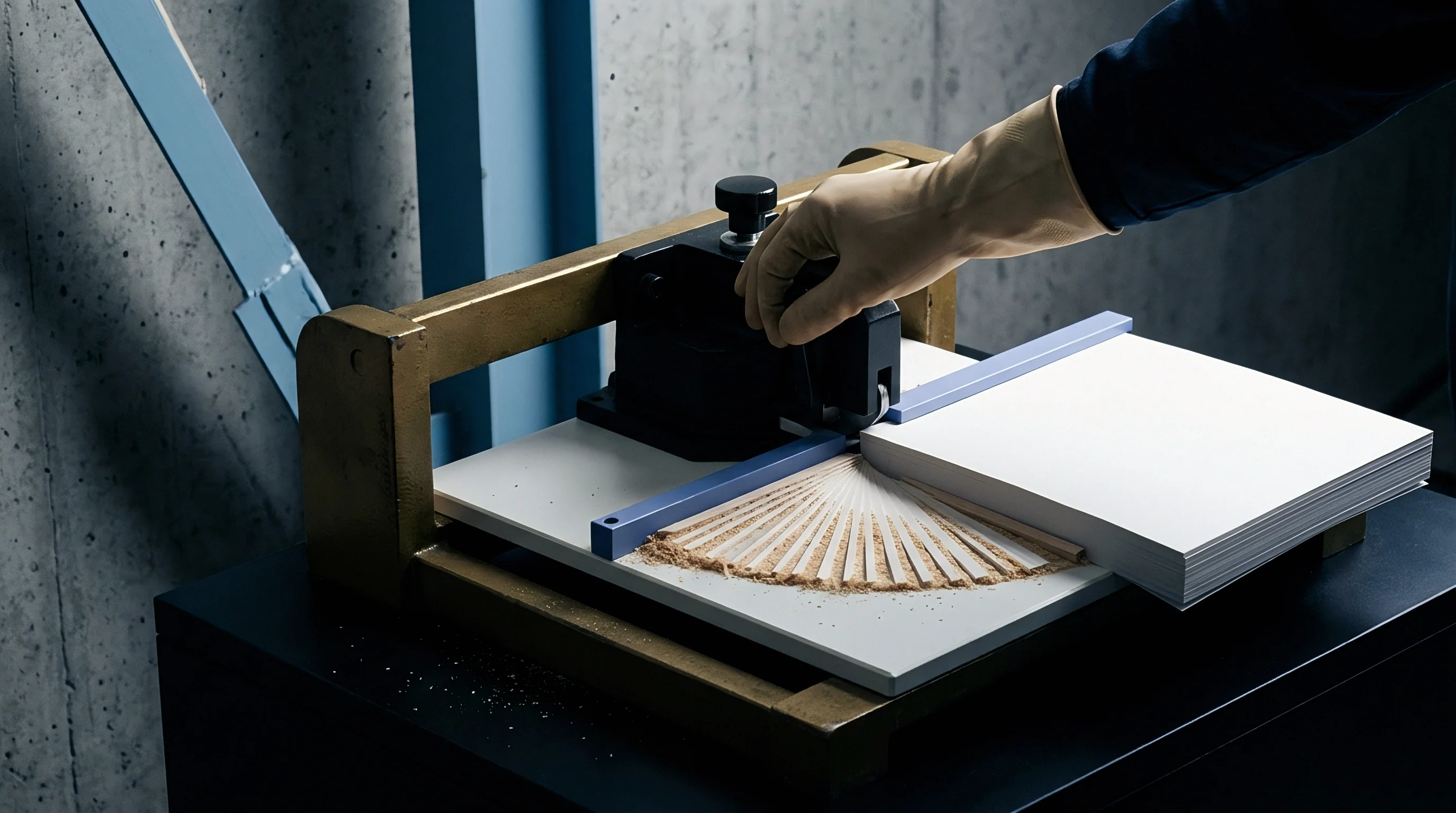
A caliper gauge closes on a wet web sample pulled immediately after the vacuum couch roll on a 4.5-meter multi-ply board machine. Water removal from the Bleached Chemithermomechanical Pulp (BCTMP) in the center ply splits across two distinct wet-end hydraulic regimes. On the forming wire, early free-water drainage relies directly on high intrinsic permeability.
Uncollapsed BCTMP fibers preserve an open lumen geometry, setting up a porous filter cake that lets Canadian Standard Freeness values between 380 mL and 500 mL discharge water three times faster than beaten chemical pulps.
Vacuum flatboxes and couch rolls meet shifting resistance once fines migrate under differential pressures between 30 kPa and 55 kPa. As fines accumulate at the wire interface, wet-web hydraulic resistance rises, shifting the primary dewatering mechanism from gravity drainage to compaction-driven consolidation. Dewatering rates through this middle ply dictate the solids content achievable before the web reaches the wet press section.
| Furnish Type | Freeness (CSF mL) | Drainage Resistance (m/kg) | Forming Solids (Percent) | Couch Solids (Percent) |
|---|---|---|---|---|
| BCTMP Spruce Core | 450 | 1.8 x 10^10 | 8.5 | 21.5 |
| Bleached Softwood Kraft | 650 | 0.9 x 10^10 | 9.0 | 24.0 |
| Beaten Softwood Kraft | 320 | 4.2 x 10^10 | 6.5 | 18.5 |
| Bleached Hardwood Kraft | 400 | 3.1 x 10^10 | 7.2 | 19.8 |
The transition from wire dewatering to press consolidation establishes the density profile of the wet web. Water removal across the forming table follows Darcy’s law for flow through porous media. The high specific volume of the core furnish postpones compressive consolidation, keeping liquid transport channels open until vacuum levels cross critical thresholds.
Pulling excessive vacuum on early suction boxes lowers ultimate press dryness by compacting the bottom surface before the core layer can consolidate.
Pulp
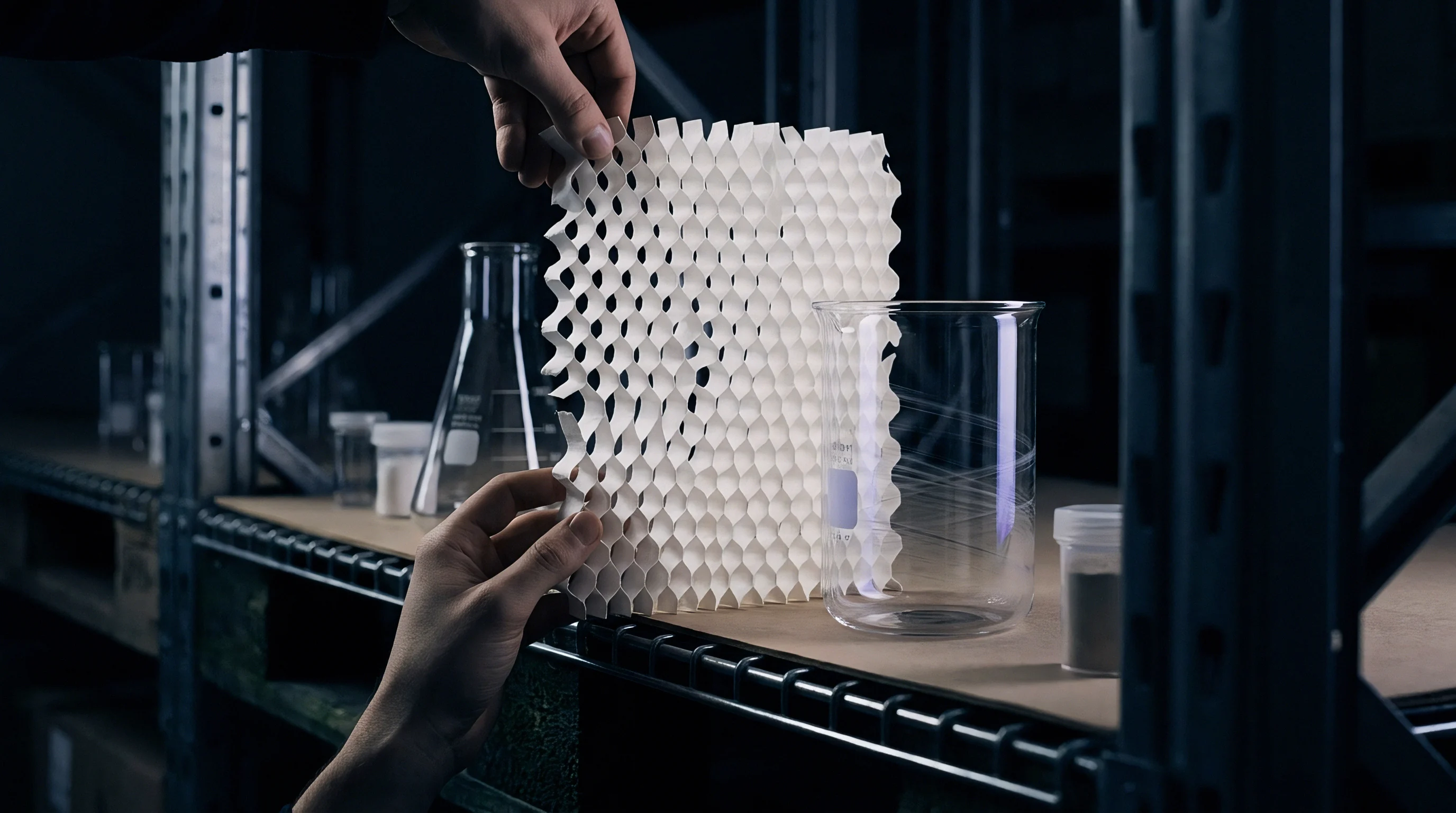
Fiber morphology in high-yield BCTMP governs wet-end drainage resistance and water retention. Impregnation with 1.5 percent to 3.5 percent sodium sulfite by dry wood mass softens lignin without dissolving the middle lamella, so overall yields of 88 percent to 91 percent leave rigid, lignin-rich cell walls intact. Where bleached softwood kraft fibers collapse into ribbons under 200 kPa pressure, BCTMP fibers hold their spatial geometry.
Specific surface area measured by nitrogen adsorption stays low, between 1.2 m²/g and 1.8 m²/g, which restricts sorption of bound water. Even so, fines passing a 200-mesh screen under TAPPI T 261 reach 18 percent to 24 percent, introducing considerable fluid drag as the fiber matrix compresses.
- Fines migration blinding reduces drainage rates when vacuum levels exceed 45 kPa across flatboxes.
- Internal hygroexpansivity variance causes sheet curl when moisture removal across layers remains uneven.
- Lignin sulfonation drift alters fiber stiffness and elevates water retention values above targeted ranges.
- Shive accumulation zones impair web consolidation and create mechanical weak points across press nips.
Stock temperature modifies how the core furnish behaves under shear and load. Raising the operating temperature to between 50°C and 60°C drops water viscosity from 1.00 mPa·s to 0.47 mPa·s, speeding flow through the fiber network without collapsing structural pore volume.
Running higher vacuum during forming can compensate for slow core drainage, but aggressive suction risks densifying the ply and reducing final sheet bulk.
Nip

Why Do High-Yield Cores Resist Wet Pressing under Vacuum?
In the wet press section, applied mechanical force drives water out of the fiber web and into the press felts. Polyurethane belts on shoe presses widen the nip from the 80 mm typical of roll presses to 250 mm or 300 mm. Operating at 750 m/min, peak nip pressures fall from 6.0 MPa to 3.2 MPa while total press impulse increases from 45 kPa·s to 140 kPa·s.
This extended dwell allows water to travel out of the high-caliper BCTMP center without crushing the open cell structure that provides bending stiffness. At the nip exit, however, elastic recovery of the BCTMP fibers generates local negative hydraulic pressure that draws water back out of the felt into the board.
Increasing press dwell time achieves higher solids content than increasing peak nip pressure when pressing bulky high-yield layers.
Felt construction largely dictates the degree of rewetting. Non-woven felts with fine surface batt layers provide smaller capillary radii than the expanding BCTMP ply, checking liquid backflow at the exit. Vacuum felt suction boxes operating at 35 kPa strip water from the felt surface immediately after nip release.
Excessive peak pressure crushes the core structure, permanently destroying sheet caliper and forfeiting the bending stiffness needed for packaging conversion.
Consolidation
Sheet consolidation determines the finished physical properties of multi-ply folding boxboard. For a 350 g/m² sheet made from two 40 g/m² bleached kraft outer plies around a 270 g/m² BCTMP core running at 800 m/min, with couch dryness at 19 percent solids and a target caliper of 500 µm, a conventional roll press at 150 kN/m linear load delivers 42.5 percent exit solids and a core density of 0.48 g/cm³.
Switching to a shoe press loaded to 650 kN/m raises exit dryness to 46.8 percent solids while holding core density at 0.52 g/cm³. That 4.3 percentage point gain cuts 0.22 tonnes of water evaporation per tonne of finished board. Because bending stiffness depends on the distance of the outer kraft plies from the neutral axis, it scales with the cube of sheet thickness.
A 5 percent loss in center-ply caliper cuts overall sheet bending resistance by 13.8 percent under ISO 2493-1 testing. Scott Bond internal strength under TAPPI T 541 climbs from 145 J/m² to 185 J/m² as higher press solids force more fiber-to-fiber contact.
ISO 534 caliper testing at 23°C and 50 percent relative humidity confirms that BCTMP central layers maintain a bulk exceeding 2.0 cm³/g when press dryness remains below 47 percent solids.
Laboratory checks using ISO 534 thickness testing under a 50 kPa foot show BCTMP bulk dropping from 2.2 cm³/g to 1.7 cm³/g when wet press impulse exceeds 160 kPa·s at 45 percent solids. That threshold shifts lower if stock temperatures fall below 50°C during pressing.
The micro-hydrodynamic point where migrating BCTMP fines permanently plug interior drainage channels under high-impulse shoe pressing remains an unresolved problem in wet-end research.
Steam
Dewatering in the press section uses electrical power for drive motors and vacuum pumps, costing roughly 0.10 to 0.20 Euros per tonne of water removed. Thermal drying across the dryer cylinders consumes live steam, costing 24.00 to 32.00 Euros per tonne of evaporated water at an energy price of 35 Euros per megawatt-hour. Press efficiency therefore exerts outsized leverage over total mill energy balances.
| Press Exit Dryness (Percent Solids) | Water to Evaporate (t/t Paper) | Steam Demand (t/t Paper) | Thermal Energy (GJ/t Paper) | Drying Cost (EUR/t Board) |
|---|---|---|---|---|
| 40.0 | 1.38 | 1.86 | 4.28 | 44.64 |
| 42.5 | 1.24 | 1.67 | 3.84 | 40.08 |
| 45.0 | 1.11 | 1.50 | 3.45 | 36.00 |
| 47.5 | 1.00 | 1.35 | 3.11 | 32.40 |
Tuning the shoe press eases steam demand without requiring modifications to dry-end machinery.
- Raise wet press stock temperature to 55°C using steam showers prior to the first press nip to reduce water viscosity.
- Adjust shoe press tilt parameter to establish a gradual pressure entry profile, extending dynamic compression time.
- Increase vacuum flatbox levels incrementally up to 40 kPa to avoid premature fines sealing on the forming fabric.
- Monitor exit sheet dryness continuously via microwave moisture sensors before entering the first dry cylinder group.
Mill operating data shows steam use declining by 4.2 percent for every 1.0 percentage point gain in press dryness between 42 percent and 48 percent solids. Variations in dryer-can condensate drainage can shift that figure by up to 0.5 percent.
While chemical drainage aids are reported to lift BCTMP core dryness by up to 2.5 percentage points without reducing Scott Bond, published trial results show narrower gains between 0.8 and 2.2 percentage points. Buyers address this discrepancy by requiring on-machine trial verification before agreeing to updated furnish specifications.
Standard sales contracts under Confederation of European Paper Industries rules allow buyers commercial price adjustments whenever moisture drifts more than 1.0 percentage point from the nominal 7.5 percent reel moisture target.
Specification
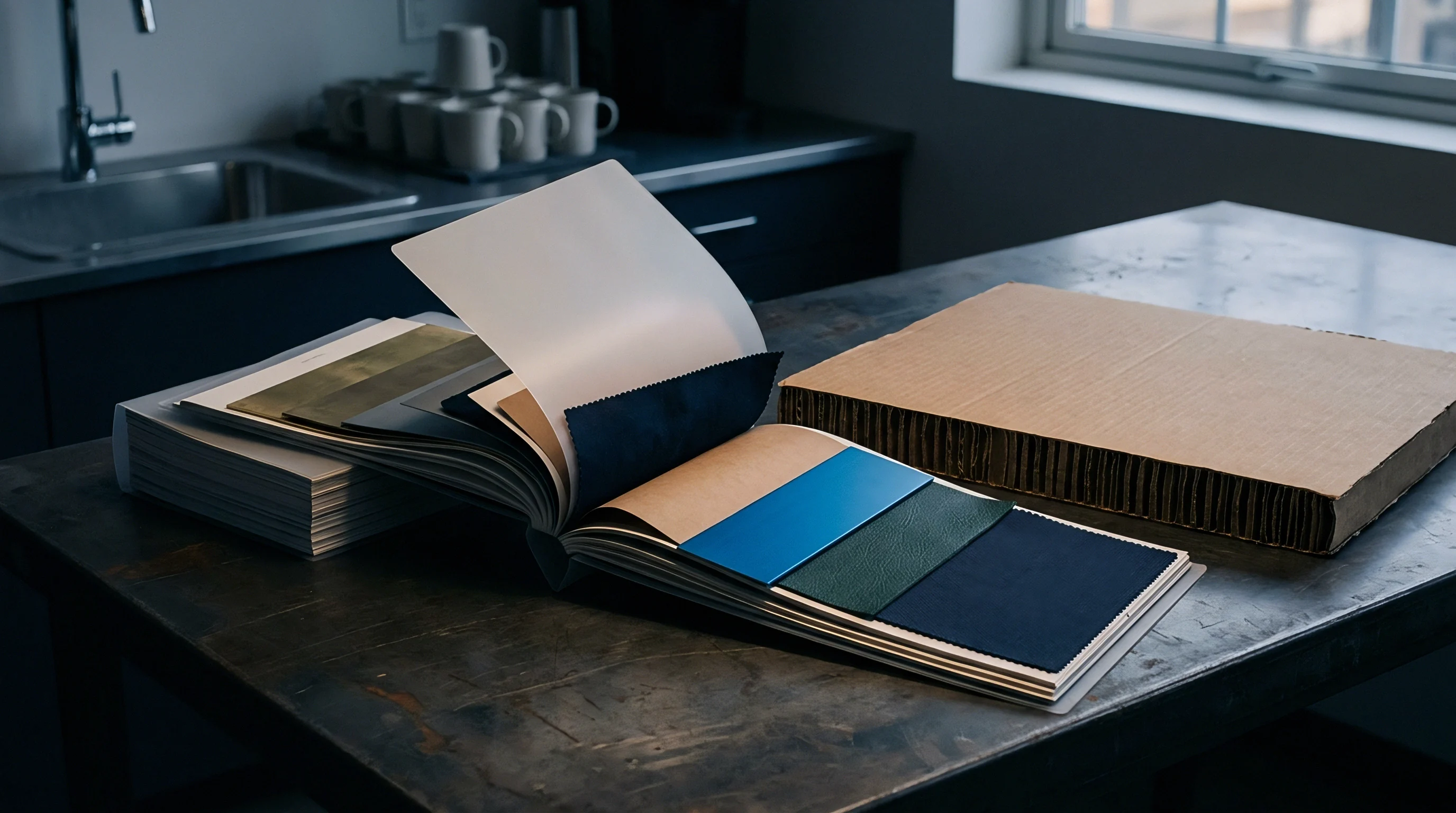
Specifying folding boxboard with BCTMP plies requires clear limits for caliper, grammage, bending resistance, and ply-bond strength, since cross-sheet moisture differences induce curl. Receiving inspections on delivered reels verify these values against the accompanying mill test certificates.
- Bending resistance targets measured under ISO 2493-1 at a 15-degree angle align with packaging line carton erection force limits.
- Internal bond strength tested via Scott Bond TAPPI T 541 exceeds 160 J/m² to prevent structural delamination during high-speed creasing.
- Grammage uniformity limits set per ISO 536 require cross-machine direction basis weight variance to remain within plus or minus 1.5 percent.
- Cobb sizing values evaluated under ISO 535 maintain water absorption below 30 g/m² over 60 seconds across all exposed surfaces.
Standard RFQ terms specifying ISO 187 conditioning for all outturn sample evaluations prevent disputes regarding caliper drift caused by ambient humidity absorption during transit.
Technical audits of board consignments focus on confirming that press section settings preserved central-ply bulk while meeting target dryness numbers.