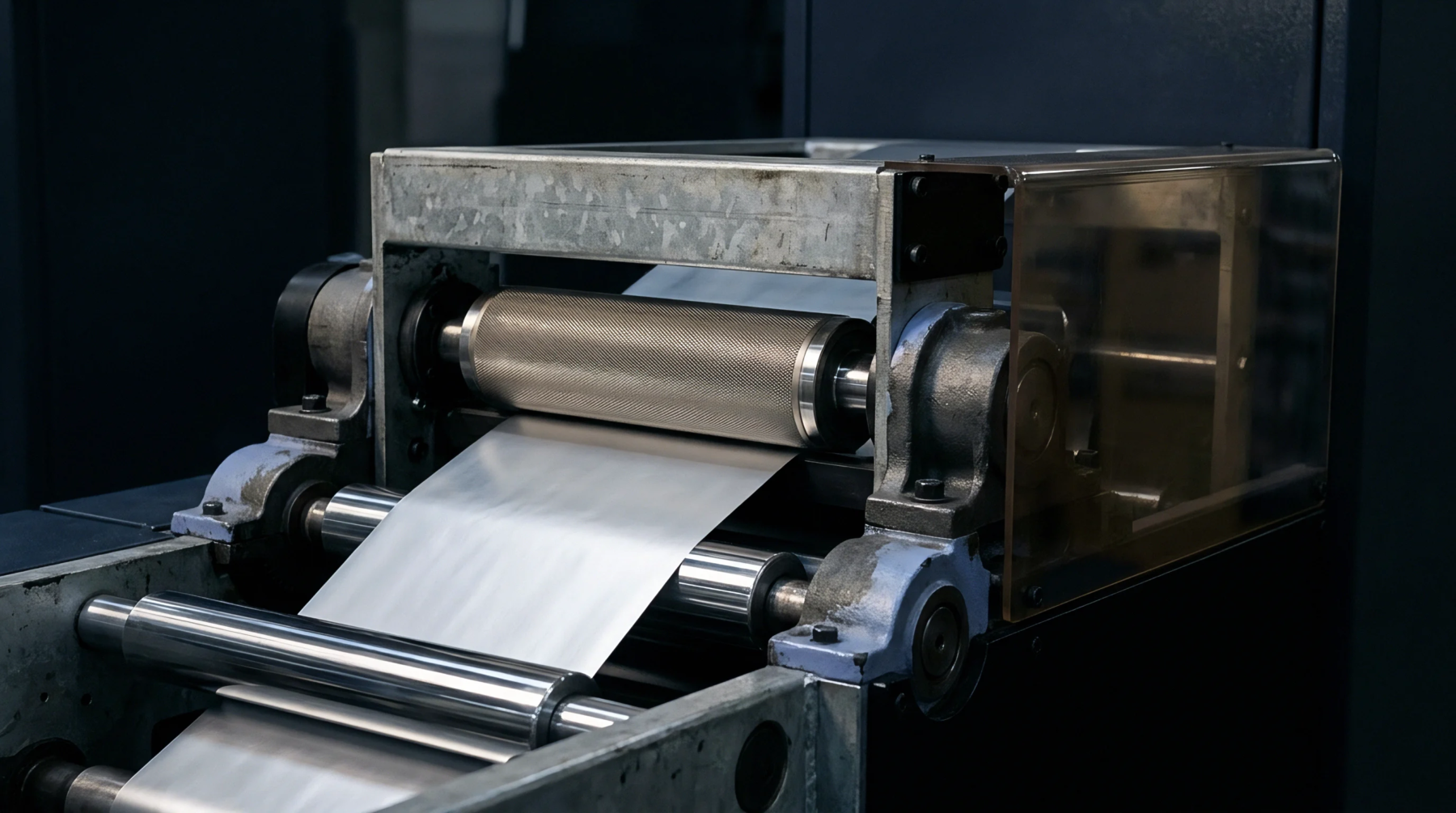
Shoe Press Pressure Profile Control for Core Bulk Preservation
Controlling shoe press pressure profiles reduces peak nip stress while extending dwell time, preserving middle ply volume to maximize board stiffness and yield.
Controlling shoe press pressure profiles reduces peak nip stress while extending dwell time, preserving middle ply volume to maximize board stiffness and yield.
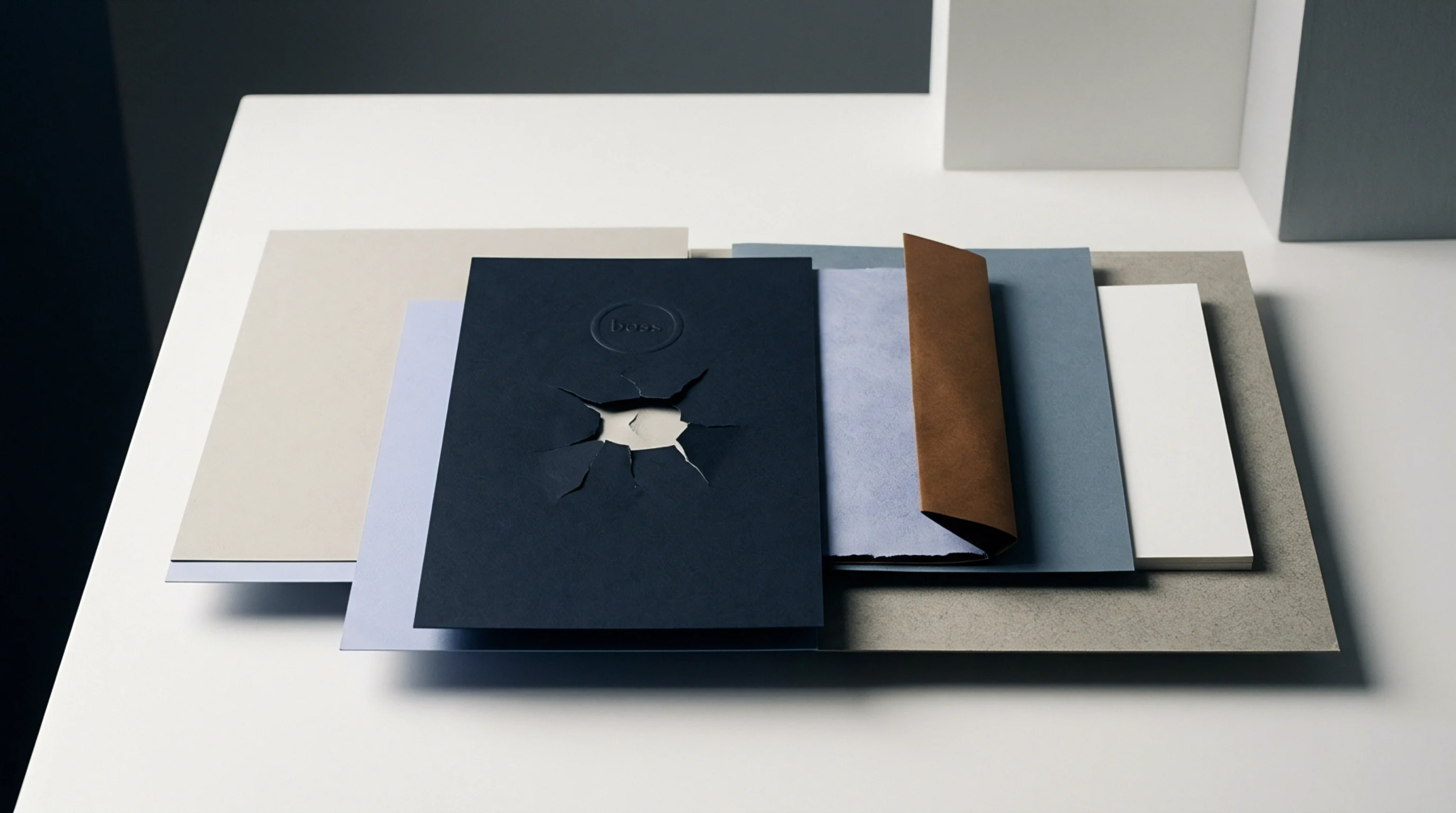
Optimizing interior BCTMP dewatering balances shoe press impulse against bulk retention to maximize press dryness while preserving folding boxboard stiffness.
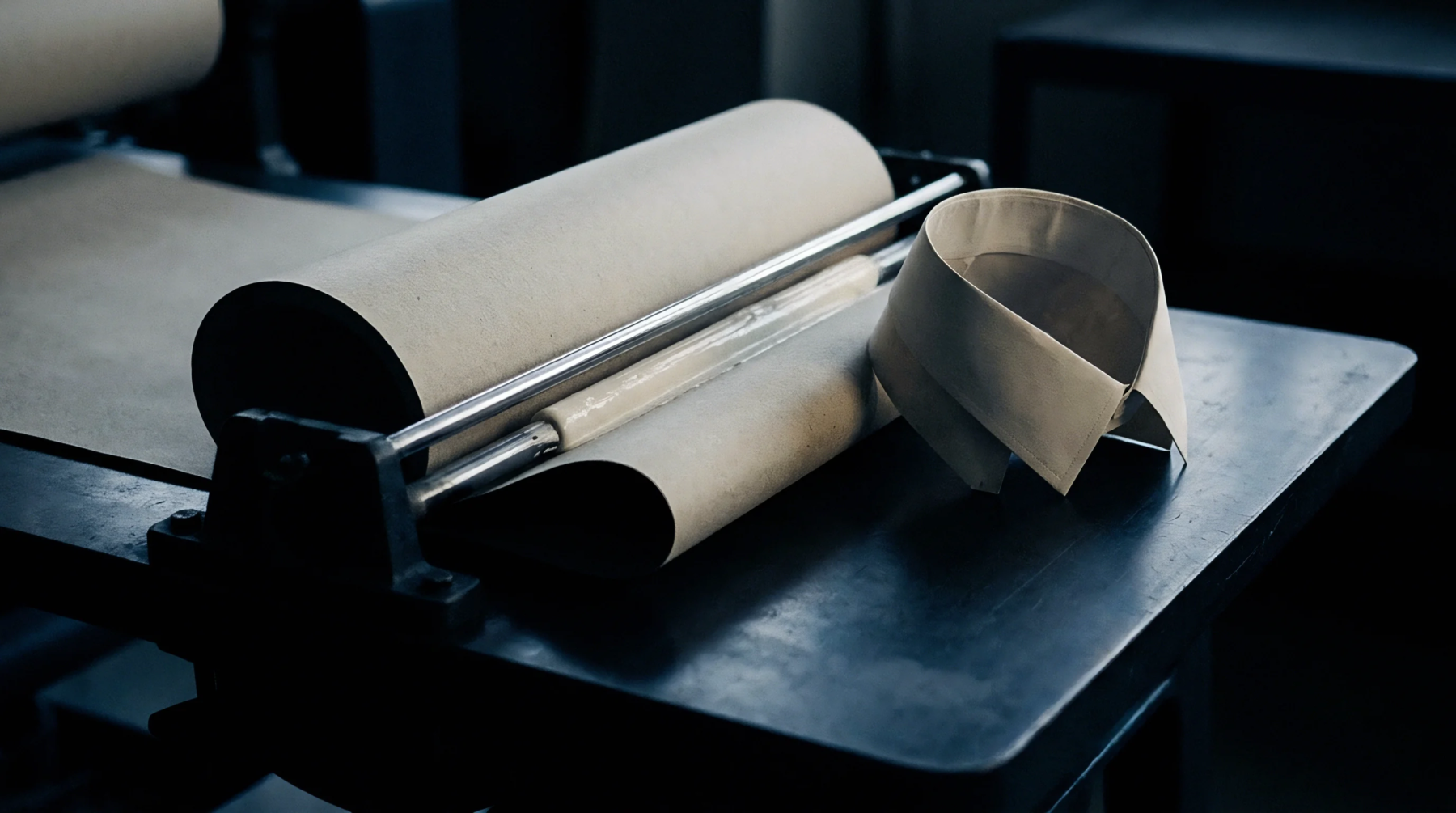
Structuring multi-ply recycled linerboard into density-optimized layers increases flexural rigidity and prevents score cracking while optimizing yield.
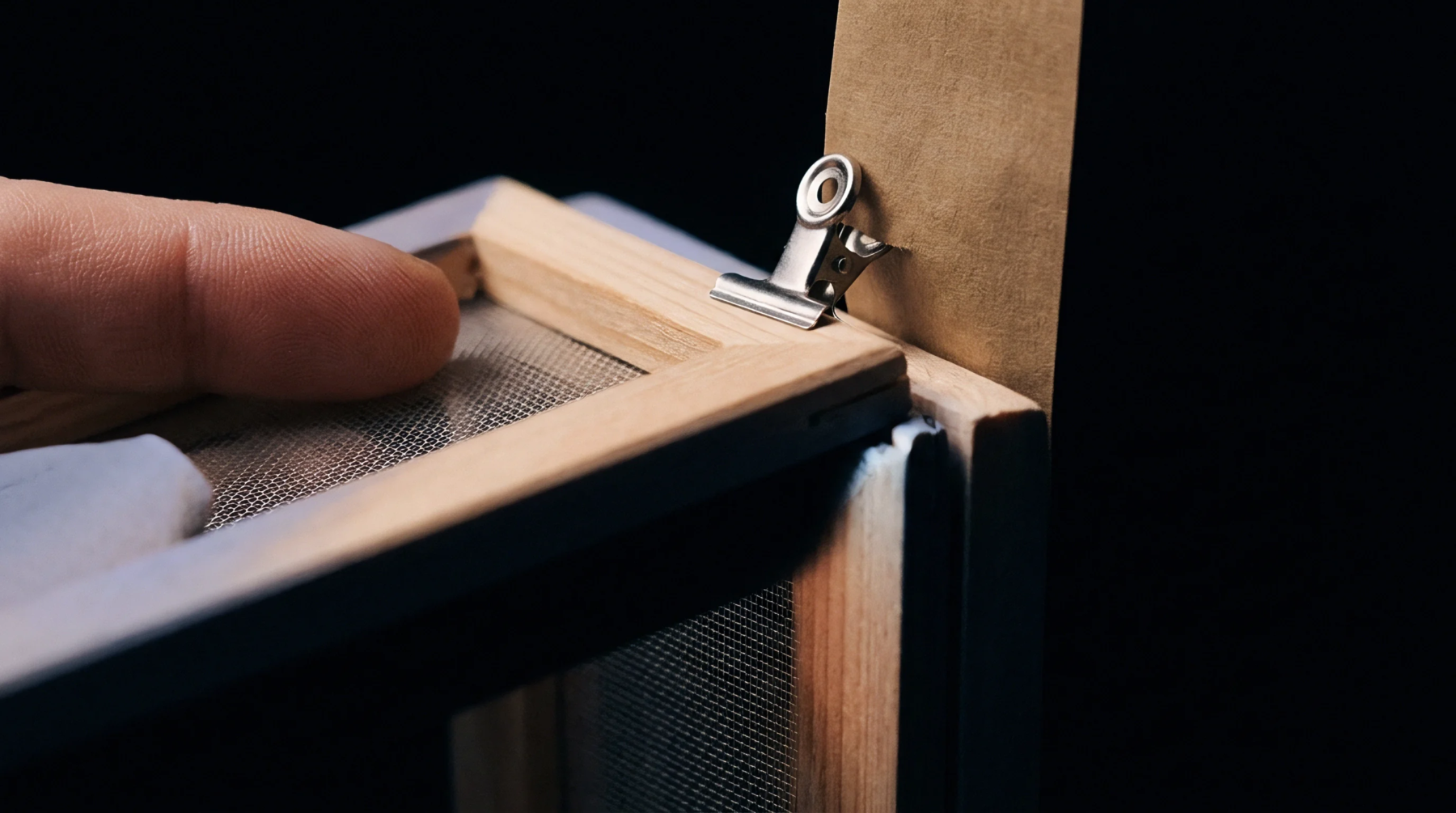
Dialkyl ketone deposition drops press felt voidage and raises water contact angles, reducing press exit dryness by 1 to 3% in hardwood furnishes.
Inter-ply shear energy dissipation in recycled calipers depends on wet-end starch bonding to prevent outer liner cracking during scoring operations.
Shoe press peak hydraulic pressure must remain below wet web z-tensile limits to prevent core delamination in secondary fiber containerboard manufacturing.
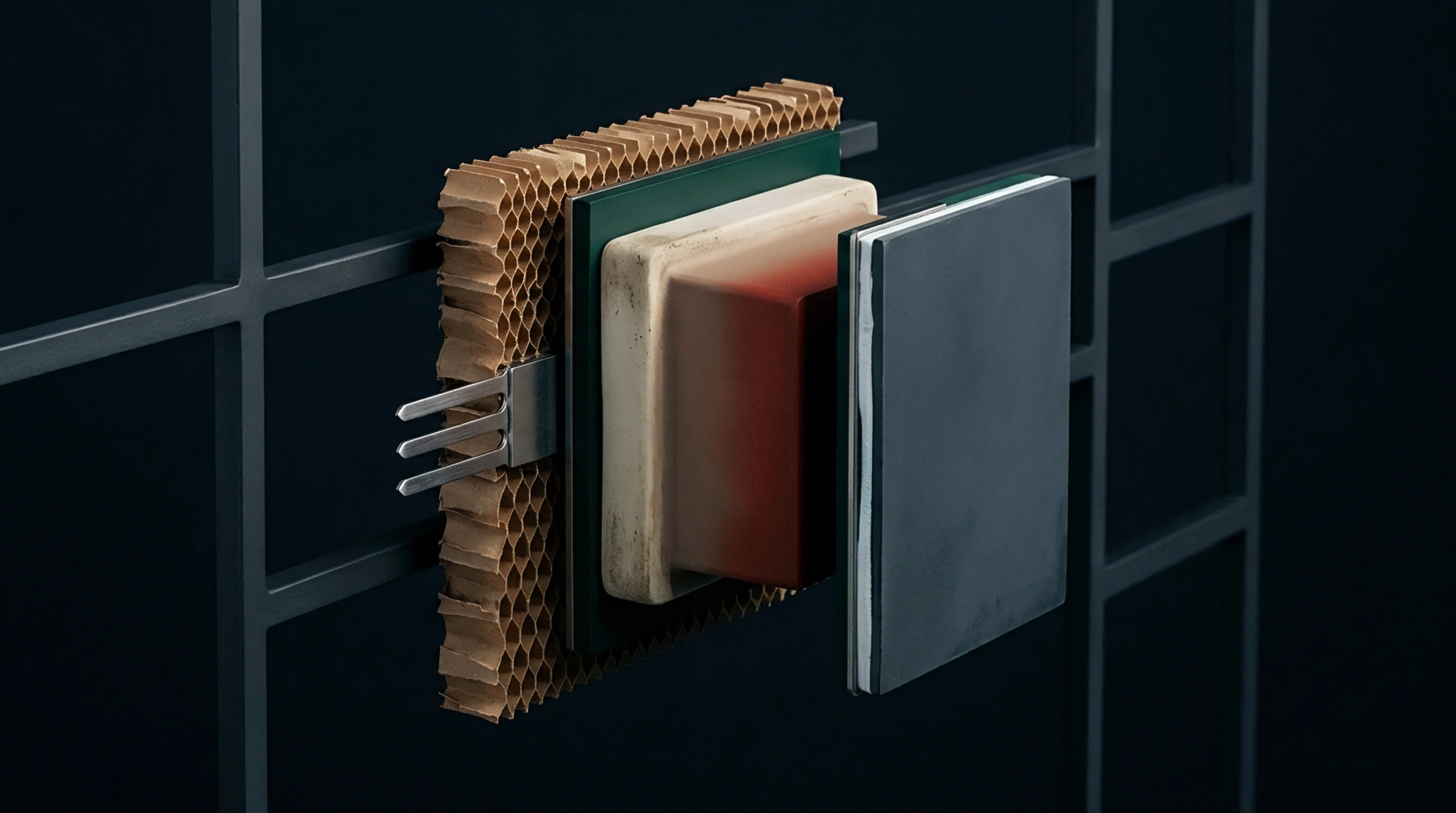
Optimizing CTMP core sulfonation and bulk yields lower grammage boxboard that maintains flexural rigidity while reducing landed carton cost.
Preserving folding boxboard bending stiffness during weight reduction relies on maintaining mechanical core bulk while elevating outer ply elastic modulus.
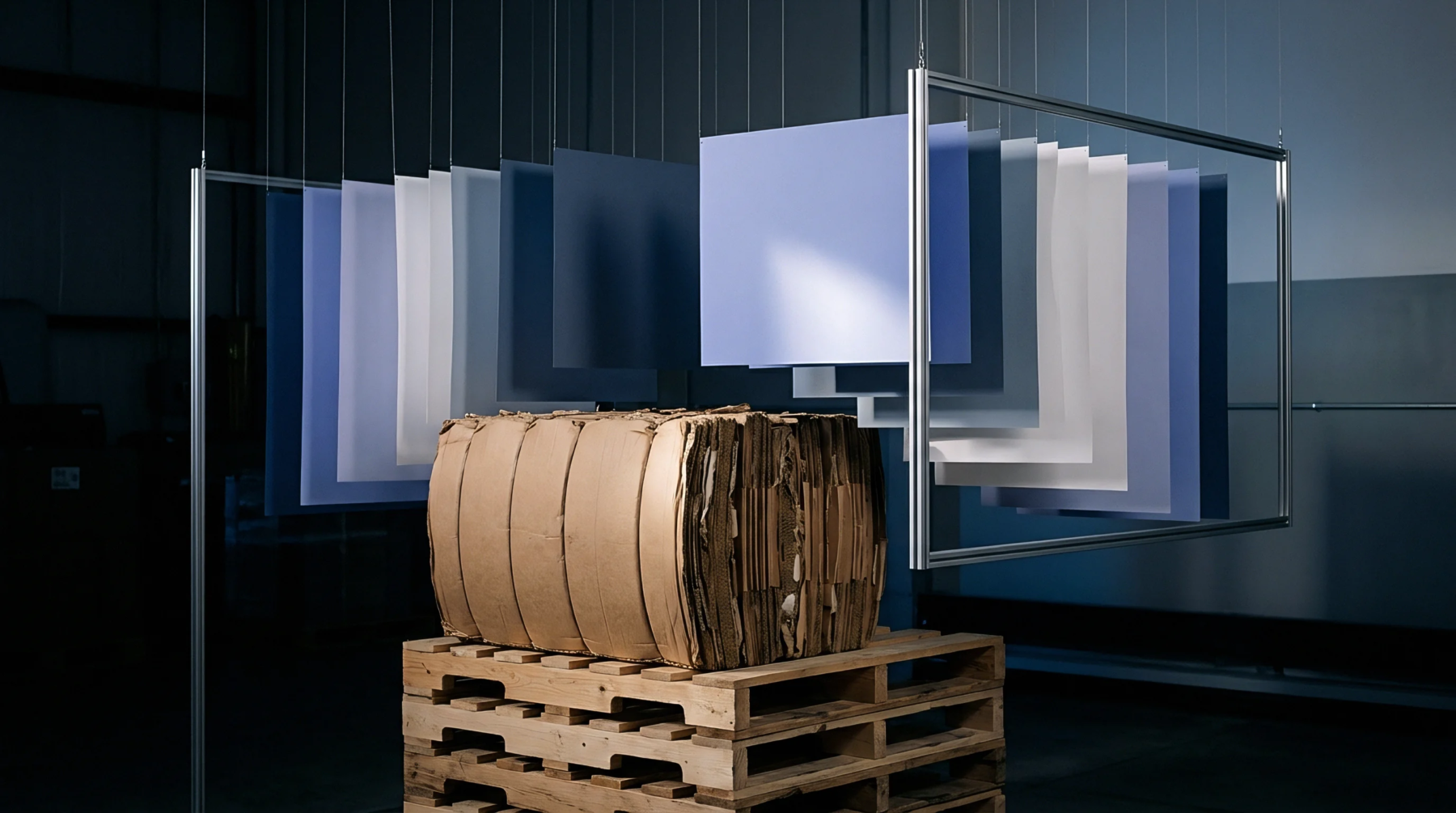
Optimizing multi-ply recycled containerboard requires strategic furnish distribution and precise starch application to maximize stiffness while lowering total fiber cost.
Expertise is a utility, not a secret. sentiention™ publishes its working knowledge as open reference: intelligence layer covering the materials it sources, the markets it enters, and the reference that serves both.