Dimensional Variance
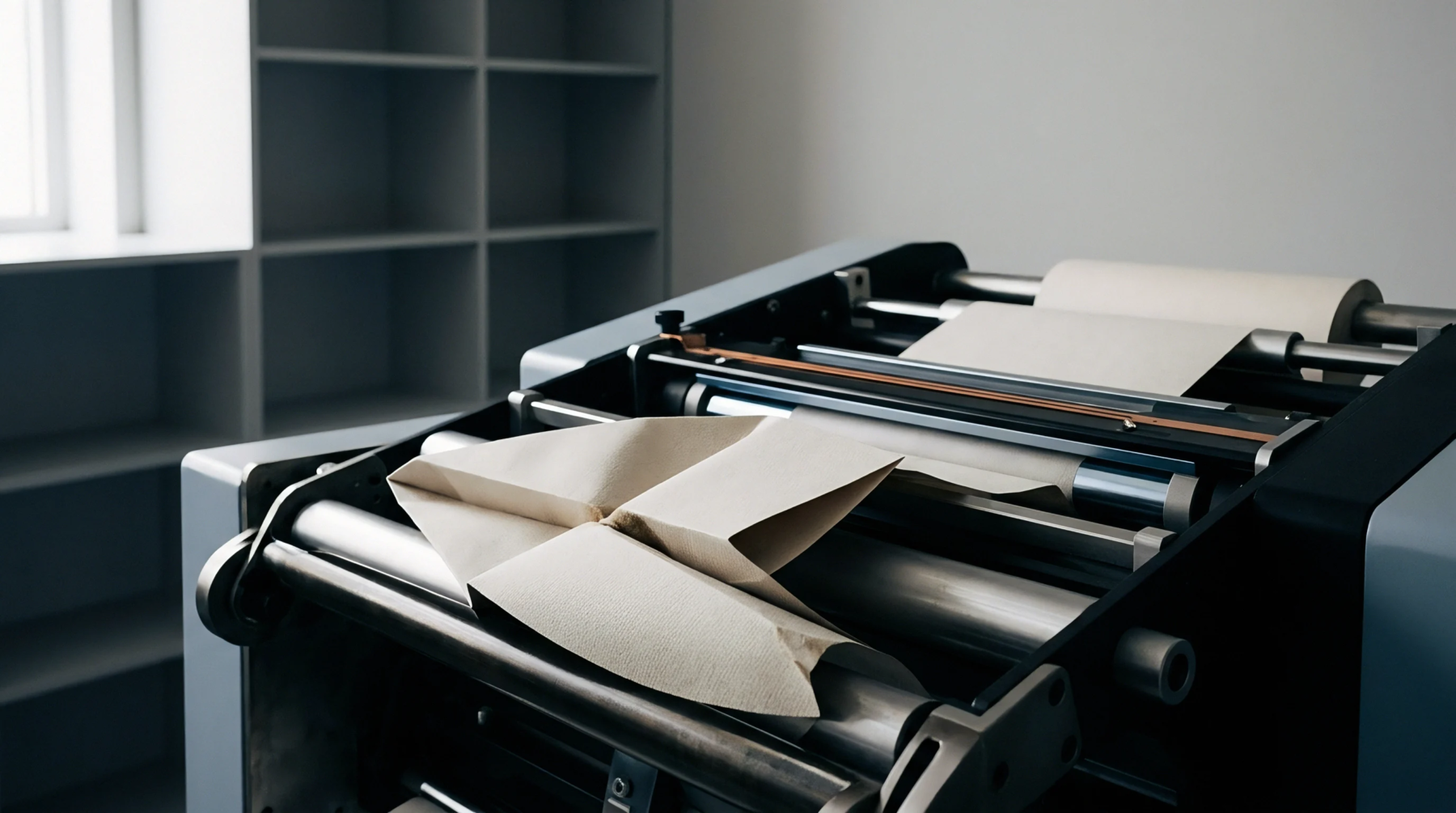
Caliper variations alter the conversion capacity of paperboard across a continuous web by introducing localized thickness gradients that disrupt uniform converting pressure. Die-cutting stations and folding cartons require predictable caliper variations to maintain structural integrity during high-speed packaging lines. Uncalibrated paperboard thickness creates machine jams or loose creases whenever tolerances exceed standard mill allowances.
Production teams measure these thickness discrepancies with micrometer arrays to establish acceptable machine direction profiles. Thickness inconsistencies originate primarily from headbox turbulence or uneven nip pressure within the press section of the paper machine.
Control Tolerance
Maximum allowable caliper variations depend upon the intended end use of the folded carton and the stiffness requirements of the packaging substrate. Folding carton manufacturers typically demand a total thickness tolerance within five percent of the nominal caliper target across the entire roll width. Excessive thickness deviations cause uneven ink transfer during offset printing because printing plates fail to make uniform contact across depressed substrate zones.
Converting equipment applies specific clamping pressures that compensate for minor caliper variations until localized crushing damages the internal fibre network of the paperboard.
Substrate Impact
Fibre orientation and refining intensity dictate how paperboard responds to localized caliper variations under mechanical load. Stiff folding boxboard absorbs minor thickness gradients without losing compression resistance while softer containerboard collapses prematurely under identical converting forces. Excessively high caliper areas generate localized high pressure spots during downstream embossing operations which frequently fracture the paper surface.
Low caliper zones result in weak creasing performance because inadequate board thickness prevents the formation of a clean hinge during the final gluing stage.