Molecular Transformation Process
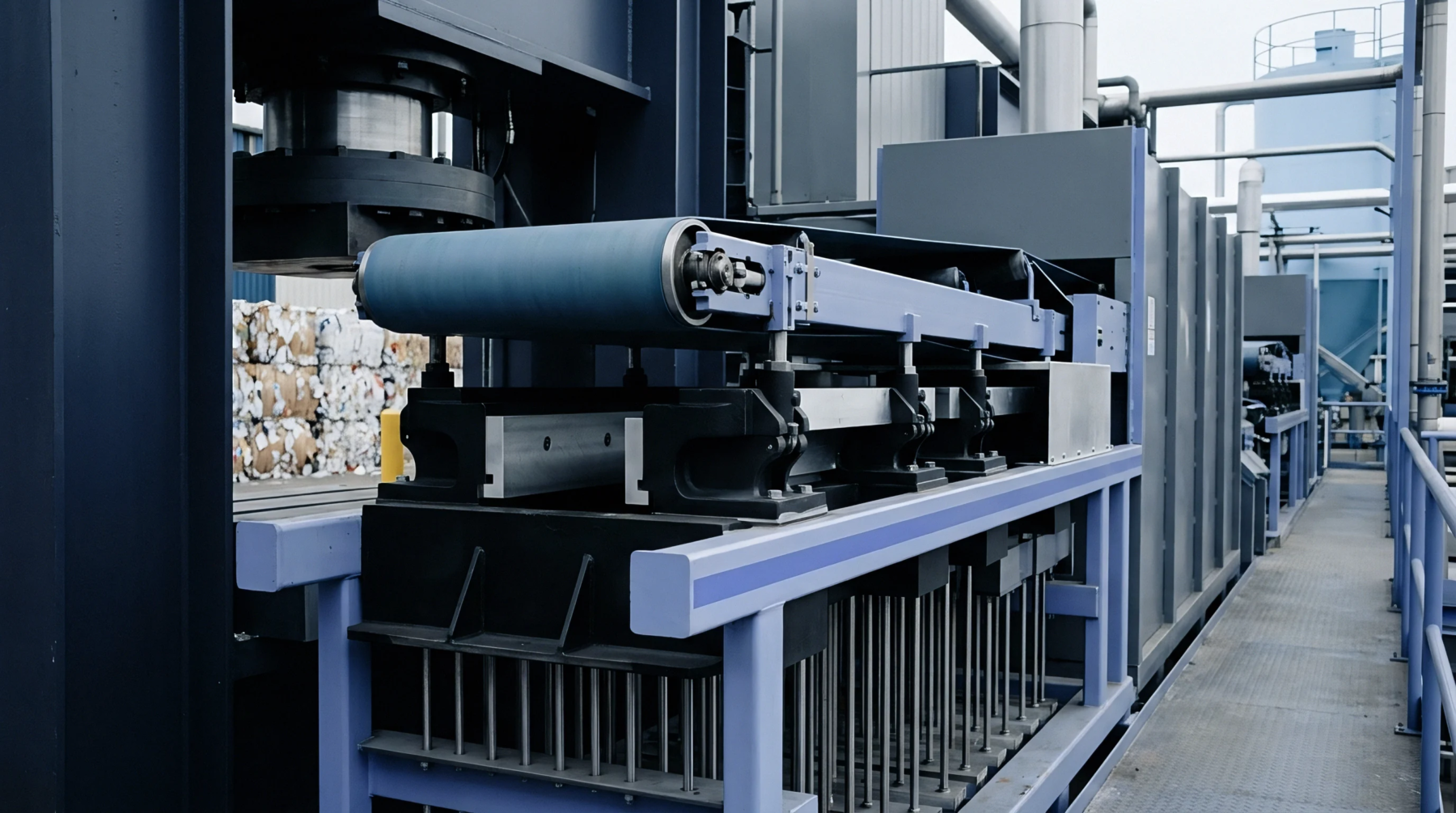
Thermal degradation of polymer chains into monomers or basic chemical building blocks constitutes the conversion method known as chemical recycling. This approach separates materials by breaking down their constituent carbon bonds rather than simply melting plastics into lower grade output. Production facilities use high temperature pyrolysis or solvent based extraction to isolate feedstock components from contaminated post consumer packaging.
Pure monomers obtained during these stages replace fossil fuel derivatives in fresh polymerization cycles for food grade or pharmaceutical substrates.
Reaction Boundary Definition
Feedstock purity requirements dictate the operational success of specific depolymerization pathways. Mechanical sorting lines deliver plastic streams to reaction chambers where pressurized catalysts shift polymer architecture. Polypropylene and polyethylene chains undergo chain scission at precise thermal thresholds to yield high quality feedstock oils.
Plants regulate feed velocity to maintain consistent product yields across batch cycles. Stringent filtration stages remove non plastic debris that interferes with molecular conversion rates. Operators adjust cooling loops to freeze recovered oil structures before storage.
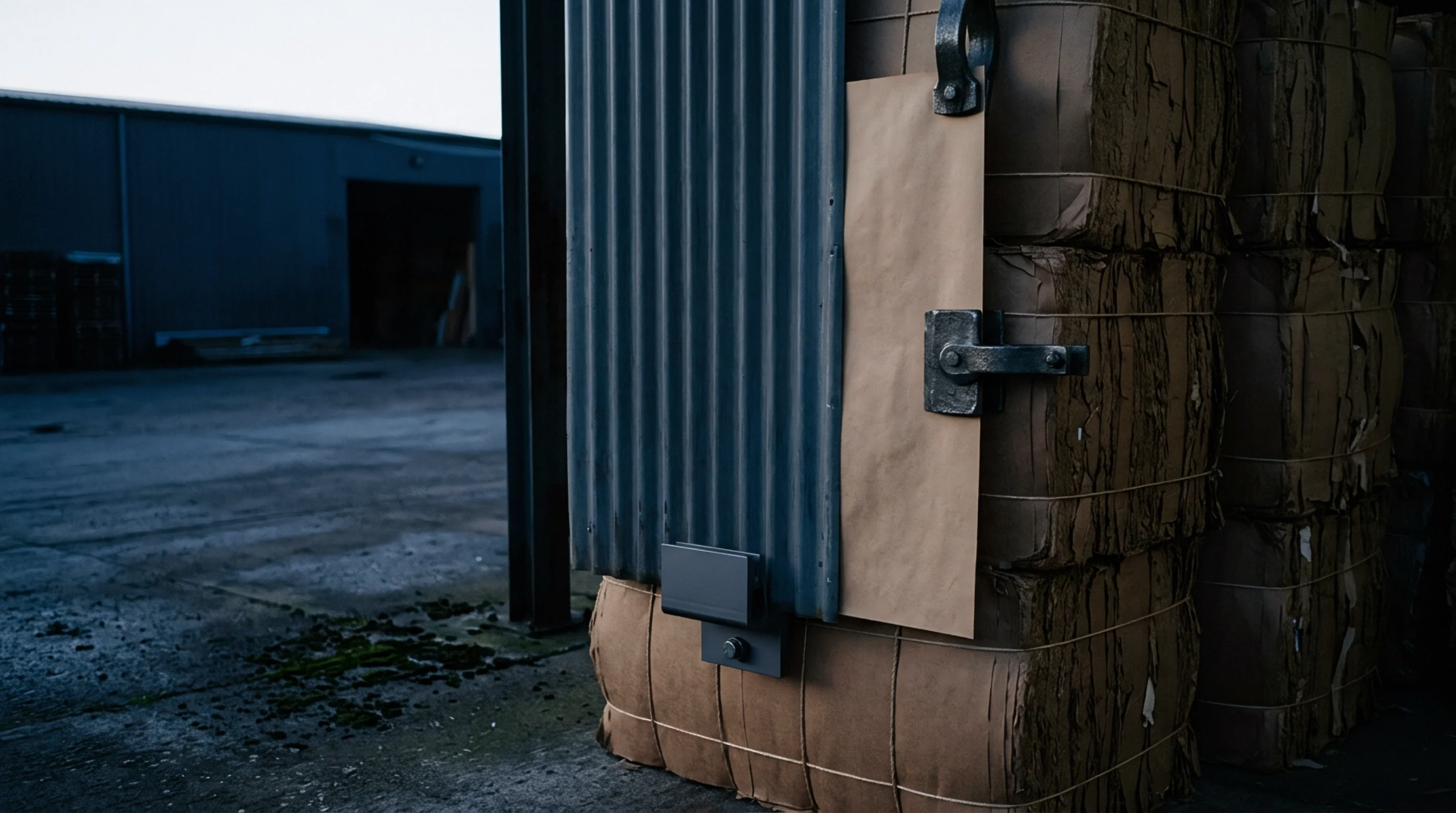
This procedure bypasses the physical degradation common in repetitive mechanical grinding. High molecular weight chains convert back to virgin quality status through these targeted chemical changes. Recovery rates shift based on the concentration of additives or dyes present in the incoming bale.
Material Conversion Efficacy
Contamination remains the primary technical constraint when processors attempt to close the loop on mixed post consumer films. Barrier coatings and multi layer laminates disrupt the efficiency of standard thermal cracking methods by introducing foreign oxygen or nitrogen atoms. These impurities block active sites on catalysts and reduce the overall yield of usable monomer.
Facilities overcome these losses by implementing secondary refining steps that strip contaminants from the product stream. Energy inputs for these refining processes create a higher carbon footprint per kilogram of recovered material than traditional sorting cycles. Commercial viability depends on the market price spread between virgin polymer resins and recovered chemical intermediates.
Molecular integrity stays constant across infinite loops provided that purification protocols remain strict.