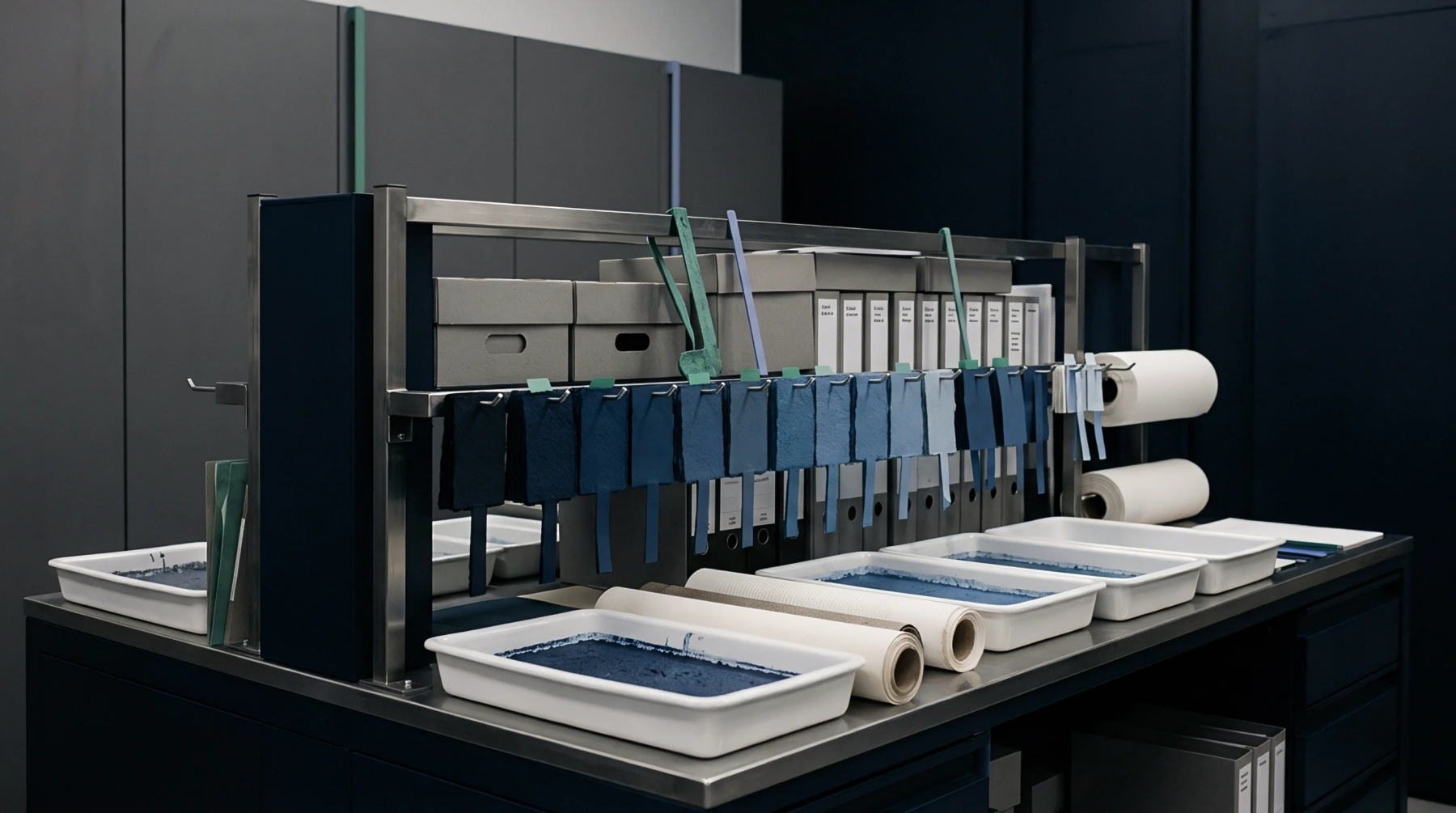
CIELAB Color Difference Thresholds for Ink Bleed Quantification
Specifying CIEDE2000 thresholds between 0.8 and 1.2 across micro-aperture line scans isolates ink bleed without triggering false inline vision rejects.
Specifying CIEDE2000 thresholds between 0.8 and 1.2 across micro-aperture line scans isolates ink bleed without triggering false inline vision rejects.

Predictive modeling of dynamic elastic modulus loss during high acceleration creasing prevents liner cracking and optimizes boxboard fold performance.

Dynamic absorption testing via ISO 18522 measures subsecond ink vehicle uptake on lightweight coated paper, preventing pressroom strike-through failures.
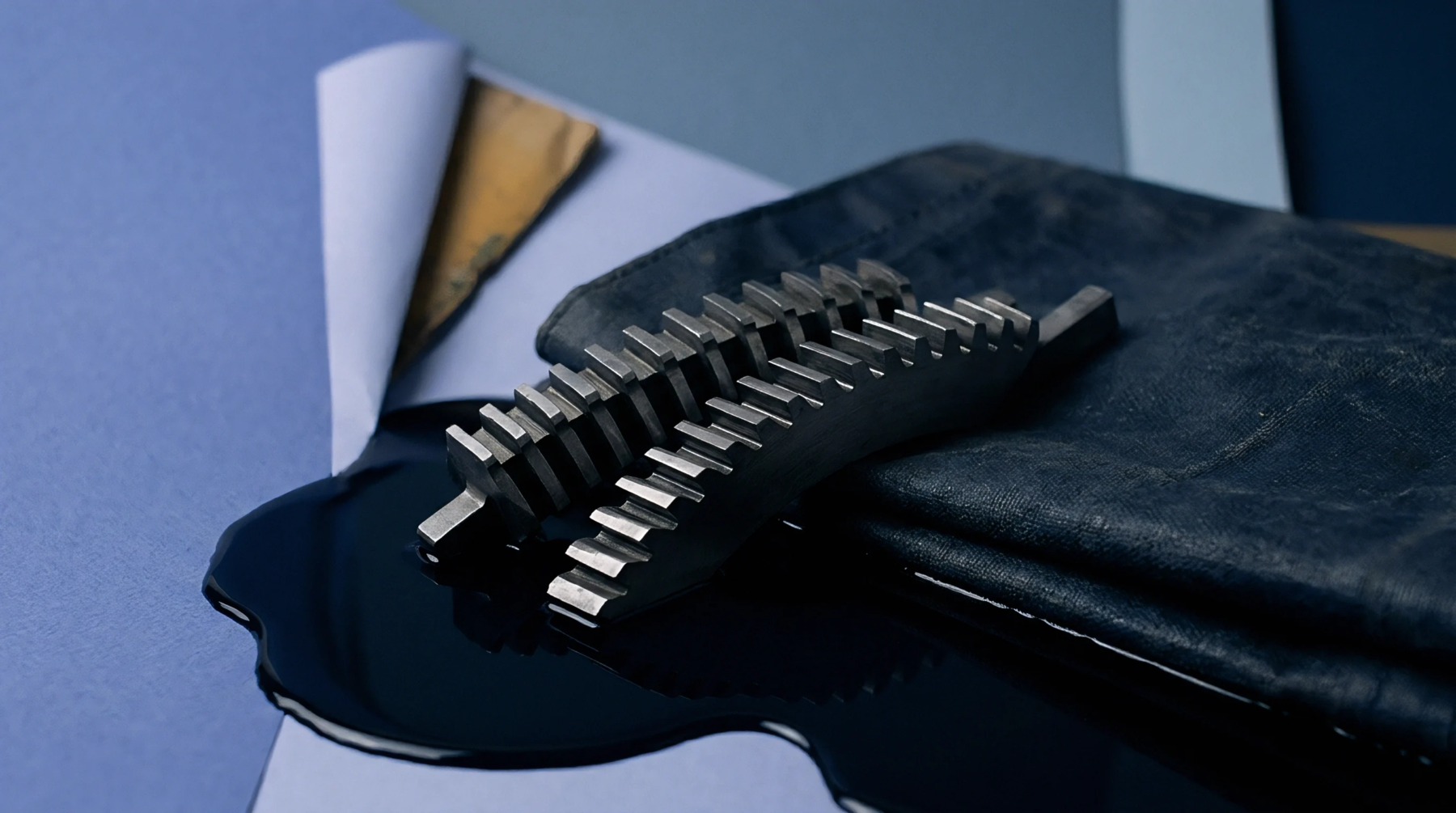
High-speed inkjet strain rates degrade paper surface coatings, forcing binder migration and substrate micro-fracturing on ultra-light hardwood sheets.
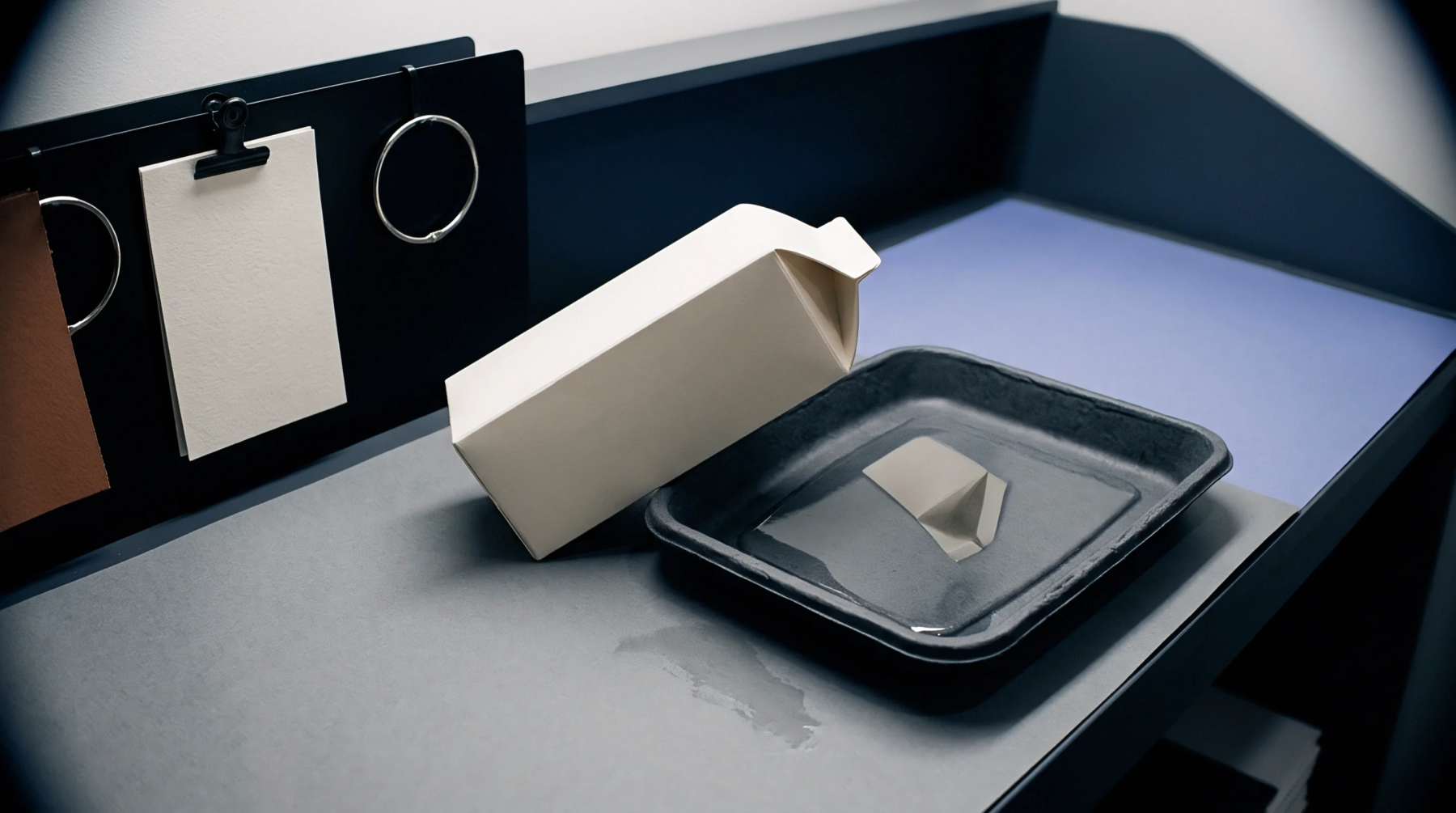
Dynamic microsecond droplet impact forces and coating capillary void network architecture dictate liquid absorption kinetics and print quality on high speed inkjet coated paper.
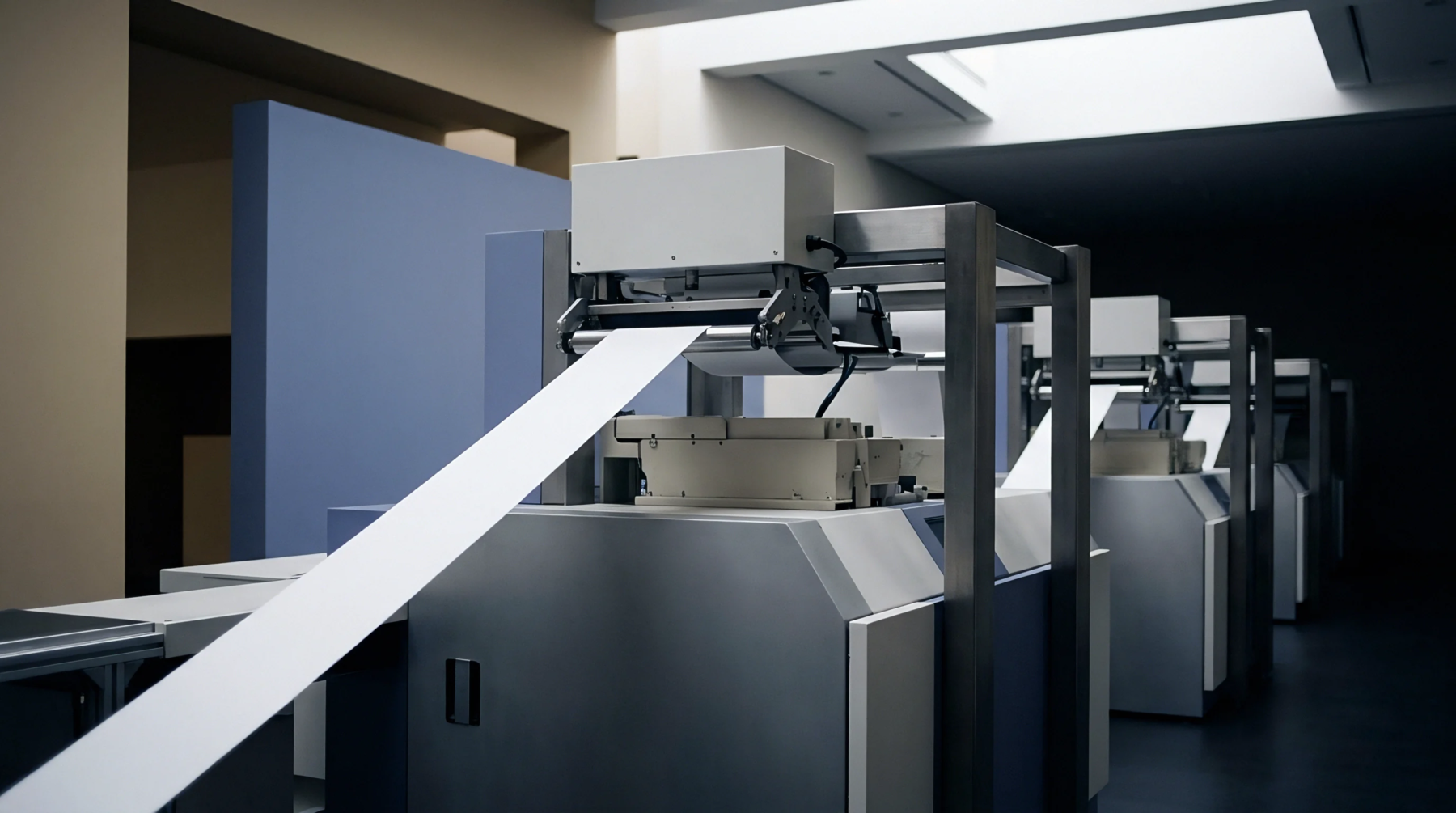
Folder gluers above four hundred meters per minute demand adhesives under fifty millinewtons per meter at twenty milliseconds to stop dry carton joints.
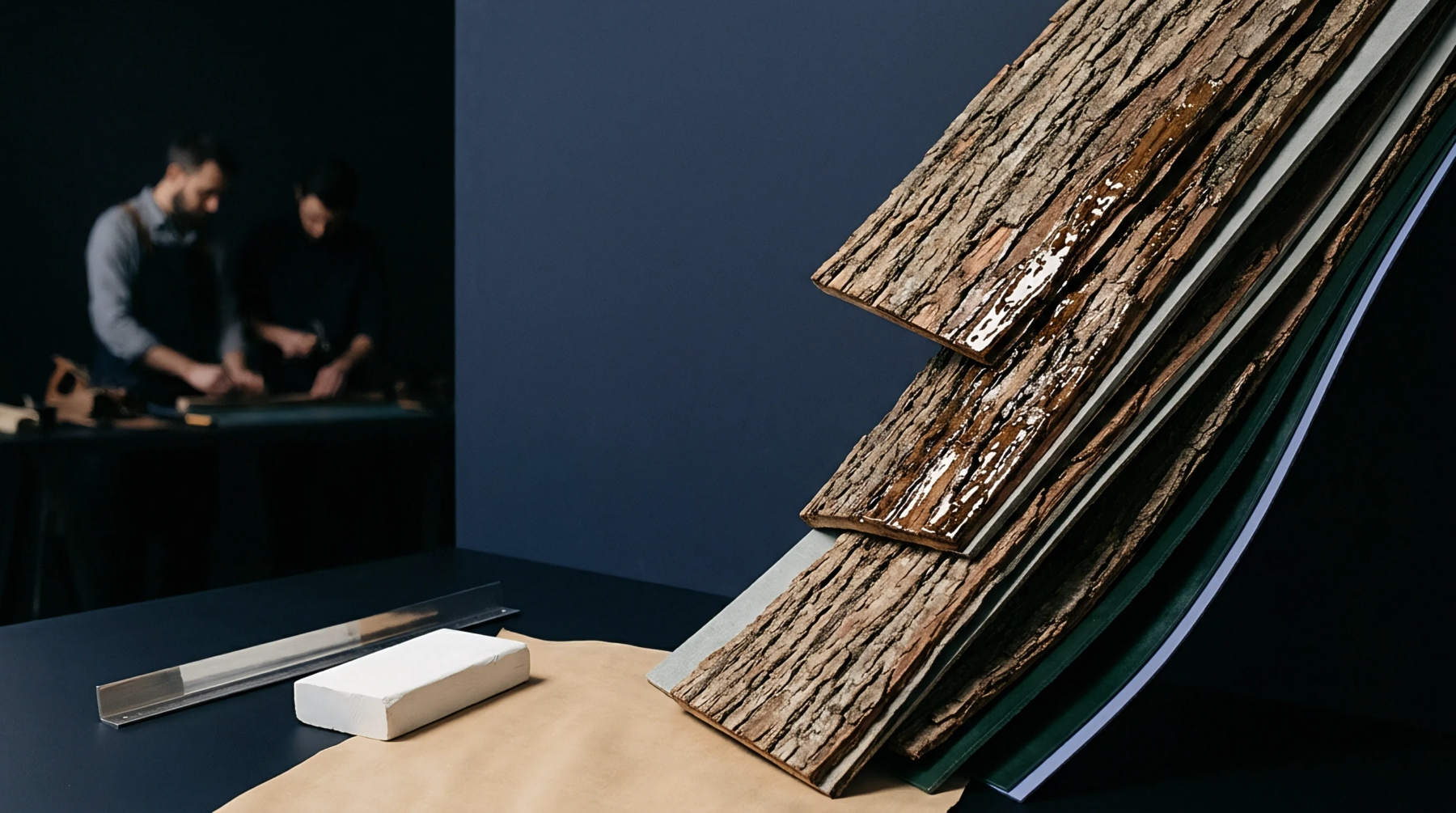
Engineered pigment coatings arrest molten fatty acids when submicron pore throats pin liquid menisci before viscous penetration reaches raw base board fibers.

Alkyl ketene dimer ring cleavage accelerates above pH 7.5 and 45°C, yielding inactive dialkyl ketones that ruin friction and drive sizing consumption.
Static ISO 15901 intrusion maps structural pore volume, but press liquid uptake depends on dynamic permeability and capillary draw under microsecond nips.

Mercury intrusion porosimetry isolates paper coating pore volume and throat diameters between 5 and 500 nanometres to control press setting and prevent mottle.
Expertise is a utility, not a secret. sentiention™ publishes its working knowledge as open reference: intelligence layer covering the materials it sources, the markets it enters, and the reference that serves both.