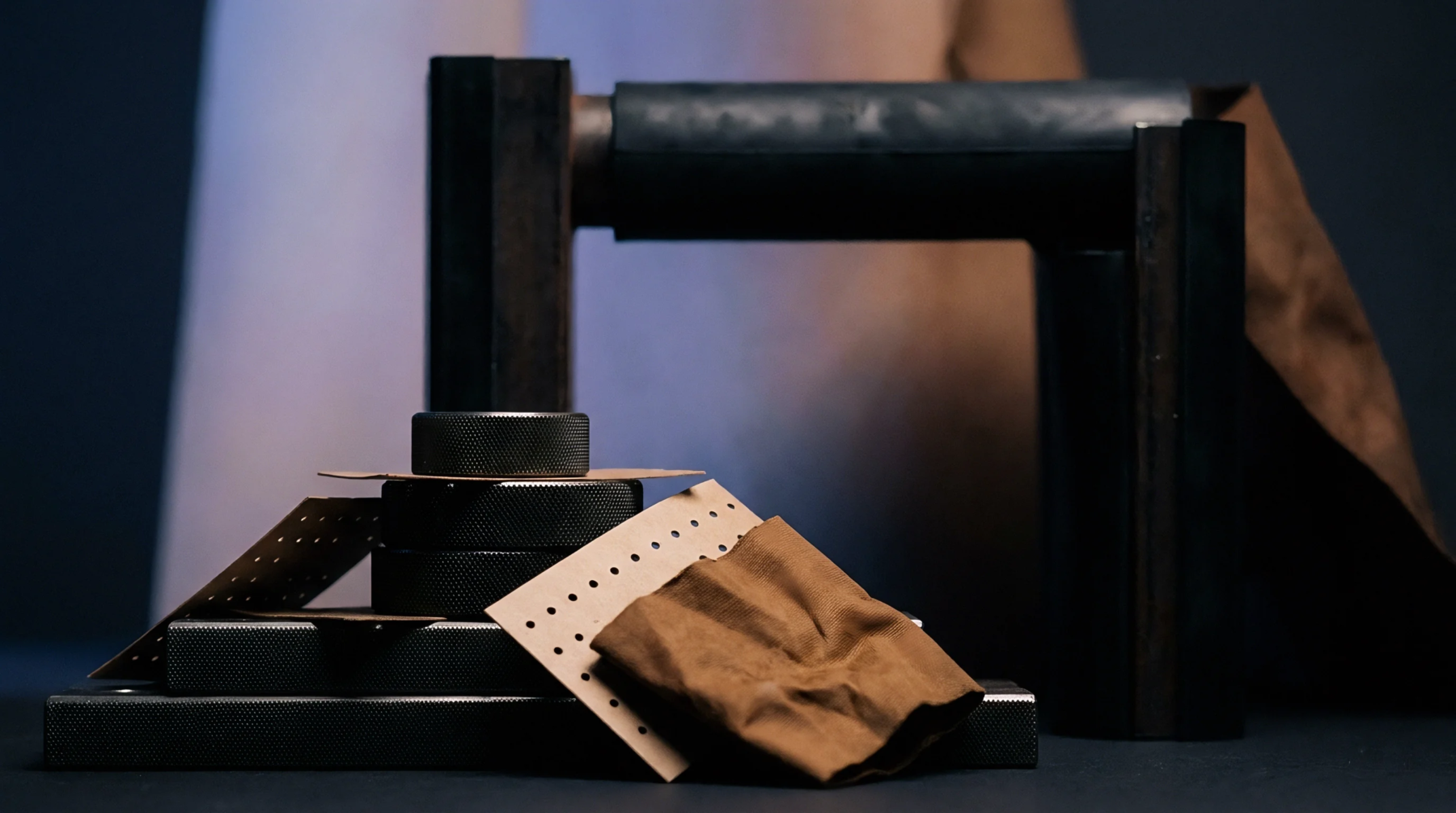
Capillary Pressure Dynamics and Coating Micro Porosity Structure in Paper
Micro-porous paper coating capillary dimensions govern dynamic ink vehicle filtration rates, ink setting speeds, press energy consumption, and total converted sheet yield.
Micro-porous paper coating capillary dimensions govern dynamic ink vehicle filtration rates, ink setting speeds, press energy consumption, and total converted sheet yield.

Matching substrate furnish and bulk to press stress secures structural integrity, optimizes print quality, and minimizes total landed packaging cost.
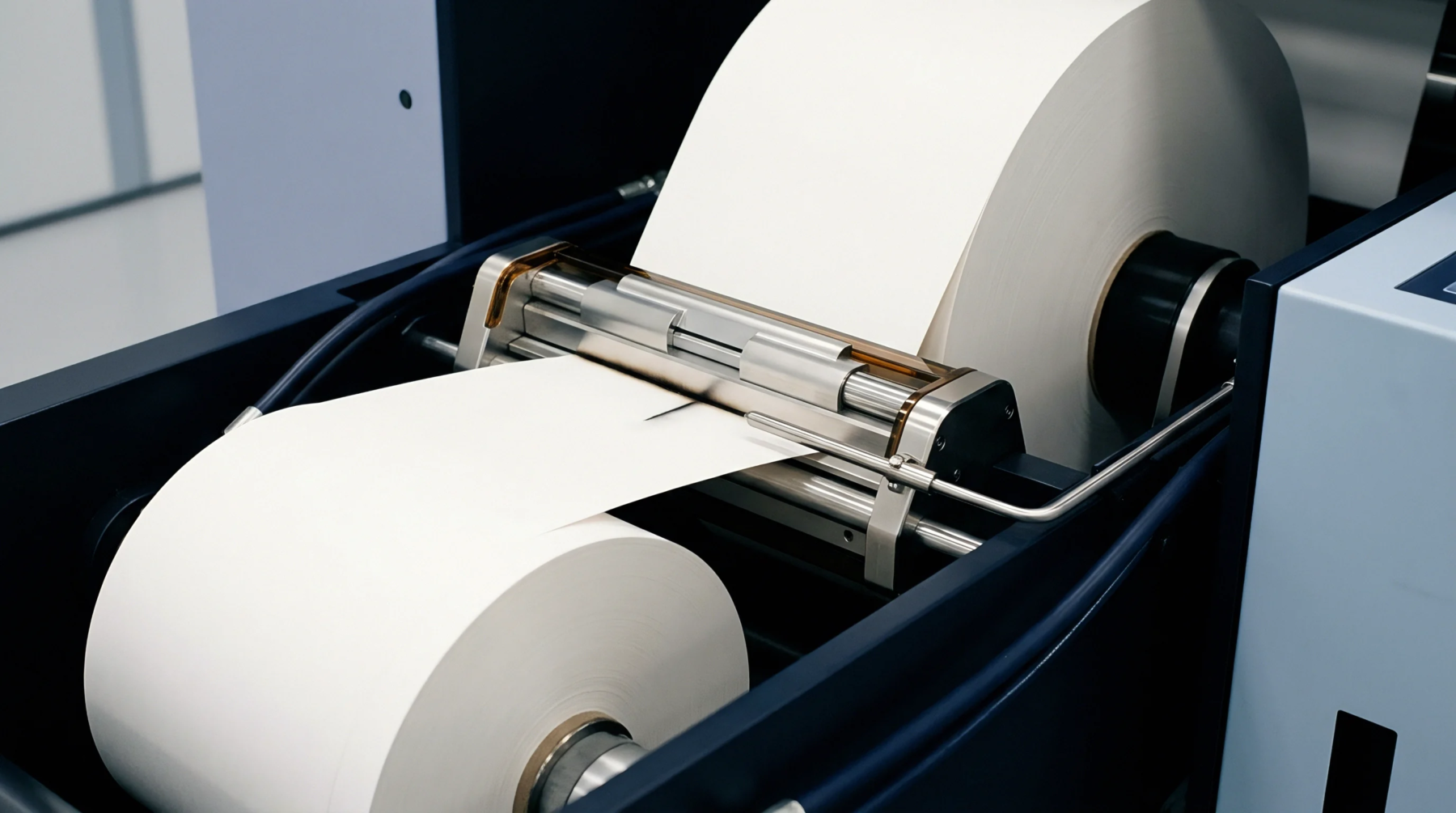
Furnish substitutions at the machine gate require wet end NIR tracking and ISO 1924 tensile verification to prevent runnability failures and yield losses

Dynamic surface tension decay in lightweight virgin hardwood papers dictates fountain solution uptake and ink setting, requiring strict dynamic contact angle limits in mill purchase specs.

Transferring chemometric models across wet end sensing nodes requires piecewise direct standardization to preserve ash prediction accuracy.

Deriving uncoated paper TVI targets demands separating optical light scattering from capillary ink absorption using M1 spectral data to set inverse RIP curves.

Narrow coating pore throats below 0.05 micrometres maximize capillary pressure, driving rapid ink vehicle separation and set speed on offset press.
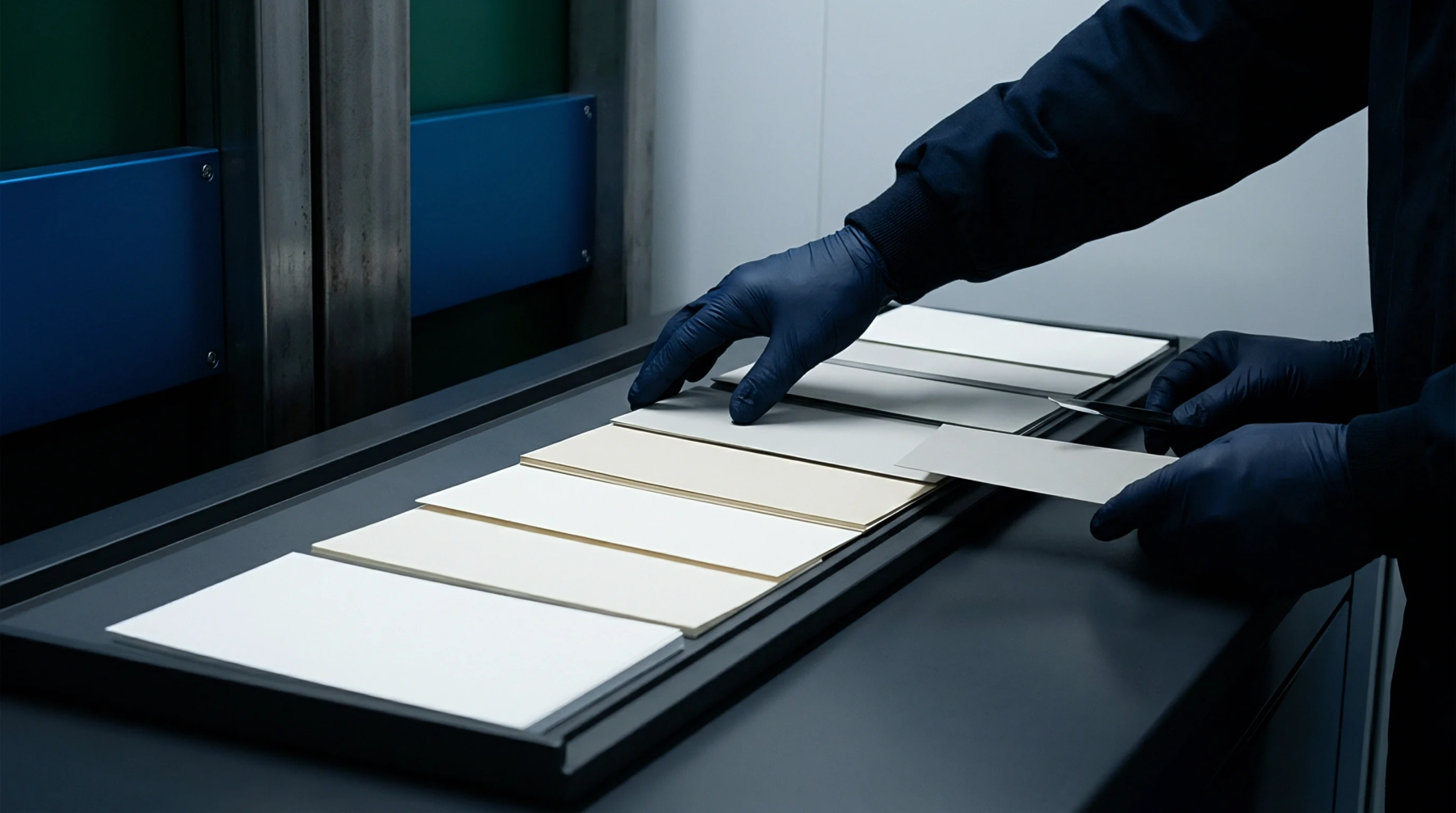
Bench viscometry of paper coating emulsions requires standardized temperature control, verified spindle geometry, and multi-shear profiling to ensure runnability.

Inter-ply bond standards mandate TAPPI T 541 or ISO 16260 testing under strict ISO 187 conditioning to prevent converting delamination on recycled paperboard.
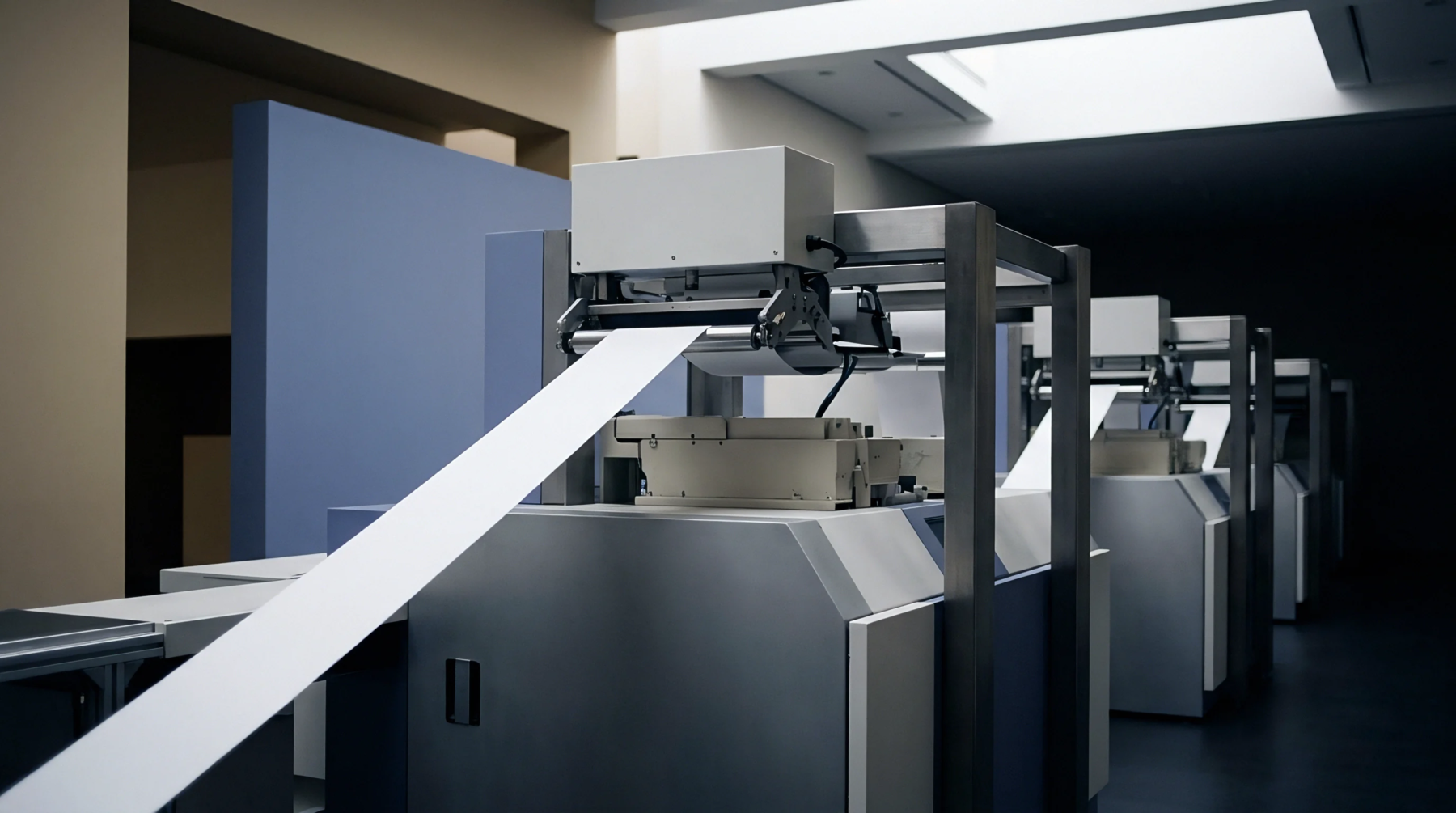
Pigment micro-geometry and particle packing dictate coat pore volume distribution, controlling ink vehicle absorption rate, print gloss, and coat strength.

Dynamic contact angle relaxation rates dictate air entrainment and streak defect thresholds in high speed blade coating systems operating above 1200 m/min.
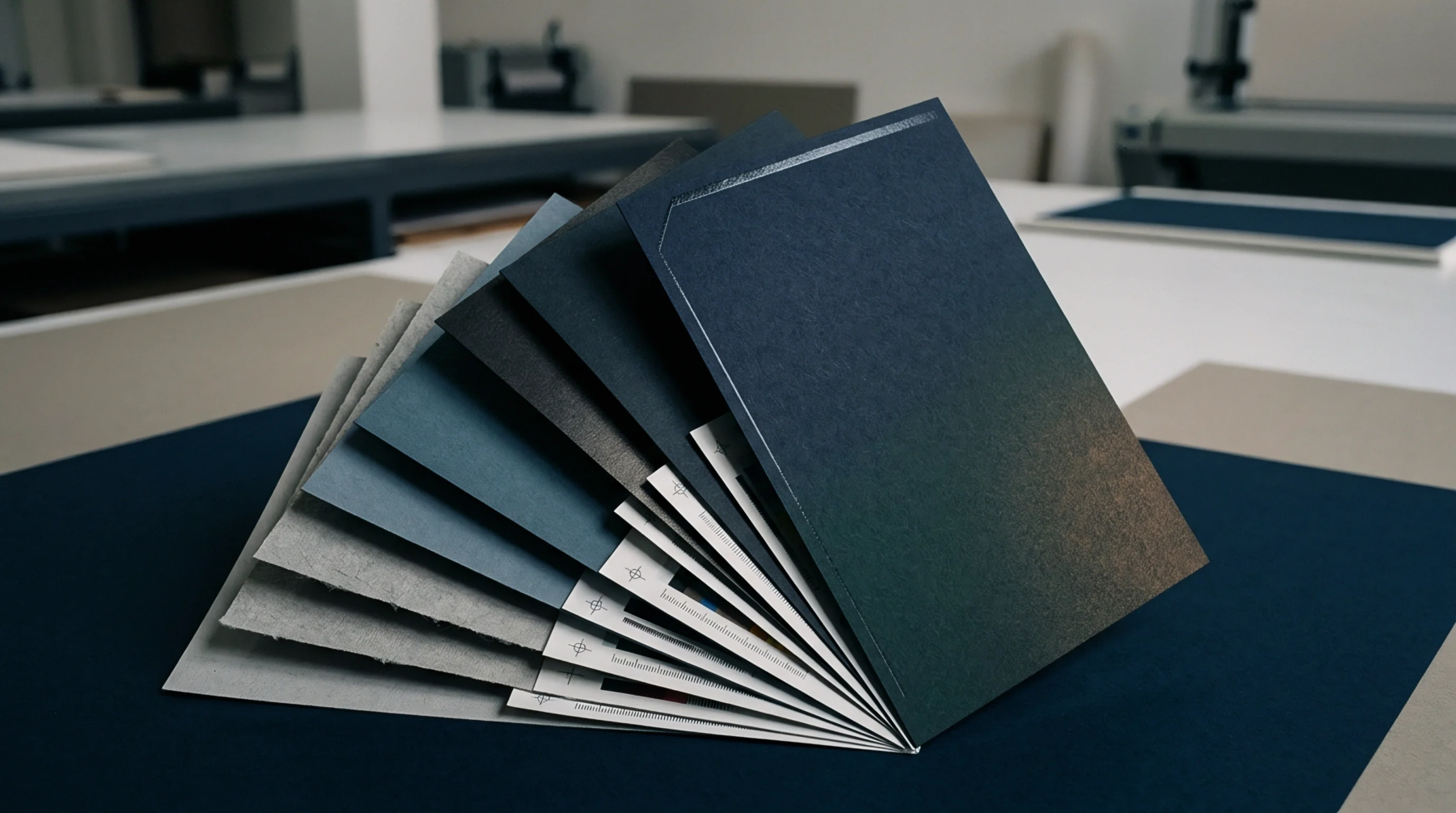
ISO 15901-1 porosimetry paired with dynamic sorption testing qualifies coating pore structures to prevent back-trap mottle and ink setting failures on press.
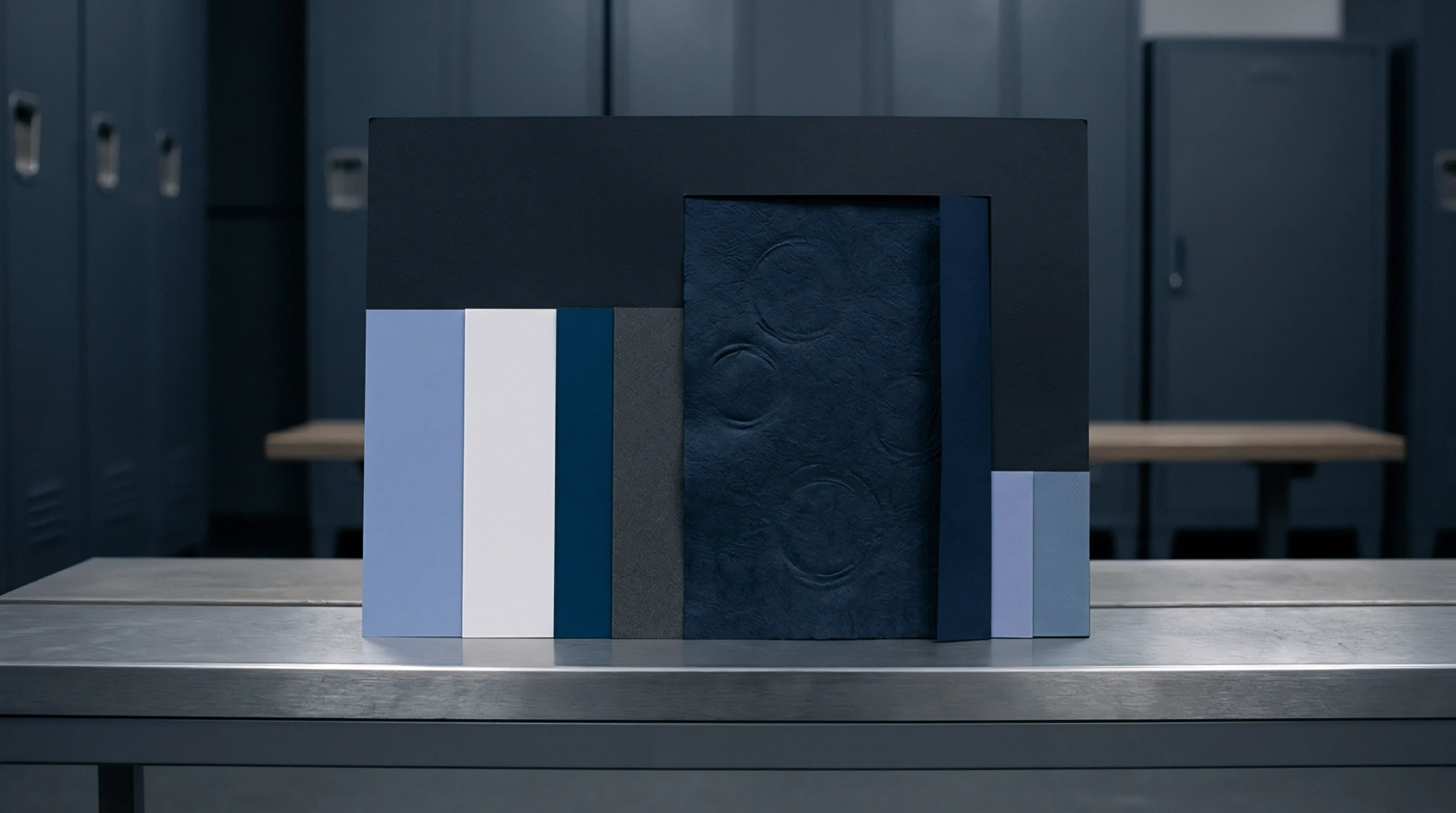
Inline blade coating and soft-nip calendering establish surface uniformity, while targeted finishing passes balance visual embellishment against repulpability.

Spectrophotometric measurement of optical brighteners requires 45°:0° geometry under ISO 13655 M1 illumination to accurately reflect retail visual appearance.

Substrate capillary absorption speeds govern ink setting rate, dryer energy consumption, and cross-web print defect thresholds across high-speed converting runs.

Dynamic fluid transport in lightweight coated sheets shifts from inertial to capillary control within milliseconds, demanding balanced pore throat sizing.

Piecewise Direct Standardization eliminates cross-machine headbox ash sensor drift by mathematically matching optical sub-bands to preserve target sheet ash.

Optimize wet end charge to slight negative potential and verify dynamic retention with TAPPI T 261 to secure mechanical strength and chemical compliance.
Subsurface light scattering in filled mechanical papers is governed by radiative transport modified for pigment crowding and internal surface reflection.

Intense refining of recycled fibres increases bonded area and collapses lumens, reducing optical scattering and requiring mineral fillers to restore opacity.

Standardized liquid penetration testing requires matching dynamic bench exposure times to press dwell durations to accurately predict coating performance.
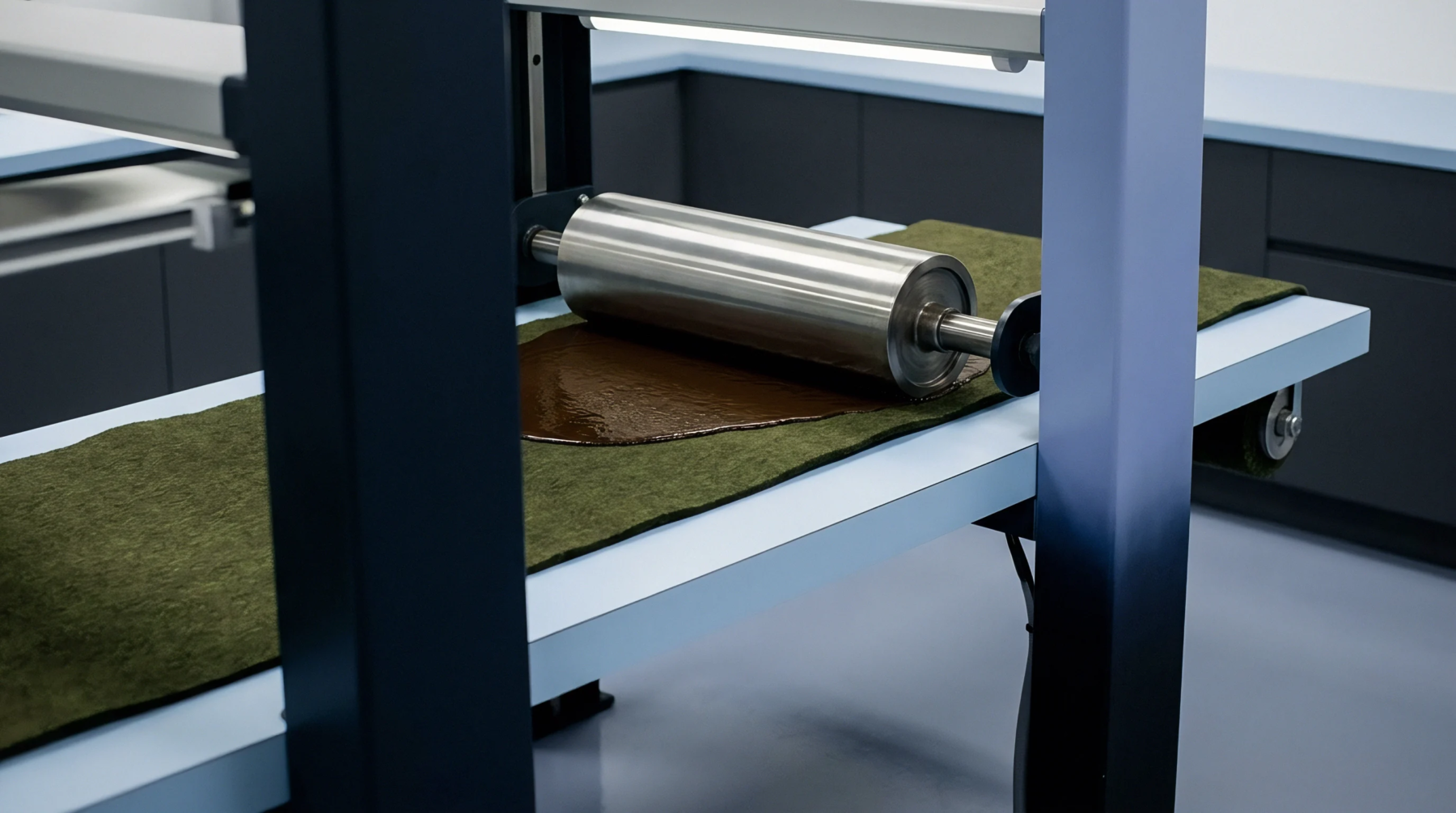
Mineral pigment shape dictates coating pore diameter, where narrow platelet networks accelerate ink vehicle separation and induce print chalking.

Bench viscometry qualifies low-shear slurry pumping and leveling, requiring tight thermal control and correct spindle torque to prevent coater runnability failure.
Boundary layer shear shifts dynamic optical scatter in recycled pulp; uncorrected chemometric models diverge unless mapped across changing velocity regimes.
Subsurface scattering deconvolution isolates true paperboard topography from photon diffusion artifacts to protect sheet bulk and gravure print fidelity.
Mineral pigment shape and pore distribution control ink setting, fiber coverage, and converting runnability, fixing real delivered costs per thousand sheets.
Micro-pore volume between 0.02 and 0.08 micrometers controls dynamic vehicle absorption, dictating offset ink setting speed and preventing mottle defects.
Mercury intrusion analysis overstates fine pores in paperboard; subtracting solid compressibility and cell expansion isolates true structural network dimensions.

Dynamic contact angle testing under TAPPI T 558 exposes sub-second wetting and capillary absorption failures that traditional sixty-second Cobb tests completely miss.
Surfactant relaxation kinetics govern blade coater wetting defects: rapid non-equilibrium surface tension decay under five milliseconds prevents air entrainment.
Expertise is a utility, not a secret. sentiention™ publishes its working knowledge as open reference: intelligence layer covering the materials it sources, the markets it enters, and the reference that serves both.