Layered Structure
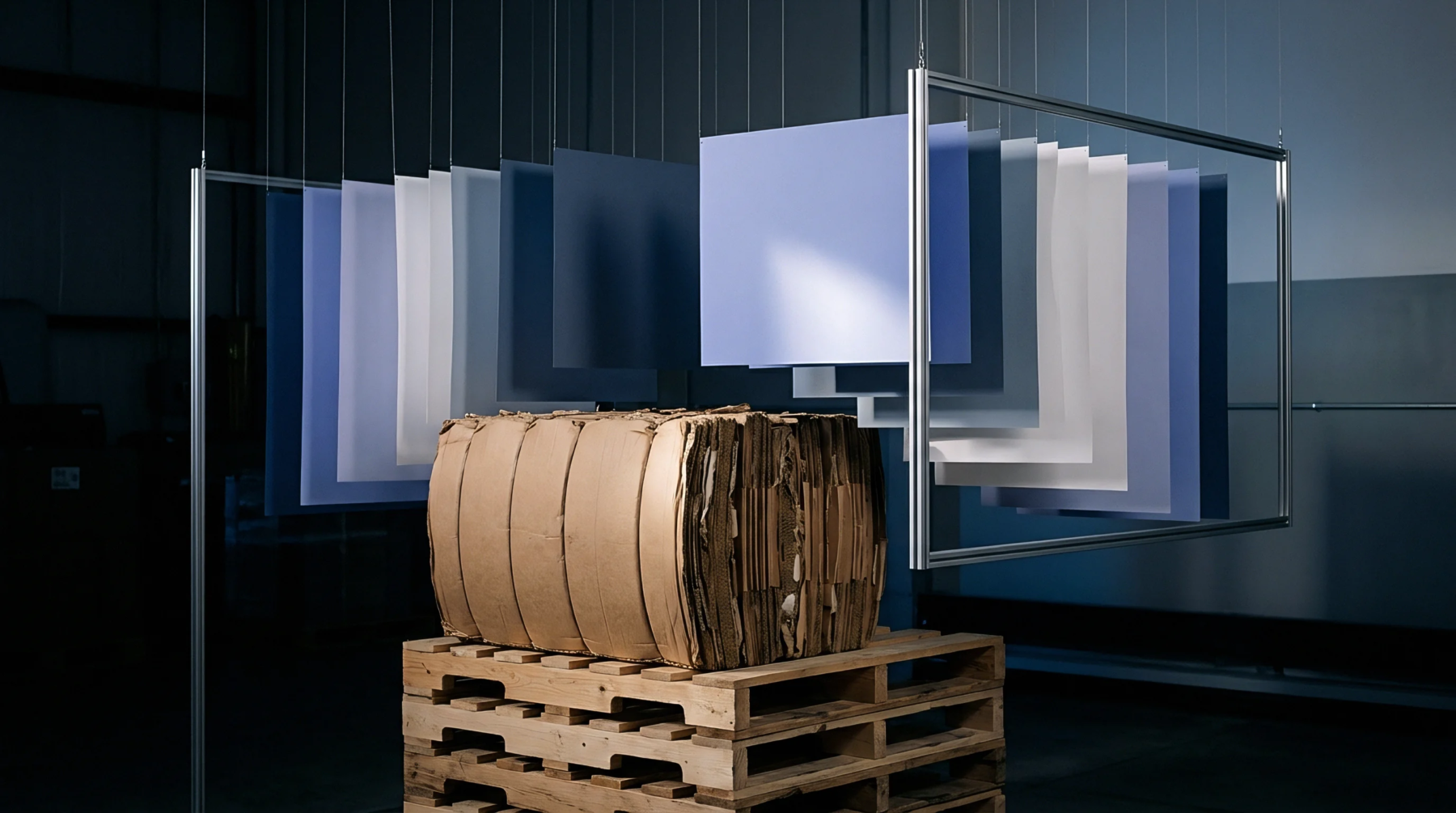
Composite board manufacturing involves combining several distinct layers of pulp to create a single sheet with superior strength and stiffness. Multi-ply containerboard is designed to maximize the performance of different fibre types, placing high quality virgin fibres on the surface and recycled fibres in the core. This construction allows for a rigid material that remains lightweight and cost effective.
Structural Engineering
The bending stiffness of the material is increased by separating the outer skins with a bulky middle layer. In multi-ply containerboard, the internal plies provide the necessary thickness to resist crushing, while the outer plies handle the tension during bending. This design mimics the principle of an I-beam, concentrating the strongest materials where the stress is highest.
Careful control of the moisture and tension between layers is required to prevent curling.
Functional Versatility
Different chemical treatments can be applied to specific layers to provide barriers against moisture or grease. Because multi-ply containerboard can be customized at each forming station, it is possible to create specialized grades for frozen food and heavy electronics. The bonding between these layers is facilitated by mechanical pressing and the addition of starches.
This material is the primary component for corrugated boxes and heavy duty shipping containers. The structural integrity of the final box depends on the bond quality between these layers.