
Calculating Substrate Compression Ratios in Embossing Operations
Substrate compression ratio measures z-axis compaction, balancing tool impression depth against fiber strain limits to maximize embossing height without shearing.
Substrate compression ratio measures z-axis compaction, balancing tool impression depth against fiber strain limits to maximize embossing height without shearing.

Optical profilometry quantifies score elevation variance down to sub-micron resolution, identifying die wear and coating micro-fractures before carton assembly.

Heat embossing above lignin glass transition temperature locks paperboard relief depth, while controlled dwell time minimizes post-press viscoelastic creep.

Friction sled cycles strip migratory slip agents, elevating polar surface energy while generating micro-roughness that causes severe specular gloss drift.

Matrix depth ratios dictate counter-die selection by balancing polymer yield strain against substrate compaction to preserve layer integrity under pressure.

Resin yield stress thresholds govern score line micro-elevation profiles, where controlling matrix clearance and coat weight prevents optical edge defects.
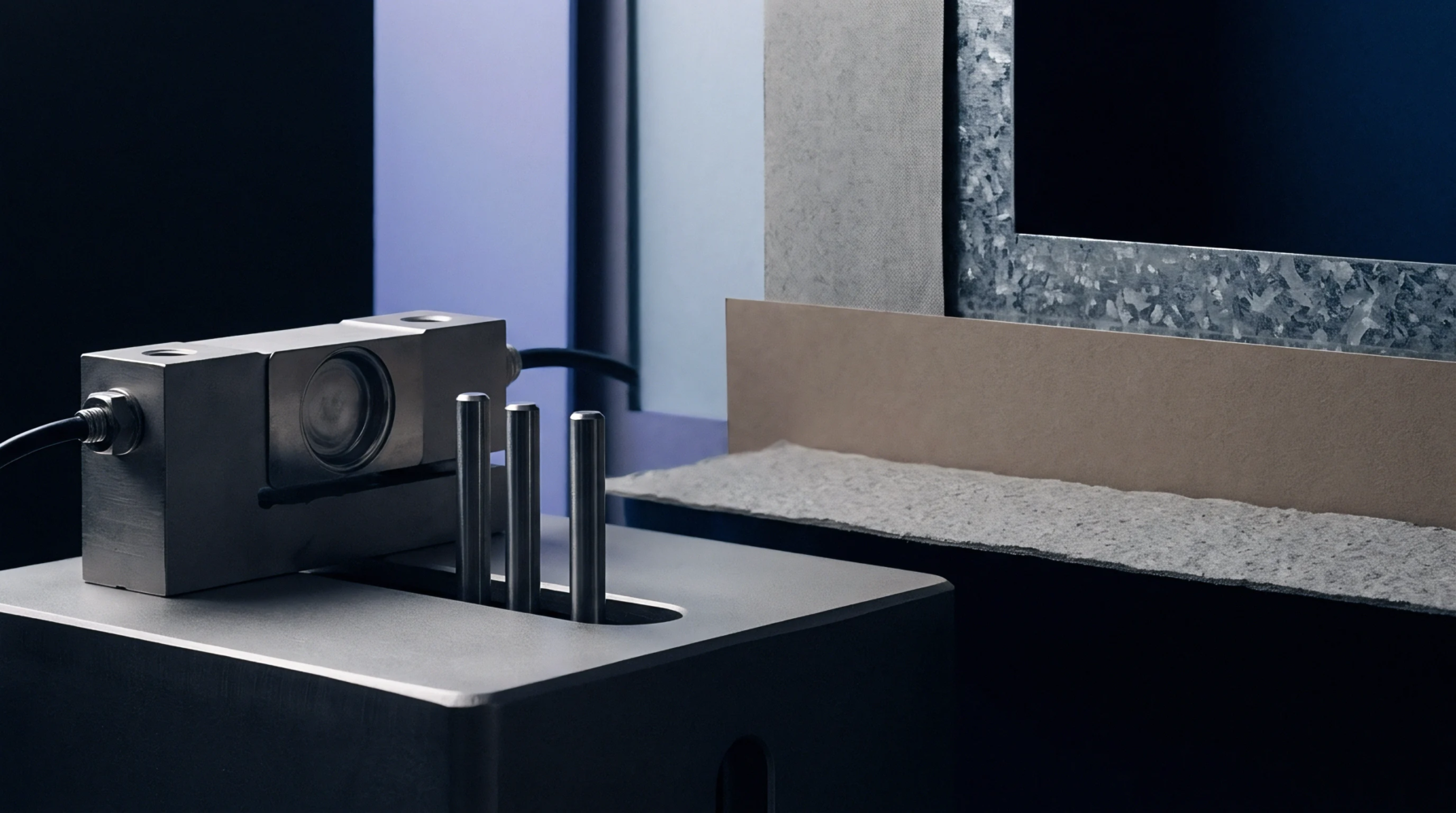
Surface burnishing under sled shear converts diffuse reflectance to specular gloss through silica displacement, controlled by matrix crosslinking and particle size.
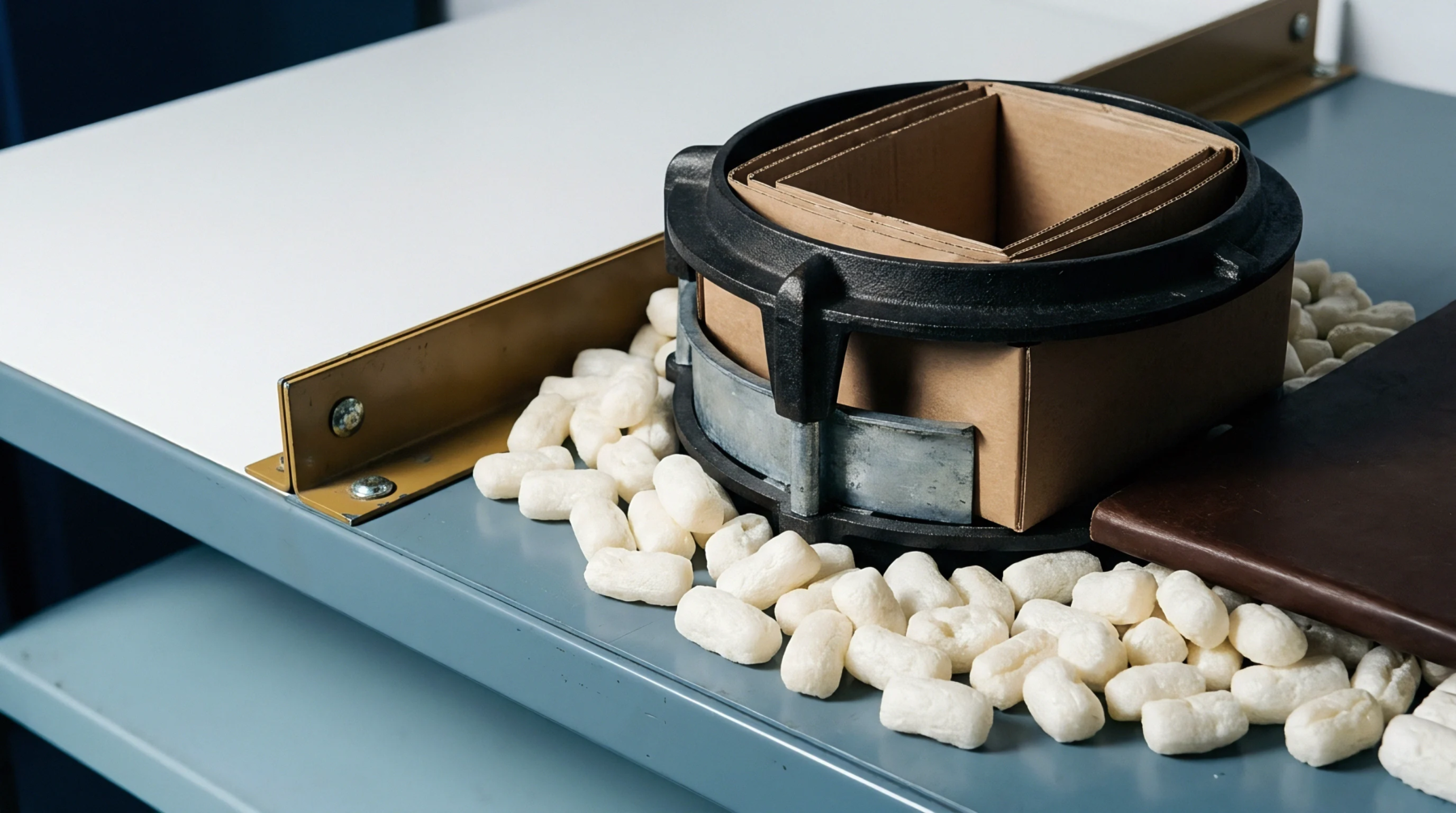
Predicting dynamic Z-direction fiber compression requires balancing dwell time, thermal diffusivity, and lignin glass transition to maximize permanent set.
Expertise is a utility, not a secret. sentiention™ publishes its working knowledge as open reference: intelligence layer covering the materials it sources, the markets it enters, and the reference that serves both.