Directional Strain
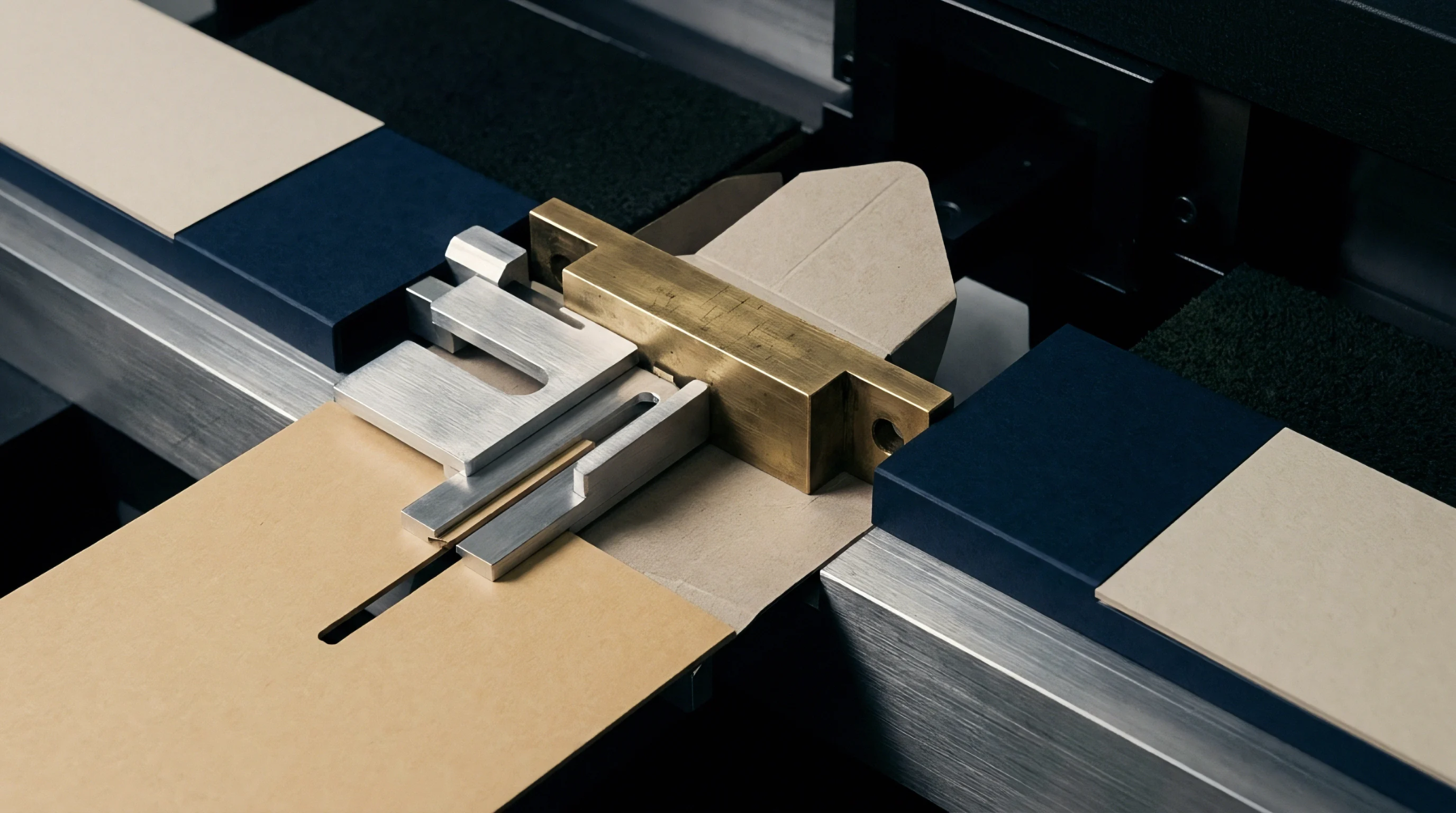
Normal mechanical force applied perpendicular to the plane of a paperboard sheet measures the resistance of internal fiber structures to crushing along the z-axis. During converting operations, out-of-plane compression evaluates how multi-ply boards withstand heavy nip pressures in printing presses and calender stacks. Fiber orientation predominantly aligns parallel to the x-y sheet plane, making the thickness direction significantly weaker than in-plane directions.
Compressive stress compresses air voids and collapses hollow wood fiber lumens.
Delamination Failure
Compressive strain forcing middle plies to collapse causes permanent structural modification long before complete crushing occurs. Under excessive out-of-plane compression, fiber wall buckling and inter-fiber bond breakage impair the bending stiffness of finished board. Multi-ply containerboards made from recycled fibers demonstrate lower elastic recovery than virgin pulp sheets due to shortened fiber lengths.
Measuring stress-strain curves in the z-axis allows packaging designers to predict caliper reduction during high-pressure converting steps like embossing or foil stamping. Excessive deformation weakens the structural column strength of folded cartons under stacking loads.
Nip Deformation
High platen pressures in converting operations reduce overall sheet bulk and alter surface porosity. Controlling out-of-plane compression during web processing maintains required insulation properties and bending stiffness in corrugated packaging materials. Uncontrolled compression leads to severe loss of box stacking strength.