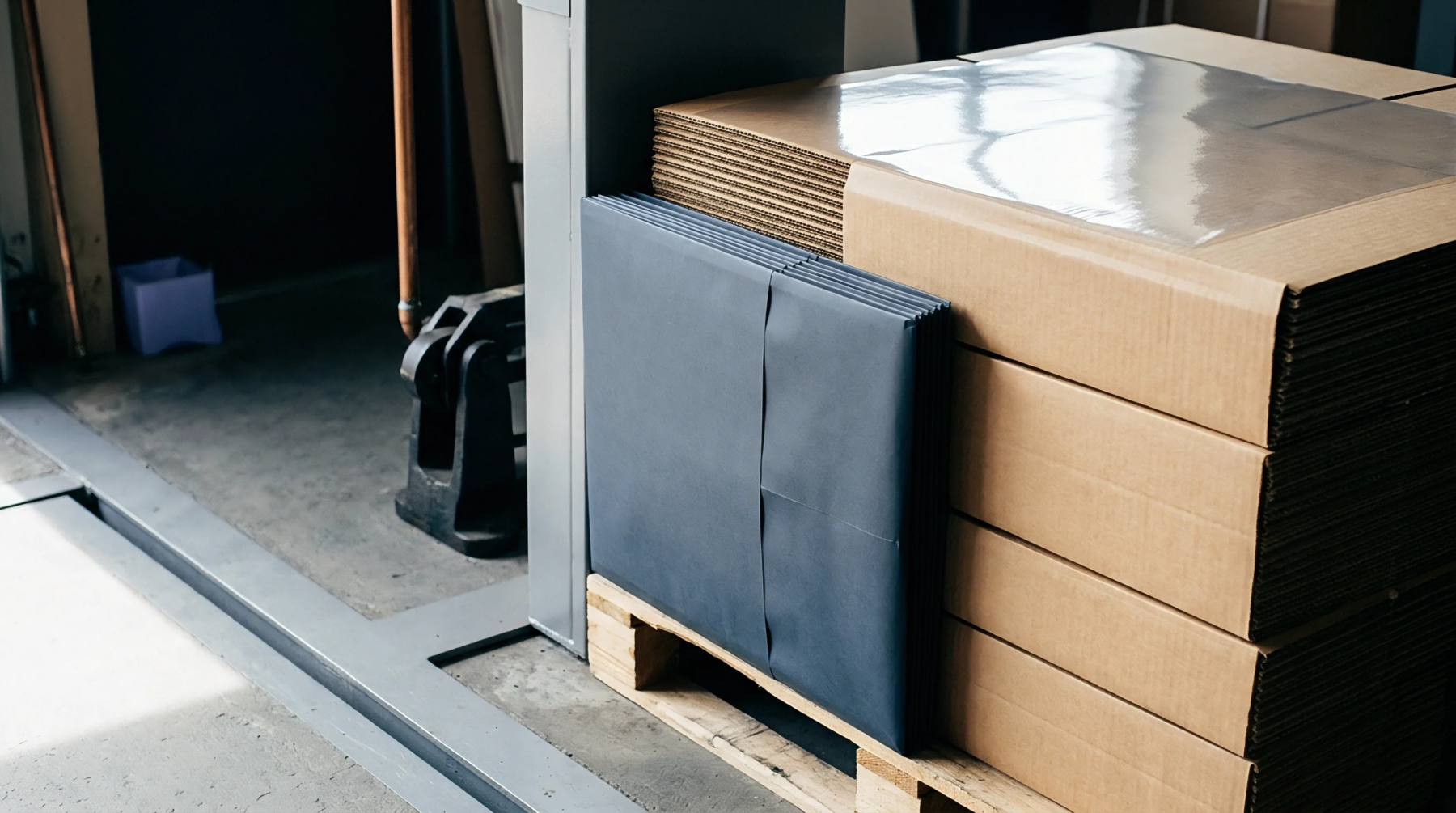
Vertical Load Capacity
Vertical resistance in shipping containers identifies the structural limit a fibreboard box sustains before buckling under sustained pressure. The static compression threshold defines the point where corrugated packaging material undergoes irreversible deformation during long term warehousing. Engineers determine this value by applying a constant force to an empty container in a controlled laboratory setting until structural failure occurs.
Constant pressure causes the fluting within the walls to weaken, reducing the protective capability of the box over time.
Stacking Stability
Vertical orientation demands that the force exerted by top loads stays below this calculated threshold to avoid inventory damage. Distribution managers analyze the ratio between the ultimate strength of the material and the weight of the intended pallet column. High humidity levels shift this limit downward by softening the cellulose fibers and reducing the stiffness of the box.
Calculations assume a uniform distribution of weight across the surface area of the lid.
Material Performance
Certification laboratories verify the integrity of the substrate by subjecting samples to sustained weights for extended intervals. Testing procedures account for creep, where the material deforms slowly under load even when the applied force remains beneath the initial collapse point. Designers adjust the fluting configuration or the basis weight of the linerboard to ensure the packaging maintains its shape under the weight of several weeks of storage.
Standardized protocols allow converters to predict the durability of a container based on the physical properties of the component sheets.