Recycled Fluting Compliance Verification in Packaging Procurement
Recycled fluting compliance requires valid chain of custody certificate codes on B2B invoices backed by accredited migration and repulpability test reports.


Origin
A claim of seventy percent post-consumer recycled fiber on a corrugated container invoice means nothing until the mill certificate number resolves in the scheme database. Traceability across complex supply chains relies on audited chain-of-custody tracking systems maintained by international forestry organizations. Packaging buyers sourcing recycled fluting must distinguish between physical material segregation and credit-based accounting models to ensure environmental claims withstand regulatory scrutiny.

Chain of Custody Scheme Rules for Recycled Fiber Claims
International certification frameworks establish distinct claim categories that govern how recycled material enters containerboard production. Forest Stewardship Council standards define FSC Recycled as material manufactured from one hundred percent reclaimed fiber, whereas FSC Mix permits the blending of virgin material, controlled wood, and reclaimed inputs. Programme for the Endorsement of Forest Certification standards apply similar structural divisions under PEFC Recycled and PEFC Certified declarations.
Every mill supplying corrugated fluting maintains a valid chain-of-custody scope certificate that explicit lists fluting, Wellenstoff, or containerboard within its product groups.
The invoice carries the claim code. Uncertified paper voids the claim. When an intermediary converter purchases certified roll stock but lacks a valid chain-of-custody certificate, the unbroken tracking chain stops immediately at the converting plant gate.
Consequently, the finished corrugated box cannot carry an official certification logo or valid B2B claim statement on the shipping document.

Transfer Percentage and Credit System Accounting Mechanics
Paper mills utilize three primary chain-of-custody control systems to track recycled content through raw material processing. The transfer system applies directly to physical batches where all output shares the exact input percentage of reclaimed fiber. High-speed paper machines running continuous post-consumer waste streams rely on either percentage or credit accounting methods to reconcile volume balances over defined monitoring periods.
Under the percentage system, the percentage of certified content printed on the delivery note reflects the actual proportion of reclaimed fiber introduced into the pulper during a specified batch run or maximum rolling period of three months. Under the credit system, input credits generated from verified recycled pulp enter a credit account. The mill draws from this account to sell a portion of its output as one hundred percent certified material, while the remaining volume leaves the mill without certification claims.
The transfer system tracks volume.
| Accounting System | Physical Fiber Separation | Accounting Period Limit | Minimum Threshold Requirement | Invoice Claim Format |
|---|---|---|---|---|
| Transfer System | Strict batch separation required | Single production run | Equal to lowest input percentage | FSC Recycled 100% or FSC Mix Percentage |
| Percentage System | Physical mixing permitted | Maximum 3 months | No minimum for claim, 70% for logo | FSC Mix Percentage (e.g. FSC Mix 75%) |
| Credit System | Physical mixing permitted | Maximum 24 months for credit draw | 100% credit ratio per output unit | FSC Mix Credit or FSC Recycled Credit |
| Data compiled from FSC-STD-40-004 V3-1 and PEFC ST 2002:2020 normative chain of custody standards. | ||||
Discrepancies in volume reconciliation audits frequently occur when mills over-allocate credits across multiple mill sites. Chain-of-custody governance rules prohibit transferring credits between legal entities without physical pulp transfers. Buyers auditing mill compliance must verify that credit claims match physical roll shipments dispatched from specified mill locations.
Clause 4.2 of the master supply agreement specifies that any shipment lacking a valid chain-of-custody claim code on the line-item delivery note converts the financial settlement to an uncertified substrate grade with a thirty percent price penalty.

Fibre
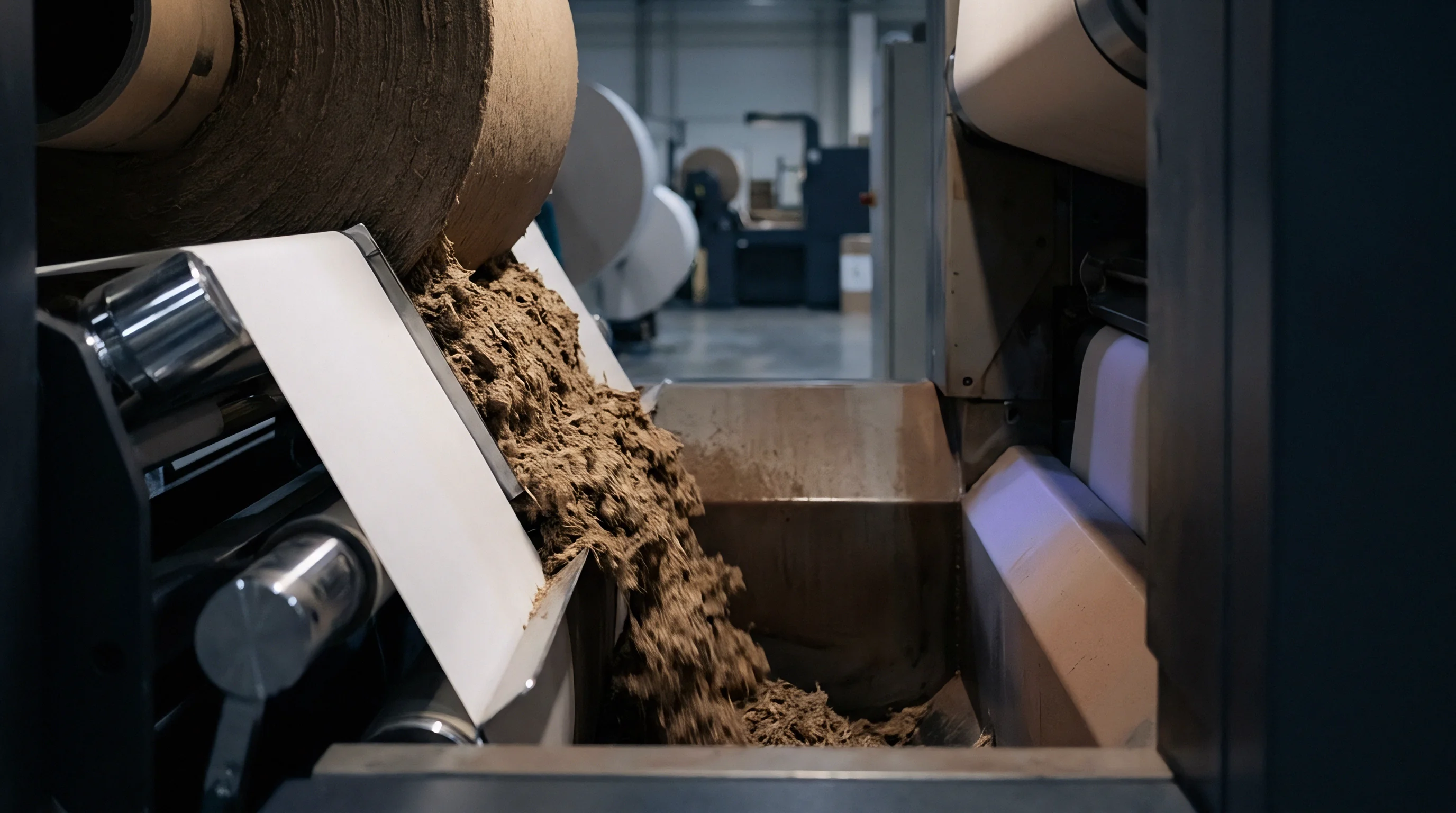
Paper recycling processes break hydrogen bonds and shorten cellulose strands, reducing the structural stiffness of Wellenstoff and recycled fluting grades. Primary virgin kraftliner relies on long softwood fibers to build high initial tensile strength. Recycled containerboard incorporates mixed post-consumer paper streams containing short hardwood strands, mechanical pulp, and repeated repulping debris.
Mechanical properties degrade progressively as fiber pass count increases across successive recycling loops.

Mechanical Performance Metrics for Recycled Fluting Grades
Fluting medium functions as the internal arch structure in corrugated board, absorbing compression loads and maintaining structural separation between outer liners. Grammage selection determines the baseline mass per unit area, measured under standard conditions according to ISO 536. Recycled fluting grades typically operate in grammage bands from eighty grams per square meter up to one hundred structure-critical grams per square meter for heavy-duty packaging applications.
Short strands yield lower stiffness. Corrugating plants evaluate fluting medium using specialized mechanical bench tests to predict box compression performance on automated packing lines. Short Span Compression Test values measured under ISO 9825 evaluate edge load bearing capacity in the machine direction and cross direction.
Concora Medium Test measurements recorded under ISO 7263 quantify the flat crush resistance of laboratory-fluted paper strips after standardized laboratory corrugation.
At twenty-three degrees Celsius and fifty percent relative humidity, recycled fluting of one hundred forty grams per square meter yields a short span compression value of two point two kilonewtons per meter.

Concora Medium Test and Short Span Compression Strength Verification
Laboratory evaluation of recycled fluting performance requires strict control of environmental conditioning variables. Paper absorbs ambient moisture rapidly, causing cellulose structures to relax and strength figures to drop. Test specimens undergo conditioning for twenty-four hours under ISO 187 standard atmosphere setting atmospheric conditions to twenty-three degrees Celsius and fifty percent relative humidity.
To evaluate a typical substitution scenario, assume a converting plant replaces a 120 gsm semi-chemical virgin kraft fluting with a 140 gsm Wellenstoff recycled medium. Laboratory testing under ISO 9825 reveals that the 120 gsm virgin fluting achieves a cross-direction short span compression strength of 2.35 kilonewtons per meter. The 140 gsm recycled fluting delivers a cross-direction short span compression strength of 2.20 kilonewtons per meter, despite carrying a sixteen percent higher physical mass.
The structural deficit stems directly from shortened fiber lengths and higher ash content present in reclaimed pulp streams.
- Cut ten test strips measuring fifteen millimeters wide and one hundred fifty millimeters long in the machine cross direction.
- Place the strips in the ISO 187 conditioning room maintained at twenty-three degrees Celsius and fifty percent relative humidity for twenty-four hours.
- Insert each specimen into the lab fluter heated to one hundred seventy-six degrees Celsius to form standardized B-flute geometry.
- Transfer the fluted strip immediately into the Concora compression fixture within fifteen seconds of exiting the fluting rolls.
- Apply vertical crushing force at a constant rate until initial structural wall failure occurs, recording the peak force in newtons.
Damp paper crushes early. Moisture weakens the flute wall. Dry conditions mask internal stress.
Selecting a heavier grammage of recycled medium offsets the strength loss caused by degraded cellulose strands during repeat repulping.


Purity
Chemical contaminants concentrated during wastepaper collection introduce migration hazards when corrugated packaging contacts dry, fatty, or liquid foodstuffs. Post-consumer waste fractions contain residual printing inks, adhesives, cleaning compounds, and industrial coatings. Solvent extraction and deinking steps during pulp processing reduce these chemical loads, but non-intentionally added substances remain within recycled fiber matrices.

Migration Limits and Cold Water Extract Testing Protocols
Compliance verification for food contact materials manufactured from recycled paper relies on European Regulation EC 1935/2004 framework standards alongside specialized regional recommendations. The German Federal Institute for Risk Assessment provides widely applied benchmarks under BfR Recommendation XXXVI for paper and board intended for food contact. Testing protocols evaluate chemical transfer using specific food simulants, direct extraction procedures, and gas chromatography analytical screening.
Direct contact changes chemical risk. Standard compliance protocols specify cold water extraction according to EN 645 to measure water-soluble transferables, including formaldehyde, heavy metals, and fluorinated compounds. Hot water extraction under EN 647 applies to packaging intended for high-temperature filling or boiling applications.
Compliance with Council of Europe Resolution AP 2002 1 for paper and board requires mineral oil aromatic hydrocarbon migration into food simulants to remain below detection limits.

Mineral Oil Hydrocarbons and Heavy Metal Screening
Mineral oil saturated hydrocarbons and mineral oil aromatic hydrocarbons represent primary chemical contamination hazards in recycled fluting grades. Offset printing inks applied to newspapers and commercial printing contain mineral oil fractions that survive standard repulping operations. Mineral oil aromatic hydrocarbon fractions containing three to seven aromatic rings pose potential carcinogenic risks, requiring strict containment or barrier isolation.
| Chemical Parameter | Test Method Standard | Analytical Technique | Compliance Threshold Limit |
|---|---|---|---|
| Mineral Oil Saturated Hydrocarbons (MOSH) | EN 16995 / BfR XXXVI | Online HPLC-GC-FID | Max 2.0 mg/kg in dry foodstuff |
| Mineral Oil Aromatic Hydrocarbons (MOAH) | EN 16995 / BfR XXXVI | Online HPLC-GC-FID | Below detection limit (0.5 mg/kg) |
| Extractable Heavy Metals (Pb, Cd, Cr, Hg) | EN 645 / EN ISO 17294-2 | ICP-MS | Pb <0.003 mg/L, Cd <0.002 mg/L |
| Formaldehyde Content | EN 1541 | Photometric / HPLC | Max 1.0 mg/dm² on paper surface |
| Per- and Polyfluoroalkyl Substances (PFAS) | CEN/TS 17653 / LC-MS | LC-MS/MS | Total organic fluorine below 50 mg/kg |
Analytical laboratories screen for heavy metal concentrations using inductively coupled plasma mass spectrometry following cold water extraction. Directive 94/62/EC mandates that the sum of lead, cadmium, mercury, and hexavalent chromium concentrations in finished packaging must not exceed one hundred milligrams per kilogram. Solvents extract mineral oils.
Hydrocarbon molecules migrate through gas-phase headspace onto dry food products when internal functional barriers are absent.
Mill certificate verification dossier files must document chemical purity metrics using current accredited test reports. Packaging buyers must avoid relying on general declarations of conformity that lack specific analytical test data for the exact paper grade supplied.
- Uncertified wastepaper streams introduce high concentrations of mineral oil aromatic hydrocarbons from industrial commercial printing inks.
- Polyfluoroalkyl substance additions applied as grease barriers prevent repulping water clarification and contaminate closed-loop mill water systems.
- Residual bisphenol compounds originating from thermal paper receipts pass through standard wastewater clarification systems into finished fluting reels.
- Volatile organic compounds trapped in high-density recycled roll stock generate off-gassing odors that taint sensitive food products.
Failure to verify chemical migration profiles before placing recycled packaging in food contact triggers product recalls and mandatory border seizures by national health authorities.


Dock
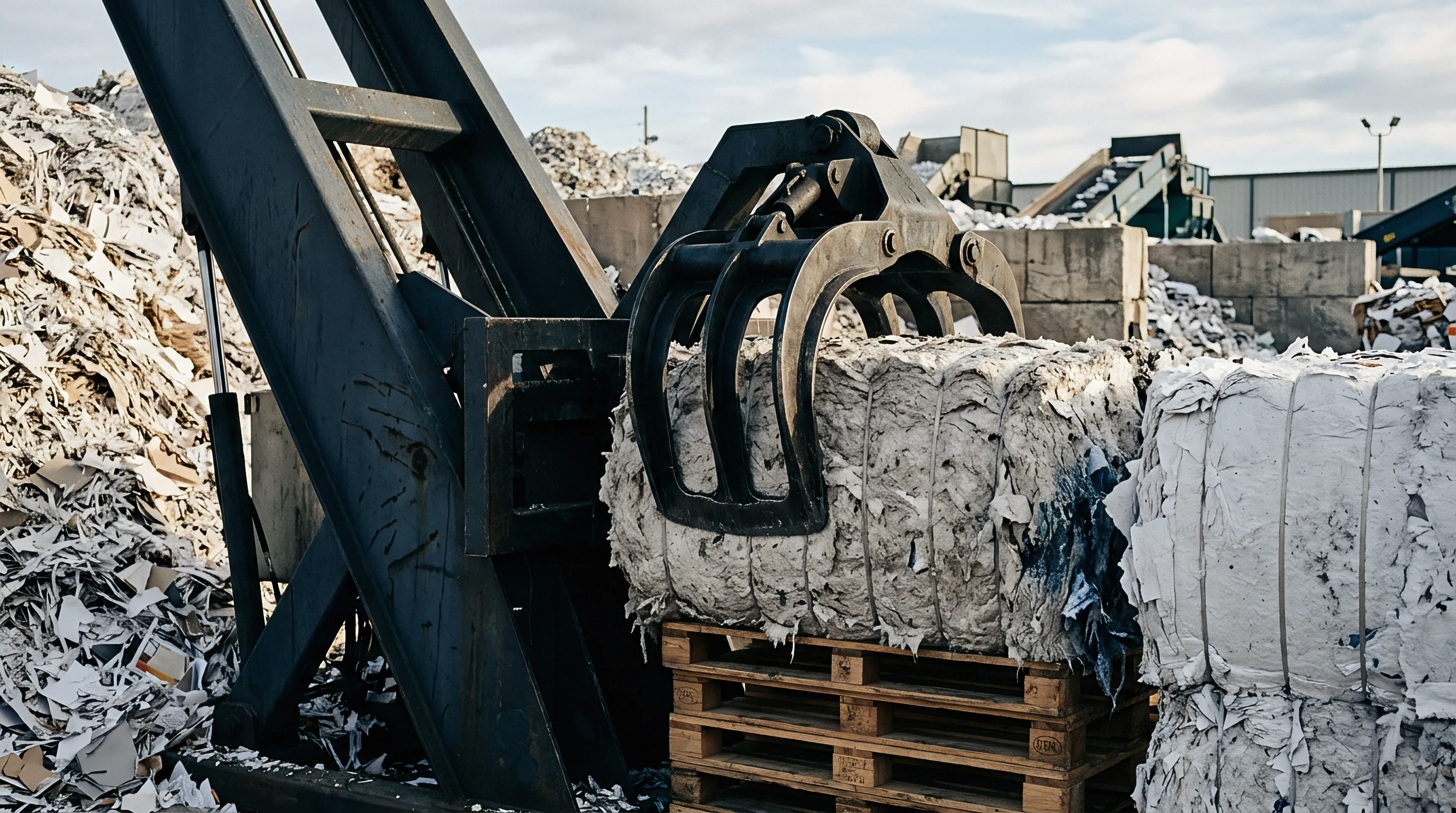
Receiving inspection procedures for incoming roll stock verify physical mass, moisture content, and document parameters before materials enter production lines. Containerboard mills dispatch paper rolls marked with unique reel identifiers, grammage designations, and core diameter specifications. Quality assurance teams operating at receiving facilities perform systematic sampling to confirm batch consistency against technical purchasing specifications.
Goods Receiving Sampling and Physical Property Inspection
Accurate verification requires representative sampling protocols that prevent biased physical measurement results. ISO 186 defines mandatory roll sampling procedures, specifying that sample sheets must be taken at least three outer layer turns beneath the protective outer reel wrapping to avoid damaged or moisture-compromised paper. Sample specimens taken across the full machine width allow technicians to identify cross-direction grammage variation.
Grammage verification proceeds according to ISO 536 using calibrated precision balances and template cutters. Moisture content evaluation relies on oven-drying methods specified under ISO 287 or calibrated radio-frequency moisture meters verified against gravimetric standards. Excess moisture content weakens structural fluting profiles, while extremely dry paper cracks along flute crowns during high-speed corrugation.
Tolerances expire at customs. Paper buyers pay for missing files. Quality teams follow a systematic physical sequence during incoming roll inspection.
- Inspect the external reel packaging for mechanical impact marks, water penetration signs, or split roll headers.
- Verify that the reel label details match the delivery note, purchase order number, and mill certificate of analysis.
- Strip away the outer protective wrapping and discard the top three turns of paper stock from the circumference.
- Cut five square test specimens measuring one hundred square centimeters across the full roll width using a calibrated die cutter.
- Weigh each specimen on an analytical balance reading to three decimal places to calculate actual grammage in grams per square meter.
- Measure moisture content across three points along the reel face using a calibrated moisture meter.

What Verification Evidence Belongs in the Receipt File?
A complete receiving verification record links physical delivery metrics to commercial compliance documentation. Quality controllers archive incoming inspection reports alongside corresponding mill test certificates to build an unbroken quality audit trail. When physical test results fall outside specification tolerances, the receiving file provides the technical basis for formal commercial claim filings against the paper mill.
Suppliers frequently state that roll-to-roll moisture variations remain within standard paper mill tolerances due to atmospheric exposure during transit.


Waste
Packaging compliance frameworks under the European Packaging and Packaging Waste Regulation establish strict recyclability thresholds and mandatory eco-design criteria. All packaging components placed on the market must undergo formal design-for-recycling assessment protocols to determine suitability for conventional waste processing streams. Eco-fee modulation structures adjust producer responsibility financial contributions based on verified recyclability performance tiers.

Recyclability Grading and Recycled Content Verification under PPWR
The European Packaging and Packaging Waste Regulation classifies packaging performance into recyclability performance grades based on material yield and processing compatibility. Packaging achieving recyclability scores below seventy percent by weight is classified as non-recyclable, triggering financial penalties or market restriction mechanisms. Recycled fluting grades must demonstrate high repulpability rates without releasing non-recyclable residues that disrupt industrial papermaking operations.
Repulpability drives fee modulation. Eco-design rules require corrugated packaging to separate easily into individual fiber suspensions during standard hydro-pulper processing cycles. High concentrations of water-resistant wet-strength resins, synthetic adhesives, or plastic laminates reduce processing efficiency and lower the overall recyclability score.
Excessive water-resistant sizing agents applied during paper production inhibit fibre separation during industrial repulping operations.

CEPI Laboratory Test Methods and Disintegration Standards
Laboratory assessment of paper recyclability relies on standardized disintegrator protocols developed by European paper industry associations. The Confederation of European Paper Industries Recyclability Test Method Version 2 evaluates fiber disintegration, coarse reject levels, fine reject levels, and sheet formation quality of repulped material. Testing laboratories simulate industrial pulping conditions using temperature-controlled water agitation followed by screen filtration.
| Test Evaluation Parameter | Measurement Unit | Standard Testing Method | Target Compliance Threshold |
|---|---|---|---|
| Coarse Reject Fraction (Screening) | Percentage of dry mass | CEPI v2 / PTS-RH 021/97 | Less than 1.5% retained on 150 µm screen |
| Fine Reject Fraction (Flotation) | Percentage of dry mass | CEPI v2 Method | Less than 3.0% total fine rejects |
| Fiber Disintegration Rate | Percentage disintegrated | EN ISO 5263 disintegrator | Greater than 95% total fiber recovery |
| Visual Optical Flakes / Adhesive Residues | Flake area per square meter | Image Analysis Screening | Zero sticky visual macro-contaminants |
Under the CEPI Version 2 protocol, ten grams of dry fluting sample undergo disintegration in two liters of water at forty degrees Celsius for ten thousand revolutions in a standard disintegrator. The resulting pulp slurry passes through a Somerville fractionator fitted with a one hundred fifty micrometer slotted screen. Rejects retained on the screen represent non-repulpable fractions that reduce the final recyclability grading score.
- Certificate of origin documents verify the physical mill source location and chain-of-custody transfer mechanism for every delivered reel.
- Analytical laboratory test reports detail cold water extract chemical screening results and mineral oil hydrocarbon migration levels.
- Repulpability assessment certificates confirm design-for-recycling compliance according to CEPI Version 2 laboratory test protocols.
- Mill certificates of analysis document batch-specific short span compression strength, Concora medium test values, and moisture levels.
- Commercial invoice claim statements display official chain-of-custody registration numbers and percentage declarations.
It remains uncertain how regulatory authorities will reconcile national variations in laboratory repulpability test methodologies when enforcing uniform eco-design fee modulations across cross-border supply chains.


Ledger
Audit preparation for packaging procurement requires maintaining complete records that link mill certifiers, converting plants, and delivered finished goods. Customs authorities, environmental protection agencies, and brand owners conduct periodic compliance verification checks to validate environmental packaging claims. Procurement teams must organize supporting evidence into structured compliance dossier files capable of surviving rigorous regulatory scrutiny.

Constructing a Border-Defensible Compliance File
A border-defensible compliance dossier organizes administrative, physical, and chemical verification evidence under systematic document controls. The file establishes an unbroken evidentiary chain from raw post-consumer waste input tracking through to final converted box delivery notes. Missing test reports or expired chain-of-custody certificates expose importing entities to administrative fines, customs detention, and mandatory packaging relabeling costs.
Audit gaps trigger customs delays. Delamination breaks structural strength. Modern trade enforcement relies on cross-referencing invoice declarations against public certification database records.
Procurement teams must re-verify supplier certificate status annually to ensure chain-of-custody credentials remain active throughout multi-year supply contracts.
A mill certificate lacking the specific roll batch number provides no legal defense during a customs audit.

Invoice Declarations and Risk Allocation Clauses
Commercial contracts governing containerboard procurement must explicitly define legal liabilities for non-compliant recycled content claims. Invoices and shipping documents must contain full certification claim strings, including the supplier’s unique certificate code and specific product claim statement. Master supply agreements enforce these requirements through explicit allocation of financial liability for administrative sanctions resulting from incorrect material claims.
- Scope certificate gaps occur when a paper mill holds valid chain-of-custody certification but omits recycled fluting from its certified product scope schedule.
- Expired registration numbers appearing on B2B delivery notes invalidate environmental claims for all shipments dispatched after the expiration date.
- Mismatched credit allocations arise when suppliers assign credit claims exceeding the physical volume of reclaimed pulp processed during the accounting window.
- Unaccredited test reports issued by internal mill laboratories without ISO 17025 accreditation fail to satisfy border authority chemical compliance verifications.
Effective procurement controls incorporate specific risk allocation language directly into purchasing contracts. Standard contract clauses require suppliers to indemnify buyers against all regulatory fines, legal costs, and commercial losses arising from unsupported recycled content declarations or failed chemical migration tests. Master agreements specify that suppliers must provide updated laboratory test reports within ten business days of any material change in pulp raw material sourcing or mill chemical processing additive formulas.