Physical Composition
Cellulose fibres derived from recovered paper scrap provide the structural foundation for this medium. Recycled fluting functions as the undulating layer within corrugated boards, absorbing compression forces and maintaining the spacing between liners. Manufacturers produce this material by pulping discarded boxes and secondary paper products, then refining the slurry to achieve specific crush resistance levels.
Consistency in fibre length and drainage rates determines the strength of the final sheet during the corrugation process.
Production Mechanics
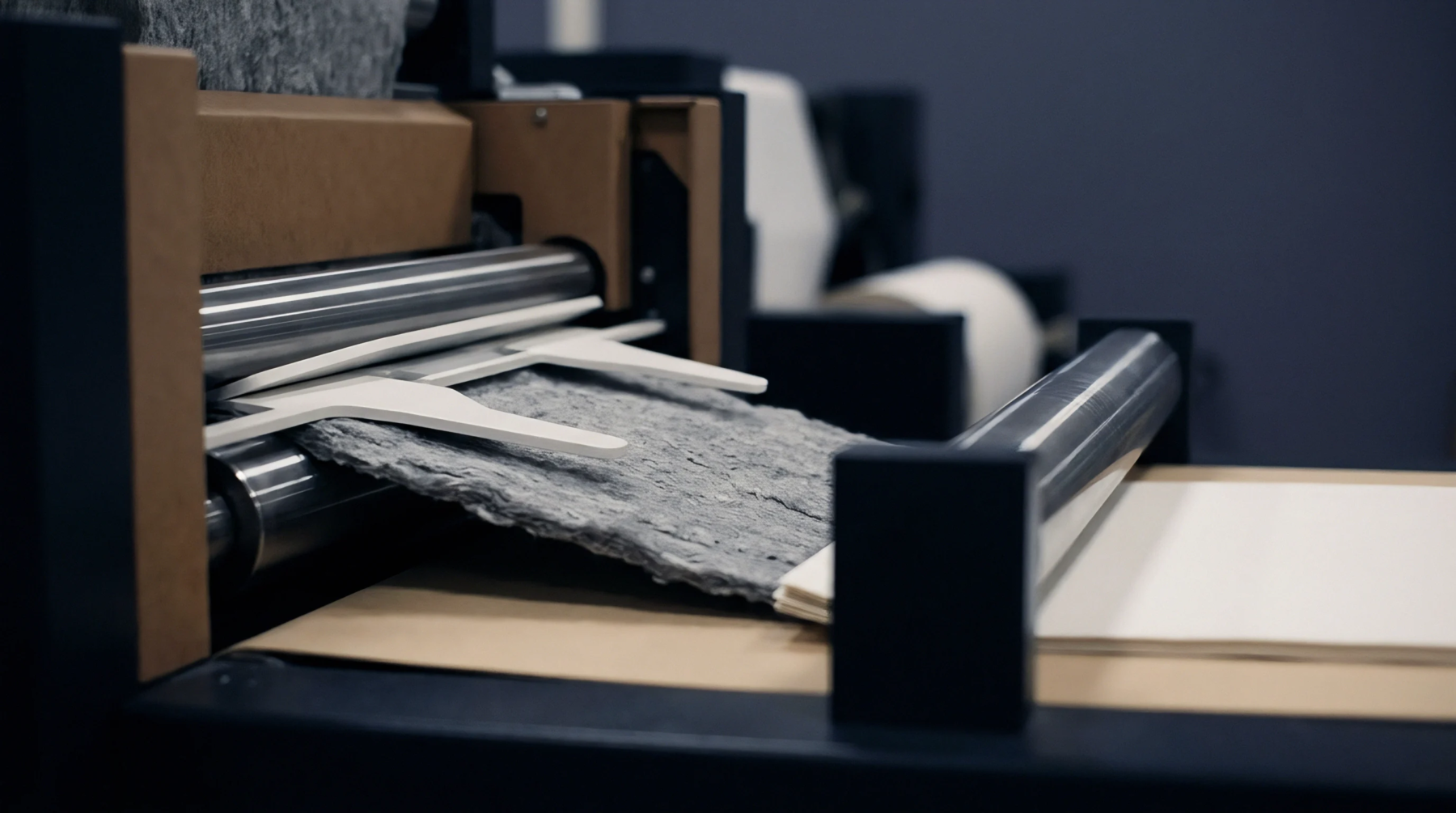
Specialized paper machines align the processed fibres to optimize directional stiffness under vertical loads. Recycled fluting requires strict moisture control to ensure proper adhesion to the inner and outer liners of a container. Variations in the moisture content alter the geometric stability of the arches, which directly influences the load bearing capacity of finished packages.
Mills adjust the refining energy to compensate for the shortened fibre length inherent in recycled batches. This calibration sustains the stacking performance needed for modern logistics.
Compliance Metrics
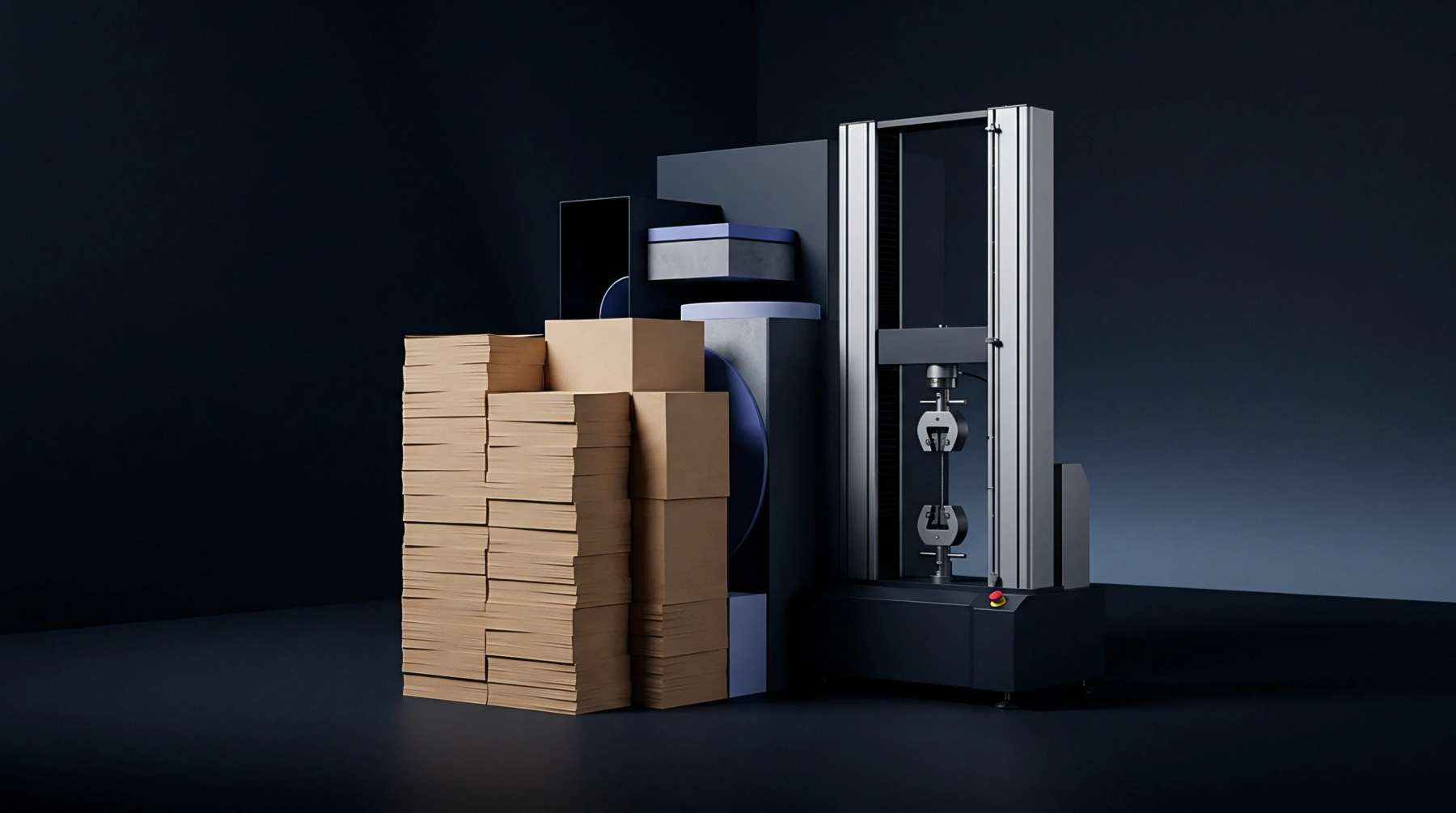
Standard test procedures evaluate the flat crush resistance of the finished corrugated structure to confirm structural adequacy. Recycled fluting meets rigid specifications regarding basis weight and water absorption, ensuring predictable results in high speed converting operations. Regulatory bodies often define the thresholds for recycled content to verify environmental claims, although the physical properties remain the primary focus for engineers.
Strength requirements dictate the chemical additives used to prevent fibre degradation through repeated processing cycles. Stable structural integrity during humidity changes proves the suitability of the material for long term storage applications.