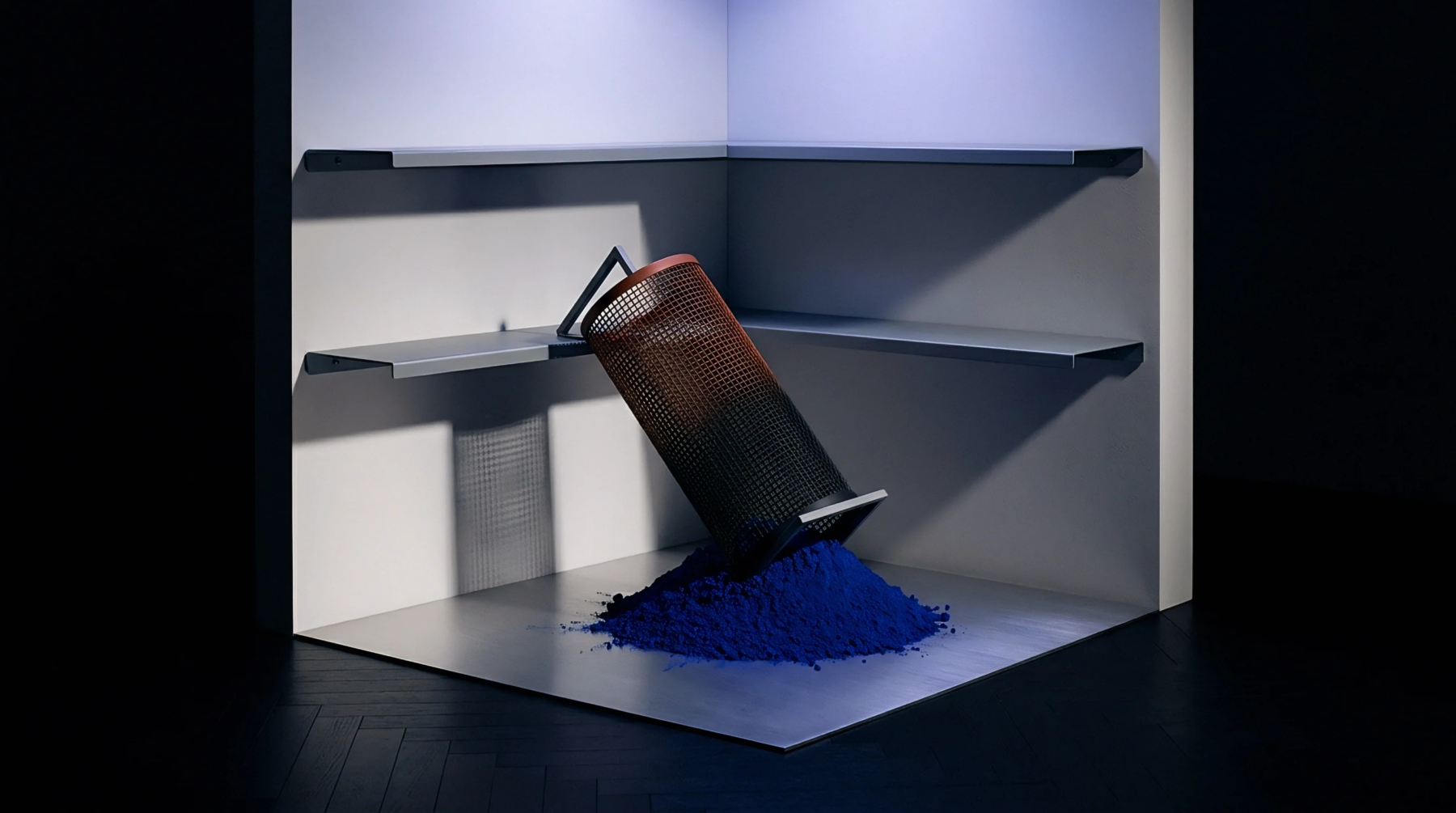
Z-Directional Density Gradient Modeling in High Impulse Multi-Ply Paperboard Dewatering
High impulse shoe pressing increases surface density and preserves bulk in multi-ply board, maximizing Taber stiffness while reducing grammage.
High impulse shoe pressing increases surface density and preserves bulk in multi-ply board, maximizing Taber stiffness while reducing grammage.
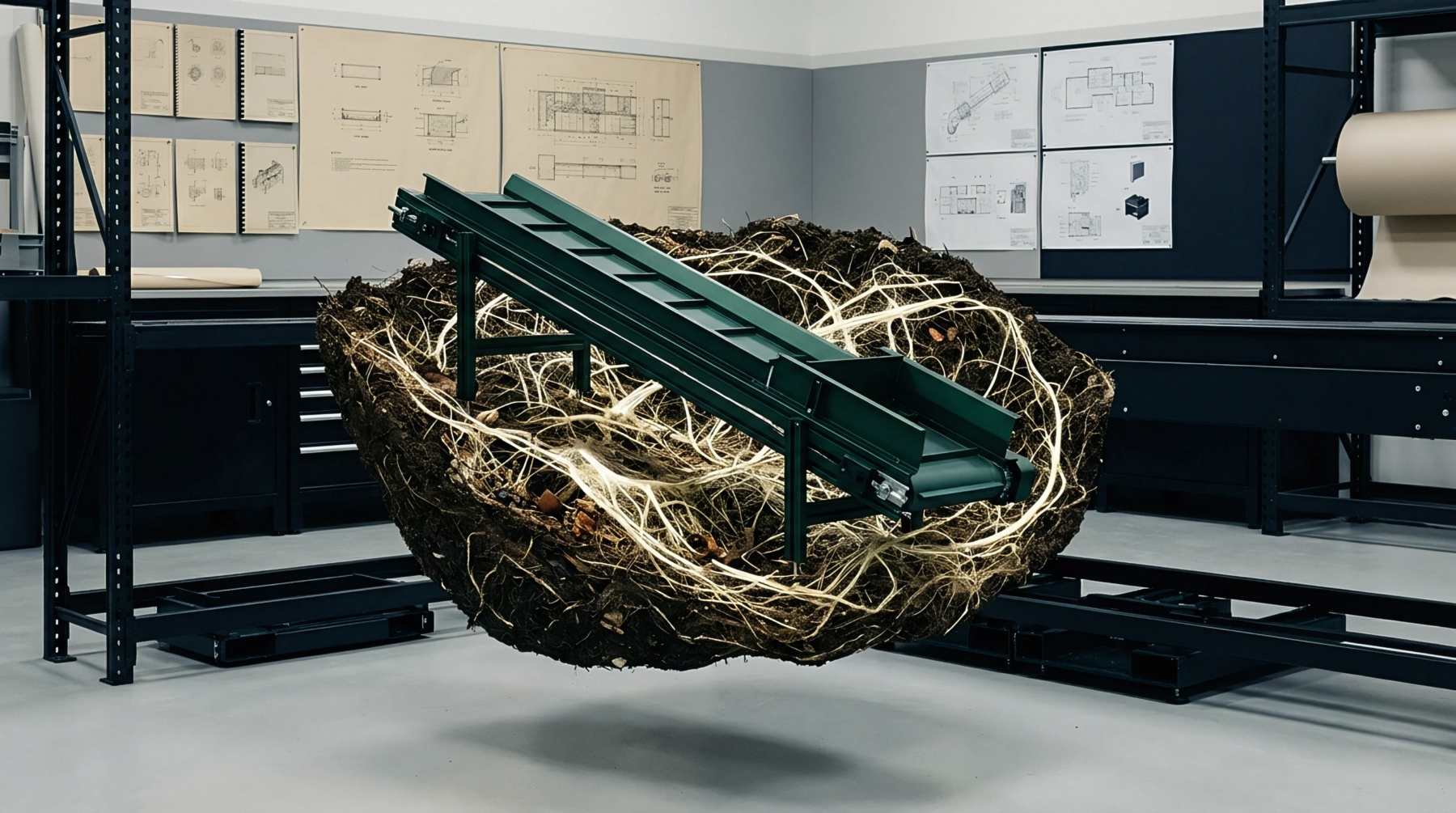
Fractionated stock preparation isolates long fibers for low-intensity refining, raising compression strength and enabling containerboard grammage reduction.
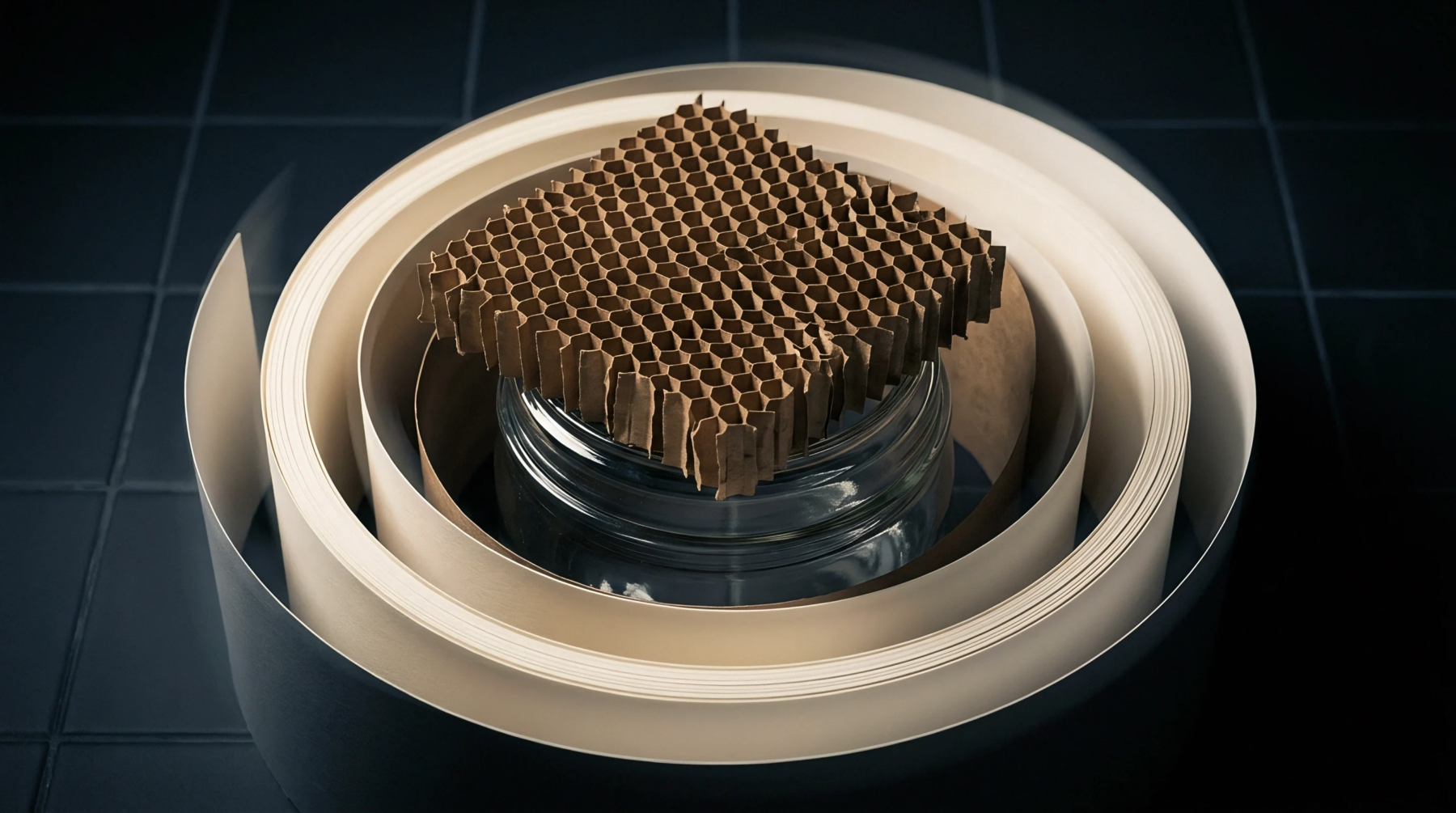
Middle ply CTMP bulk provides structural moment of inertia, while short-span compression bench testing quantifies network collapse risks under load.
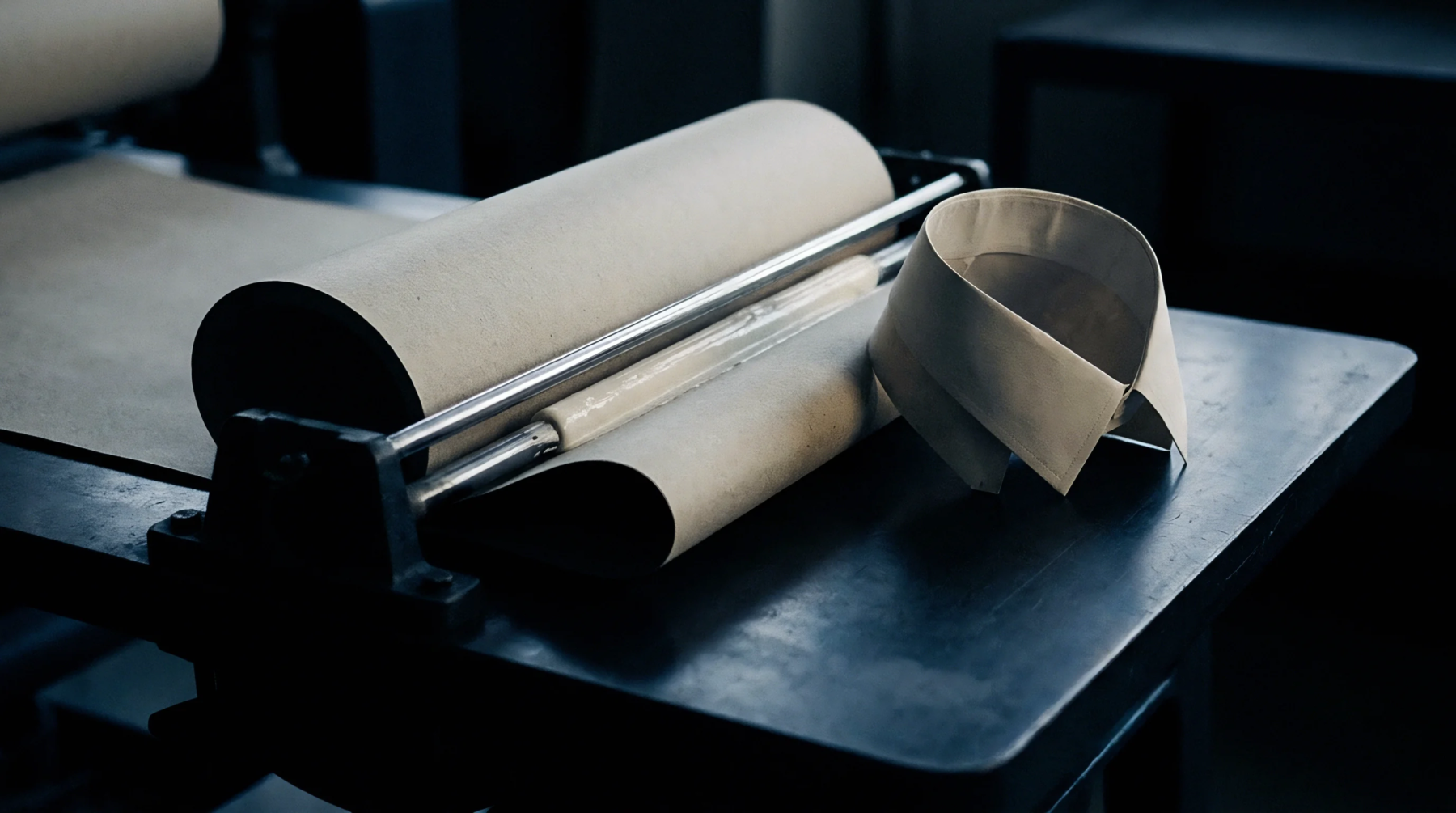
Swapping dense SBS for bulky FBB preserves bending stiffness through thickness retention while cutting material weight by fifteen to twenty percent per carton.
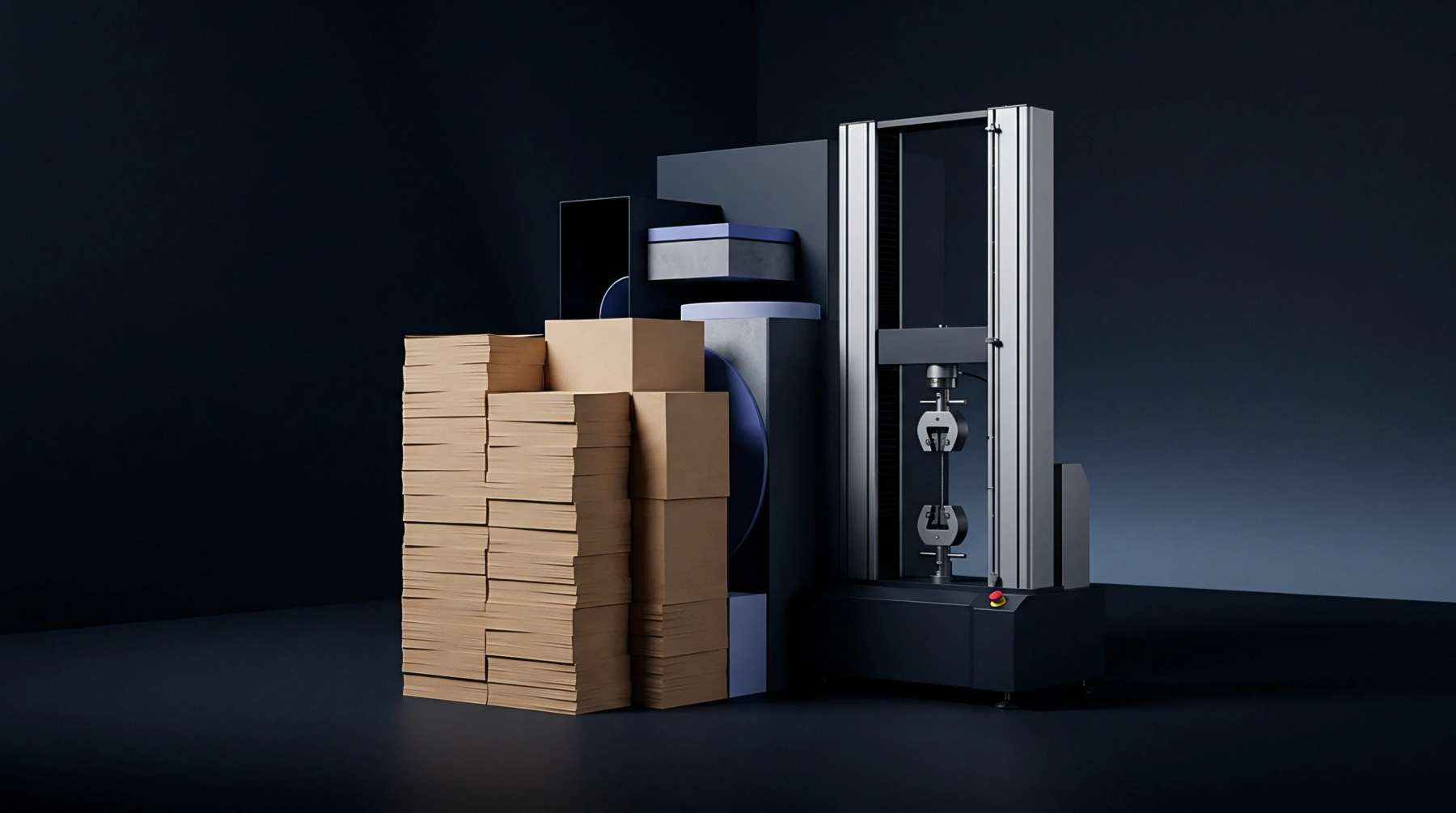
Unbundled containerboard energy surcharges require fixed baseline consumption caps and index hedging rules to prevent mill efficiency losses passing into board prices.

Optimizing folding boxboard stiffness requires balancing BCTMP core bulk with chemical pulp outer layers to maximize moment of inertia at target carton speeds.
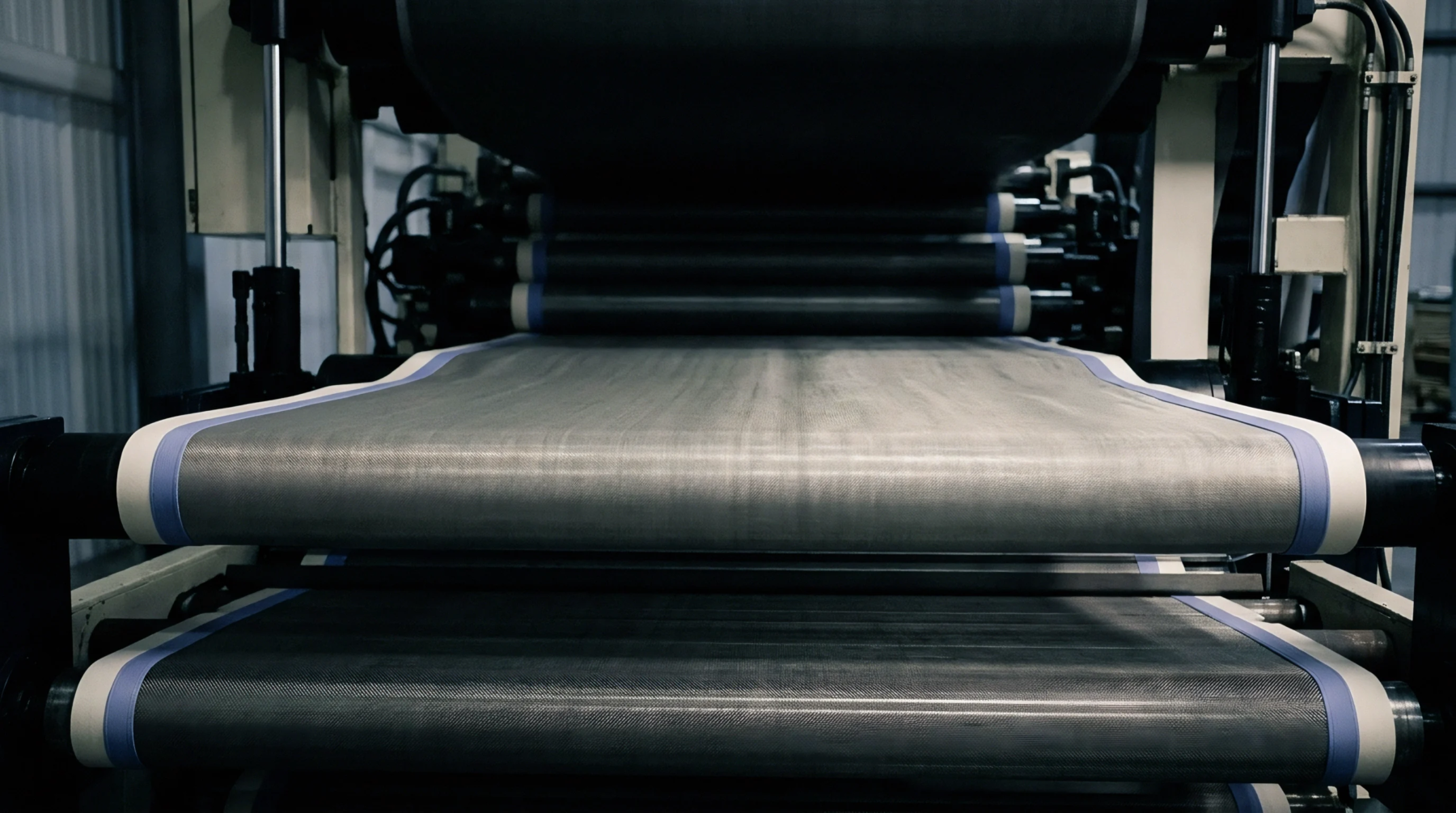
Moisture-gradient calendering plasticizes outer chemical skins while keeping mechanical cores dry, maximizing FBB bending stiffness and yield.
Expertise is a utility, not a secret. sentiention™ publishes its working knowledge as open reference: intelligence layer covering the materials it sources, the markets it enters, and the reference that serves both.