Dynamic Score Line Springback Behavior in High Speed Cartoning Lines
Dynamic score springback torque is governed by substrate furnish delamination capacity and high strain rate stress relaxation during microsecond rail folding.
Deformation
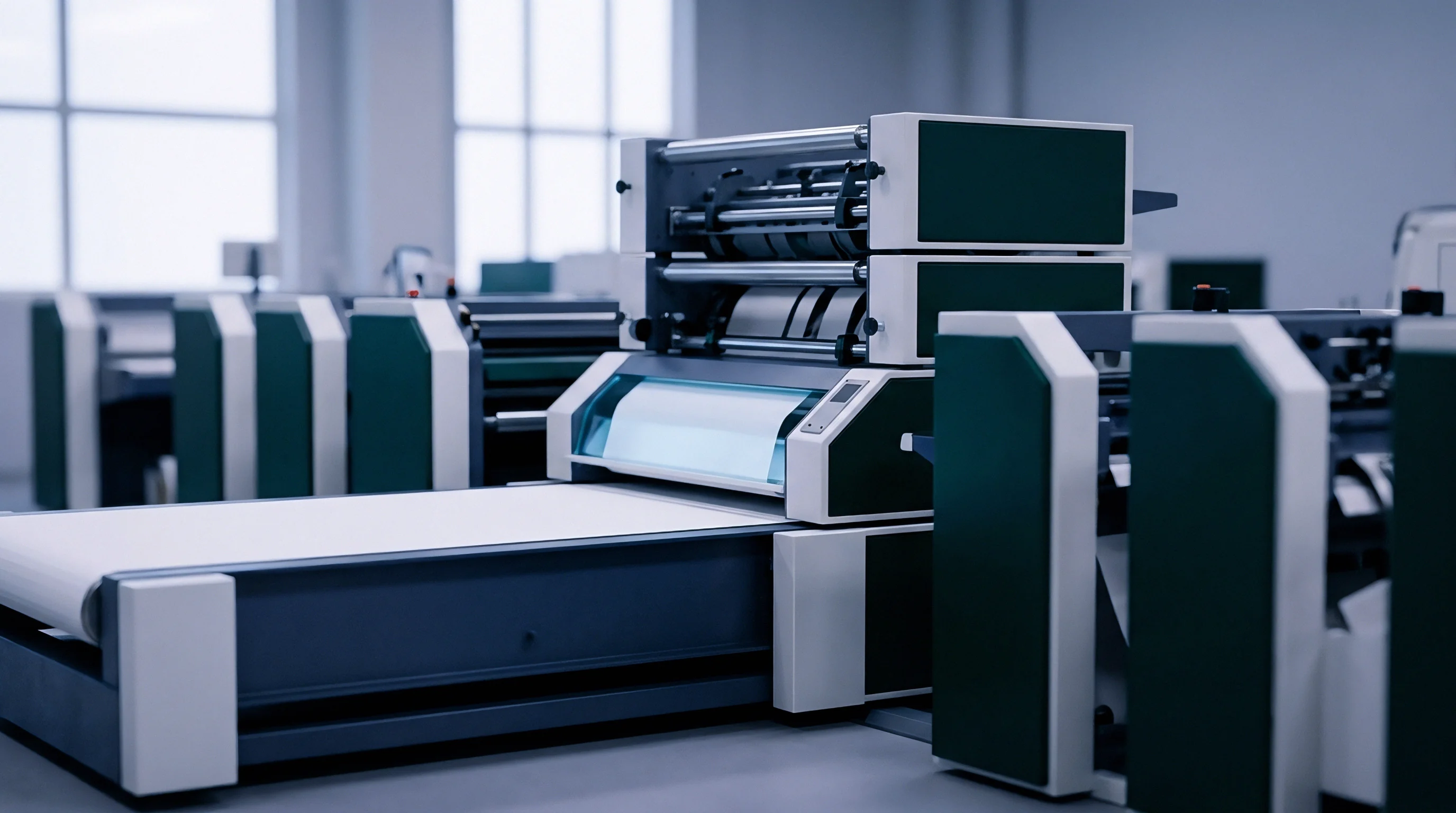
Fast cartoning lines erect flat blanks at speeds exceeding 400 units per minute, forcing score lines to bend through 90 or 180 degrees within 15 milliseconds. Mechanical stress during this rapid folding action alters internal paperboard geometry. When bending forces release, elastic strain stored inside unbroken cellulose networks induces dynamic springback.
This residual recovery torque distorts carton squaring, causes flap displacement, and induces high-speed transfer jams.
Viscoelastic Response at High Strain Rates
Paperboard exhibits time-dependent structural resistance during rapid folding operations. Static bench measurements performed at slow angular velocities fail to predict dynamic crease behavior on high-speed packaging lines. Cellulose fibers and hemicellulose matrices act viscoelastically, exhibiting increased stiffness under high deformation speeds.
High strain rates change board physics. Fibers resist rapid deformation. At strain rates exceeding 100 radians per second, the effective bending stiffness of an unscored sheet increases by 20 to 35 percent compared to standard TAPPI T 553 bench testing conditions.
Energy absorbed during crease formation converts partially into permanent plastic deformation and partially into stored elastic strain. The ratio between plastic work and elastic recovery determines the net springback angle. Dynamic score line springback behavior in high speed cartoning lines depends heavily on the rate of stress relaxation occurring inside the folded crease.
Polymer chains within the fiber walls require time to slip and re-establish hydrogen bonds under tension. When folding mechanisms release a carton panel before stress relaxation occurs, stored elastic energy drives the panel back toward its unbent position.
Internal Ply Delamination Mechanics
Controlled shear fractures between adjacent fiber layers inside the sheet structure govern effective creasing. Scoring tools compress the paperboard into a female matrix groove, deliberately breaking internal fiber-to-fiber bonds within the middle plies. Internal ply separation drops stiffness.
This localized delamination creates an internal hinge mechanism. The outer liner ply undergoes tensile stretching while the inner liner ply buckles inward into the delaminated central zone.
Inadequate male tool penetration depth leaves middle-ply fiber bonds intact. Unbroken fibers retain elastic memory. These intact structural elements act as miniature cantilever springs, storing elastic energy during panel erection.
When carton flaps traverse unconstrained transfer zones between tucking rails and glue compression belts, intact middle plies push the carton panels outward. Over-creasing fractures outer liner fibers. Rupturing the outer liner destroys appearance, degrades print fidelity, and reduces overall carton compression strength by up to 40 percent under top-load testing standard ISO 12048.
ISO 2493-2 testing shows dynamic crease stiffness drops 35 percent when score depth reaches 60 percent of total substrate thickness under 23 C and 50 percent relative humidity.
Quantifying stress relaxation requires measuring residual bending torque over time. Immediately following a 90-degree fold, residual moment decays non-linearly. The initial rapid decay occurs within the first 50 milliseconds, followed by a secondary slow relaxation phase lasting several minutes.
High-speed cartoning machines operate entirely within the initial 50-millisecond window. Glue compression stations must hold carton panels against peak initial springback forces before hot-melt adhesives develop sufficient green tack strength to retain panel alignment.
How much residual springback energy remains unrelaxed when packaging lines scale past 700 cartons per minute without altering female channel clearance stays a matter of ongoing laboratory investigation.
Board
Raw material selection dictates how paperboard furnish stores and releases mechanical energy during high-speed converting. Chemical composition, fiber length distribution, pulping process, and volumetric bulk govern internal bond strength and shear displacement within score zones. Solid Bleached Sulfate, Folding Boxboard, and Coated Recycled Board exhibit contrasting springback profiles due to fundamental differences in ply architecture.
Furnish Morphology and Elastic Memory
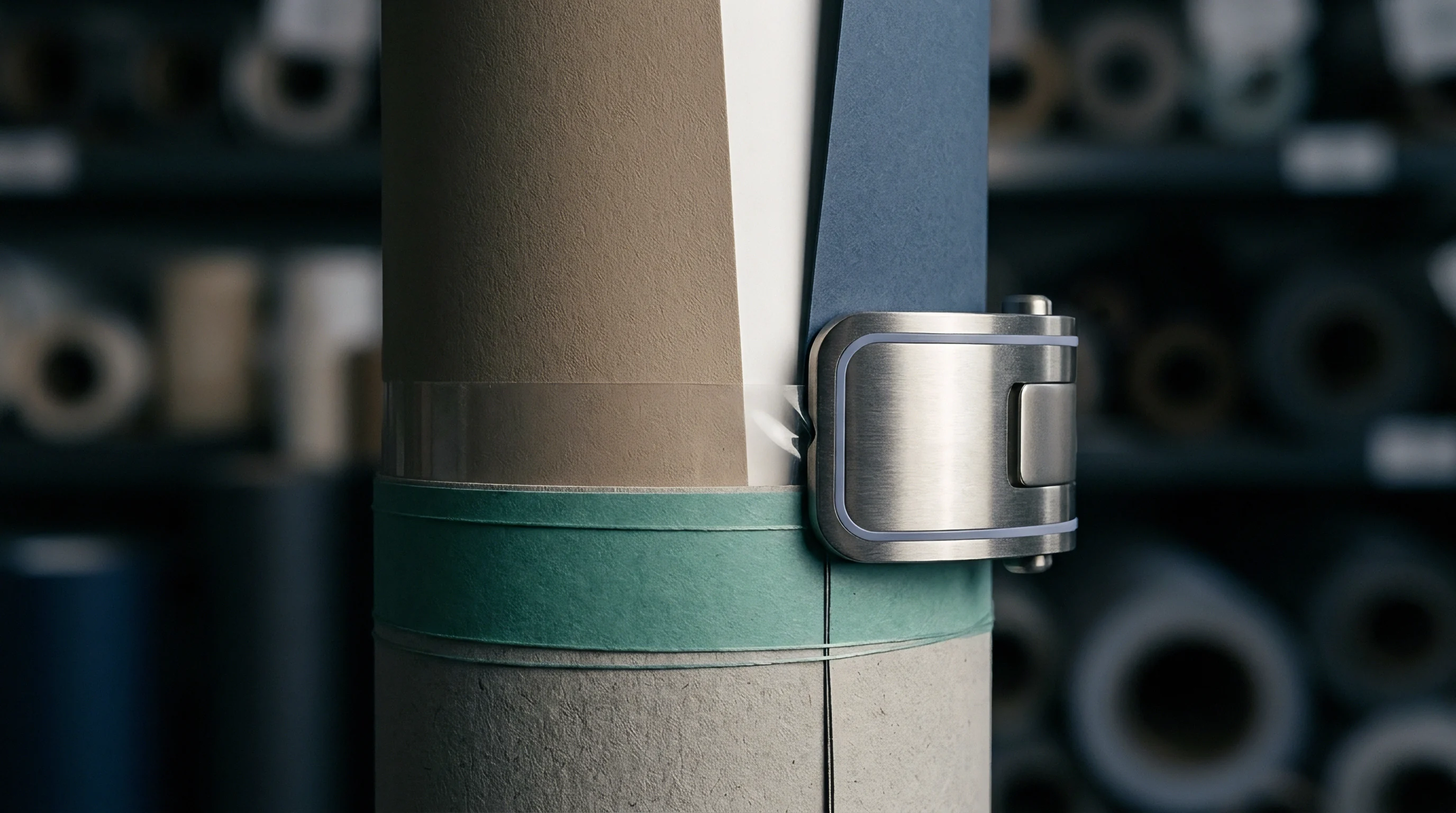
Bleached chemical pulps retain higher structural resiliency than mechanical groundwood layers. Solid Bleached Sulfate consists entirely of long chemical fibers yielding high internal bond strength measured via ISO 16260 Scott Bond protocols. Long fibers resist delamination during scoring operations.
Consequently, scoring tools applied to Solid Bleached Sulfate must induce substantial delamination forces to disrupt internal fiber network memory. Recycled fibers hold elastic strain.
Folding Boxboard utilizes a multi-ply layered construction featuring outer liners of bleached chemical pulp and a dense central core of mechanical groundwood pulp. Mechanical pulp fibers possess short, stiff morphologies with high lignin content. The bulky mechanical core delaminates easily under female die penetration, forming clean shear planes that dissipate elastic strain energy.
Folding Boxboard achieves low dynamic springback torque at lower score depths relative to solid chemical board grades. Coated Recycled Board contains short, degraded recycled fibers along with non-fibrous mineral fillers. Short fiber networks display lower ultimate tensile elongation, rendering recycled sheets prone to surface cracking along score lines during high-speed folding.
Moisture Hysteresis and Fiber Stiffness
Relative humidity inside converter storage areas directly dictates internal sheet elasticity. Paperboard equilibrium moisture content follows a hysteresis loop during environmental conditioning. Moisture loss stiffens paperboard matrices.
At board moisture levels below 5.5 percent determined by ISO 287, cellulose fibers lose plasticizer mobility, increasing flexural modulus and resistance to score delamination.
Substrates running at low moisture content exhibit aggressive elastic springback and frequent outer liner fracture. Elevated moisture levels above 8.5 percent reduce score stiffness but induce ply separation outside the score groove. Moisture loss increases springback force exponentially.
Tight relative humidity control inside cartoning facilities maintains board moisture within a target window of 6.5 to 7.5 percent, stabilizing score line performance during automated line feeding.
| Paperboard Grade | Fiber Furnish Structure | Bending Stiffness MD (mN) | Scott Bond Strength (J/m²) | Unscored Stiffness (mN·m) | Dynamic Springback Torque (mN·m) |
|---|---|---|---|---|---|
| Solid Bleached Sulfate (SBS) | 100% Virgin Chemical Kraft | 210 | 220 | 14.5 | 4.8 |
| Folding Boxboard (FBB) | Chemical Liners / Mechanical Core | 245 | 140 | 16.2 | 2.9 |
| Coated Recycled Board (CRB) | 100% Recycled Multi-Ply Furnish | 185 | 110 | 12.8 | 5.6 |
Substrate selection balances structural stiffness, unit weight, and creasing headroom. The operational risk of score failure increases when swapping substrates without adjusting creasing rule profiles.
- Coating Rupture manifests when surface mineral coatings stretch beyond ultimate tensile strain limits, causing white dust accumulation across cartoning folding plows.
- Linewise Splay occurs during high-speed rail transfer when dynamic springback forces open carton side seams prior to glue compression zones.
- Delamination Failure spreads laterally across the score channel when low Scott Bond recycled boards split beyond matrix boundaries under rule impact.
- Flap Rebound forces open top closure flaps before hot-melt adhesives achieve full setting strength, causing rejected cartons at discharge station checkweighers.
Bleached sulphate plies require deeper score penetration than mechanical groundwood layers to achieve equivalent crease relaxation.
Virgin chemical pulp requires wider scoring channels than recycled furnish to achieve equivalent permanent set at identical line speeds.

Groove
Converting die geometry sets the initial structural damage pattern within the score zone. Scoring tool configurations use male creasing rules pressing paperboard into female matrix channels or countersunk steel plates. Precision alignment of rule width, groove width, penetration depth, and mechanical clearance dictates score quality index values.
What Target Ratio Prevents Dynamic Rail Jamming?
Score depth parameters balance matrix width to optimize crease stiffness reduction. The width of the female matrix channel must accommodate twice the board caliper plus the male rule thickness. Inadequate channel width causes board pinch, shearing surface fibers and reducing structural board strength.
Excessive channel width produces incomplete delamination, leaving intact fiber structures that maximize elastic springback.
Standard engineering formulas set female channel width equal to 1.5 times the paperboard caliper plus male rule width. Crease depth dictates line efficiency. Inadequate penetration leaves stiff creases.
Penetration depth ranges between 50 and 70 percent of total paperboard caliper. Penetrating beyond 75 percent caliper crushed internal middle plies excessively, destroying board compression integrity along vertical load lines. In high-speed packaging applications, a Crease Quality Index calculated as score bending resistance divided by unscored board stiffness should fall between 0.40 and 0.50.
| Paperboard Caliper (µm) | Male Rule Width (mm) | Matrix Channel Width (mm) | Penetration Depth (µm) | Crease Quality Index (Ratio) | Springback Angle at 15ms (Deg) |
|---|---|---|---|---|---|
| 300 | 0.71 | 1.20 | 180 | 0.42 | 8.5 |
| 400 | 0.71 | 1.40 | 250 | 0.45 | 10.2 |
| 500 | 1.05 | 1.80 | 320 | 0.48 | 12.1 |
| 600 | 1.42 | 2.40 | 400 | 0.52 | 14.8 |
Crease Quality Index and Bench Metrics
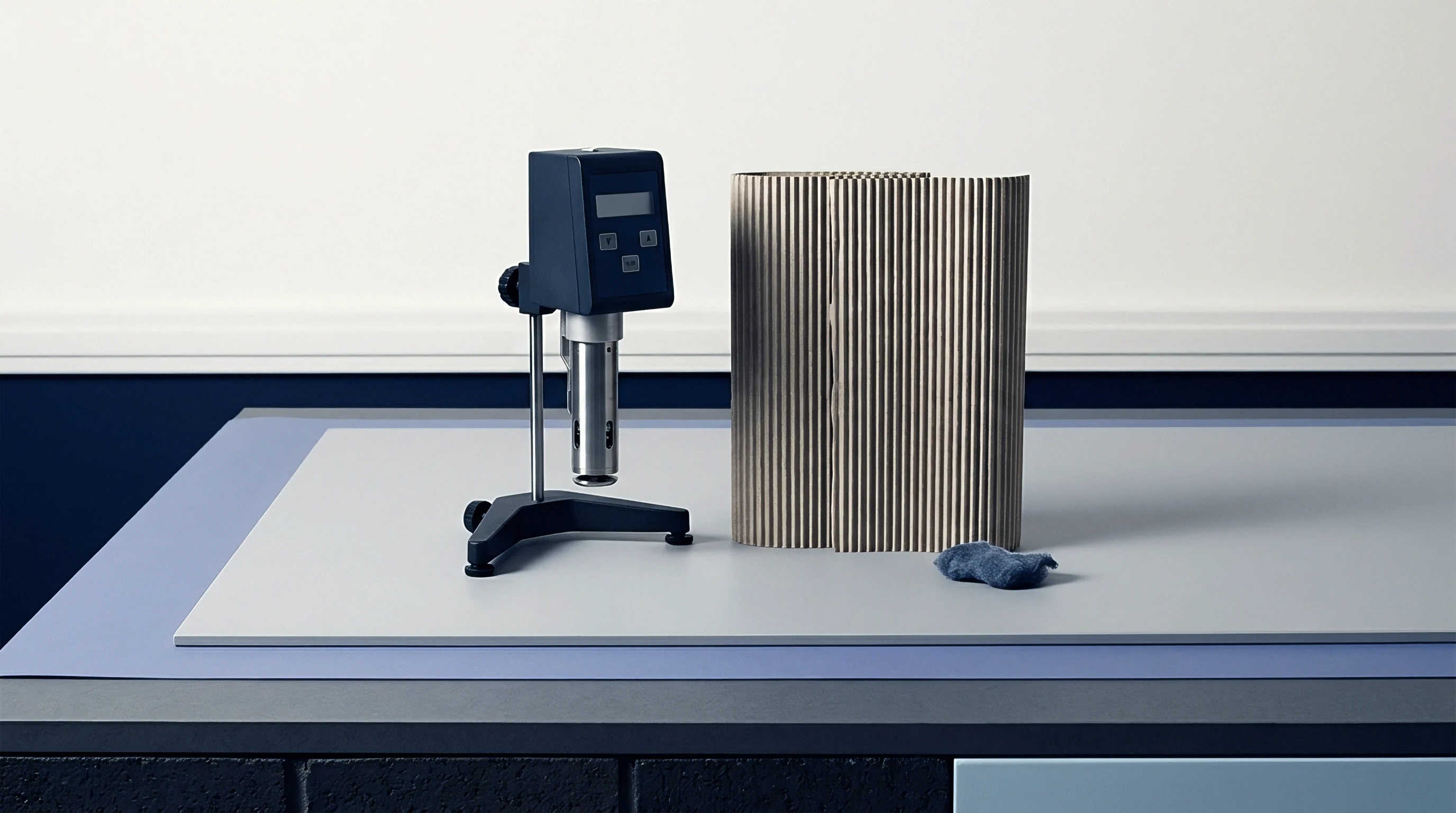
Standardized testing measures the bending force ratio of scored versus unscored material. Laboratory evaluation relies on instruments such as the L&W Crease Monitor or PCA Score Quality Tester operating under ISO 2493-2 conditions. Bench instruments fold scored samples to 90 degrees at controlled low speeds, recording peak bending moment and residual torque at defined hold times.
- Calibrate bench creasing tool clearance to match nominal carton caliper precisely.
- Perform pre-breaking through 180 degrees using motor-driven test jaws.
- Record peak bending resistance using TAPPI T 577 testing protocols.
- Measure residual angle springback at 15 seconds after releasing tension.
Discrepancies arise when comparing laboratory bench values with operational line behavior. Laboratory testing measures static stress relaxation over multi-second intervals. Cartoning machinery folds, fills, glues, and seals cartons within milliseconds.
A score line demonstrating acceptable static springback under ISO 2493 conditions can generate prohibitive dynamic resistance on a cartoning line operating at 500 units per minute.
Failure to meet ISO 2493 score ratio tolerances of 0.40 to 0.50 invalidates high-speed runnability guarantees under standard carton conversion contracts.
Clause 4.2 of DIN 55437 specifies maximum residual bending force limits, which forces converted packaging lines to reject carton lots exhibiting crease stiffness ratios above 0.55.
Erection
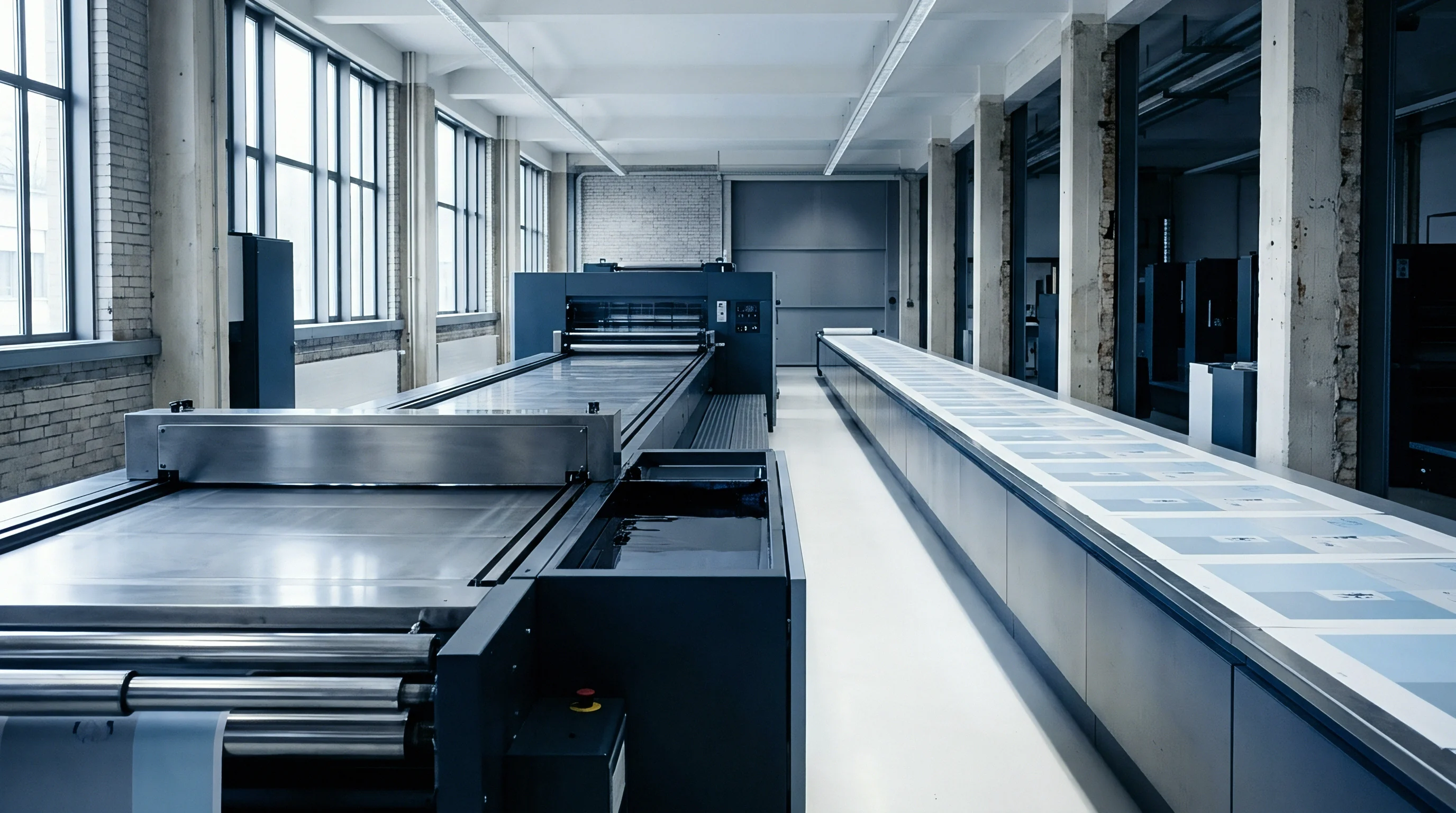
Packaging machines strip flat carton blanks from magazines and push them through stationary guide rails at linear velocities up to 5 meters per second. Vacuum opening arms grab major carton panels, flexing body score lines to square the sleeve. Mechanical transport mechanisms rely on consistent score response to maintain carton squareness throughout downstream filling and sealing modules.
Pre-Breaking Kinematics and Angle Retention
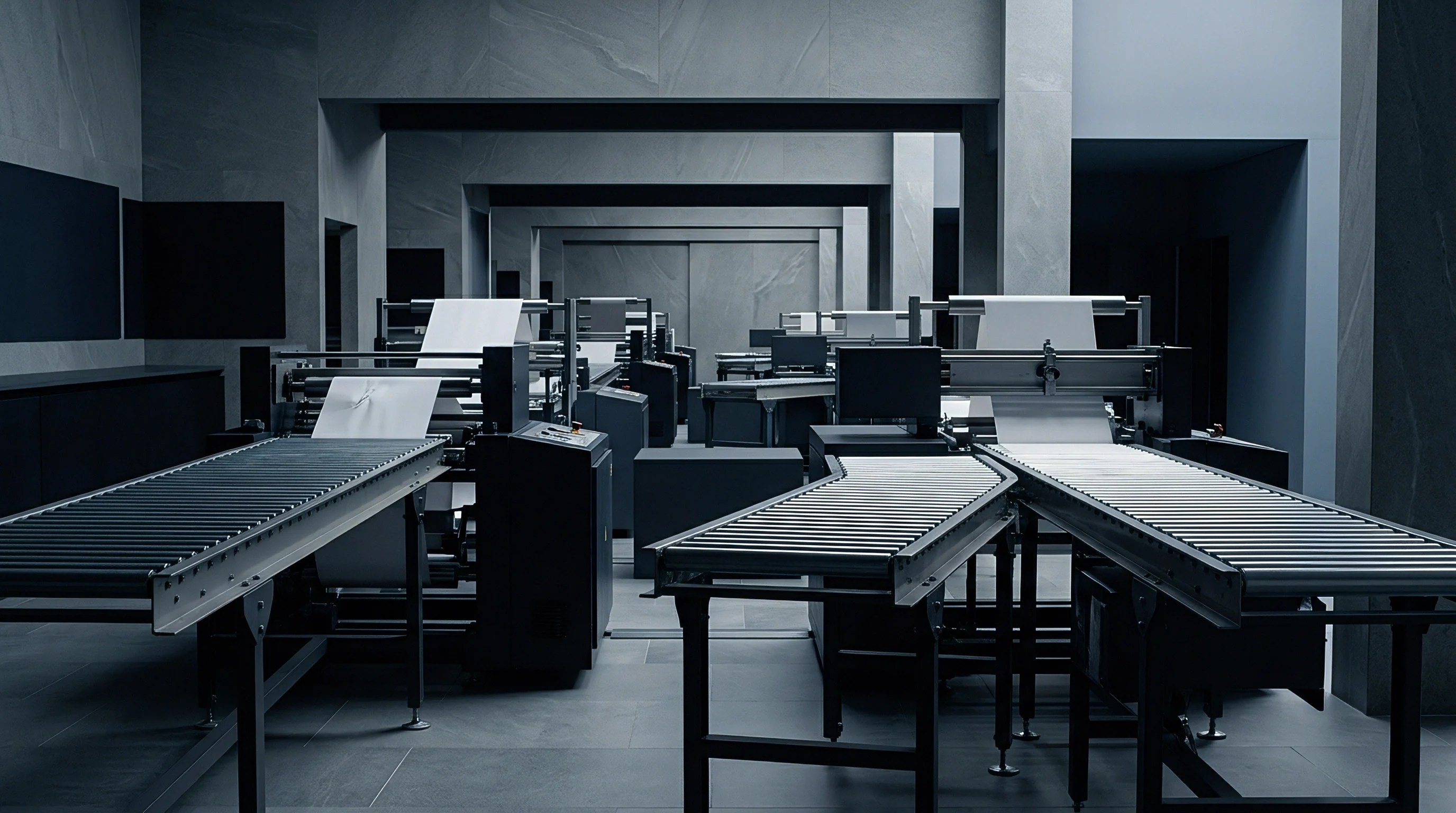
Mechanical folding plows bend major score lines 90 to 180 degrees before adhesive application. Pre-breaking breaks residual fiber bonds that survived flat die-cutting operations. Bending score lines through 180 degrees during blank feeding reduces dynamic score line springback behavior in high speed cartoning lines by up to 60 percent compared to un-pre-broken blanks.
High machine speeds magnify torque.
Crease recovery angle dictates alignment. Panels subject to insufficient pre-break revert toward their flat state upon leaving stationary folder rails. Outer liners shear under tension.
As line speeds increase, the dwell time inside pre-break folding sequences decreases proportionately. At 600 cartons per minute, pre-break dwell time drops below 10 milliseconds, limiting the extent of stress relaxation achievable prior to carton squaring stations.

Adhesive Tack versus Springback Force
Hot-melt glue open times determine whether a carton seam survives the outward push of folded panel edges. Formulated adhesives require compressive contact time to penetrate paperboard top layers and form mechanical anchors. Springback forces push flaps open.
If residual bending moment exceeds hot-melt green tack strength during compression belt discharge, glue seams rupture instantly.
Hot-melt tack counteracts residual torque. Cartoning lines running high-springback boards must compensate by increasing adhesive application weights or selecting ultra-fast setting ethylene-vinyl acetate or polyolefin hot-melts. Increasing glue application volumes elevates unit packaging costs and risks adhesive squeeze-out into interior carton cavities.
- Pre-Break Verification validates that score lines flex 180 degrees before carton opening.
- Adhesive Compression Time balances line speed with setting speeds of hot-melt formulations.
- Transport Rail Clearance maintains 0.5 millimeter side tolerances to prevent flap binding.
Fast lines amplify subtle score springback torque into visible panel bulging and seam separation.
Machine builders frequently claim that carton line jams originate from inconsistent board moisture rather than inadequate mechanical pre-breaking depth.
Rejection
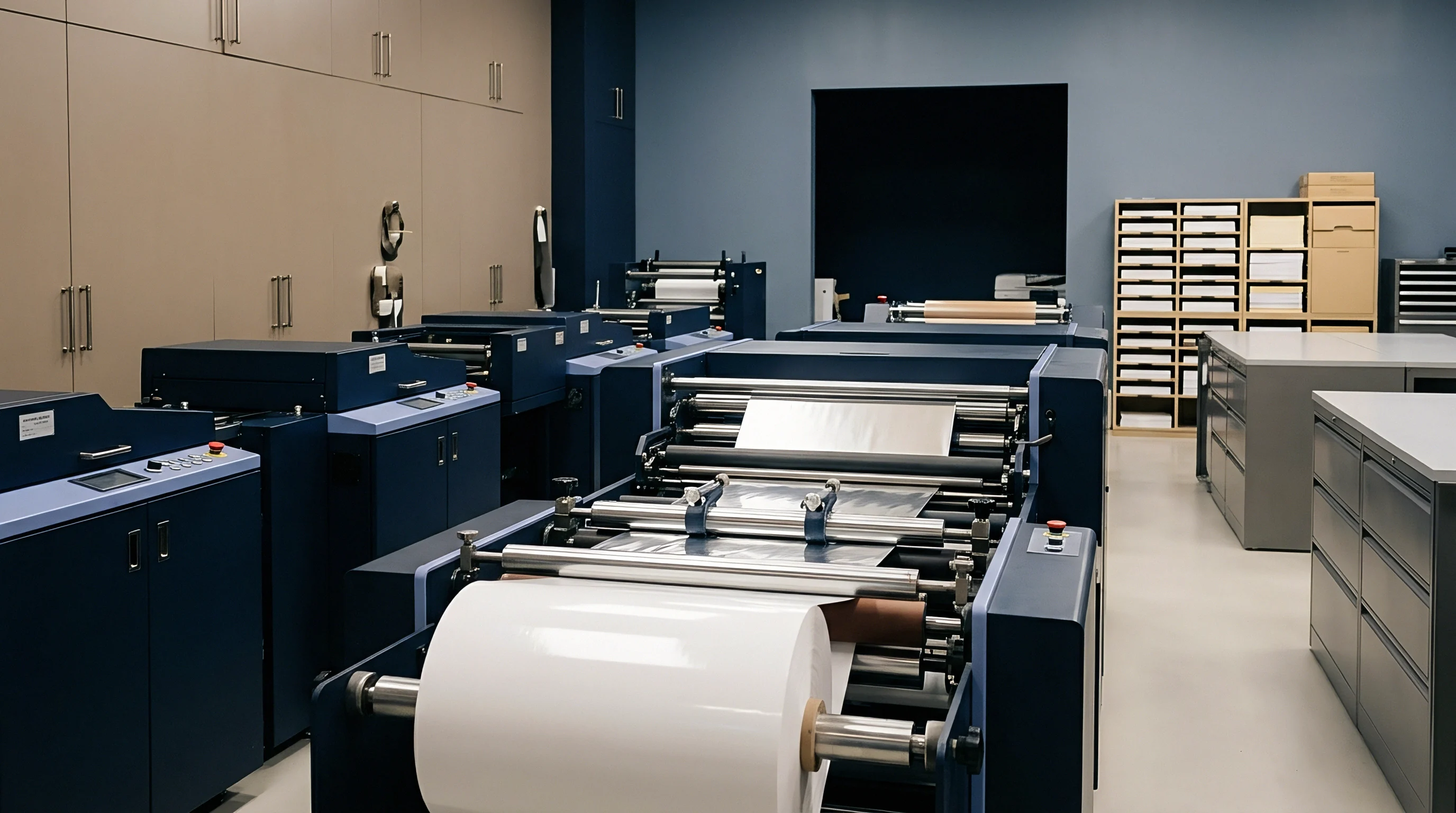
Carton defects on high-speed packaging lines produce immediate material losses, line downtime, and damaged product packaging. When dynamic score line springback behavior in high speed cartoning lines exceeds machine operational tolerances, carton blanks jam inside erection pockets, fail optical inspection gates, or burst open inside shipping cases.
Commercial Impact of Uncontrolled Crease Recovery
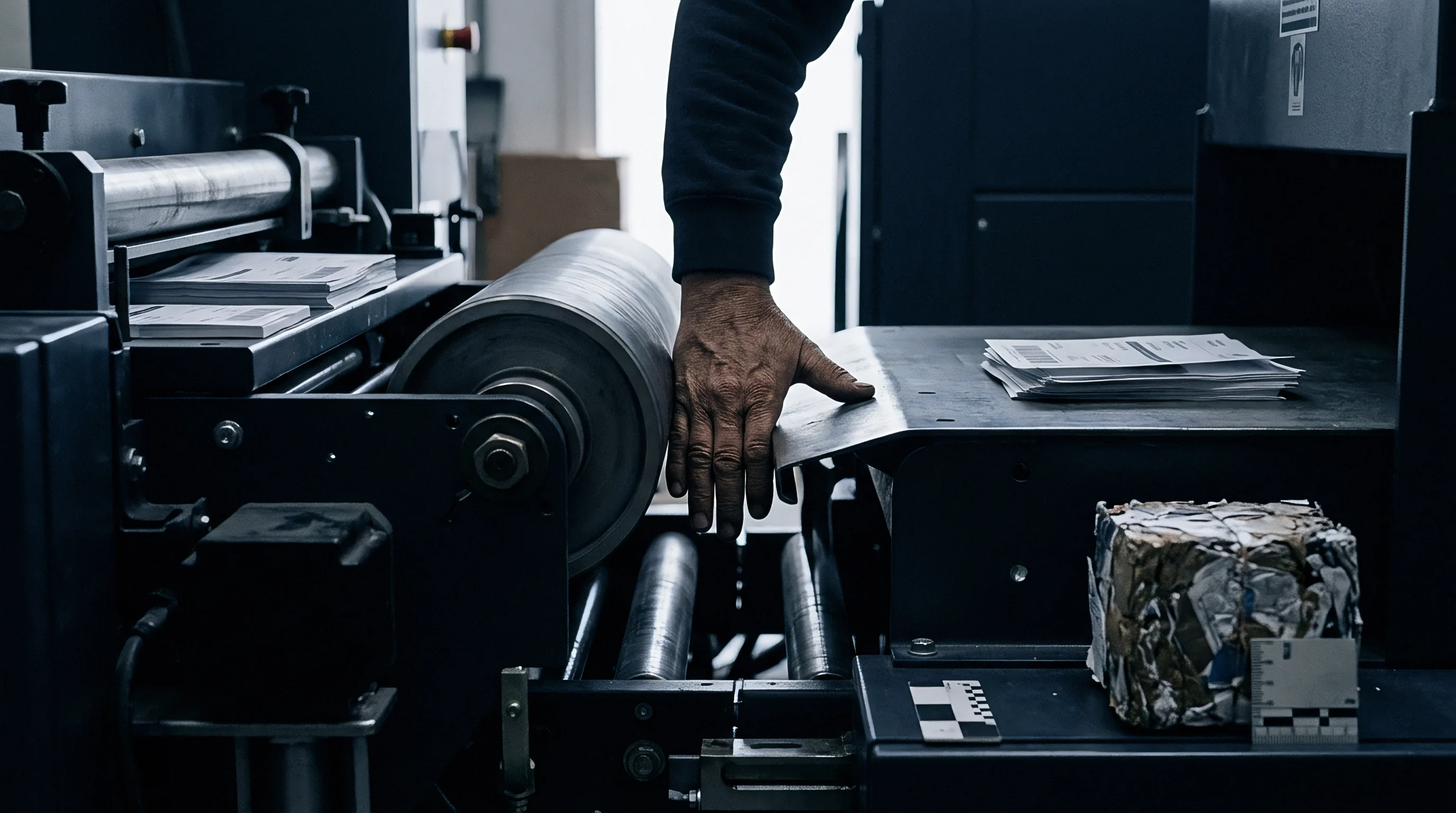
Uncontrolled elastic recovery forces cause automated optical sensors to abort filling cycles. Misaligned flaps block insertion mandrels on horizontal end-load cartoning machinery, triggering automatic line shutdowns. Downstream jam clear cycles clear ruined stock and dump product inventory, reducing overall equipment effectiveness scores.
Substrate choice dictates runnability margins.
Operational costs compound when defective cartons pass inspection and open inside retail distribution channels. Structural panel bulge reduces pallet stacking capacity, causing carton compression failure under ISO 12048 transit testing conditions. Retail rejection fees and repack labor charges rapidly eliminate initial savings gained from purchasing lower-grade paperboard options.
Yield Modeling for Substrate Selection
Evaluating stock options requires quantifying total unit conversion costs rather than base paperboard cost per metric ton. Worked calculations illustrate the commercial impact of score line springback across large-scale manufacturing runs.
Assume a cartoning run of 500,000 unit cartons using a 350 micron substrate running at 450 cartons per minute. Option A specifies a virgin fiber Folding Boxboard priced at 1,450 USD per metric ton. Option B specifies a Coated Recycled Board priced at 1,120 USD per metric ton.
Coated Recycled Board exhibits 28 percent higher average springback torque at high strain rates due to shorter fiber length and lower internal delamination capacity. On high-speed cartoning lines, Coated Recycled Board causes a 2.4 percent jam and rejection rate compared to 0.3 percent for Folding Boxboard. At 500,000 units, the recycled board run generates 12,000 ruined cartons, 4.2 hours of cumulative line downtime charged at 350 USD per hour, and 1,470 USD in wasted product inventory.
The Folding Boxboard run generates 1,500 scrap cartons and 0.5 hours of downtime. Direct material savings for recycled stock total 2,800 USD across the order, but scrap waste and downtime incur 3,145 USD in direct operational losses. Higher-cost virgin substrate yields a lower landed cost per thousand finished packs.
Ignoring dynamic score springback characteristics results in persistent line stoppage costs, adhesive seam rupture across shipping networks, and complete loss of high-speed packaging efficiency.