Recycled Board Surface Roughness Impact on Polymer Coating Uniformity
Recycled board surface topography dictates minimum polymer coat weight; peak-to-valley roughness exceeding film thickness causes barrier pinholes.

Ridge
Secondary fibre furnishes contain short recycled cell walls, residual ink particles, and mineral fillers that create irregular sheet profiles during web consolidation. These raw material variations increase micro-roughness compared to solid bleached sulphate sheets. When liquid resins arrive at the board surface during coating operations, underlying substrate peaks interrupt coating continuity.
Measuring Surface Topography
Air-leakage roughness methods press a flat measuring ring against the board sample under controlled mechanical loading. Air escapes through channels between the instrument land and the irregular paper surface. Higher airflow readings correspond to larger surface voids.
Parker Print-Surf testing measures roughness under clamping pressures from 0.5 to 2.0 megapascals, simulating press nip conditions. Peak-to-valley metrics derived from three-dimensional non-contact optical profilometry capture absolute amplitude variations across secondary fibre networks.
Pores drain molten PE. Film thickness dictates performance. Standard testing protocols specify environmental conditioning under TAPPI T 402 at 23 degrees Celsius and 50 percent relative humidity prior to roughness measurement.
Moisture absorption alters cell wall swelling and relaxes internal stresses from calendering, shifting topographical dimensions. Secondary fibre plies exhibit higher thickness variance across the reel than virgin chemical pulp webs.
Under TAPPI T 402 testing at 23 °C and 50 percent relative humidity, recycled boxboard exhibits peak-to-valley surface roughness values 45 percent higher than virgin solid bleached sulphate of equivalent grammage.

Parker Print-Surf versus Bendtsen Testing
Instrumentation choices alter profile numbers significantly across recycled grades. Bendtsen instruments utilize soft rubber gaskets and low clamping pressure, measuring macro-roughness across large surface areas. Parker Print-Surf devices apply hard measuring surfaces at high loads, reflecting how surface peaks deform under coating application nips.
A recycled board showing 450 millilitres per minute under Bendtsen testing may yield a Parker Print-Surf reading of 3.8 micrometres at 1000 kilopascals pressure.
| Board Grade | Basis Weight (g/m²) | Bendtsen Roughness (mL/min) | PPS S10 Roughness at 1000 kPa (µm) | Sz Optical Peak-to-Valley (µm) |
|---|---|---|---|---|
| Solid Bleached Sulphate | 300 | 120 | 1.8 | 14.2 |
| Coated Recycled Board | 350 | 480 | 3.8 | 32.6 |
| Recycled Kraft Linerboard | 250 | 850 | 5.2 | 48.1 |
| Deinked Folding Boxboard | 300 | 360 | 3.1 | 26.4 |
High peak-to-valley values correlate directly with thin polymer coverage over high spots on the board substrate. Recycled stock contains short hardwood and softwood fibres that collapse unevenly during drying. Incorporating a maximum Parker Print-Surf threshold of 3.5 micrometres under 1000 kPa clamp load into substrate supply agreements prevents mill dispatch of un-calendered reels intended for barrier coating.

Melt
Extrusion coating applies molten polyethylene onto board webs at temperatures between 280 and 320 degrees Celsius. High melt temperatures reduce polymer viscosity, promoting mechanical interlocking with surface fibres. Rapid cooling on the chill roll freezes the liquid resin within milliseconds after contact.
If surface voids exceed polymer flow limits during this window, incomplete contact occurs.

How Does Topography Drive Local Pinning Failure?
Fibre bundle alignment creates localized elevation differences across the sheet profile. Molten resin stretches over elevated surface peaks while bridging deep valleys. Surface tension pulls the liquid resin film away from sharp structural projections during drawdown.
Pinhole frequency drops quickly. Gas channels form instantly. High surface roughness accelerates film thinning directly above underlying fibre bundles.
When coating thickness falls below local peak height, bare fibre tips remain exposed. These pinholes compromise barrier performance against water vapor, grease, and oxygen. Secondary fibres lack length.
Viscosity governs gap filling. Dynamic wetting behaviour determines whether molten polymer fills surface cavities or traps air pockets beneath the film layer.

Capillary Drawdown into Secondary Fibre Voids
Liquid resins wet cellulose structures based on surface free energy differentials between the polymer and substrate. Unbleached recycled fibres contain residual wood resins and sizing agents that lower surface energy. Lower surface energy reduces dynamic wetting rates during high-speed coating.
Capillary forces draw low-viscosity coatings into porous surface structures, leaving elevated fibre peaks un-coated.
- Peak penetration pinholes ~ Polymer drawdown over un-calendered fiber structures thins the liquid film below critical cohesion thickness, opening gas channels.
- Valley void entrapment ~ High melt viscosity prevents liquid flow into deep pits, creating trapped air pockets that expand during heat sealing operations.
- Interfacial dewetting ~ Low surface free energy from residual sizing chemicals on recycled sheets causes aqueous dispersions to pull back into small droplets.
- Fiber swell lifting ~ Aqueous vehicles hydrate exposed cell walls, raising secondary bundles through the drying film matrix.
Liquid polymer applications require precise control of surface tension and viscosity parameters. The degree to which dynamic surface tension modifiers in water-based dispersions overcome capillary dewetting on secondary fibers without compromising liquid barrier integrity remains unquantified across high-speed commercial curtain coaters.
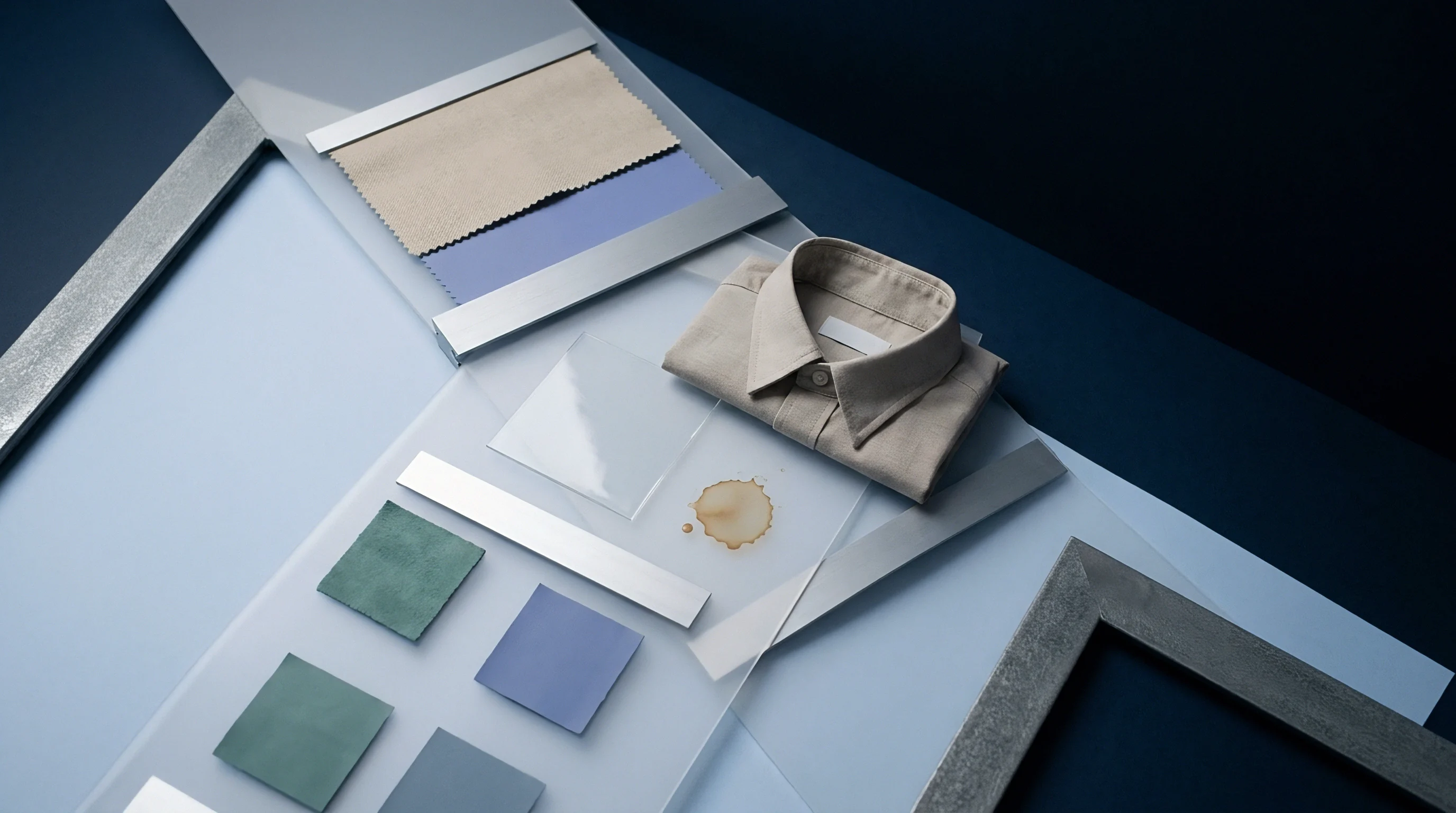
Coat
Extrusion web lines apply liquid resin across recycled boxboard to establish continuous barrier layers. Standard target coat weights assume a smooth substrate geometry across the entire web area. On rough recycled substrates, local coat weight distribution varies significantly from nominal machine settings.
Fibre peaks receive minimal resin coverage, while topographical depressions accumulate excess polymer mass.
Polymer application rates scaled to nominal target thickness consistently produce barrier defects over recycled substrate valleys.
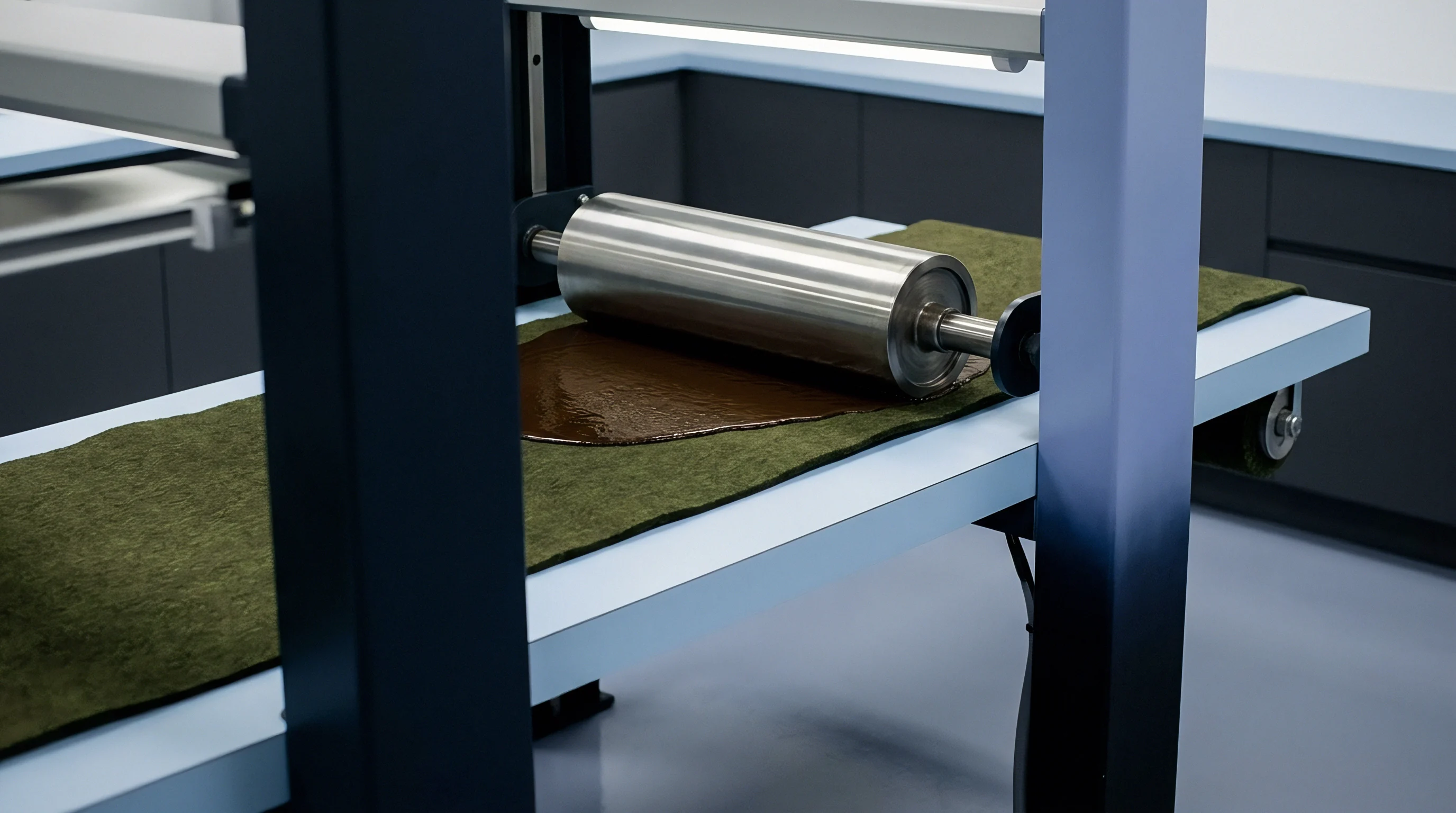
Extrusion Film Thickness Variation
Local resin thickness varies inversely with local substrate elevation across the web profile. A nominal application of 18 grams per square meter produces a 20 micrometre theoretical film layer. On coated recycled board with high surface roughness, actual film thickness measures only 4 micrometres over fibre peaks and 35 micrometres in surface valleys.
Fibre peaks pierce thin coats.
Film thickness dictates performance. Below a critical threshold of 8 micrometres for low-density polyethylene, pinholes form due to thermal stress and polymer chain relaxation during cooling. Increasing total resin application compensates for surface roughness but increases raw material expense and packaging mass.
Extrusion speed alters drawdown.

Dispersion Barrier Application Constraints
Water-borne polymer suspensions dry through water evaporation and particle coalescence. Applied dispersion coatings follow substrate surface contours more closely than extruded polymer melts. Aqueous liquid coatings wet open fibre structures, causing recycled cellulose to swell during application.
Surface fibre swelling disrupts drying polymer films, generating micro-cracks along fiber boundaries.
| Substrate Roughness Band (PPS S10) | Extrusion LDPE Coat Weight (g/m²) | Co-extruded EVOH Coat Weight (g/m²) | Water-Based Acrylic Dispersion (g/m²) |
|---|---|---|---|
| Below 2.0 µm | 12 | 8 | 6 |
| 2.0 to 4.0 µm | 18 | 12 | 10 |
| Above 4.0 µm | 26 | 18 | 16 |
Dry coat weights vary. Achieving barrier continuity on un-calendered recycled stock requires higher dispersion coat weights than on bleached virgin boards. Converting line technical representatives frequently assert that barrier film pinholes arise from extruder pressure instability rather than raw sheet elevation changes across the reel trim.
Leak
Barrier failure in polymer-laminated packaging exposes sensitive contents to atmospheric moisture, oxygen, and organic fats. Pinhole defects caused by underlying board roughness serve as direct pathways for fluid transport across the package wall. Standard quality control protocols measure gas transmission rates and liquid absorption to verify barrier film integrity prior to converting commercial packaging lines.
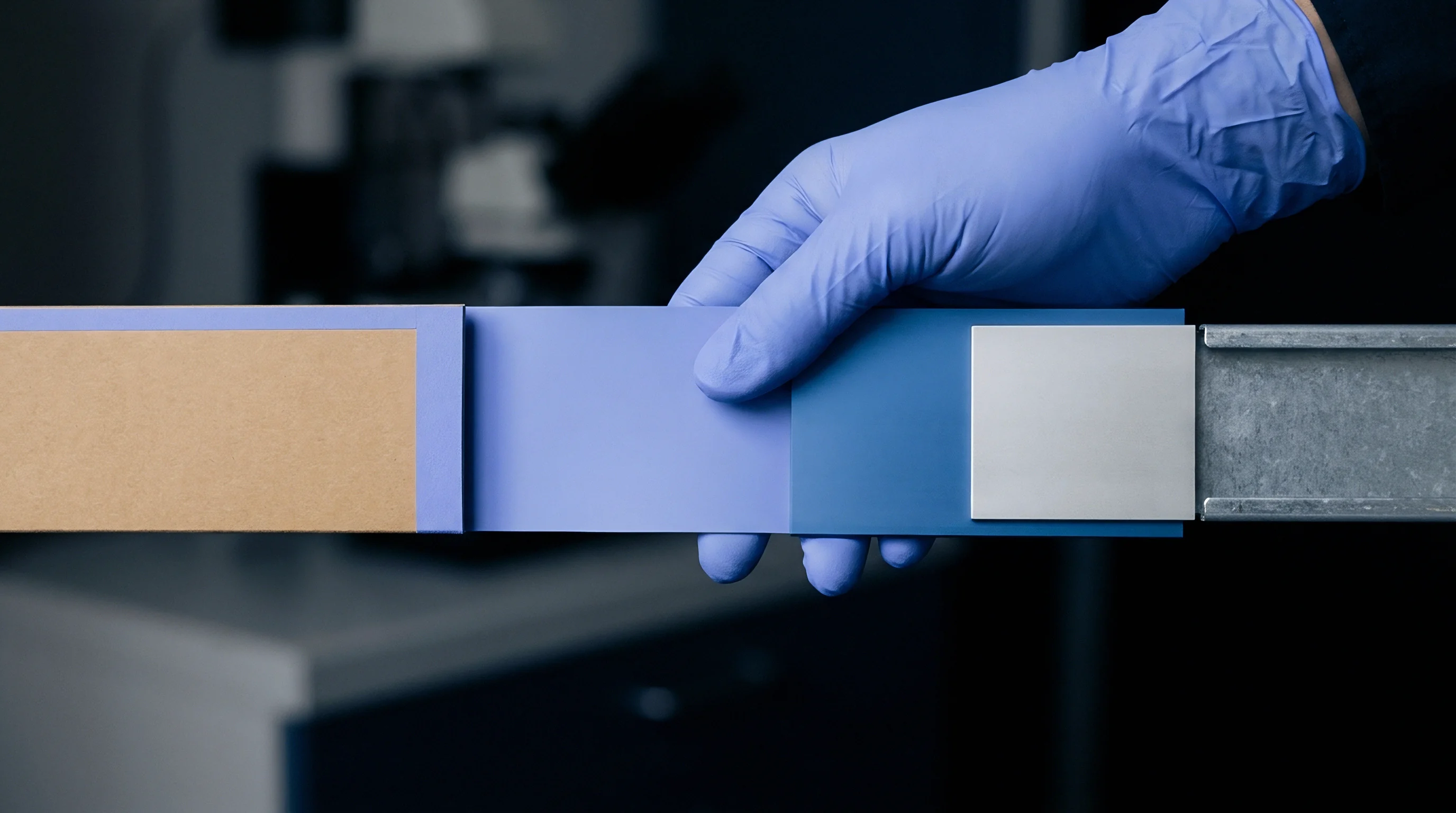
Dye Stain Verification of Barrier Continuity
Solvent indicator solutions penetrate micro-voids to reveal underlying structural defects. Standard dye stain testing applies a colored dye dissolved in isopropanol to the coated board surface for a specified duration. The solvent passes through pinholes, staining the underlying paperboard fibres.
Visual inspection or automated image analysis quantifies pinhole counts per unit area.
- Dye stain testing ~ Apply solvent dye solution across five hundred square centimeters of web area to count substrate penetration sites per square meter.
- Water vapor permeability check ~ Measure gravimetric flux under high humidity conditions to confirm continuous film coverage across peak-to-valley thickness variations.
- Grease resistance evaluation ~ Expose creased test specimens to synthetic oil mixtures to verify surface ridges have not fractured the polymer layer.
- Cross-sectional optical imaging ~ Prepare microtome cuts across defect areas to measure local film caliper directly above raw secondary bundle peaks.
Standard Gas and Moisture Permeability Protocols
Gravimetric cup methods and modulated infrared sensor techniques quantify moisture vapor transmission rates across coated board samples. ISO 15106-2 specifies electrolytic sensor testing at 38 degrees Celsius and 90 percent relative humidity. Continuous polymer films on smooth substrates yield water vapor transmission rates below 2.0 grams per square meter per 24 hours.
When substrate roughness breaches barrier film continuity, transmission rates jump above 50 grams per square meter per 24 hours.
Compliance with ISO 15106-2 water vapor transmission testing requires continuous pinhole-free film coverage across all surface ridges.
Cobb values rise sharply. Kit testing according to TAPPI T 559 evaluates grease resistance by applying aggressive hydrocarbon mixtures to the coated sheet surface. Uncoated fibre peaks cause immediate stain penetration, dropping Kit ratings from 12 down to zero.
Specifying an insufficient resin layer on un-calendered secondary fiber stock results in packaging structural softening and widespread product rejection during cold-chain storage.
Smoothing
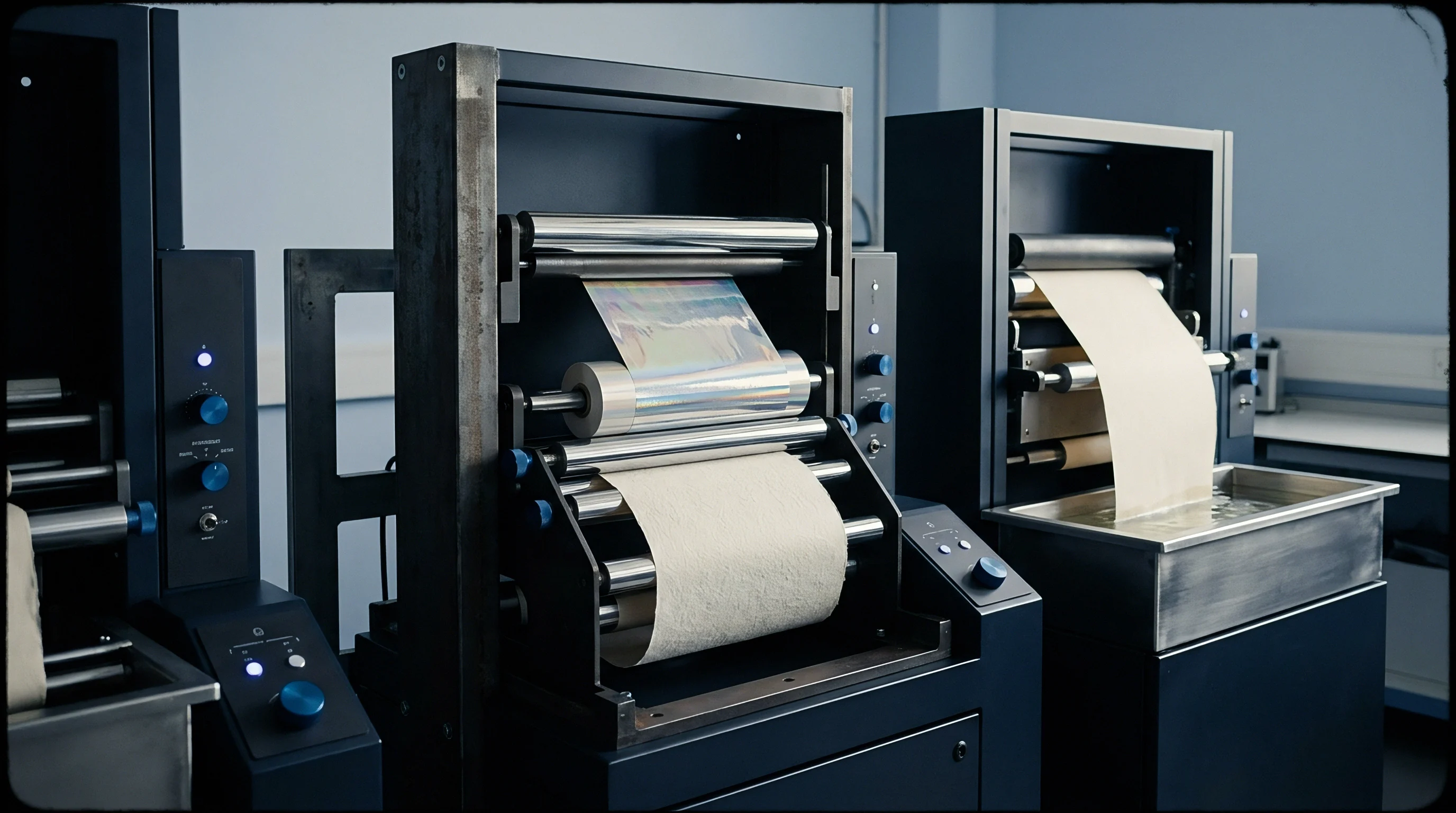
Calendering rolls compress paperboard sheets between heated steel and elastic nips to level elevated fibre peaks. Mechanical compression alters board surface topography before coating application. Secondary fibre plies contain short, recycled fibres with low z-direction tensile strength, rendering recycled board vulnerable to severe density increases during calender processing.
Mechanical Surface Flattening and Stiffness Retention
Nip pressure reduces web caliper while flattening topographical high points. High calendering lowers bulk. Excessive calendering pressure destroys internal void structures, causing a severe drop in bending stiffness measured under ISO 2493.
Bending stiffness scales with the cube of board caliper. Losing 10 percent of sheet thickness reduces carton bending stiffness by nearly 27 percent, compromising box compression strength.
- Measure incoming un-calendered board caliper and air-permeability roughness across three cross-machine reel locations under standard laboratory conditioning.
- Adjust soft-nip calender roll heat to one hundred sixty degrees Celsius while holding linear pressure at eighty kilonewtons per meter.
- Re-evaluate profile amplitude to confirm air leakage rates drop below target limits without exceeding five percent total bulk density reduction.
- Apply high-solids starch formulations at three grams per square meter to close open surface pores before resin extrusion.

Substrate Pre-Treatment Sizing
Applying starches or polyvinyl alcohol at the size press fills surface voids before polymer deposition. Starch sizing seals surface voids. Surface sizing coats loose surface fibres and smooths micro-topography without reducing sheet caliper.
Pre-coating secondary fibre webs with pigment and binder combinations lowers Parker Print-Surf roughness values below 2.5 micrometres, creating a stable surface for barrier polymer application.
Moisture shifts surface energy. Pre-treated surfaces accept lower polymer coat weights while maintaining continuous barrier performance. Elevating calender temperature replaces mechanical nip force to flatten structural high points while preserving internal sheet volume needed for carton stiffness.

Valuation
Material selection determines the total landed cost of polymer-coated packaging board. Substrate options balance raw paperboard prices against necessary polymer coat weights to guarantee barrier compliance. Choosing low-cost, un-calendered recycled board requires higher resin application to cover surface peaks, altering the final production cost equation.
Reducing polymer film thickness on un-calendered secondary fiber plies increases final pack failure rates in humid storage.
Substrate Yield and Downgauging Arithmetic
Converting operations evaluate substrate raw materials by sheet area rather than total metric mass. Low mass saves money. Polymer resins cost significantly more per kilogram than base paperboard grades.
Downgauging polymer coat weights generates material cost savings provided substrate surface smoothness prevents barrier pinhole formation.
Consider a production run of one hundred thousand square meters of barrier boxboard. Option A utilizes a 350 grams per square meter coated recycled board without calender pre-treatment, exhibiting a Parker Print-Surf roughness of 5.5 micrometres. Achieving a pinhole-free extrusion layer requires 24 grams per square meter of low-density polyethylene at a resin price of 2,100 dollars per metric tonne.
The raw substrate costs 950 dollars per metric tonne. Under Option A, total substrate weight equals 35 metric tonnes, costing 33,250 dollars. The polymer coating adds 2.4 metric tonnes of resin, costing 5,040 dollars.
Total raw material outlay equals 38,290 dollars, or 382.90 dollars per thousand square meters.
Option B applies soft-nip calendering and a 3 grams per square meter starch size pre-treatment at the mill, which increases base sheet board cost to 968 dollars per metric tonne while reducing Parker Print-Surf roughness to 2.8 micrometres. The smooth surface allows downgauging the extrusion coat to 14 grams per square meter of polyethylene. Substrate mass for Option B equals 35 metric tonnes, costing 33,880 dollars.
Polyethylene mass drops to 1.4 metric tonnes, costing 2,940 dollars. Total material cost under Option B equals 36,820 dollars, or 368.20 dollars per thousand square meters. Surface smoothing yields a net raw material saving of 14.70 dollars per thousand square meters, representing a 3.8 percent material cost reduction while enhancing barrier stability.

Extended Producer Responsibility and Landed Cost
Legislative fee structures impose packaging waste charges based on total plastic mass fractions. Packs exceeding 5 percent plastic by weight face higher recycling tariffs in multiple jurisdictions. Lowering polymer application rates through substrate surface smoothing drops plastic mass fractions below regulatory penalty thresholds.
| Specification Option | Base Grammage (g/m²) | Polymer Coat (g/m²) | Board Cost ($/1000 m²) | Resin Cost ($/1000 m²) | EPR Fee ($/1000 m²) | Net Landed Cost ($/1000 m²) |
|---|---|---|---|---|---|---|
| Option A: Raw CRB + Heavy PE | 350 | 24 | 332.50 | 50.40 | 18.00 | 400.90 |
| Option B: Calendered CRB + Thin PE | 350 | 14 | 338.80 | 29.40 | 4.00 | 372.20 |
| Option C: SBS Virgin + Minimum PE | 300 | 10 | 420.00 | 21.00 | 2.50 | 443.50 |
Factoring extended producer responsibility fee structures into substrate procurement models confirms that mechanical surface smoothing reduces total packaging cost while maintaining barrier compliance.