Distribution Metric
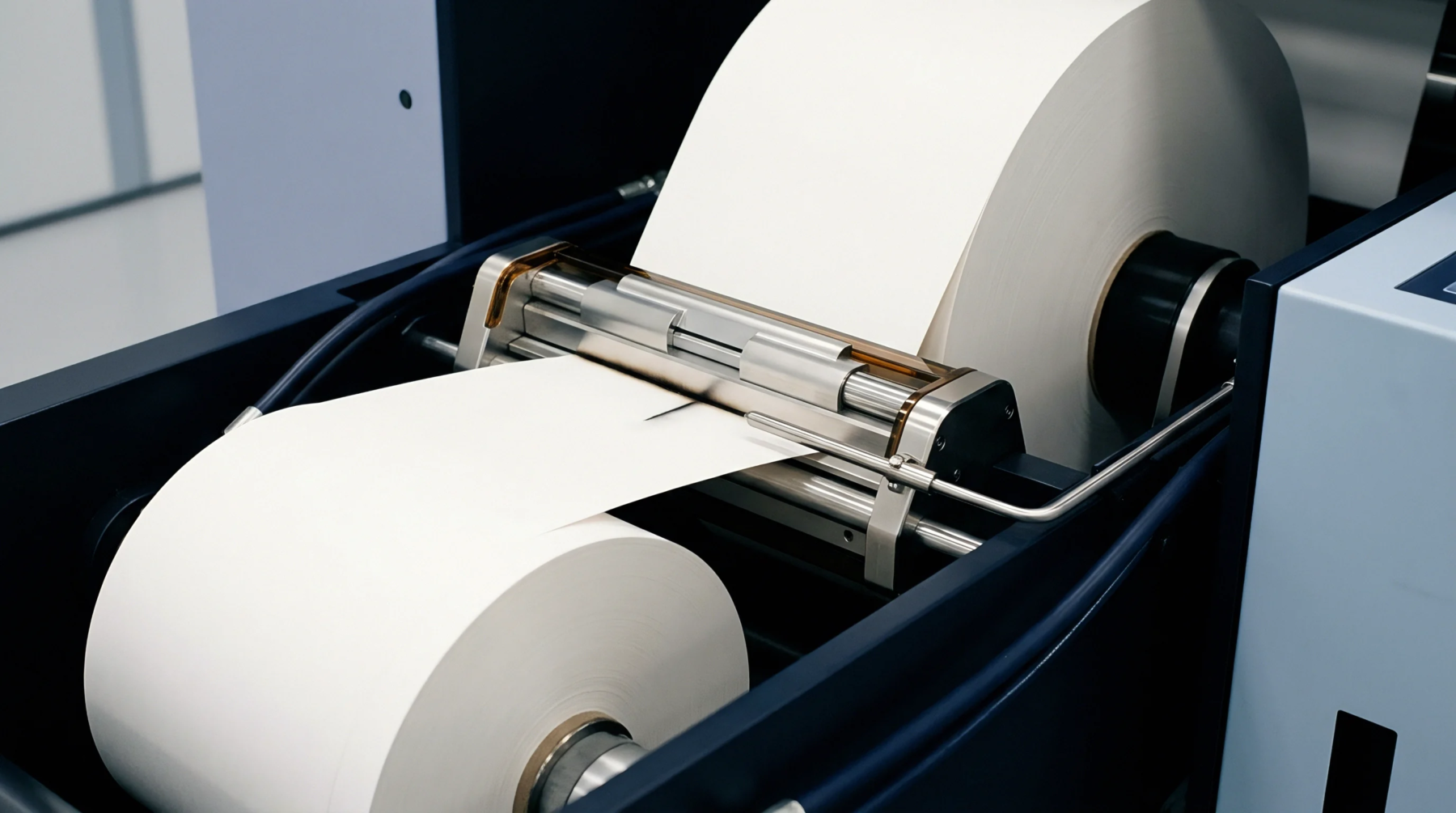
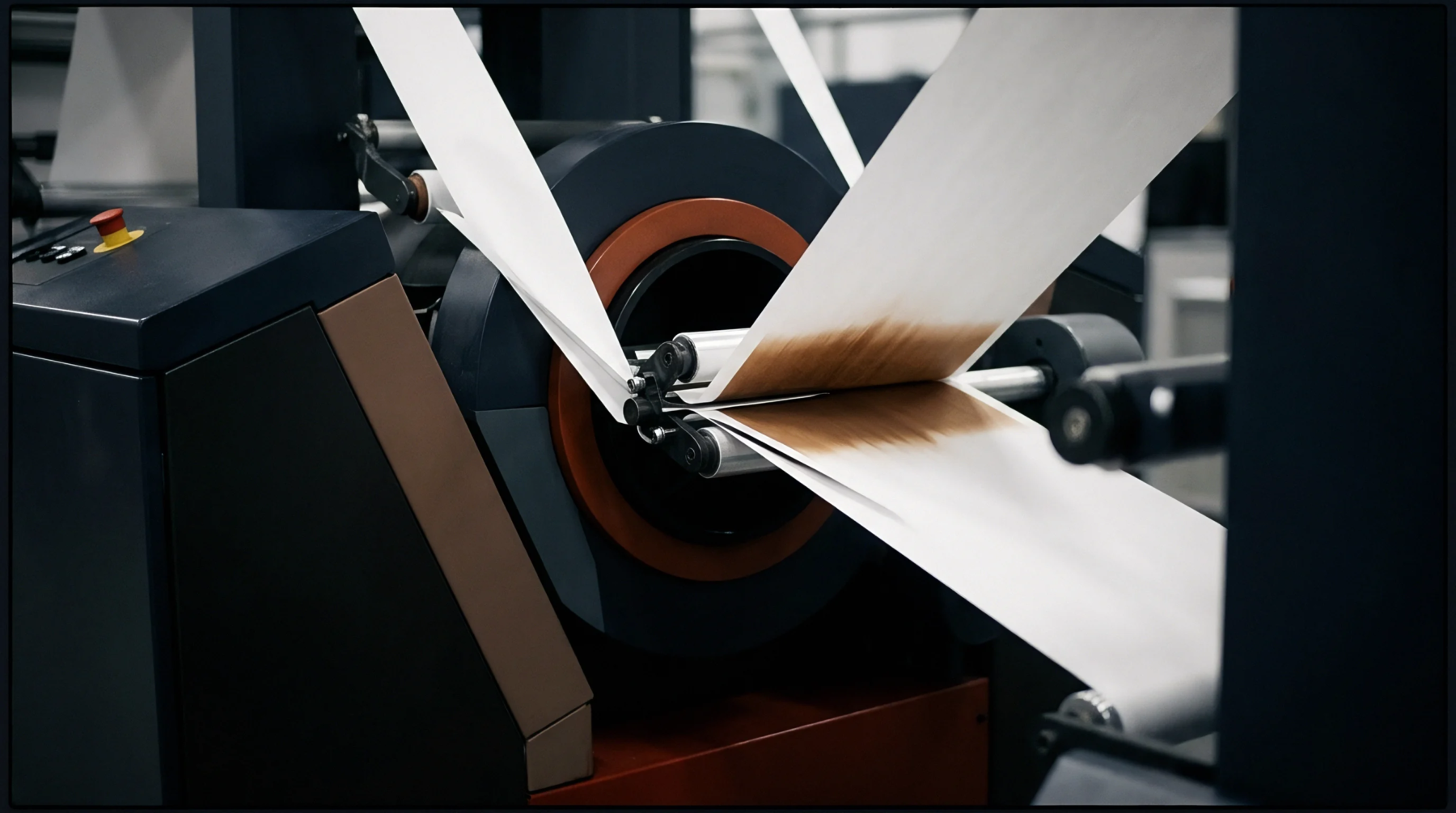
Grammage non-uniformity across applied aqueous, mineral or barrier layers defines local coating mass deviation on paper and paperboard substrates. Blade, rod and curtain coating stations introduce coat weight variance through pressure differentials, slurry rheology fluctuations, uneven blade wear or base sheet roughness profiles. The measurement quantifies coating layer spread in grams per square metre across cross-machine and machine-direction profiles using on-line beta gauges, x-ray fluorescence scanners or spectroscopic infrared sensors.
The metric governs ink holdout consistency, varnishing gloss uniformity and water vapour transmission rates in barrier-coated folding boxboard. A baseline measurement applies solely to dry coating solids deposited over base paper, excluding underlying raw fibre grammage swings and post-cure moisture equilibria.
Process Cause
Hydrodynamic pressure fluctuations under the metering blade create cross-direction coat weight variance whenever blade tip geometry deviates across the web face. High-speed coating operations aggravate these deviations because shear-thinning mineral slurries migrate into surface pores unevenly when base paper formation contains localized density pockets. Blade wear accelerates mass transfer variations across wide decks, forcing edge profiles to carry heavier dry deposits than central web positions.
Converting plants encountering excessive coat weight variance register variable ink tack response, blistering in heatset drying tunnels and mottled halftone screens on solid packaging prints.
Tolerance Limit
High-end white-lined chipboard and solid bleached sulphate specifications maintain total cross-direction mass deviations within plus or minus zero point five grams per square metre on base applications of ten to twenty grams per square metre. Gravure printing demands tight coating uniformity because ink transfer requires intimate contact with an exceptionally uniform surface layer to prevent missing dots. In extrusion barrier coating of food packaging boards, coat weight variance directly dictates minimum polymer film thickness necessary to eliminate microscopic pinholes.
Overcoating base sheet hills to compensate for underlying roughness inflates slurry expenditure while failing to stabilize local ink absorption rates across micro-scale print zones.