Creasing Accuracy
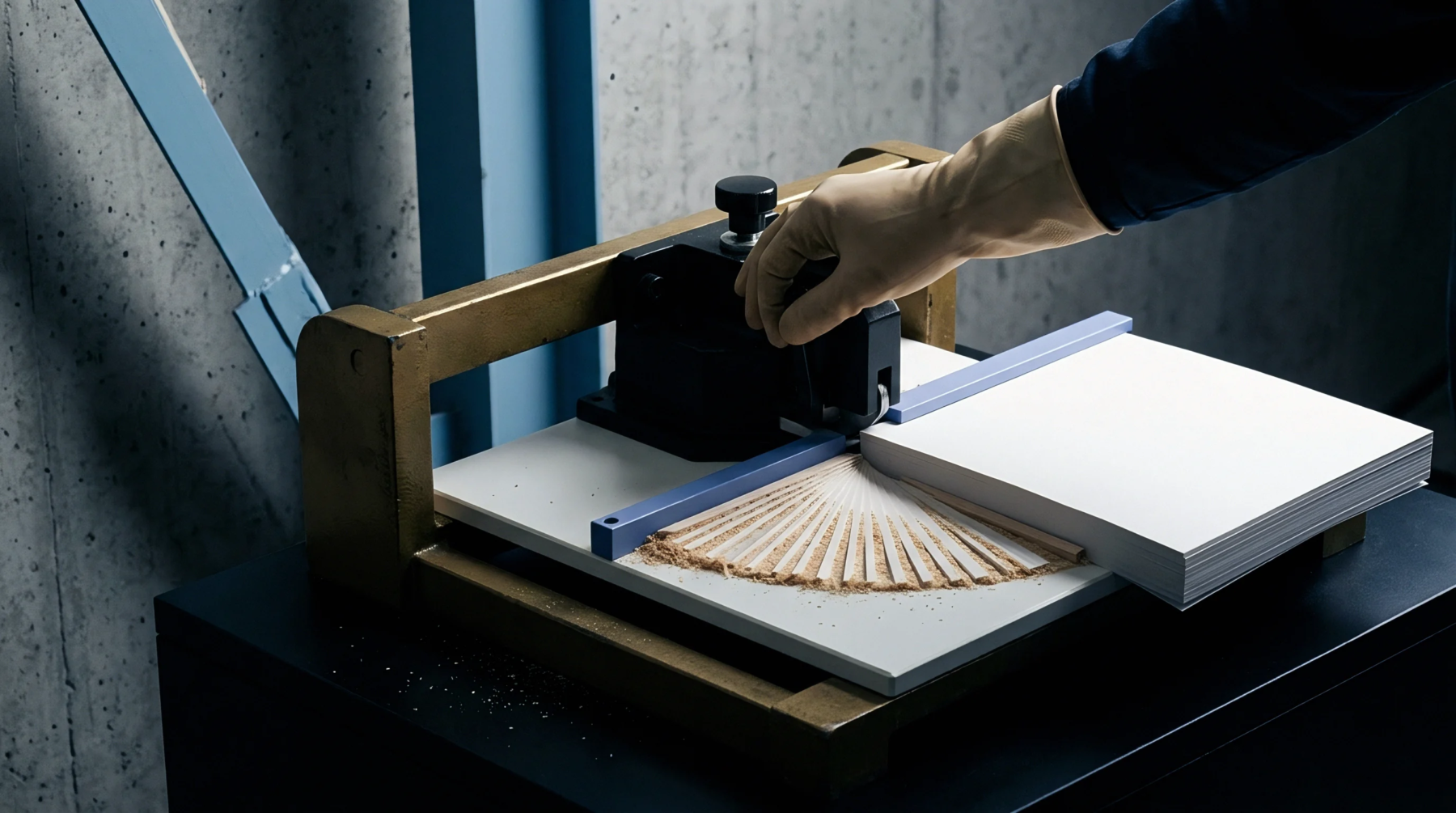
Precision-milled strips or molded blocks offer a female part for a creasing system to define where a fold occurs in heavy paperboard. The counter die matrix sits opposite the steel creasing rule to ensure the fiber structure deforms without cracking the surface liner. This component is essential for high-speed folding carton production.
Channel Geometry
Matching the width of the groove to the thickness of the board prevents the outer plies from rupturing during the conversion process. Applying a counter die matrix requires exact alignment with the cutting plate to maintain consistent crease depths across the entire sheet. Modern systems use self-adhesive strips with a plastic or phenolic base to resist the repeated pressure of the press.
A tight fit forces the board into the channel and creates a crisp hinge. Too narrow a channel leads to excessive force and fiber breakage. Conversely, a wide channel produces a sloppy fold that hinders automatic packing machines.
Production Endurance
Wear resistance dictates the lifespan of the tool during long production runs. A metal or high-density fiber counter die matrix lasts for hundreds of thousands of impressions before the edges lose their sharpness. Regular inspection of the grooves prevents the buildup of paper dust that might alter the crease profile.