Structural Alignment
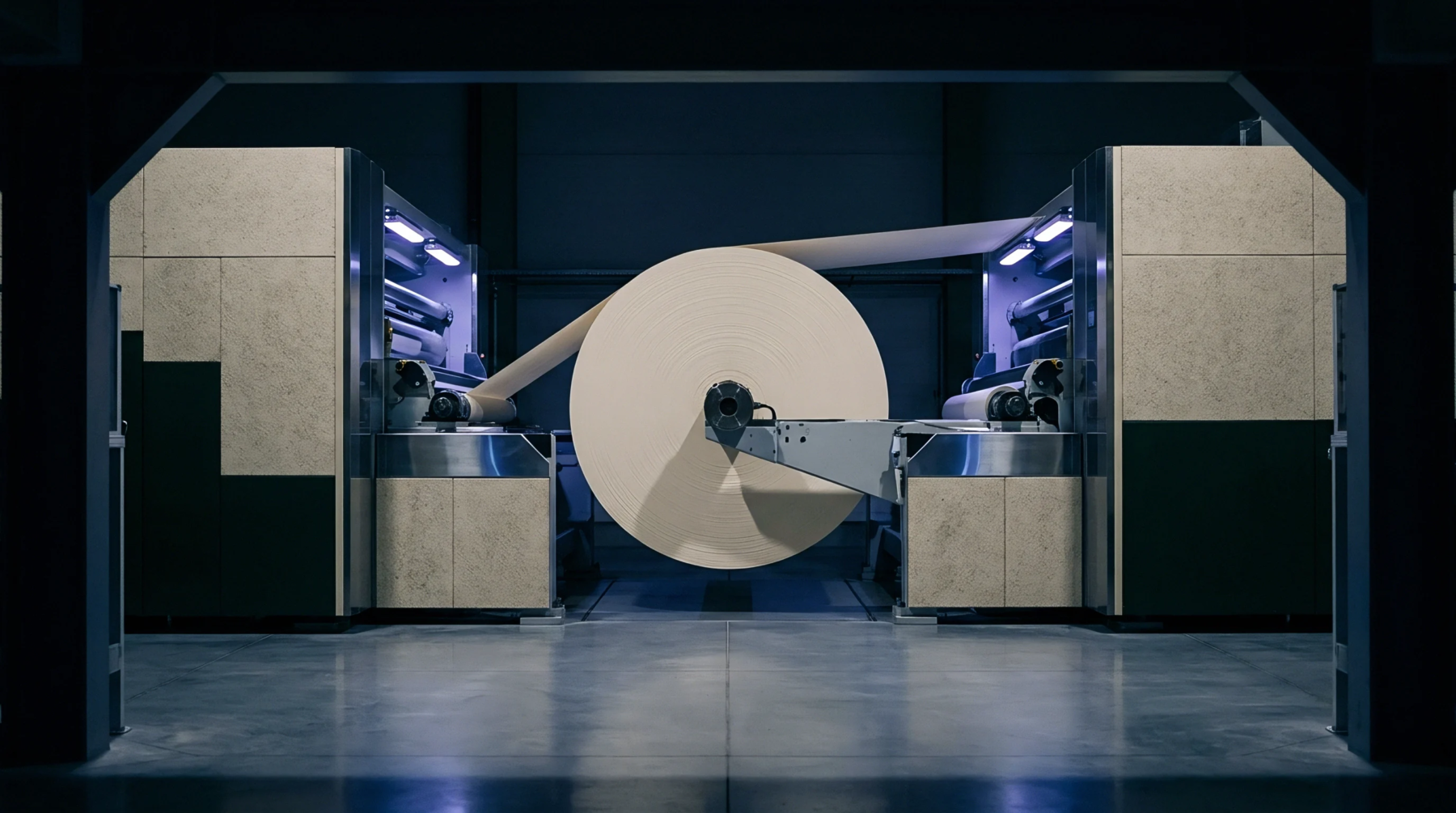
Fibre orientation defines the primary axis of physical strength in a sheet of machine-made substrate. Grain direction describes how cellulose chains align parallel to the movement of the paper machine wire during production. Moisture absorption causes expansion across this axis rather than along it.
Mill equipment marks the web edge to identify this property for downstream converters. Rigid packaging relies on consistent alignment to prevent curling or cracking during mechanical folding.
Converting Tolerance
Folding carton production demands precise orientation to ensure the finished box maintains its structural integrity. Die cutting processes require the sheet to align with the press to minimize distortion. Scoring heads must perpendicularize against this layout to produce a clean crease without fibre rupture.
Humidity fluctuations trigger dimensional instability when the sheet encounters unequal tension. Automated filling lines stall if the package sidewall lacks the necessary column stiffness provided by correct material orientation.
Testing Method
Physical evaluation reveals the alignment through a simple water soak or bending resistance trial. Samples cut from the machine direction exhibit greater stiffness than those cut across it. A strip that curls into a cylinder indicates the axis runs parallel to the length of the roll.
Tearing resistance varies depending on whether the force follows the fibre path or crosses it. Standardised procedures measure this property to verify that the substrate meets specification for high-speed automated equipment.