Permeation Measure
Quantity of water vapor passing through a unit area of barrier material over a twenty-four hour period under specific temperature and humidity conditions dictates the shelf-life of moisture-sensitive dry goods. The moisture vapor transmission rate is expressed in grams per square meter per day, providing a standardized metric for evaluating packaging barrier materials. This rate is critical for dry-food cartons and pharmaceutical blister packaging made of paperboard-plastic laminates.
Lower transmission values indicate higher barrier performance, preventing dampness from degrading the packaged contents.
Substrate Composition
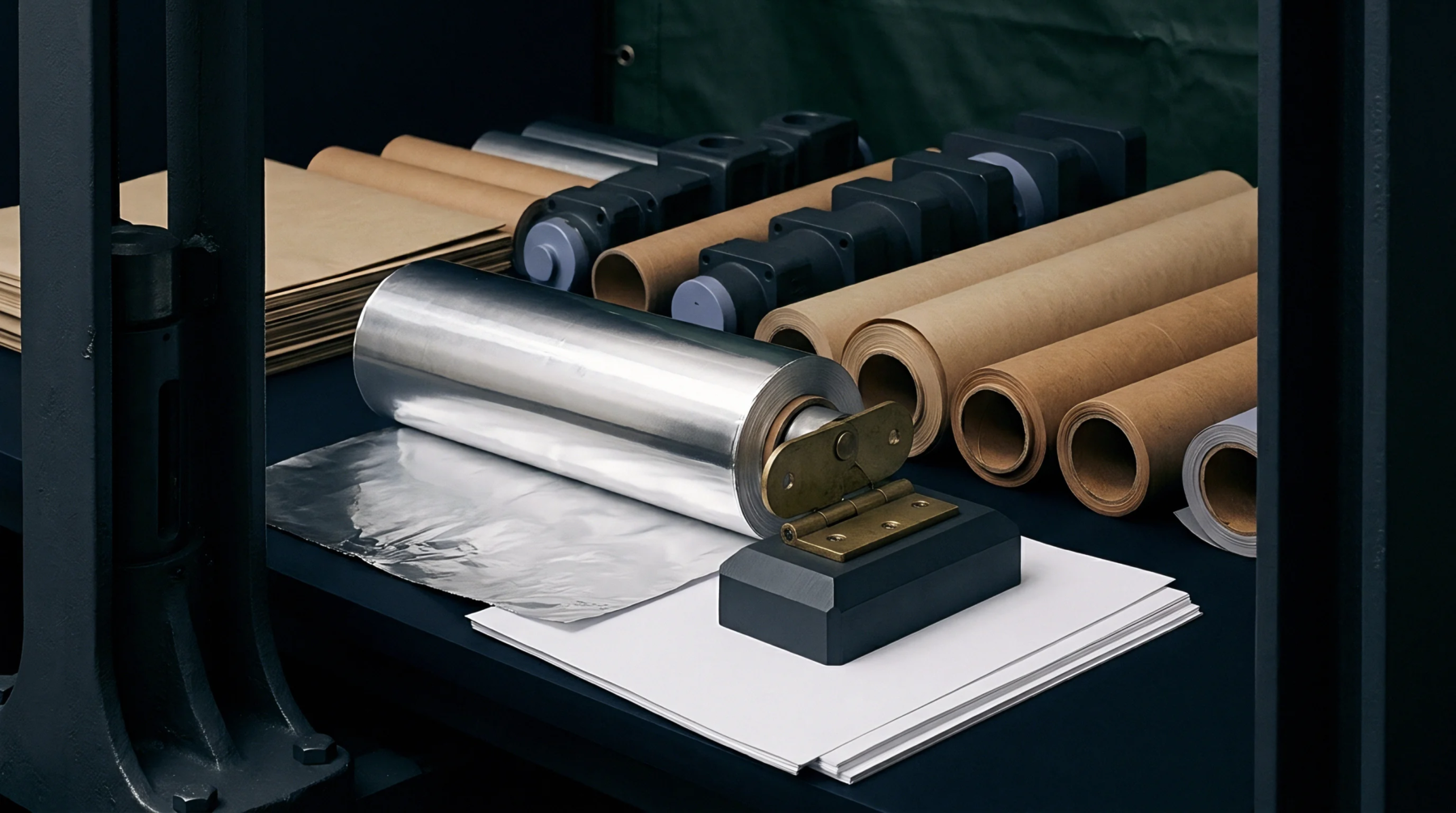
Base paperboards have high permeability and must be coated, extruded, or laminated with synthetic polymers or metal foils to achieve protective properties. The moisture vapor transmission rate drops when a board is combined with a thin layer of polyethylene, ethylene vinyl alcohol, or aluminum foil. In these composite structures, the barrier layer acts as a physical block, while the paperboard provides structural rigidity and printability.
Any physical micro-crack in the coating increases the transmission rate.
Testing Conditions
Standardized assessment is performed using test chambers at either tropical conditions (thirty-eight degrees Celsius and ninety percent relative humidity) or temperate conditions (twenty-three degrees Celsius and fifty percent relative humidity). This division allows environmental engineers to specify the correct barrier level for different regional distribution chains.