Structure Construction
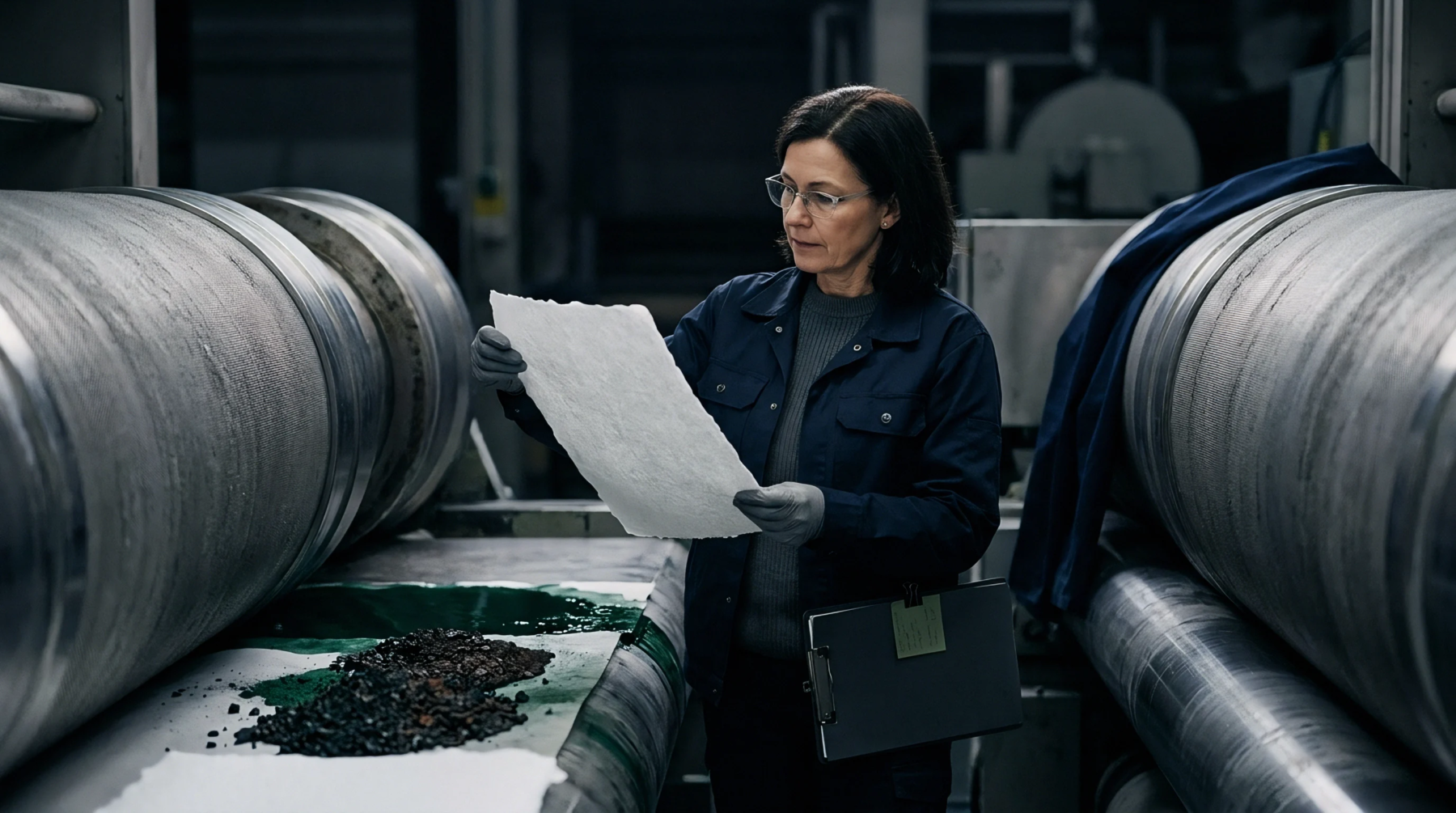
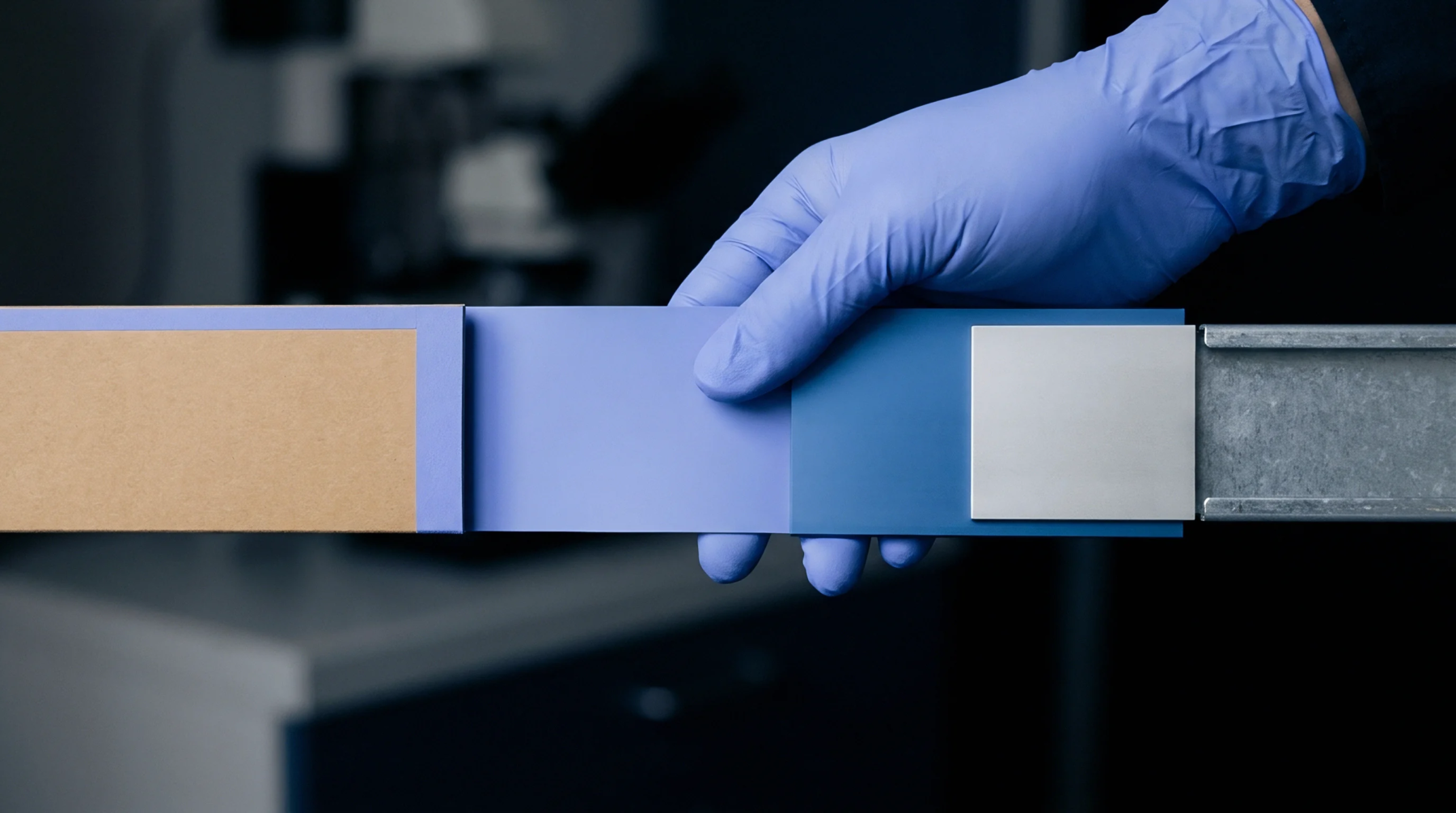
Laminated paperboard architecture relies on multiple discrete layers of cellulose fibres formed simultaneously or bonded in sequence to create a sheet with high stiffness and controlled thickness. These multi-ply boxboard sheets utilize different pulp grades for interior and exterior sections, allowing manufacturers to place expensive bleached virgin fibres on the surface while utilizing recycled or mechanical pulp for the internal bulk. Production begins at the wet end of a cylinder machine where vats collect individual plies.
Each vat feeds a continuous web onto a rotating mould that picks up the fibre layer. Vacuum pressure pulls water from the suspension to consolidate the sheet structure. Successive vats stack these webs until the cumulative mass forms the desired calliper.
Engineers monitor the drainage rate of each vat to ensure even bonding across the entire sheet width. Inconsistent drying between layers results in interlayer separation or edge curl under high heat. Correct alignment of these plies provides the necessary resistance against bending forces during the secondary packaging converting process.
Conversion Performance
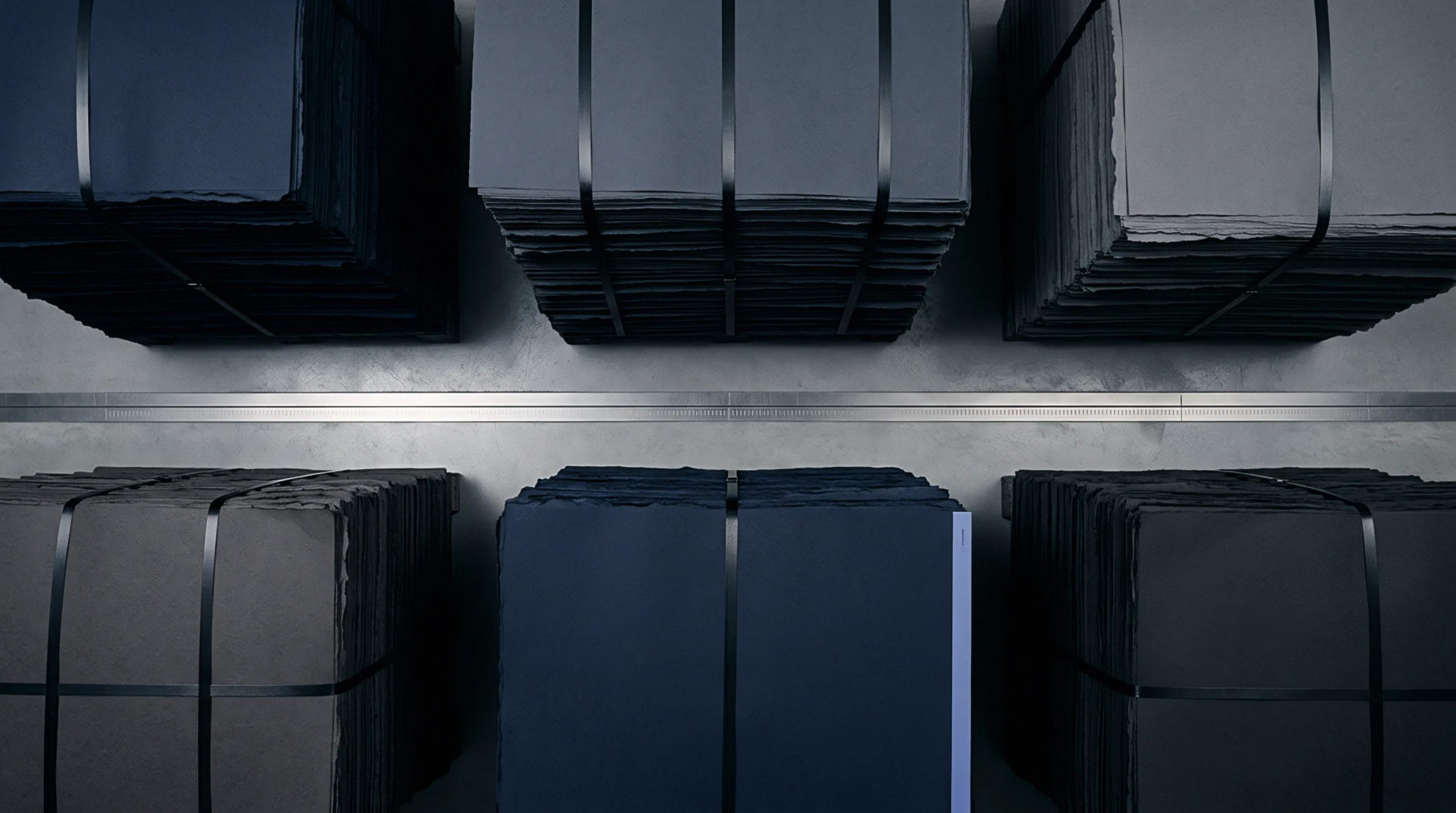
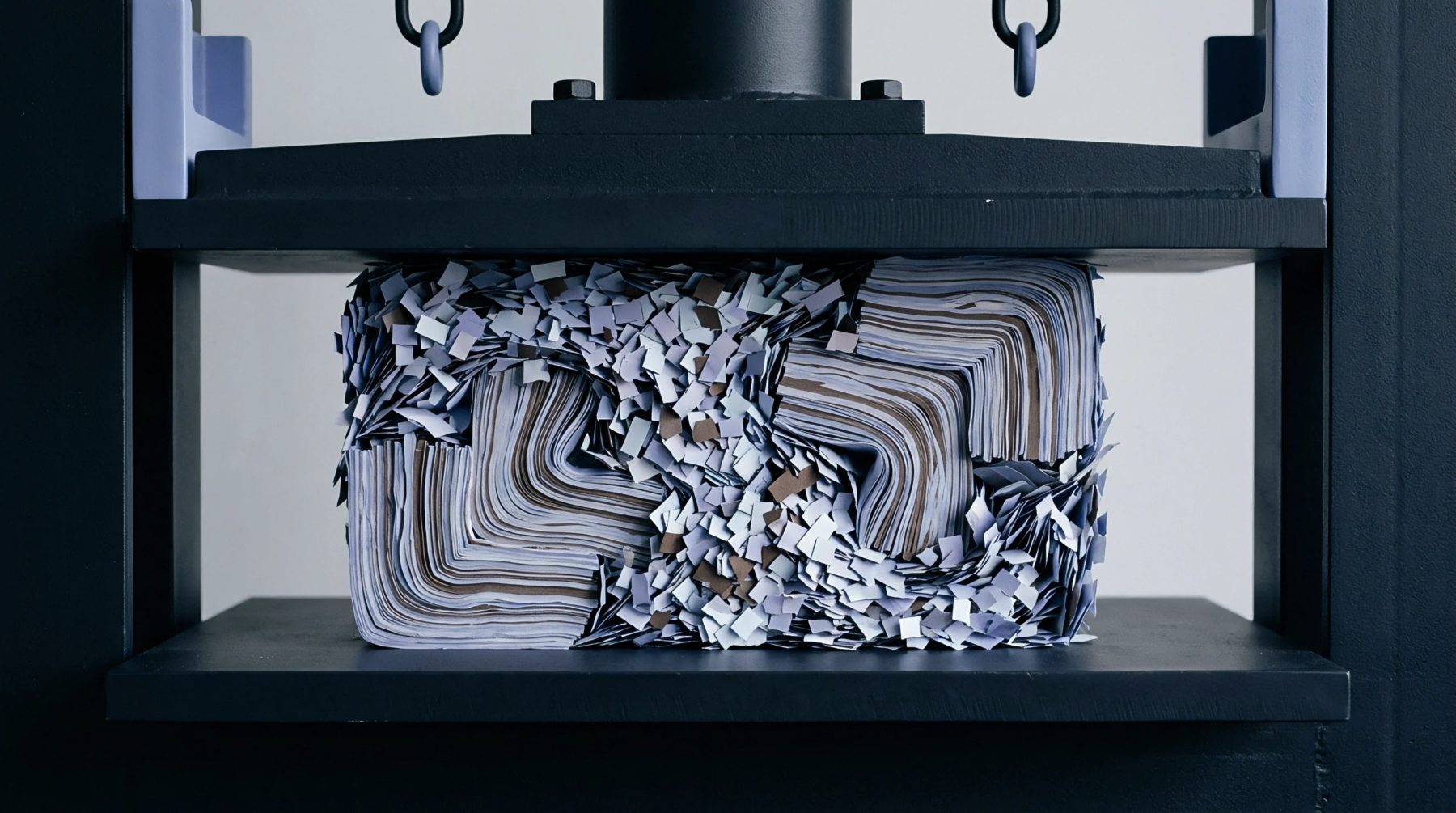
Die cutting and creasing operations require specific fibre orientation and moisture content to maintain structural integrity at the fold. High stiffness values protect the contents from deformation during transport and storage in vertical stack configurations. Folding carton equipment demands precise control over the calliper to prevent jamming in high speed automated filling lines.
Surface smoothness levels determine the quality of the ink transfer and the accuracy of fine register printing jobs. Coat weights applied during finishing influence the absorption properties and the final gloss intensity. Optimal sheet density balances the need for rigidity against the requirement for flexible score lines that resist cracking.
Material Composition
Recycled fibre content often dictates the physical properties of the inner plies, whereas the top liner uses specialized pulps to meet appearance requirements. Moisture levels stay between five and eight percent to ensure the board remains stable during conversion. Variation in the fibre mix within these layers directly affects the internal bond strength of the finished sheet.
Fibre source certification tracks the chain of custody for the incoming wood supply through the pulping facility. Stable raw material supply chains reduce deviations in the board performance across large print runs. Density remains the primary driver of board stiffness.