Fluid Penetration
Capillary action governs the speed at which a liquid moves into the internal structure of a substrate. Paperboard absorbency describes the rate and volume of fluid uptake within the sheet before total saturation occurs. Manufacturers define this property through the Cobb test where a specific area of the material faces water for a set duration.
Surface sizing and internal chemical additives dictate the resistance level to prevent uncontrolled moisture migration during high speed liquid packaging operations. Excessive wicking into the fibre matrix causes edge swell and structural weakness in a finished container.
Surface Interaction
Print quality relies on the controlled release of ink vehicles into the coating layer of the board. Paperboard absorbency acts as a primary variable in determining dot gain and trapping performance on lithographic or flexographic presses. Porosity levels in the base sheet determine how quickly the liquid component of an ink penetrates the surface fibers.
A sheet lacking sufficient holdout allows pigment to sink deep into the bulk which reduces final gloss and vibrancy. Printers adjust viscosity and drying times to match the specific uptake profile of the chosen grade. Coating weight and binder chemistry provide the mechanical barrier that modulates this uptake during the drying stage.
High absorbency variations across a single web lead to inconsistent density and mottling which complicates color matching during long print runs.
Production Boundary
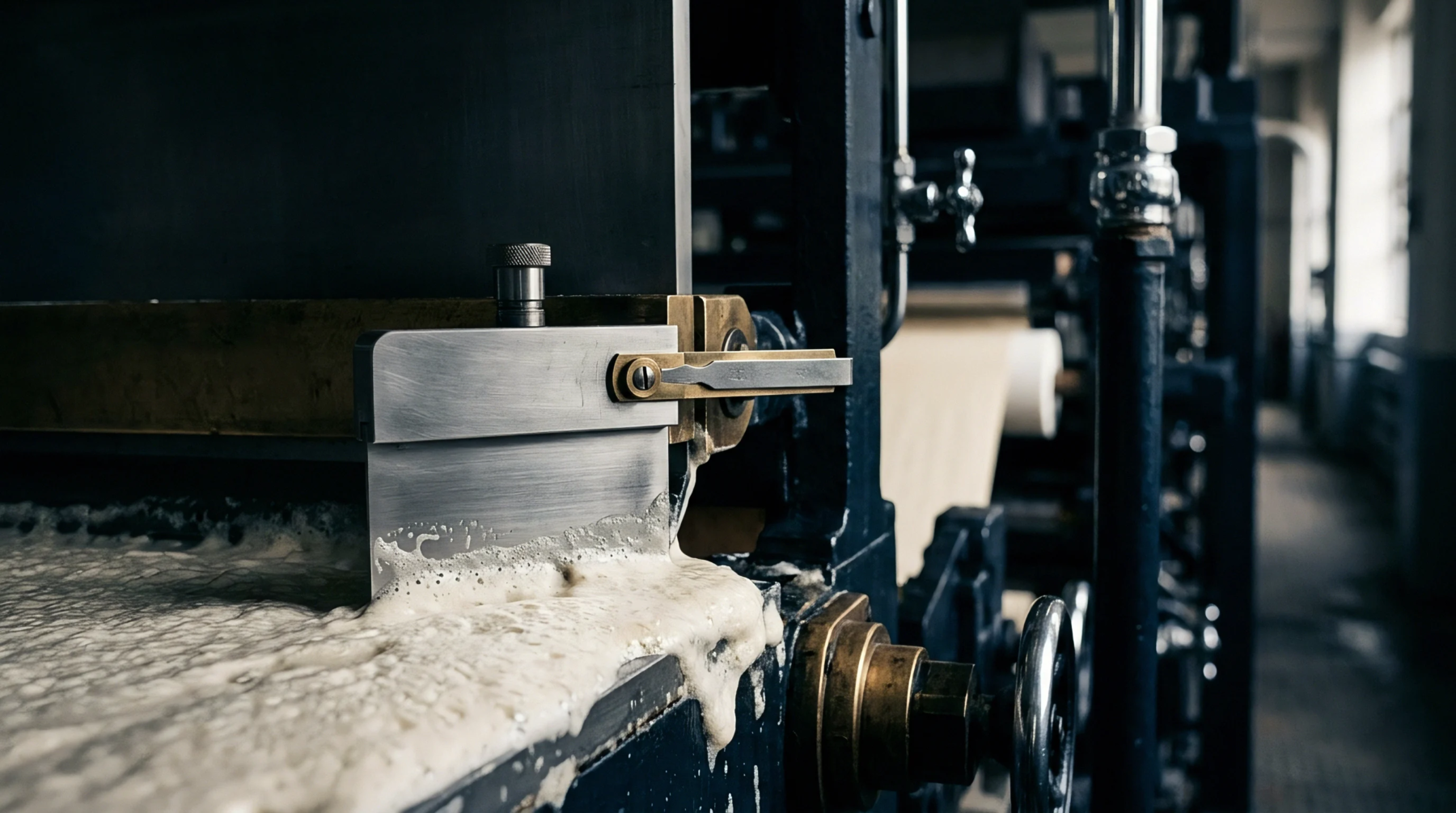
Mill engineers manage this metric by adjusting the internal sizing agents during the wet end process. Paperboard absorbency establishes a hard constraint for converting lines that apply water based adhesives or cold seals. Glue penetration depth determines the bond strength at the seam of a carton.
Low levels prevent the liquid adhesive from anchoring properly to the surface fibers. High levels draw too much moisture from the glue line which causes the bond to fail under mechanical stress. Converting equipment requires uniform absorption rates to ensure the timing of setting stays consistent.
Performance specifications remain constant across a production batch to maintain machine speed without adjusting glue application pressures. The final moisture content of the board modulates the rate of fluid acceptance during all subsequent manufacturing steps.