Structural Force
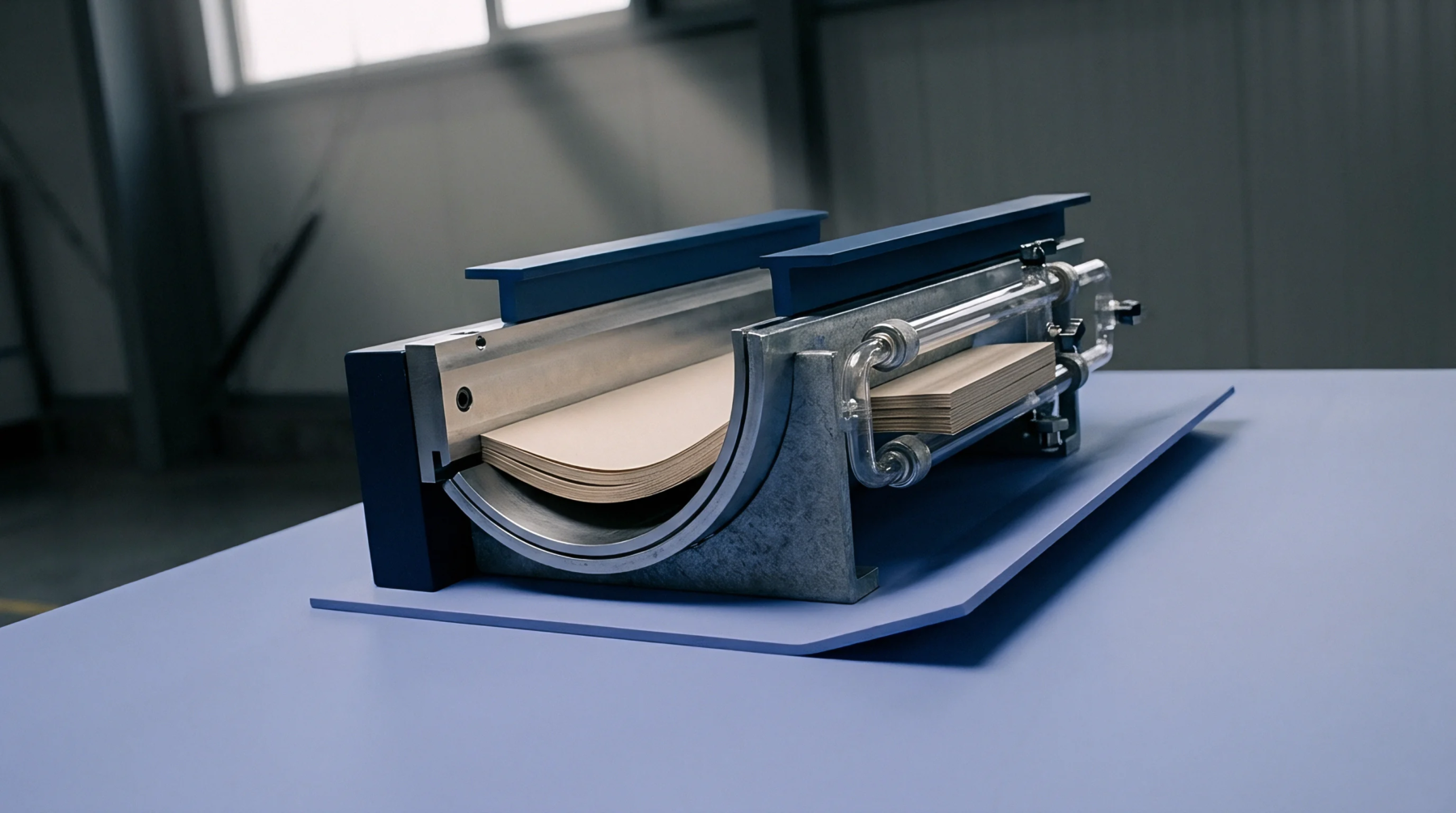
Mechanical pressure applied to the thickness of a material tests its ability to withstand stacking loads in a warehouse. The z-axis compression measures the deformation and eventual collapse of a sheet or structure when force is applied perpendicular to its surface. This property is vital for corrugated board used in shipping containers where the vertical strength of the walls prevents the box from crushing.
Engineers use this data to calculate the safe stacking height for pallets in a supply chain.
Testing Procedure
Specialized laboratory instruments apply a steadily increasing load to a small sample until the internal structure fails. The results for z-axis compression are usually recorded in kilopascals or newtons to provide a standardized metric for comparison between different grades. This test is distinct from edge-wise compression because it focuses on the internal bond and the resistance of the individual plys to crushing.
Performance Variable
Relative humidity has a measurable impact on the strength of cellulose fibres and the performance of the adhesive bonds. As moisture levels rise, the resistance to z-axis compression typically decreases, making the packaging more susceptible to damage in humid climates. Paper mills adjust the fibre refining and the starch application to enhance this resistance for demanding applications.
In heavy-duty industrial packaging, the ability to maintain structural integrity under load is the primary requirement for material selection. Long-term creep, where a material slowly deforms under a constant load, is also evaluated to ensure the longevity of the package.