
Process Capability Analysis Fundamentals for Flexible Packaging Laminates
Valid process capability analysis for packaging laminates requires fitting non-normal distribution models to verified inter-layer peel and coat weight data.
Valid process capability analysis for packaging laminates requires fitting non-normal distribution models to verified inter-layer peel and coat weight data.
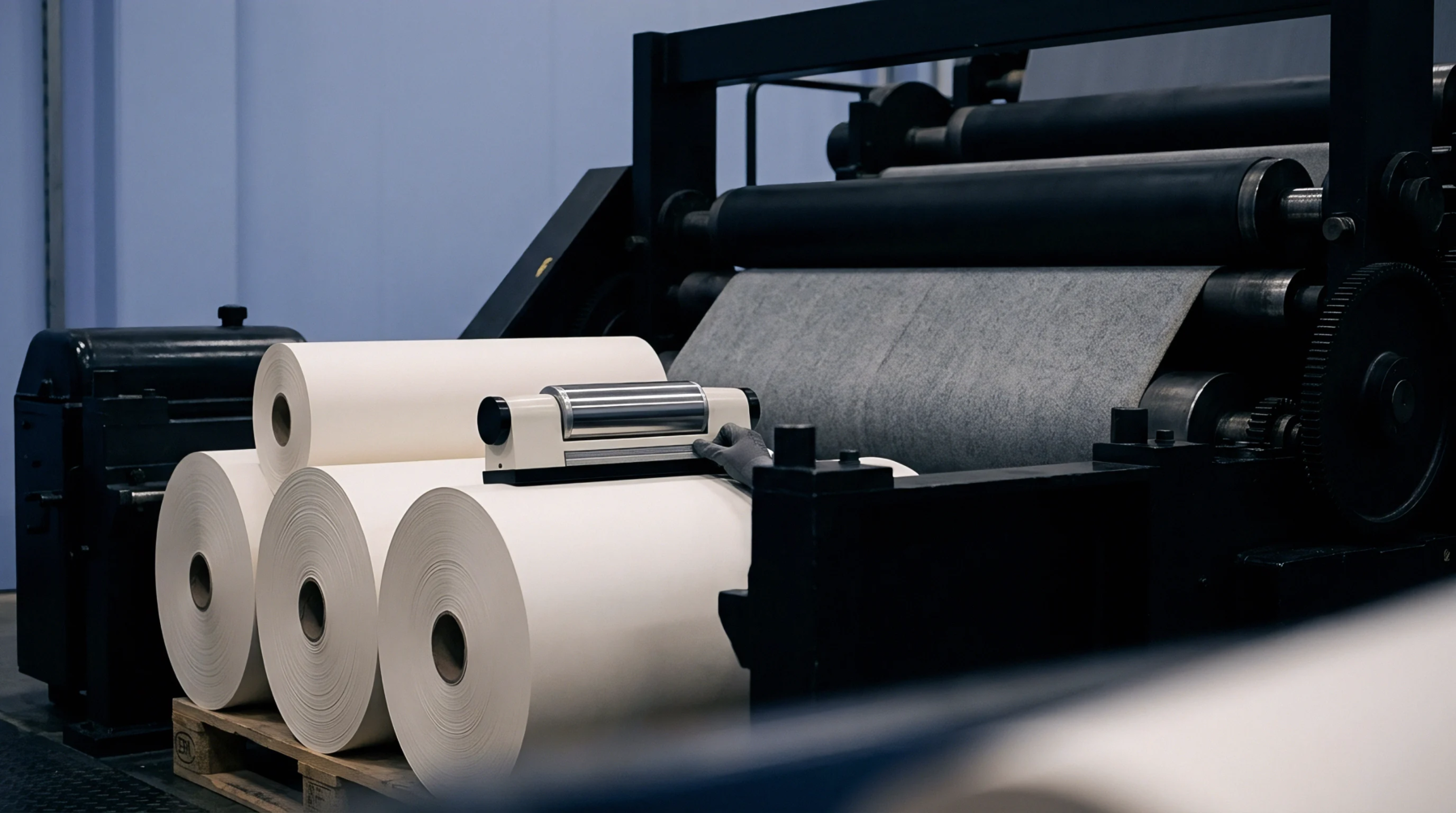
Resolving tracer segregation requires matching masterbatch viscosity to carrier resin, optimizing feedblock shear, and validating single-side specific migration limits.

Unreacted photoinitiator migration is controlled by using polymeric initiators, verifying UV dose, and validating low-migration limits via LC-MS/MS testing.

Verify photoinitiator migration limits through LC-MS/MS testing, inert cure controls, and compliant low-migration ink systems.

Dichloromethane extraction of recycled pulp requires saponification clean-up to separate natural pine resins from synthetic polyolefin oligomers in compliance files.

Gravimetric residue verification and chain of custody tracking secure legal packaging compliance by proving fiber origin and food contact migration limits under border enforcement audit standards.

Food contact paperboard compliance demands simulant-specific migration testing, GC-MS target analysis, and verified declarations of compliance.

Deriving dynamic mathematical scaling factors converts static 10-day laboratory migration values into accurate millisecond dwell predictions for high-speed mandrel lines.

Barrier paperboard compliance requires isolating coatings from cut-edge wicking, quantifying NIAS and fluorochemicals, and validating folded seams.

Gas phase hydrocarbon migration across recycled board demands rigorous Tenax adsorption verification to prevent false-negative compliance reports.

Paperboard food packaging compliance hinges on matching extraction tests to actual filling conditions and securing complete chemical inventory disclosures.
Verify food grade recycled paperboard by pairing accredited migration dossiers with mill-level chain of custody to protect European market clearance.

Toxicological evaluation of recycled fiber finishes requires matching dispersion barrier lag times against MOSH and MOAH migration thresholds using Tenax.

Standardized chromatographic baseline subtraction isolates mineral oil signals from matrix interferences to ensure legally defensible packaging compliance files.

Harmonized gas chromatography baseline integration rules remove laboratory variance in recycled packaging migration reports to secure defensible food contact declarations.

Functional barriers prevent chemical migration from paperboard into food by limiting permeation below zero point zero one milligrams per kilogram over shelf life.

Multi-layer functional barrier audits require combining solvent contaminant extraction, Piringer diffusion modeling, and Tenax simulant chromatography.

Validating polyethylene migration models requires verifying polymer density, migrant initial concentration, and empirical diffusion coefficients against bench testing.

Mathematical diffusion modeling applies Fickian transfer equations and conservative polymer diffusivities to demonstrate food contact compliance without empirical testing.

Single-sided migration cell testing isolates extruded polyethylene layers from paperboard edge wicking, ensuring regulatory compliance under EU and FDA rules.

Accurate polyolefin migrant diffusion modeling requires calibrating Piringer matrix parameters against density, temperature, and layer swelling profiles.

Valid paperboard food contact declarations require verified test reports under matching simulants, clear barrier claims, and full batch supply chain traceability.
Expertise is a utility, not a secret. sentiention™ publishes its working knowledge as open reference: intelligence layer covering the materials it sources, the markets it enters, and the reference that serves both.