
What FSC and PEFC Certification Actually Prove about Paper
FSC and PEFC prove auditable timber origin and mass-balance fiber accounting; they do not prove food safety, chemical purity, repulpability, or EUDR compliance.
FSC and PEFC prove auditable timber origin and mass-balance fiber accounting; they do not prove food safety, chemical purity, repulpability, or EUDR compliance.

Paperboard chemical retention and migration compliance requires verifying wet-end additive fixation, simulant extractions, and mass transfer kinetic barriers.

Polymeric paperboard barrier integrity depends on kinetic diffusion rates and mechanical crease limits verified through certified mass transfer modeling.

Gas chromatography verification requires static headspace extraction at 100 degrees Celsius to quantify residual ink solvents down to zero point five milligrams.

Modified solid simulant Tenax TA testing under EN 14338 verifies gas-phase MOSH and MOAH migration from recycled paperboard without false-positive wax interference.

Paperboard chemical migration testing requires matching food simulants to substrate porosity, using Tenax for dry media and certified barrier qualification.

Auditing food contact board certificates requires verifying laboratory test simulants, thermal parameters, and surface ratios against real package converting limits.

Photoinitiator migration limits demand complete photopolymer conversion or functional containment to keep extractable residues below 10 parts per billion.

Aqueous barrier coatings on food contact paperboard require accredited migration, extraction, and permeation testing matching real food simulants and shelf temperatures.

Mitigate polymer swap risks by pairing ATR-FTIR incoming resin screening with enforceable supplier contracts capping liability to full downstream food loss.

Resolving multi layer migration liability requires linking batch trace numbers to accredited specific migration reports and contract indemnity clauses.

Evaluating paperboard barrier food contact declarations requires verifying specific migration limits, functional barrier continuity, and total NIAS disclosures.

Food contact safety for recycled board requires functional barrier proof and complete chain of custody documentation down to invoice line items.
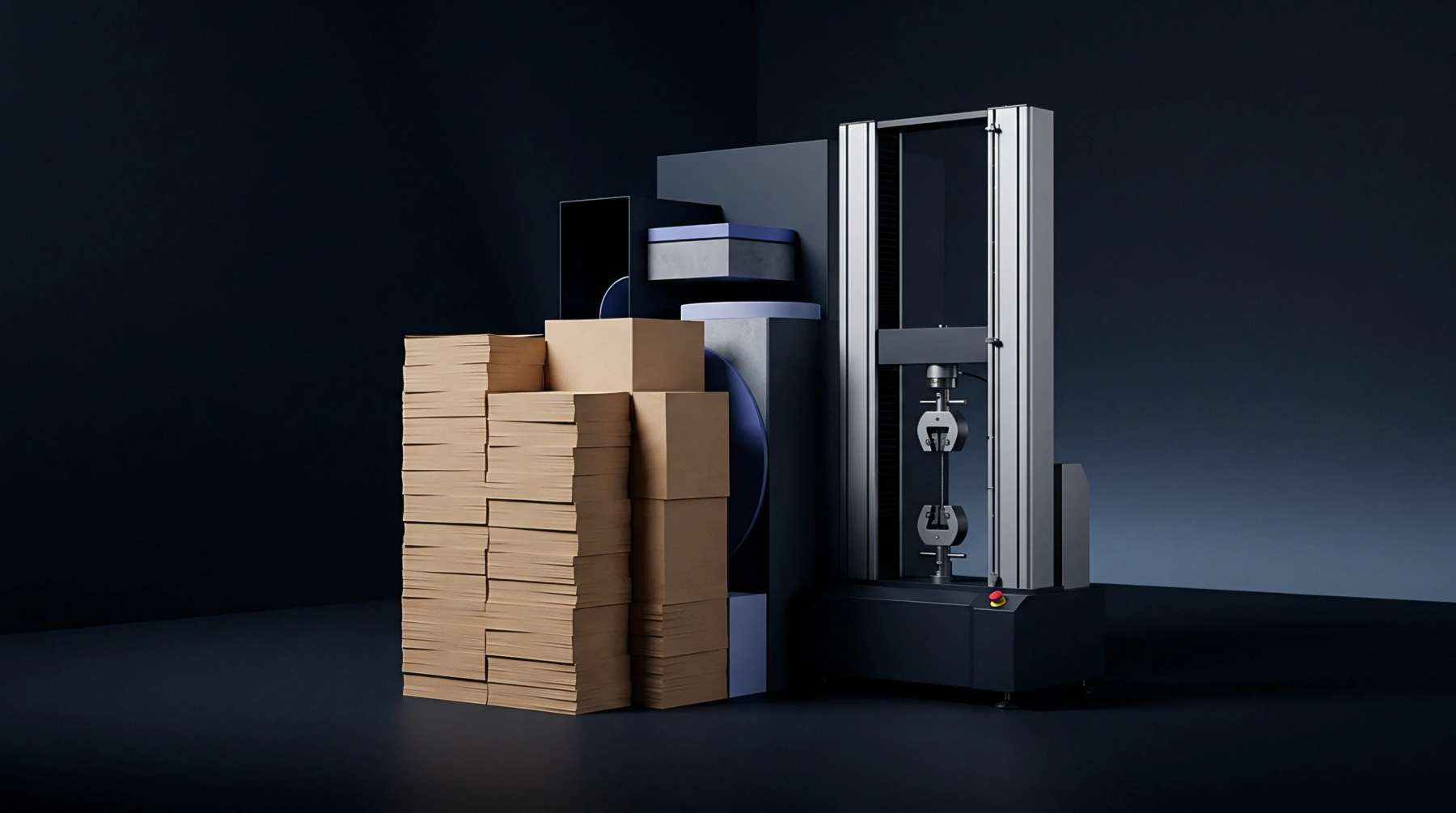
Verify polymer barrier paperboard through creased Cobb testing, migration simulant suites, Cepi repulpability yields, and lot-matched Declarations of Compliance.

Verification of recycled paperboard food contact compliance requires LC-GC-FID testing for MOSH and MOAH migration alongside verified functional barriers.

Accelerated static laboratory migration data underestimates dynamic food contact mass transfer on high-speed filling lines unless corrected for strain cracking and fluid shear.
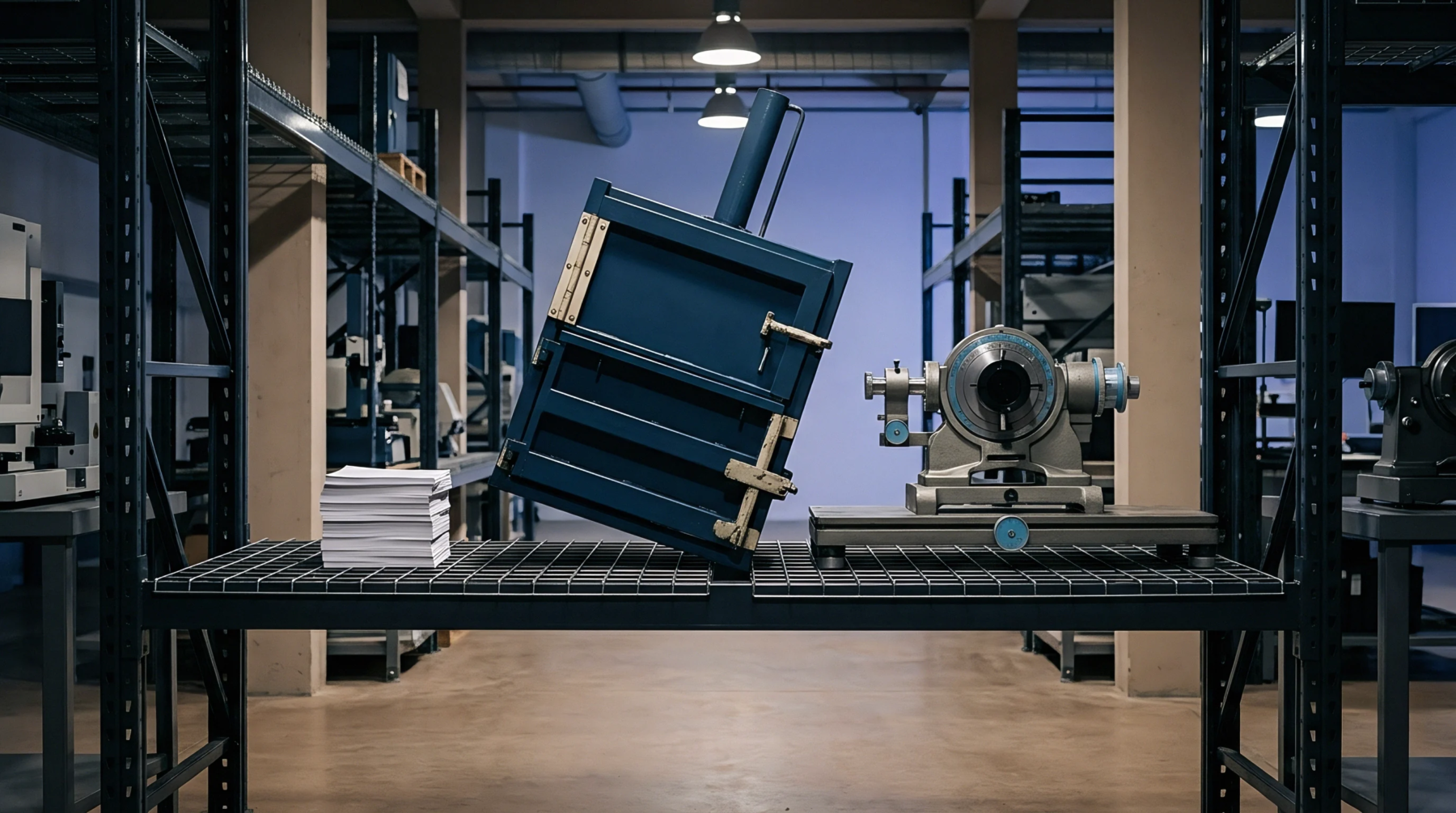
Paperboard food contact compliance requires verified migration testing using specific simulants and GC-MS or LC-GC-FID analytics to enforce migration safety limits.
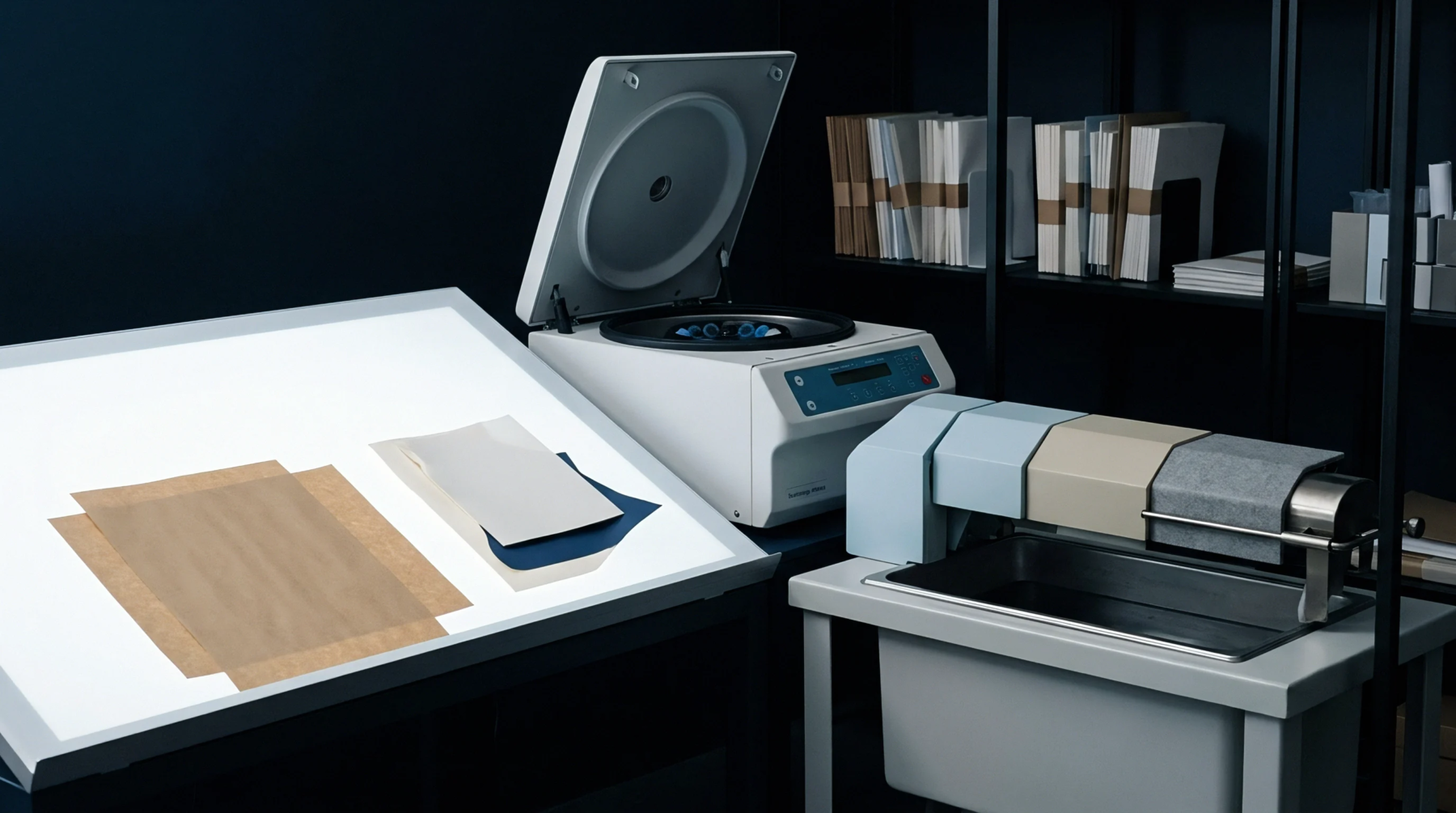
Recycled paperboard chemical compliance demands specific migration testing via Tenax and LC-GC-FID to quantify MOSH MOAH transfer before signing declarations.

Photoinitiator migration limits in food contact print finishes are determined through standardized simulant extractions quantified by GC-MS or LC-MS testing.

Auditing paperboard compliance certificates requires verifying accredited laboratory migration data against regional chemical limits and matching mill batch codes.

Polyolefin regulatory compliance requires explicit contractual indemnity clauses tied to batch-level migration and third-party chain of custody certification.

Recycled board PAH compliance relies on toluene GC-MS analysis to distinguish carcinogenic aromatic rings from mineral oil matrices for REACH entry 50.
Functional barrier efficiency requires quantifying MOSH and MOAH lag times and breakthrough rates using Tenax adsorption under validated kinetic conditions.
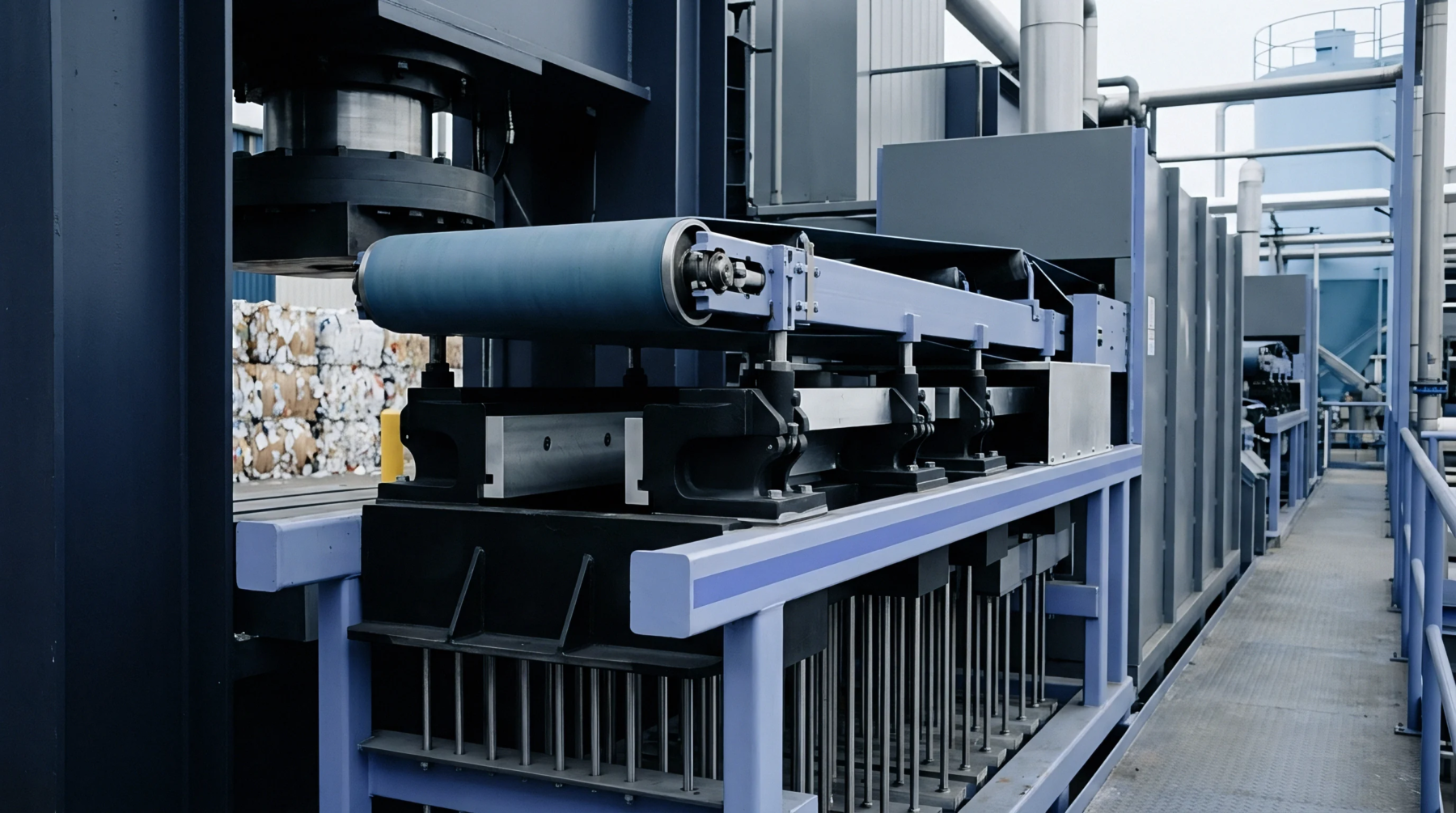
Chemical recycling mass balance claims require unbroken multi-tier site certificates and strict proportional allocation ledgers to prevent customs rejections.
Packaging dossiers for recycled paperboard require LC-GC-FID and HRMS testing verifying MOAH below 0.5 mg/kg and uncharacterized NIAS below 0.01 mg/kg.

Unbleached kraft requires Florisil cleanup and transesterification GC-MS to isolate epoxidized vegetable oil from wood resin acids below migration limits.

Mitigate mass spectrometry interferences in high-lignin paper migration assays using solid phase clean-up, isotopic dilution, and multidimensional separation.
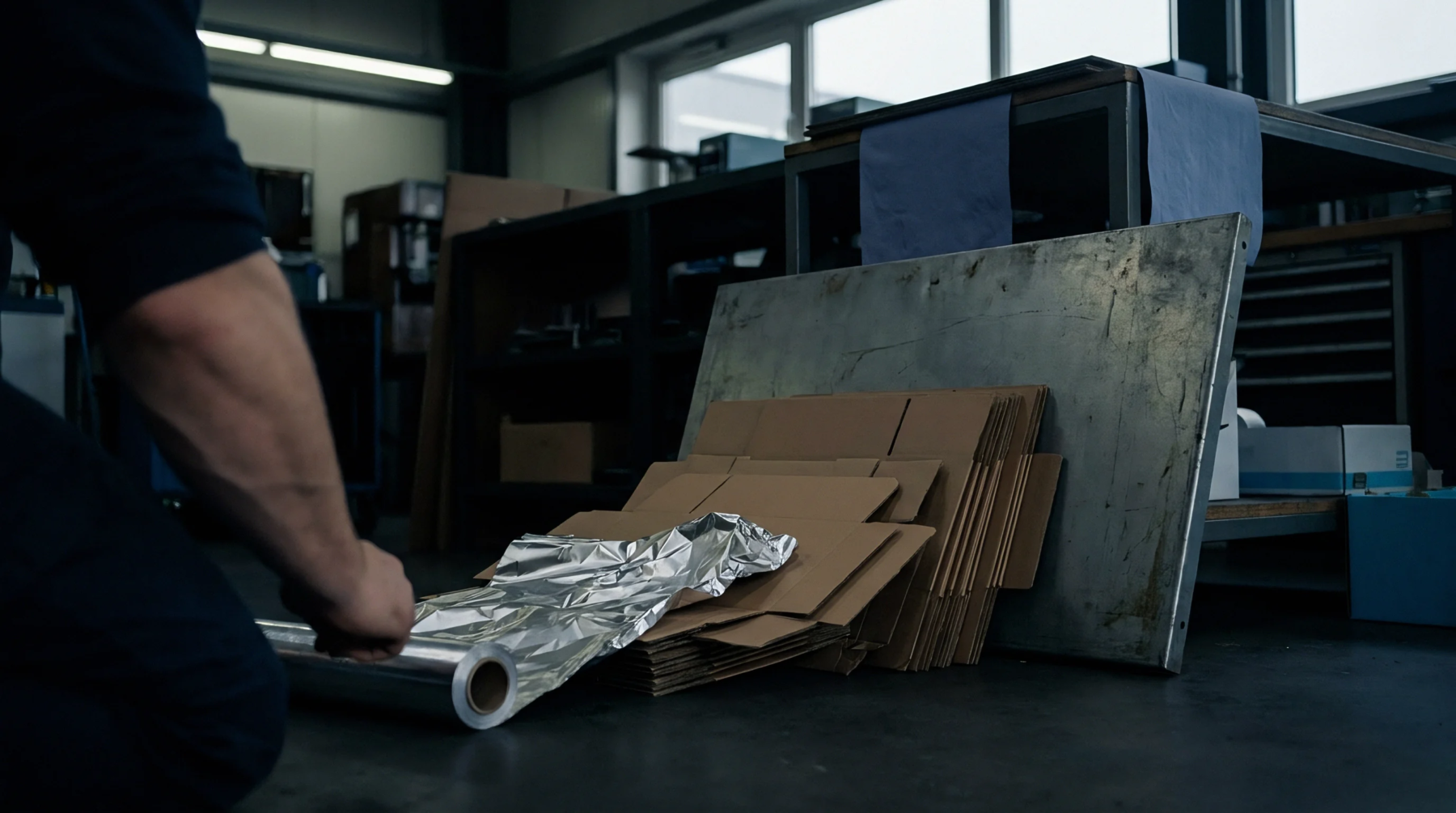
Border detentions of coated recycled board yield to synchronized batch testing, accurate CN tariff classification, and verified mineral oil migration limits.

Determining migration compliance relies on exact food simulant testing, functional barrier verification, and complete analytical records across all converter tiers.
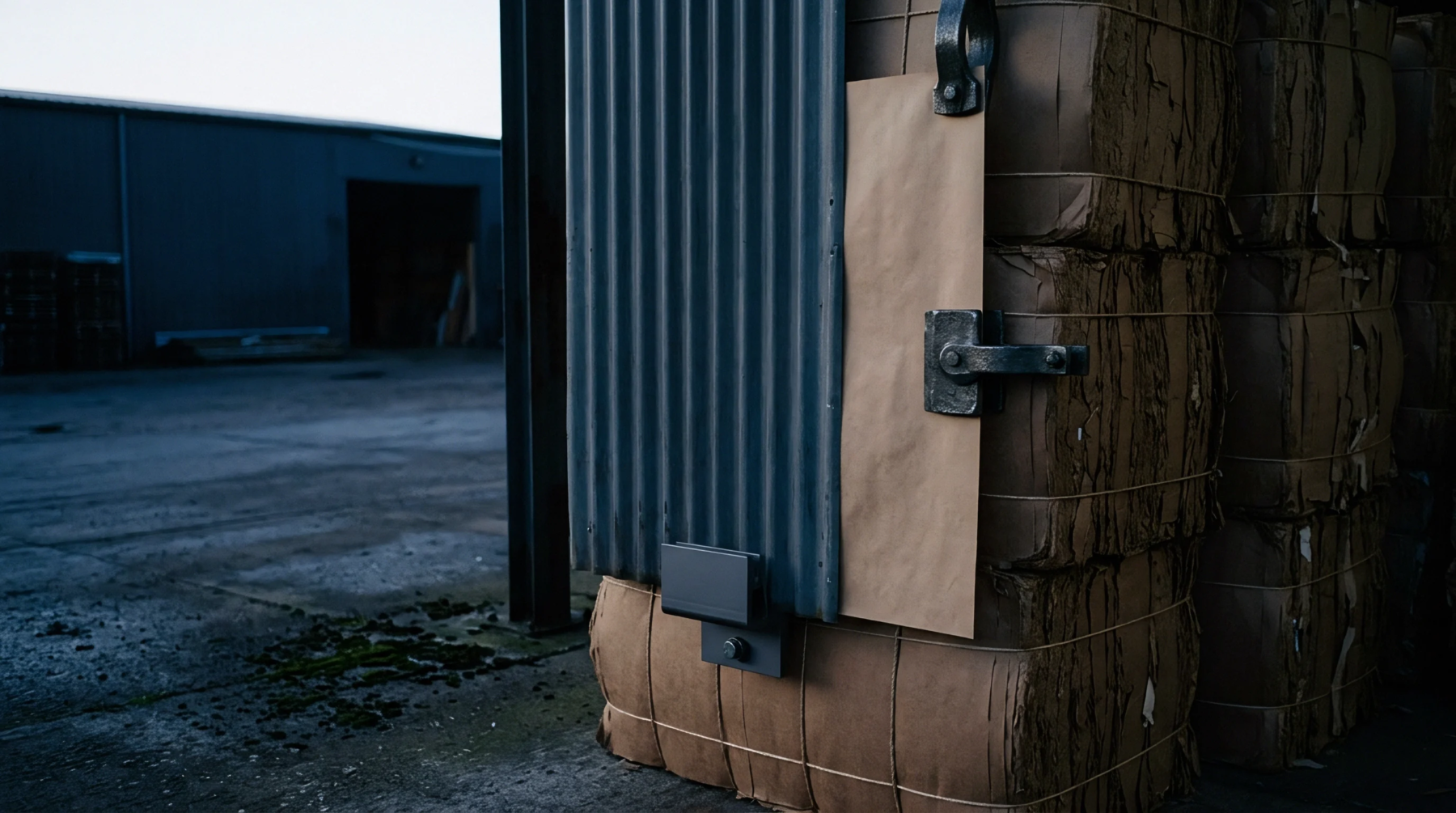
Boundary tolerances for deinked pulp require batch testing under DIN EN 16995, limiting MOSH below 24 mg/kg and MOAH below 0.5 mg/kg with verified barriers.
Expertise is a utility, not a secret. sentiention™ publishes its working knowledge as open reference: intelligence layer covering the materials it sources, the markets it enters, and the reference that serves both.