Cross Direction Scoreline Shear Behavior in Paperboard Cartons
Cross direction scoreline shear requires precise matrix clearance to split internal plies into sliding lamellae without exceeding outer liner tensile limits.
Cross direction scoreline shear requires precise matrix clearance to split internal plies into sliding lamellae without exceeding outer liner tensile limits.
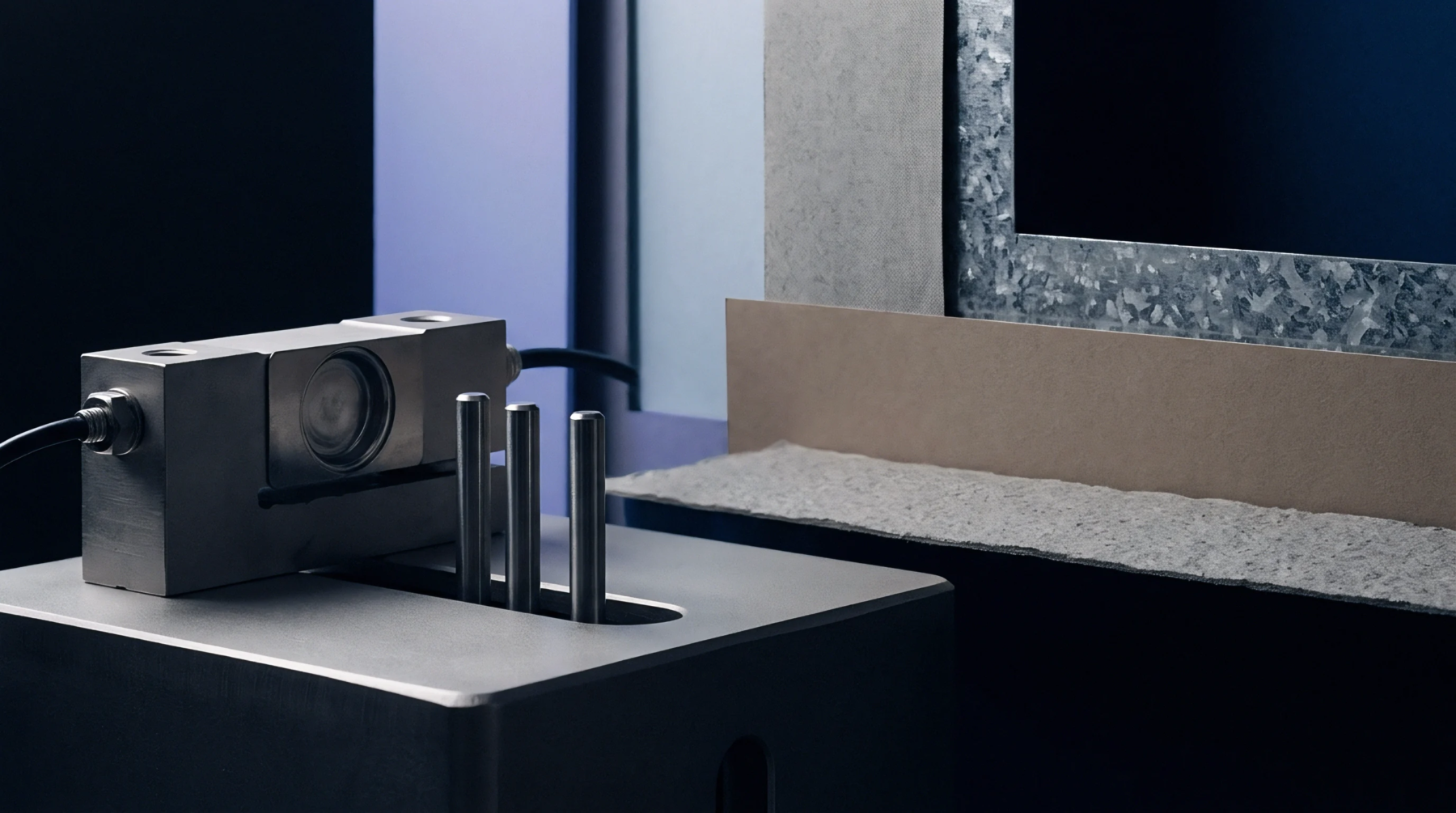
Interlaminar shear mechanics govern multilayer paperboard creasing, where controlled internal delamination reduces score stiffness to prevent outer ply cracking.
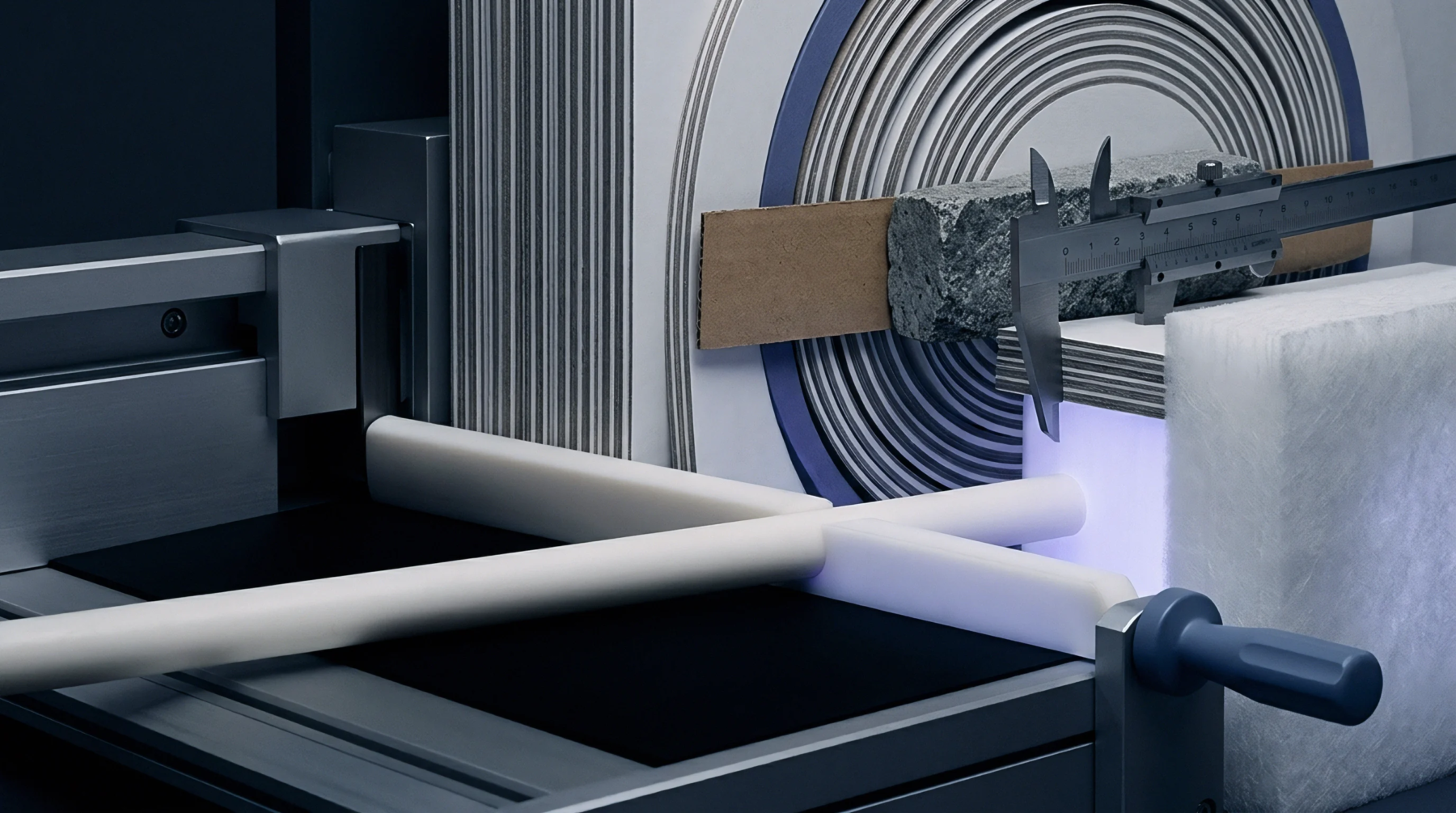
Calibrating paperboard yield stress via oscillatory mechanics prevents score line cracking by matching die channel dimensions to dynamic coating strain limits.

Dynamic multi-ply board creasing requires rate-dependent matrix clearance adjustments to prevent top-liner shear splitting during millisecond tool indentation.
Predictive mechanical creasing models calculate rule penetration and matrix pairing to induce controlled delamination while preventing surface liner fracture.

Water-coated SBS board requires wider female creasing channels to offset aqueous polymer springback and prevent high-speed folder-gluer carton failures.
Water sorption depresses latex film glass transition temperatures, slashing barrier composite stiffness by up to 45% and requiring controlled crosslinking.
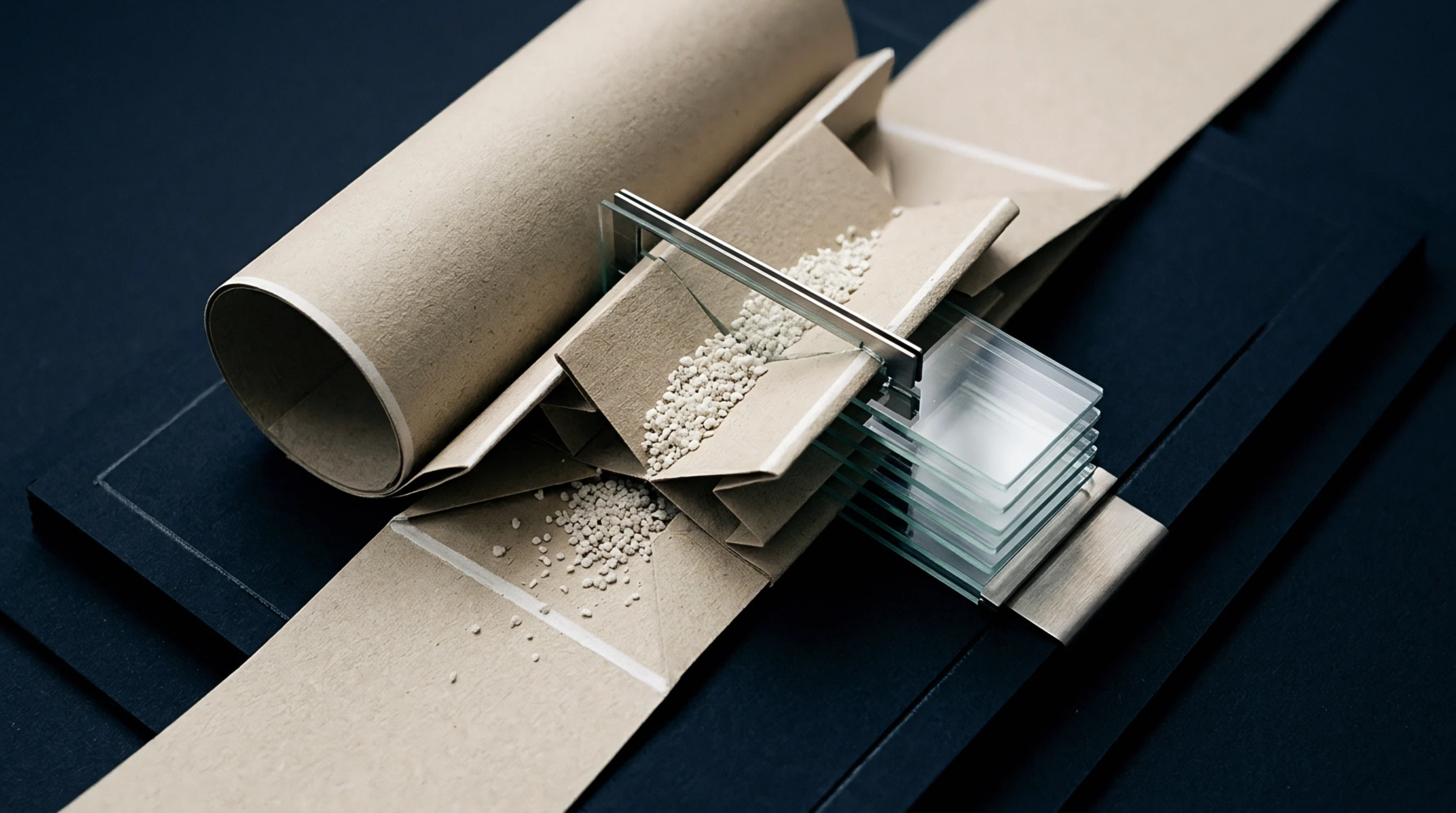
Cross direction creasing of chemical pulp requires expanding matrix channel width to 1.5 to 1.7 times board caliper plus rule width to prevent liner cracking.
Expertise is a utility, not a secret. sentiention™ publishes its working knowledge as open reference: intelligence layer covering the materials it sources, the markets it enters, and the reference that serves both.