Photoinitiator Migration Mechanisms in Recycled Paperboard Packaging
Recycled paperboard carries residual photoinitiator background that requires gas-tight functional barriers or low-migration ink sets to pass compliance limits.
Recycled paperboard carries residual photoinitiator background that requires gas-tight functional barriers or low-migration ink sets to pass compliance limits.
Barrier board photoinitiator extraction obeys Fickian kinetics, requiring polymeric initiators or crack-free functional coatings to meet strict migration limits.
Evaluating dynamic migration kinetics confirms functional barrier specs for recycled paperboard under variable transport temperatures.

Deriving dynamic mathematical scaling factors converts static 10-day laboratory migration values into accurate millisecond dwell predictions for high-speed mandrel lines.
Polyolefin food contact compliance relies on matching substrate density and application temperature to standardized simulants, reduction factors, and exact migration testing protocols.

Dynamic surface hydrodynamics dictate migrant penetration rates, requiring verified mathematical modeling and specific migration testing to ensure border entry compliance.
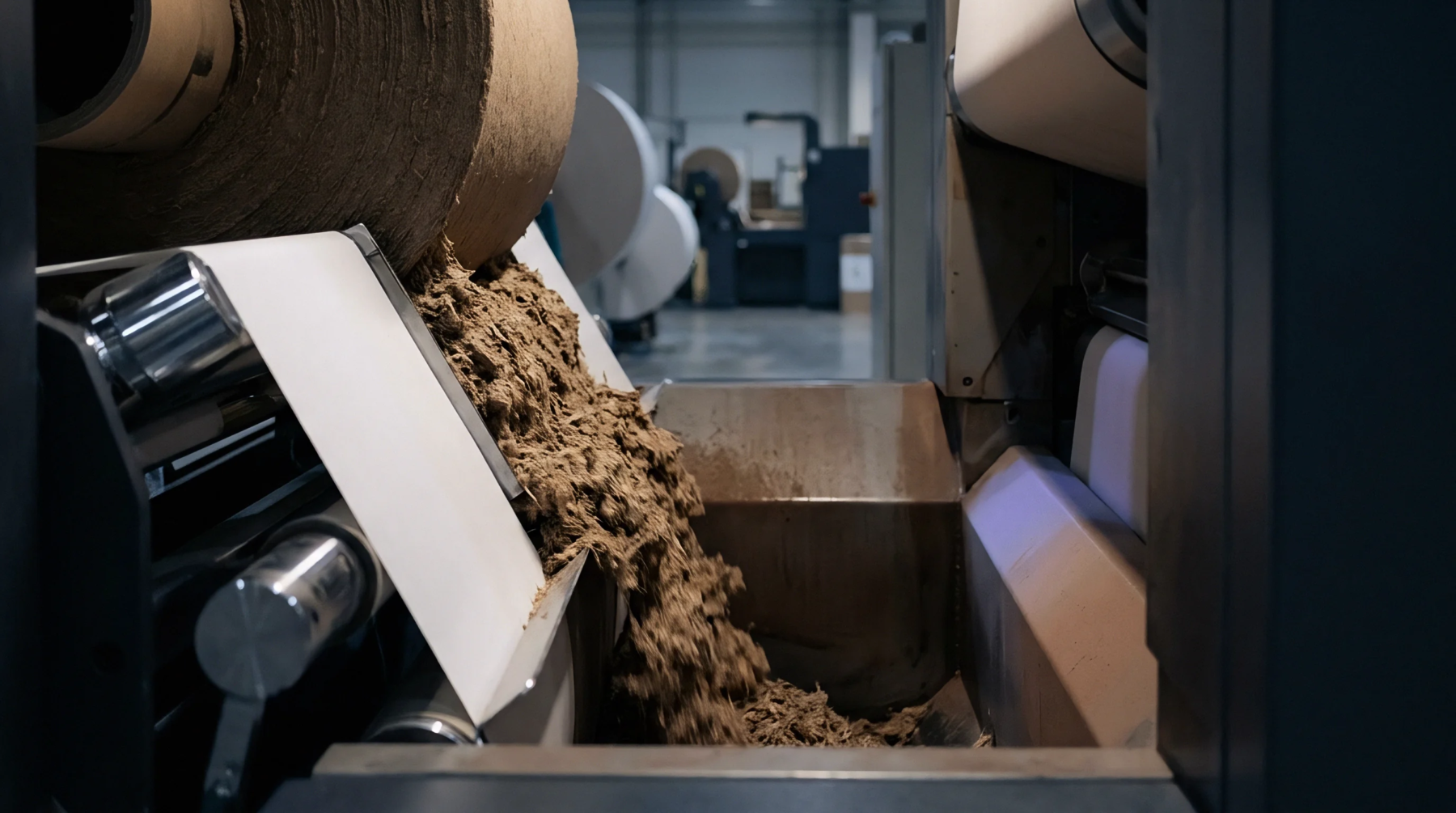
Moisture-induced delamination in recycled board converting is prevented by matching nip shear profiles to moisture-softened z-directional strength parameters.

Finite element subroutines coupling hygro-expansion and interface traction degradation predict tropical pallet stack stability under dynamic vibration.
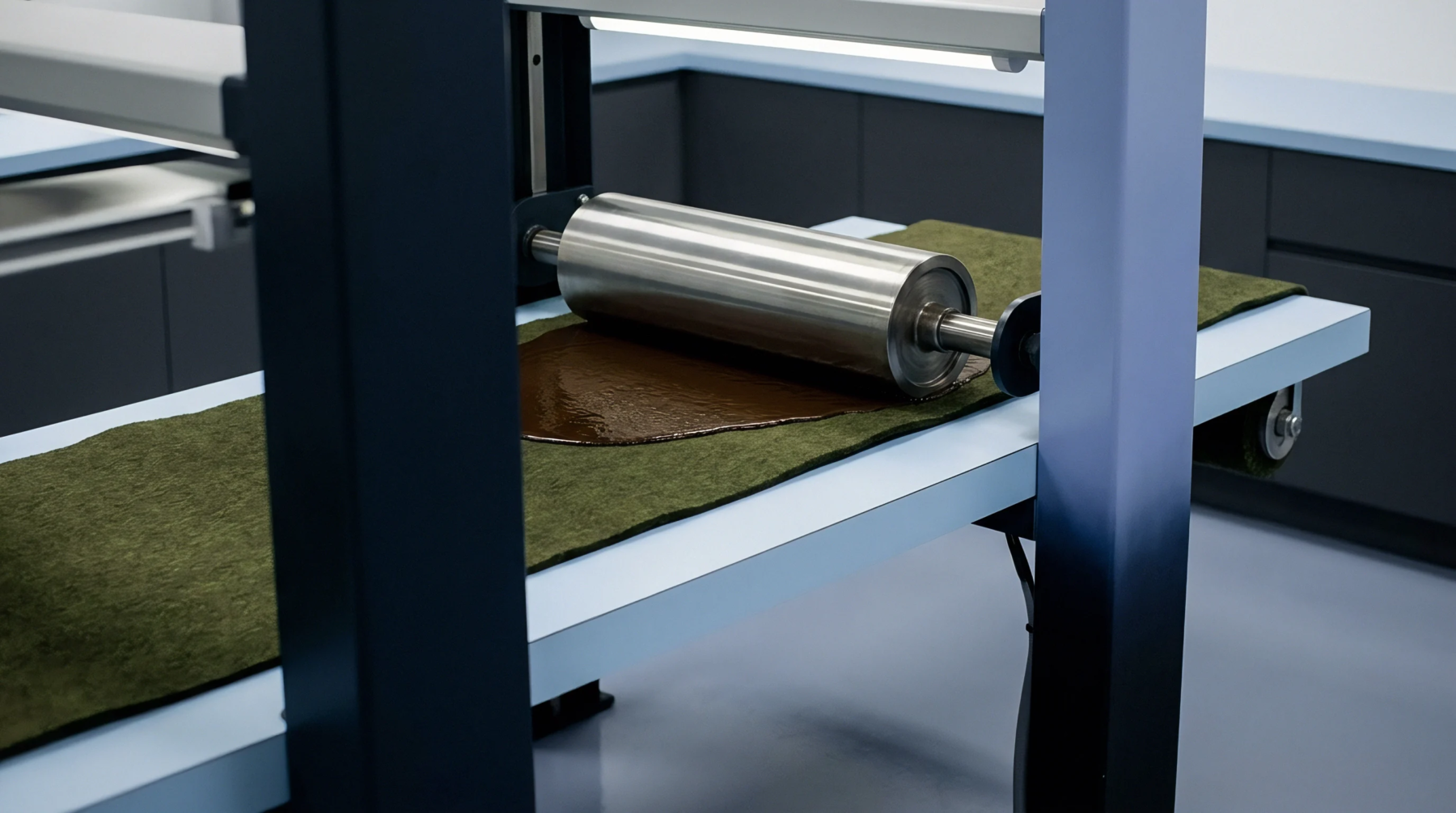
Secondary fiber webs undergo accelerated mechano-sorptive creep during cyclic converting humidity, demanding climate-controlled bays to prevent register loss.
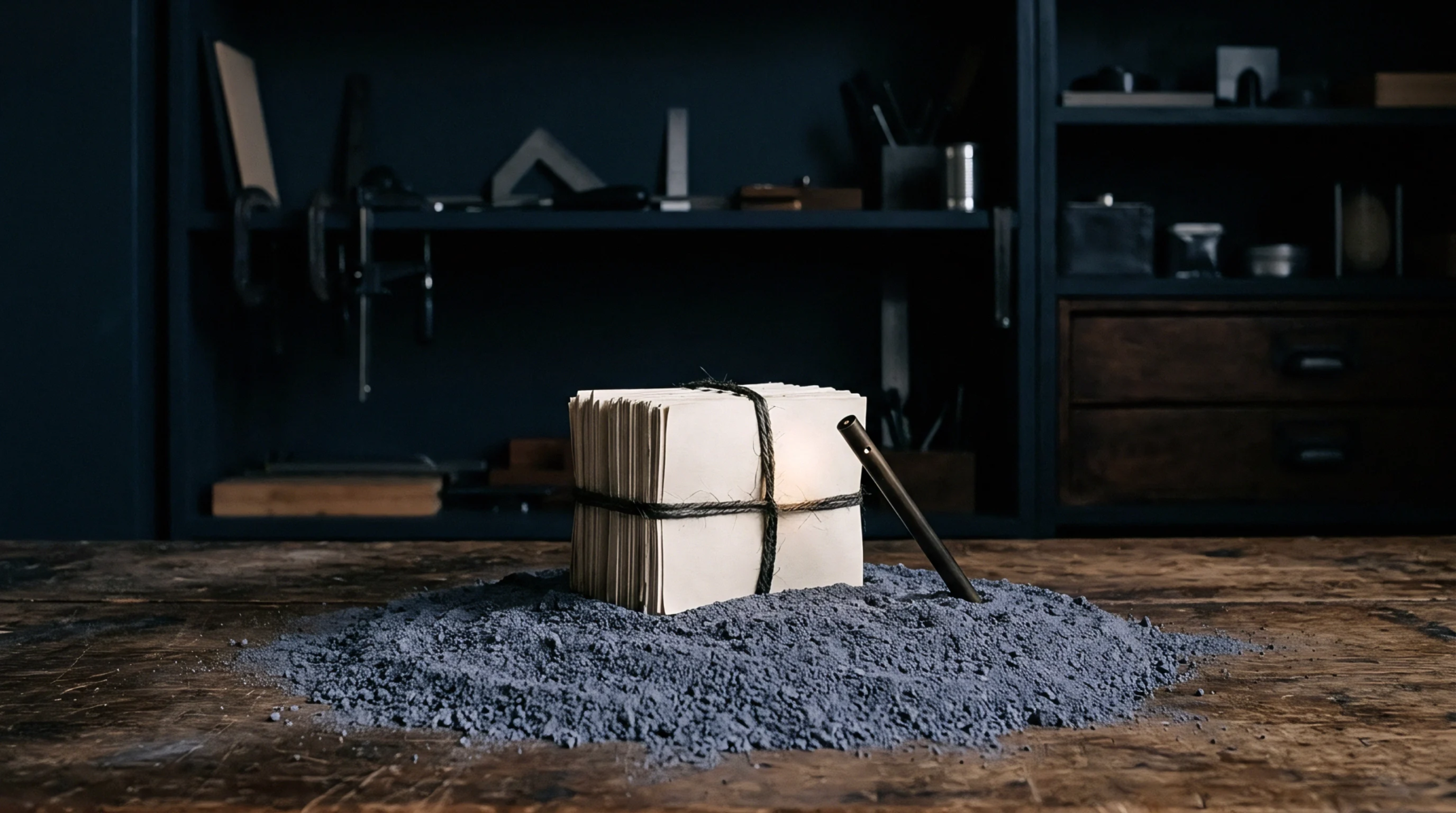
Gas phase hydrocarbon migration across recycled board demands rigorous Tenax adsorption verification to prevent false-negative compliance reports.

Hydrothermal delamination rates in sustainable barrier boards depend on moisture diffusion kinetics and plasticization-induced work of adhesion decay.
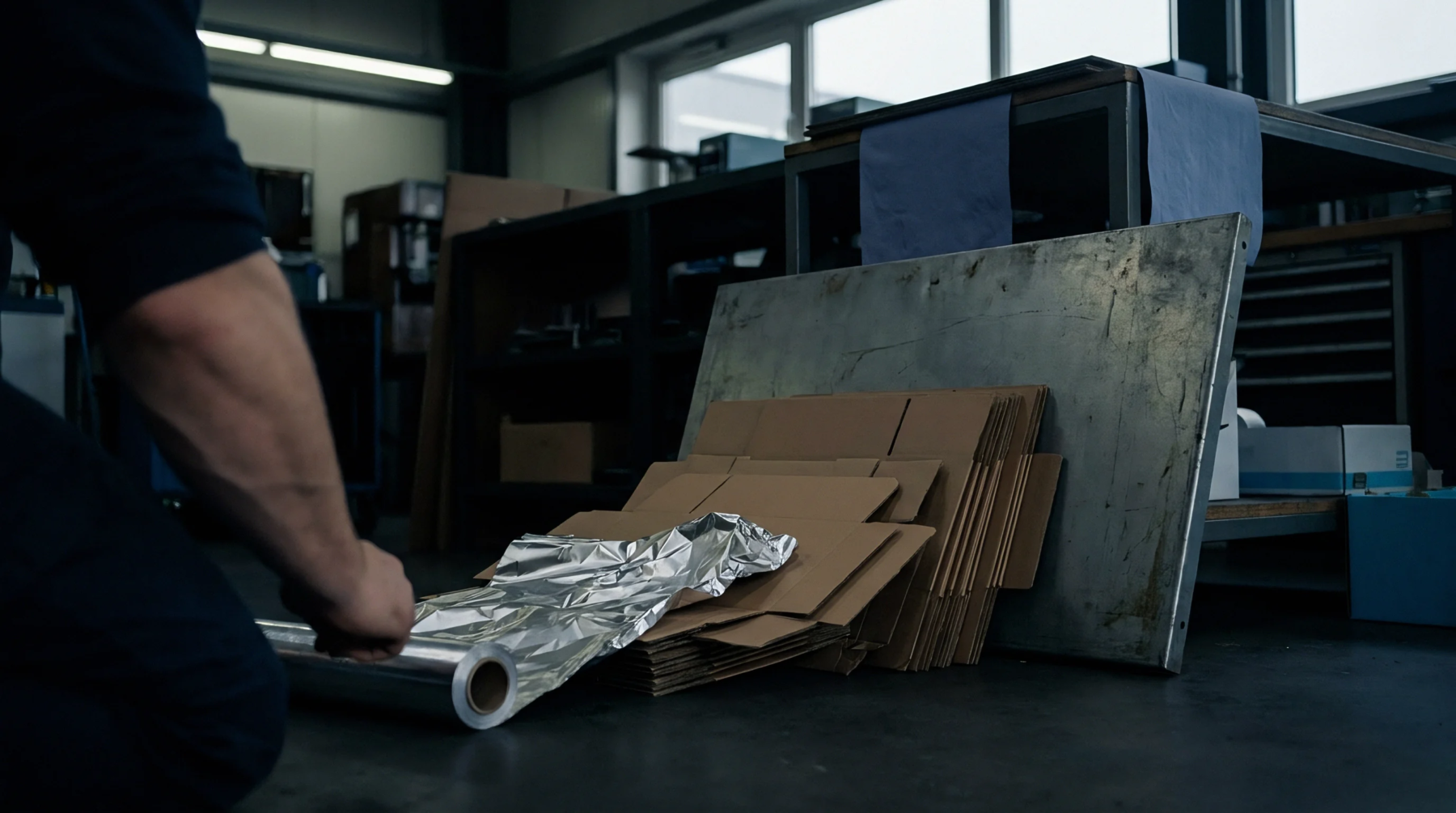
Dynamic vapor sorption kinetic modeling quantifies moisture diffusion rates and hysteresis in recycled testliner to prevent transit creep collapse.

Dynamic vapor sorption hysteresis modeling predicts real-world moisture barrier loss in microfibrillated cellulose under fluctuating humidity conditions.
Expertise is a utility, not a secret. sentiention™ publishes its working knowledge as open reference: intelligence layer covering the materials it sources, the markets it enters, and the reference that serves both.