Structural Phenomenon
Irreversible internal pore collapse within the cell walls of wood pulp fibers occurs during repeated drying and re-wetting cycles. As liquid water leaves the microscopic pores of cellulosic fibers, capillary forces draw internal surfaces together, allowing adjacent cellulose microfibrils to form permanent hydrogen bonds and localized crystalline regions. This process of hornification permanently reduces fiber swelling capacity, wet flexibility, and specific surface area when dry pulp or recycled paper is re-dispersed in water.
The phenomenon affects chemical pulps severely while mechanical pulps show lower susceptibility due to residual lignin.
Papermaking Consequence
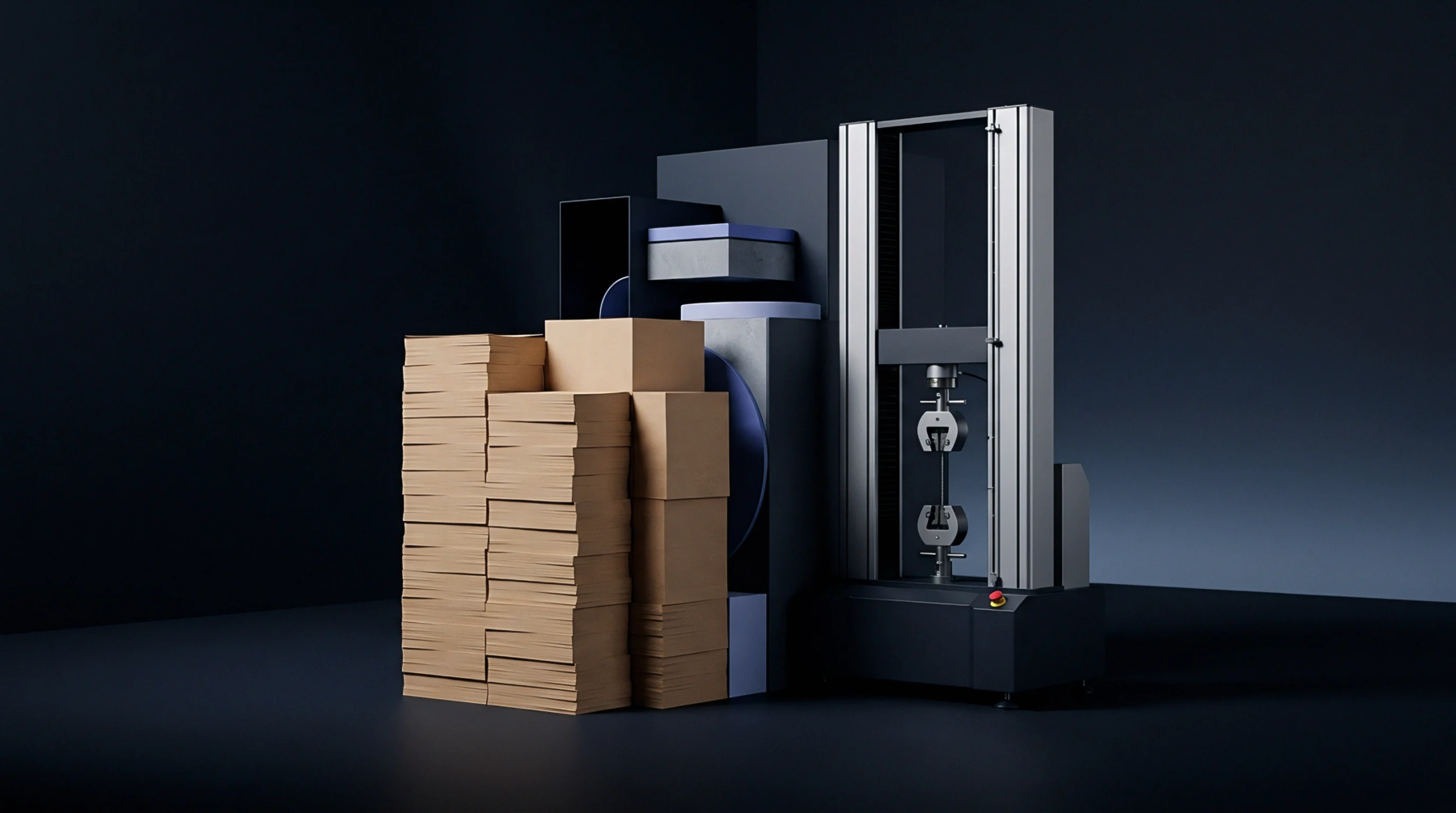
Recycled pulp slurries exhibiting severe microfibril collapse produce paper sheets with reduced tensile strength, lower bursting indices, and diminished folding endurance. Inflexible fibers fail to conform to one another during wet pressing, yielding a porous, bulky sheet structure with weak inter-fiber bonding. Papermakers must apply supplementary mechanical refining or add synthetic dry-strength resins to compensate for lost fiber flexibility.
Recovery Treatment
Chemical conditioning with sodium hydroxide at elevated temperatures swells collapsed fiber walls and partially restores conformability. Mechanical refining re-fibrillates the external wall surface by stripping away the inert outer layers, though it shortens brittle recycled fibers. Enzymatic treatment using cellulases increases fiber wall permeability without inducing severe fiber breakage.