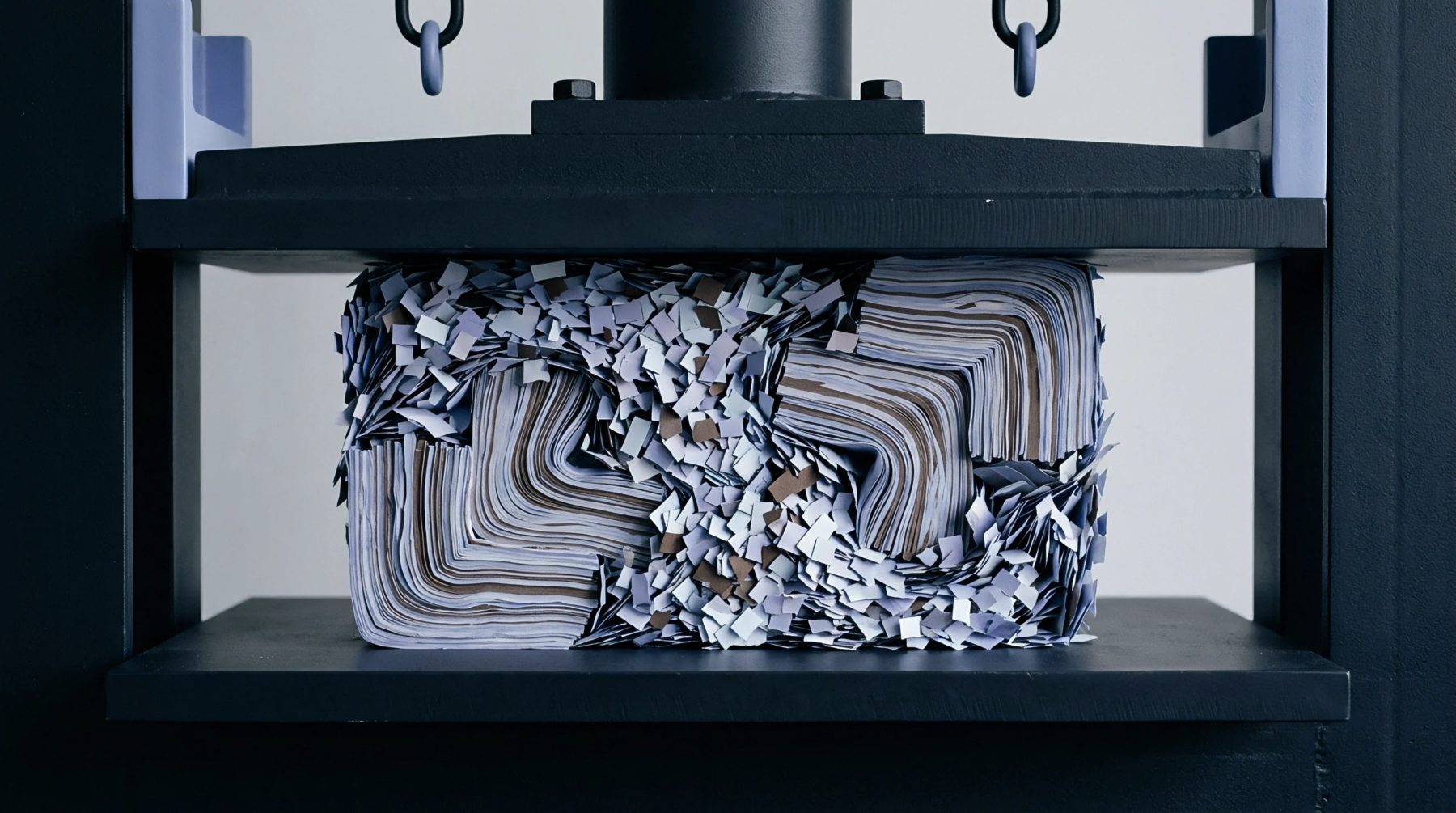
Fibre Length Loss across Recycling Loops and Score Cracking
Recycled fibre shortening and hornification limit bending strain, requiring wider matrix channels and virgin top layers to prevent score cracking.
Recycled fibre shortening and hornification limit bending strain, requiring wider matrix channels and virgin top layers to prevent score cracking.

Fibre length degradation in recycled boxboard reduces sheet stiffness and score integrity, requiring chemical bonding additives or higher basis weight to preserve performance.
Fractionating recycled furnish prior to low-consistency refining preserves boxboard caliper while meeting internal bond targets at reduced energy consumption.
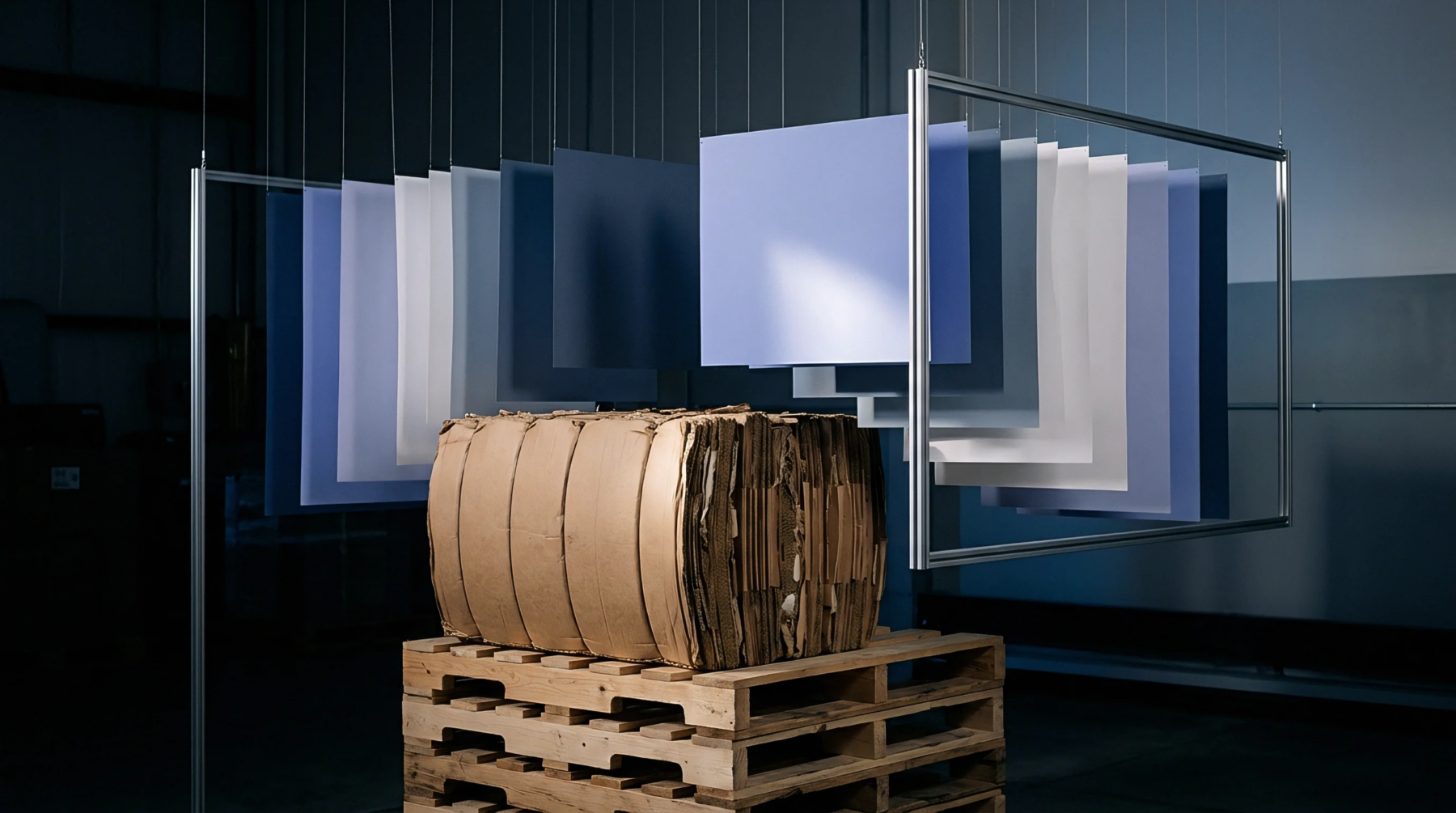
Optimizing multi-ply recycled containerboard requires strategic furnish distribution and precise starch application to maximize stiffness while lowering total fiber cost.
Microfibril moisture binding follows GAB sorption kinetics where mesopore condensation above M0 plasticizes fiber networks, requiring crosslinking to preserve barriers.
Dynamic ambient humidity accelerates creep failure in recycled containerboard, requiring increased structural safety factors and dynamic testing to prevent stack collapse.

Polymer film pinholing across creased recycled stock stems from hornified fiber end punctures under high dynamic strain rates during package converting.

Dynamic crease stiffness reduction ratios must be evaluated under operational strain rates of 1000°/s to 5000°/s to prevent high-speed cartoning line jams.
Recycled fiber networks lose up to forty percent of tensile strength under cyclic transport humidity swings due to bond dislocation and localized hygroexpansion.

Hornification in secondary fibres reduces internal pore volume and alters optical scattering, requiring dynamic wetting controls to prevent press mottle.
Recycled boxboard interlaminar shear thresholds decay non-linearly above 65% RH due to fiber hornification and starch matrix plasticization.
Dynamic calibration transfer standardizes online near-infrared sensors across recycled furnish nodes, maintaining prediction accuracy across shifting pulp matrices.

Dynamic delamination thresholds in recycled calipers dictate converted score integrity, requiring minimum inter-ply shear energy dissipation under high strain rates.
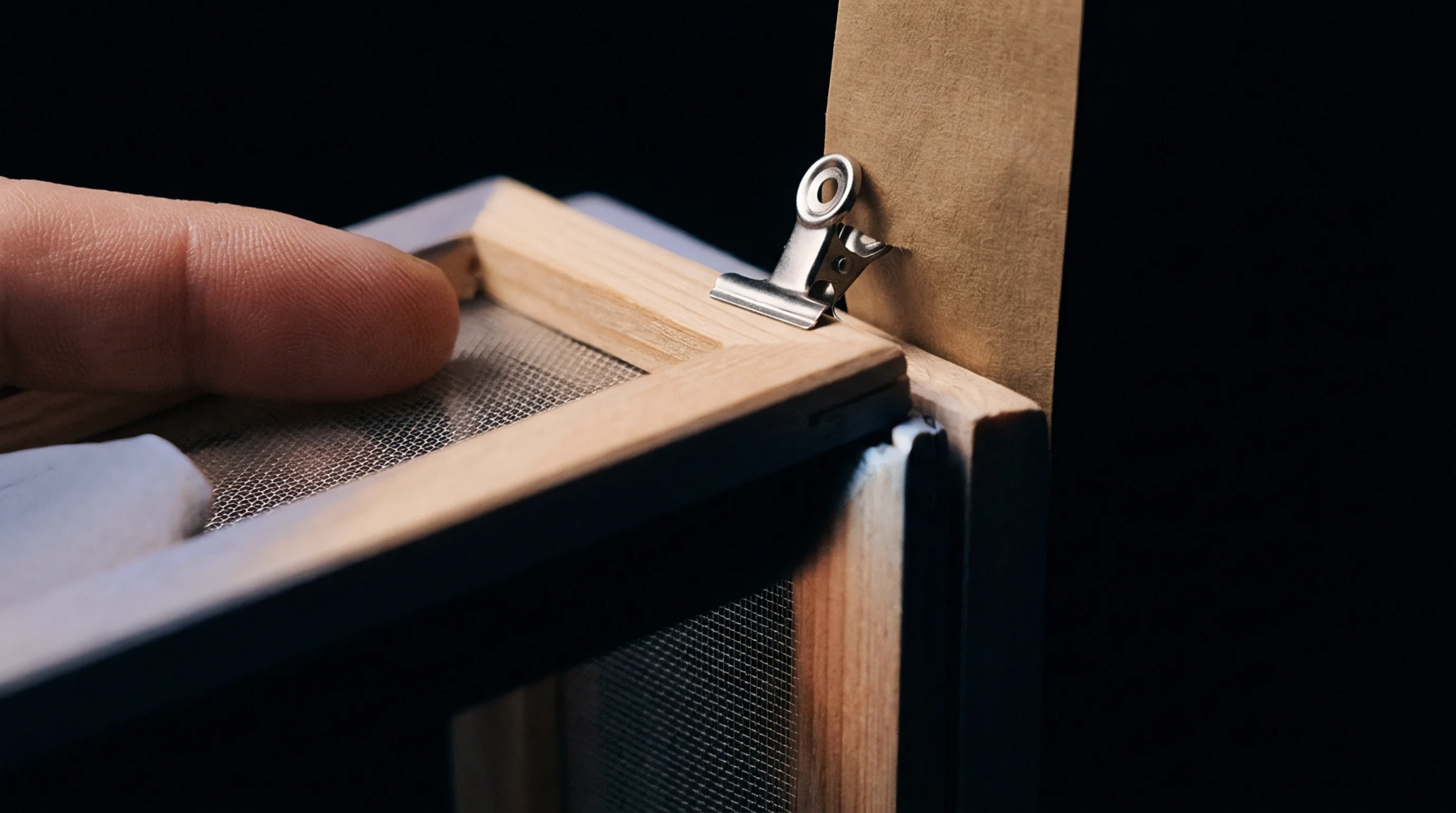
Recycled pulp webs suffer severe tensile network degradation under cyclic transit humidity due to moisture-driven hydrogen bond disruption and hornified fiber creep.
Transverse hygroexpansion in recycled paperboard drives interfiber bond dislocation and mechano-sorptive creep under cyclic moisture, accelerating compressive loss.

Inter-ply bond standards mandate TAPPI T 541 or ISO 16260 testing under strict ISO 187 conditioning to prevent converting delamination on recycled paperboard.
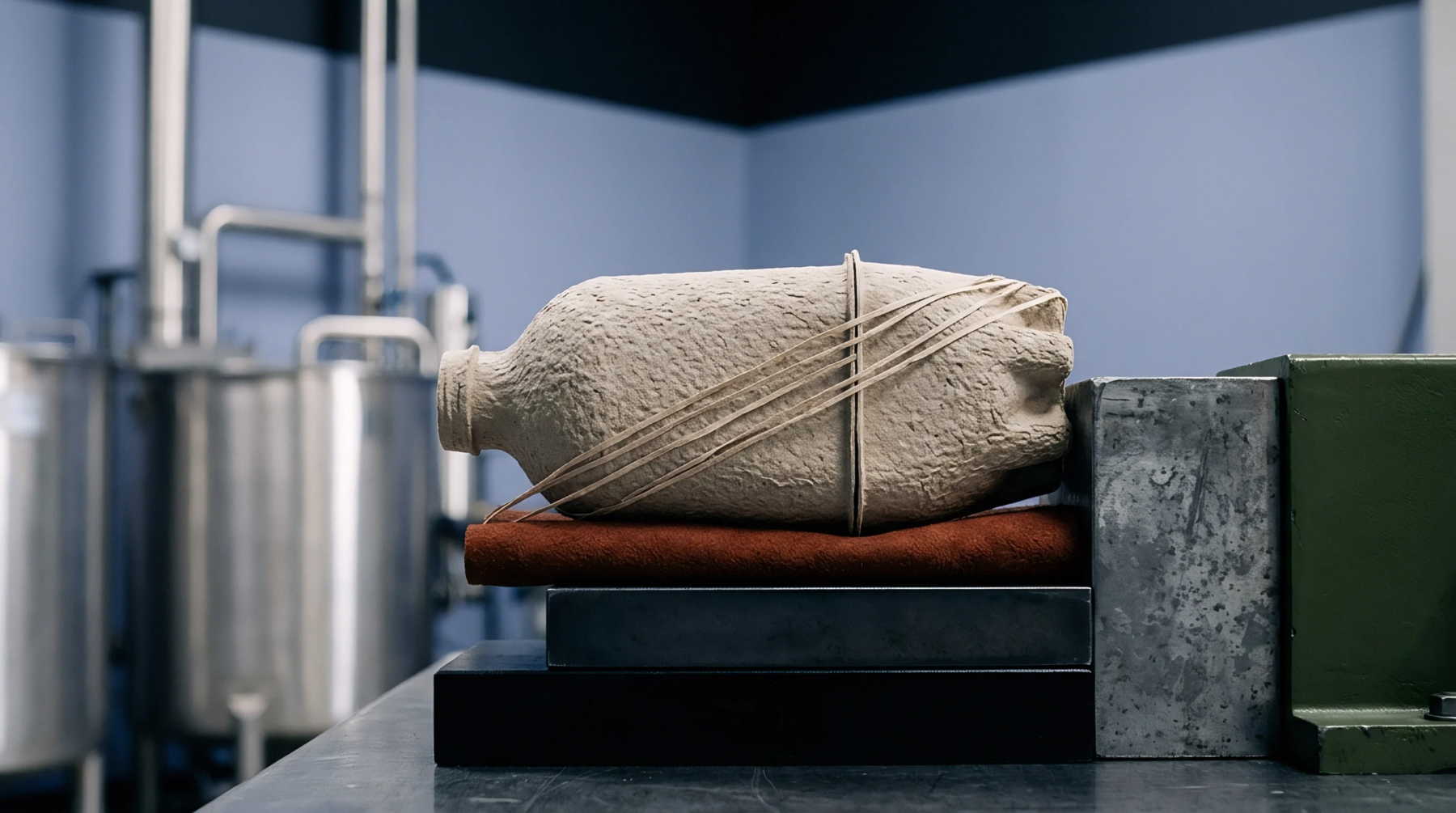
Mass balance ledgers allocate administrative fiber credits across mill networks, but laboratory microscopy governs physical batch compliance at customs borders.
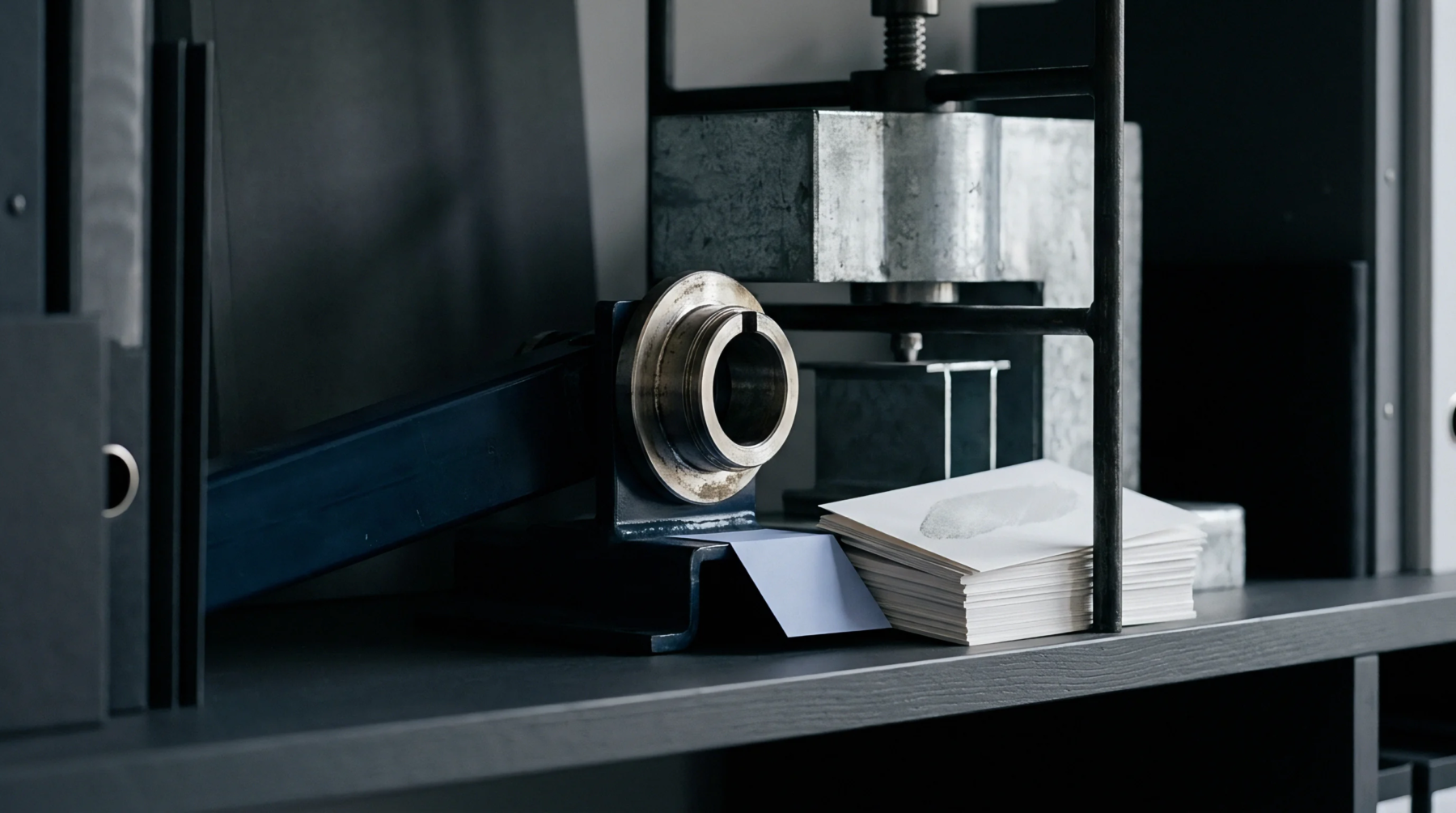
Widening matrix channel width to 1.7 times board caliper mitigates score cracking on recycled board by promoting controlled internal ply delamination.
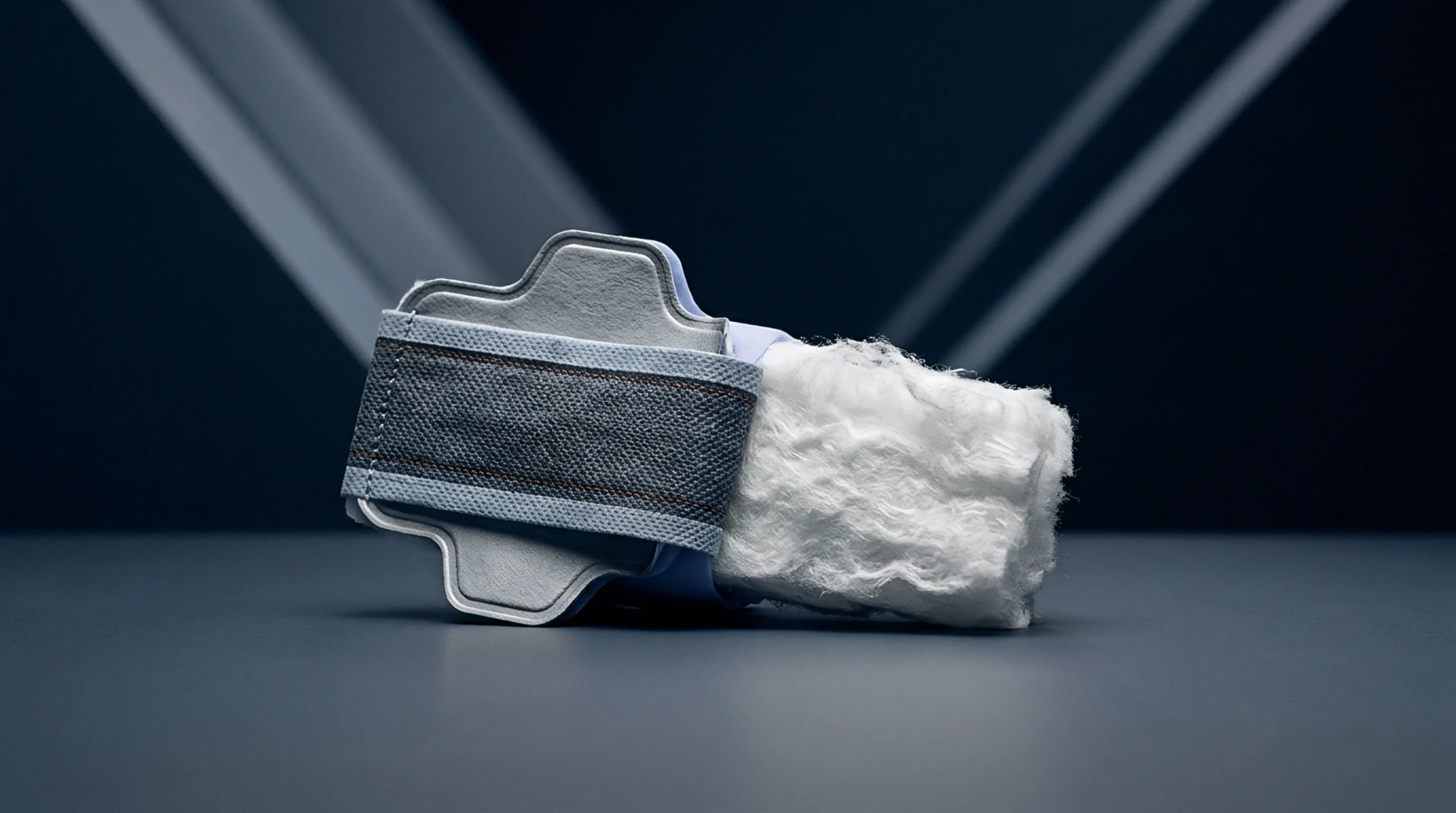
Recycled paperboard strain measurement requires direct optical extensometry under ISO 1924-3 to isolate true sheet elongation from clamp slippage.
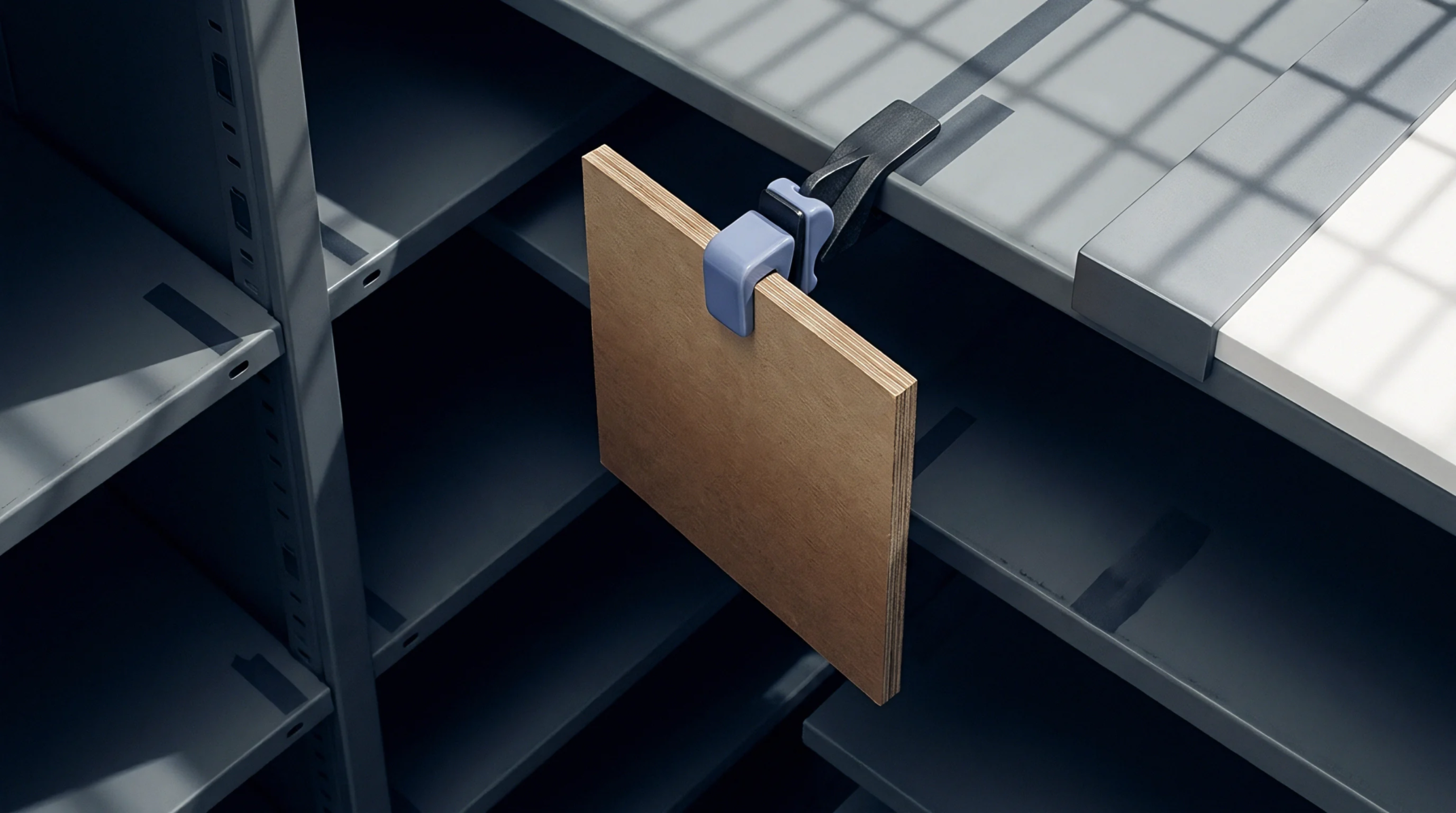
Quantifying dynamic shear planes in recycled board requires high-rate impact testing to prevent score line splitting on high-speed converting lines.
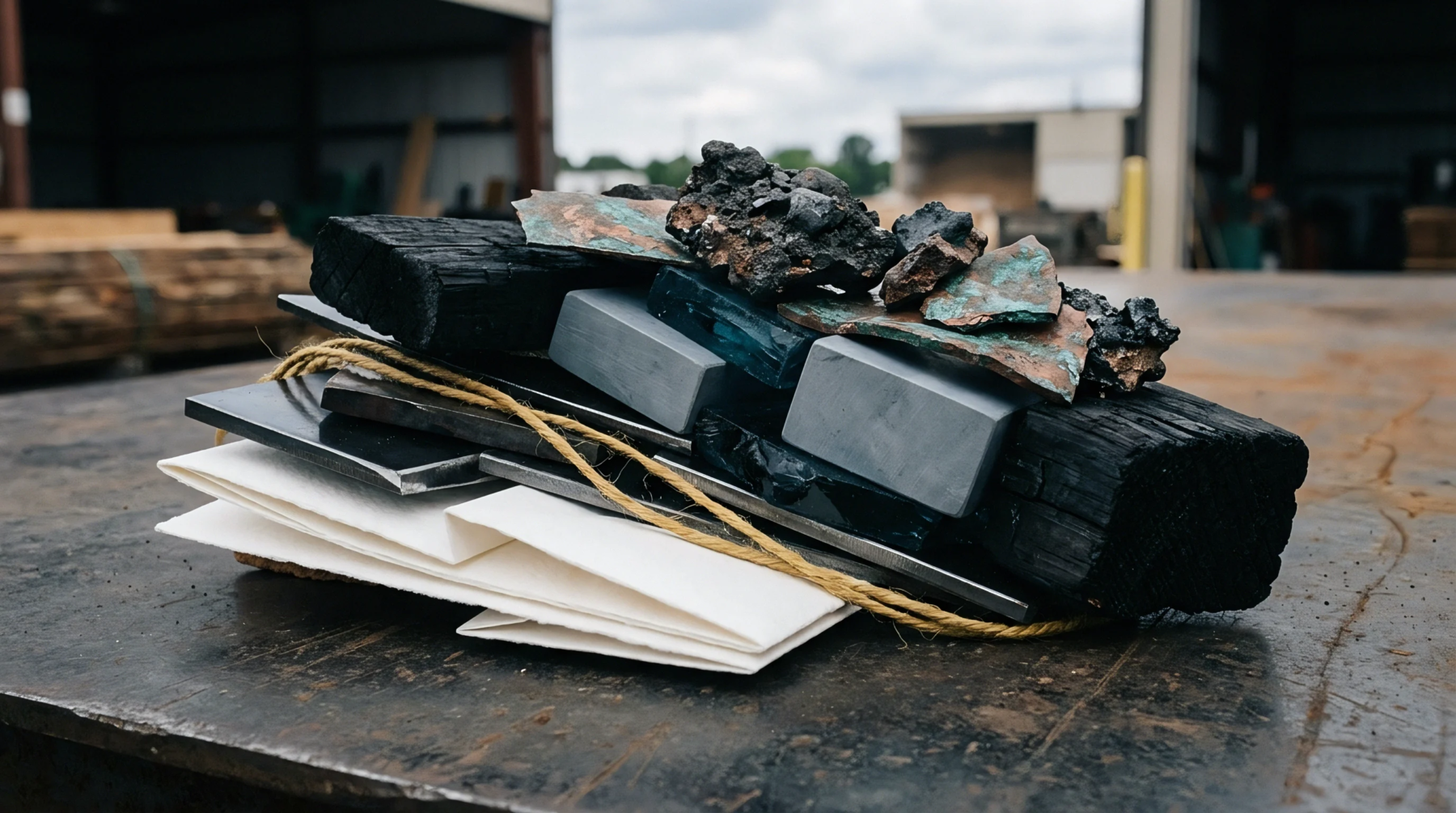
Automated optical morphology testing under ISO 16065-2 quantifies fiber shortening and hornification to control secondary substrate strength and yield.
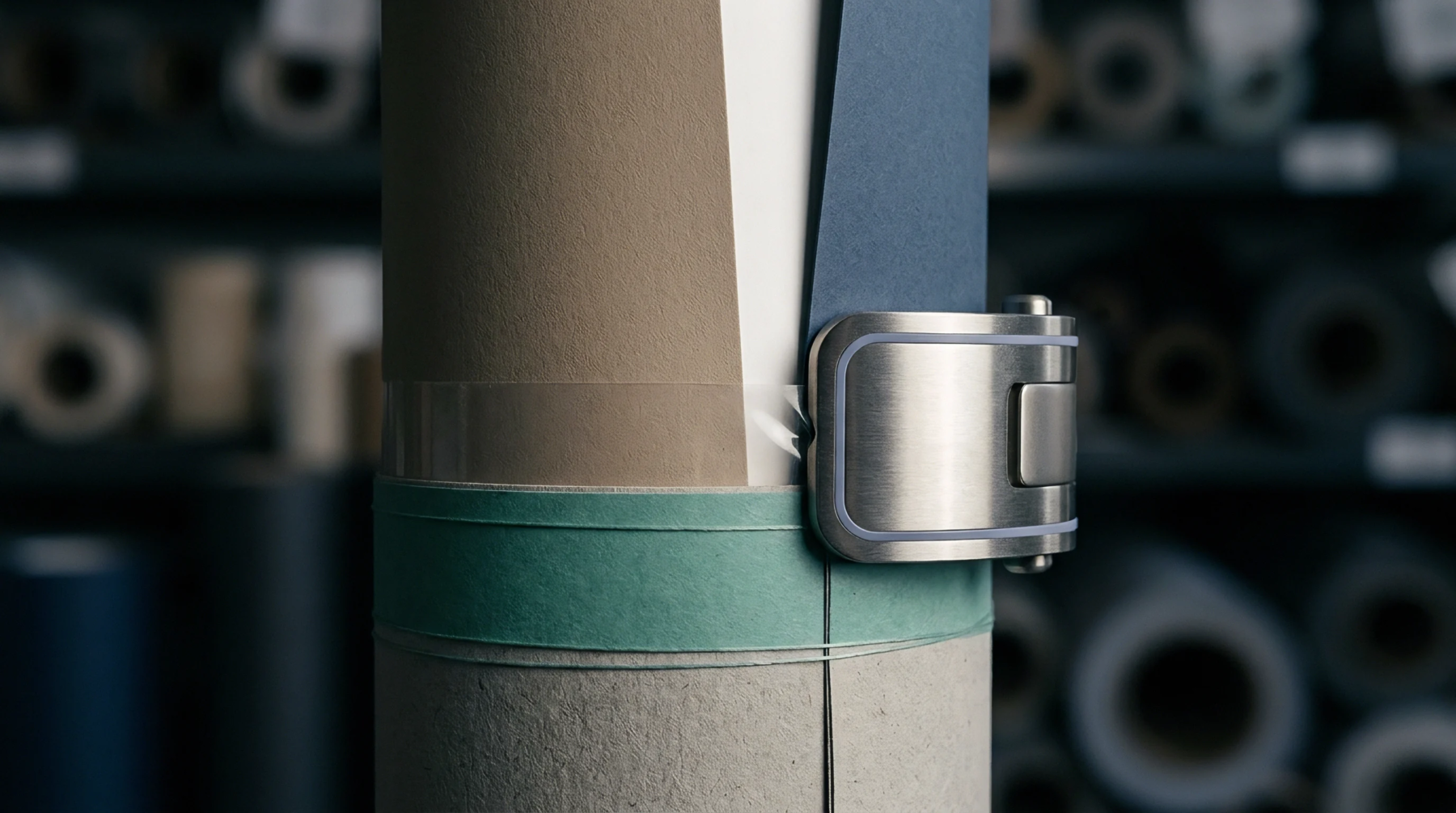
High speed creasing generates Z-direction tensile stress waves that fracture short recycled fibers unless matrix clearance absorbs elastic strain energy.

Recycled fiber laminates experience accelerated creep under transient vapor flux, requiring increased structural safety factors in humid supply chains.

Primary creep kinetics dictate corrugated box stacking life under static relative humidity, requiring empirical power-law modeling for safety margins.

Recycled containerboard loses up to 45% compression strength under constant 85% RH; specify ISO 2233 derated SCT metrics to prevent static stack collapse.
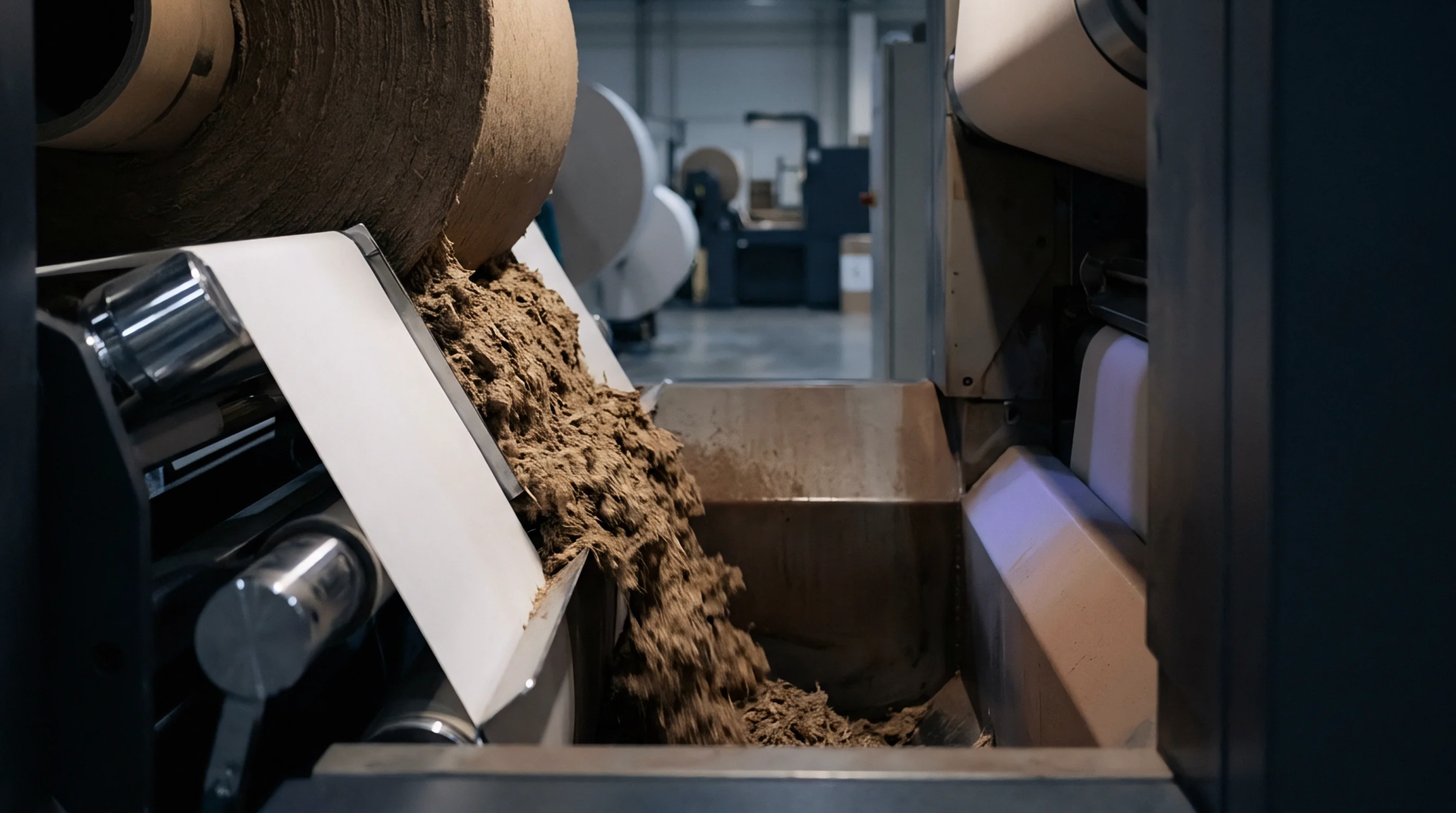
Recycled packaging substrates exhibit non-Fickian moisture uptake and severe hysteresis, reducing compressive strength by over 20 percent under cyclic humidity.
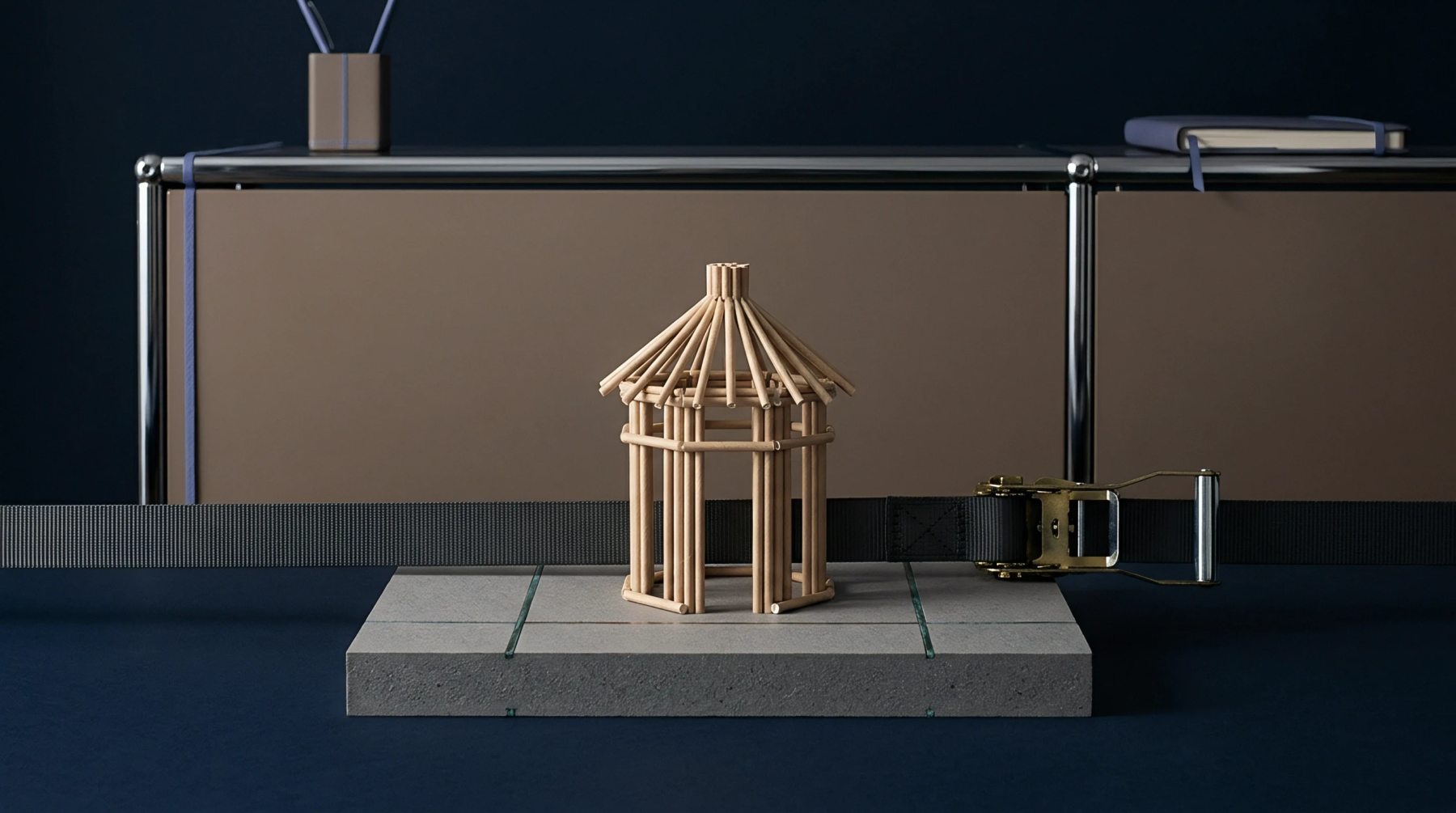
Recycled containerboard hygroexpansion demands strict cross-direction testing under ISO 8226-1 and contract moisture limits to prevent box warp and creep.

Interfibrillar swelling in recycled board plies generates interface shear stresses that fracture coatings and degrade stacking strength under cyclic humidity.

Predicting interfacial delamination thresholds in recycled boxboard requires quantifying Mode II shear fracture toughness and adjusting crease matrix channel dimensions to prevent hinge failure under cyclic loading.
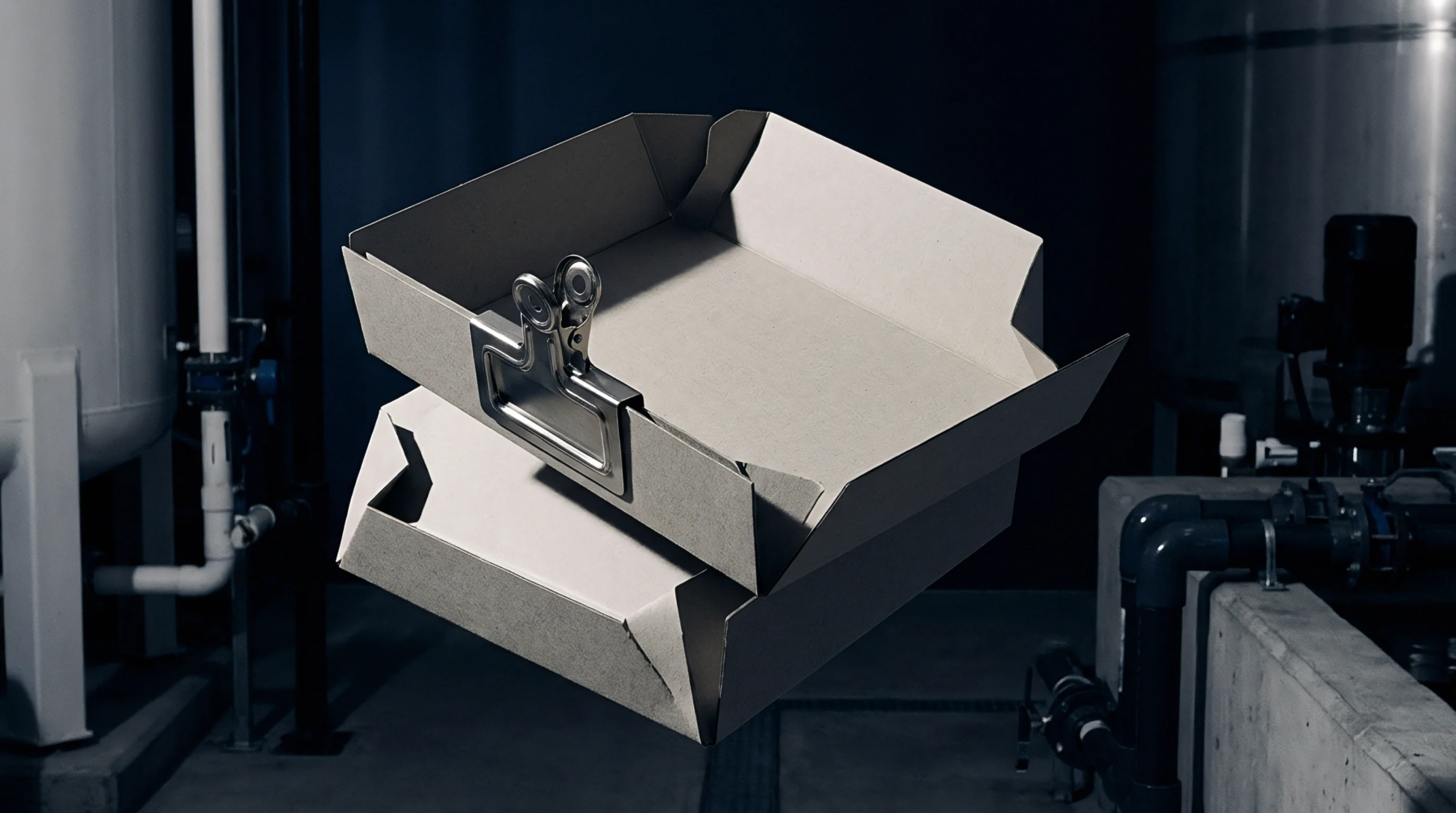
Dynamic strain rate hardening increases Z-direction stiffness during high-speed die cutting, demanding wider matrix channels to prevent crease cracking.
Expertise is a utility, not a secret. sentiention™ publishes its working knowledge as open reference: intelligence layer covering the materials it sources, the markets it enters, and the reference that serves both.