Tactile Finishing
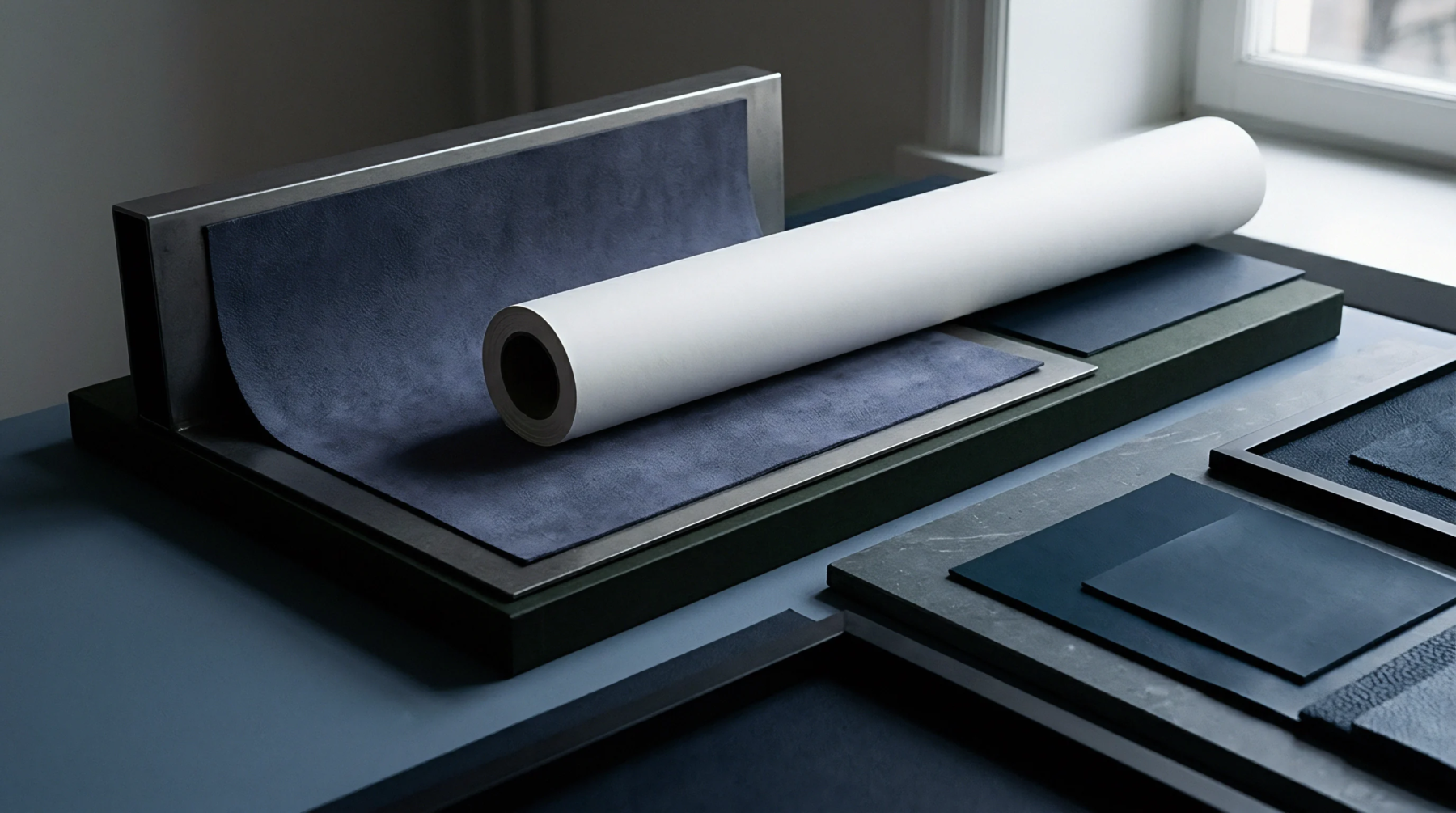
Synthetic resin layers applied over printed paper provide a distinct velvety friction against the skin while protecting the underlying ink from moisture and abrasive damage. During the application of soft touch lamination, a thermal roller draws a low surface energy film across the carrier sheet to create a durable bond through pressure and high heat. This creates a matte appearance that deadens light reflection without obscuring the fidelity of the print beneath.
Operators calibrate the heat profile to prevent warping on thinner stocks. High speed machines require precise tension control to avoid ripples in the finished surface.
Production Variance
Polypropylene is the standard polymer base utilized for these applications because it accepts coatings well and resists tearing under standard handling. Manufacturers cast the resin into thin sheets that gain a microscopic texture during the cooling cycle. This texture breaks up incident light waves to create a dull appearance that feels soft to the hand.
Some applications require a corona discharge treatment on the film to ensure proper adhesion to metallic inks or heavy toner coverage. Film thickness typically ranges from one to two mils depending on the stiffness required for the final product. Converting shops monitor the roll temperature because fluctuations lead to inconsistent bonding strength or cloudy patches on the sheet.
Solvent based adhesives occasionally support the film bond on recycled substrates that exhibit high porosity.
Quality Benchmark
Industry standards demand that the film bond withstands standard folding cycles without peeling from the printed substrate or cracking at the score line. Inspectors check the bonding strength by performing a tape test on the finished sheet edge. Excessive heat produces a brittle film that fails during secondary operations like die cutting or scoring.
Proper moisture control at the feeding stage prevents curl after the thermal bonding happens. A sheet that exhibits excessive haze indicates a mismatch between the film chemistry and the print stock finish. Durable film adhesion remains a physical property determined by the mechanical pressure of the nip rollers during the application phase.