Recyclability Protocol
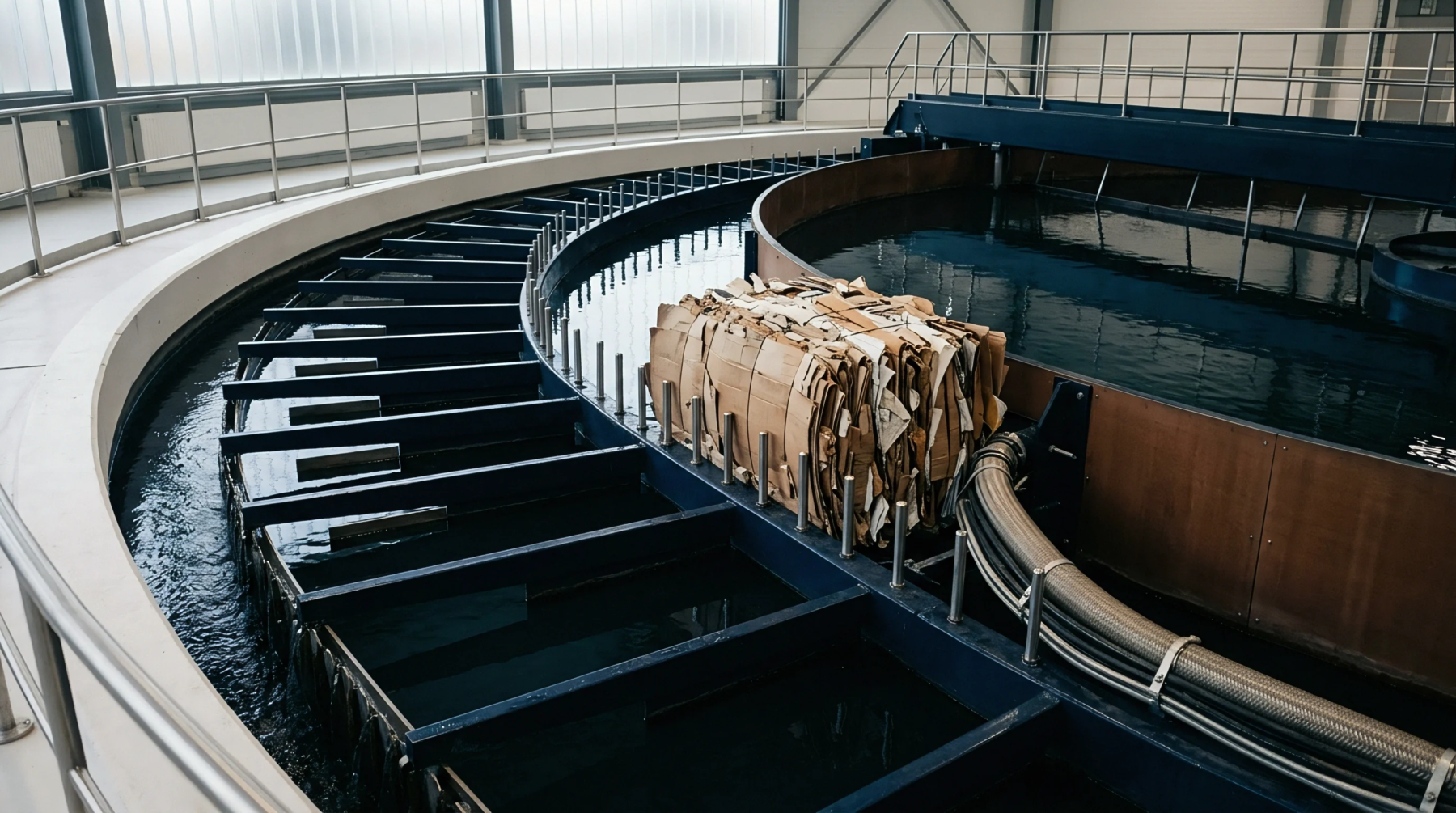
Laboratory evaluation protocols are used to determine how easily packaging materials can be processed in standard recycling mills. The cepi recyclability method simulates industrial repulping conditions to measure the portion of a paperboard sample that can be successfully recovered as individual fibres. This process applies controlled mechanical agitation to disintegrate the test pieces in water.
It establishes a consistent benchmark for comparing the recycling behavior of different coatings and adhesive treatments.
Reject Analysis
Processing of the sample yields a fraction of material that cannot pass through a fine screen. This coarse residue consists of unpulped flakes, plastic laminates and adhesive agglomerates. The evaluation determines whether these rejects will disrupt mill operations or contaminate the finished paper stock.
High reject volumes indicate that the material requires specialized treatment or is unsuitable for standard recycling loops.
Fibre Yield
Quantitative assessment of the recovered pulp determines the percentage of usable fibres extracted from the initial dry mass of the packaging sample. Low yield figures are common when heavy polymer barriers or mineral coatings are present on the board. The procedure calculates this efficiency to guide designers in selecting alternative barriers that disperse more readily in water.
This measurements allows packaging buyers to verify compliance with circular economy standards before running large production lots. Modern testing according to this standard ensures that new barrier boards can be integrated into existing recovery streams without reducing the quality of the recycled paperboard produced.