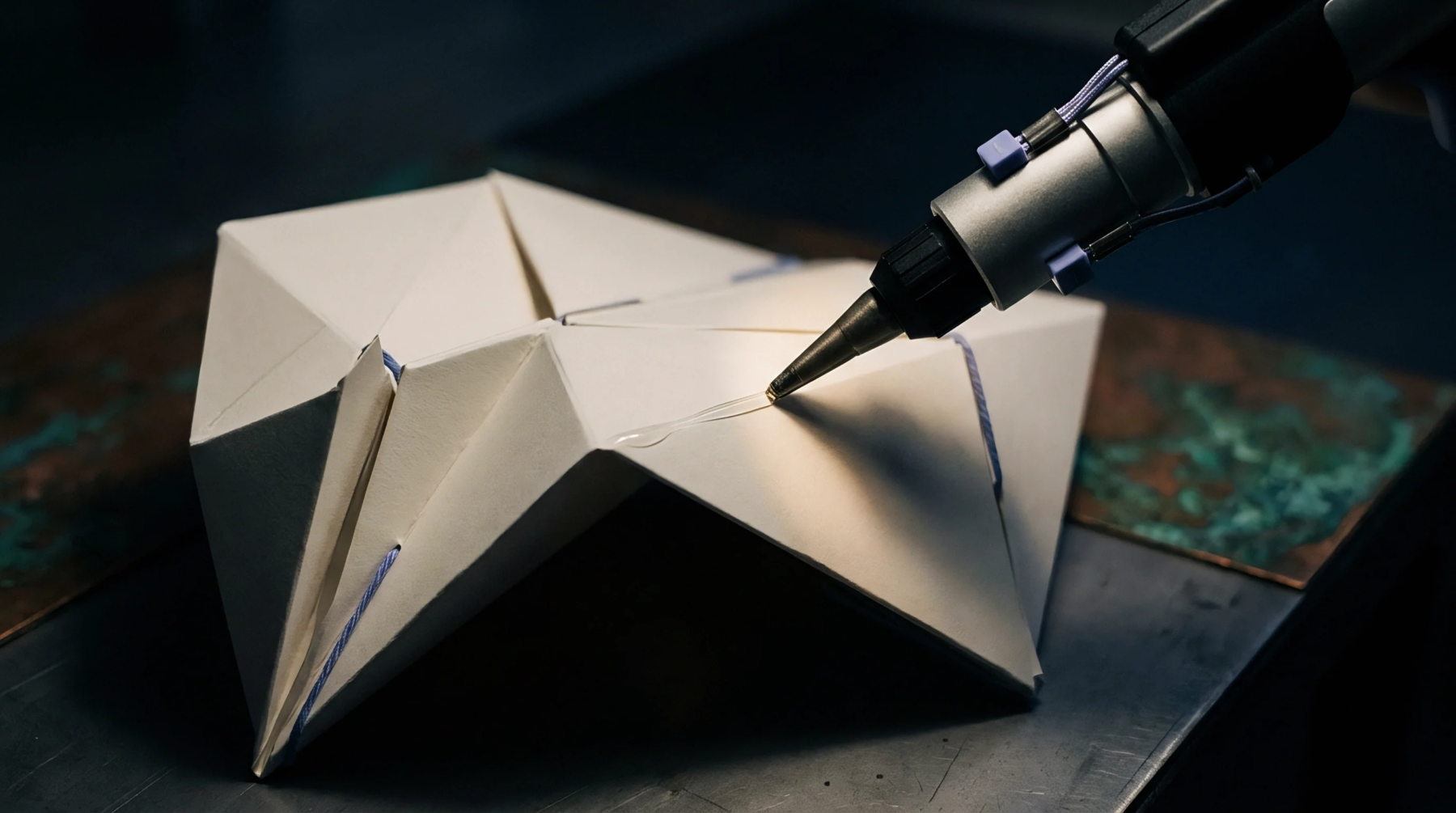
Surface Moisture Application Methods for Folding Boxboard Calendering
Applying targeted surface moisture creates a steep plasticization gradient that achieves target surface smoothness without compressing the high-bulk CTMP core.
Applying targeted surface moisture creates a steep plasticization gradient that achieves target surface smoothness without compressing the high-bulk CTMP core.
Verify paperboard validity by checking central registries, confirming line-item invoice claim codes, and matching physical substrate tests to certified scopes.
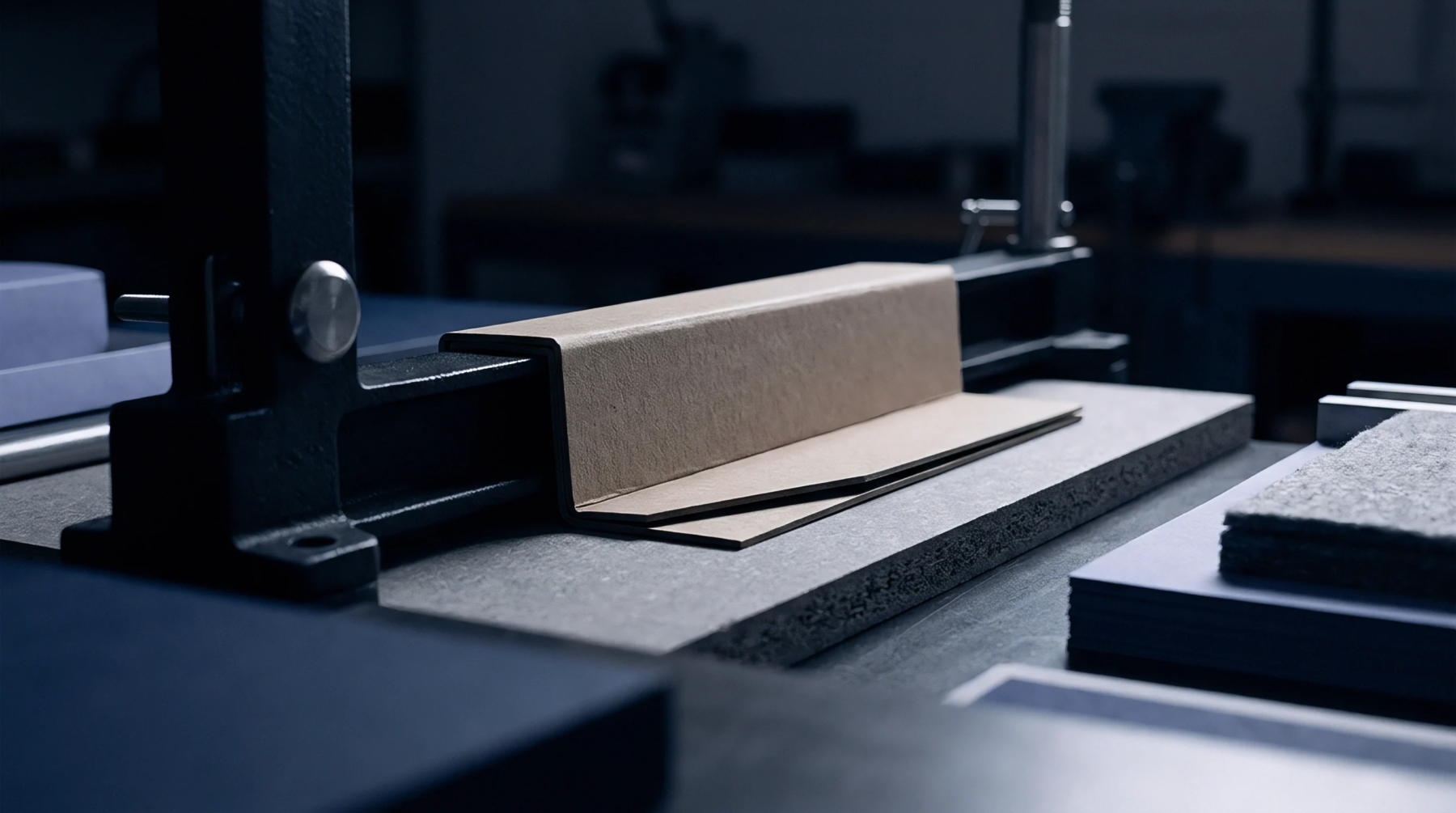
Dynamic shear stress modeling optimizes counter-die metallurgy and geometry to eliminate premature crease wear when converting high-mineral recycled board.
Dynamic flexural rigidity decay models enable converters to predict score cracking and carton squareness loss caused by high-speed nip compression.
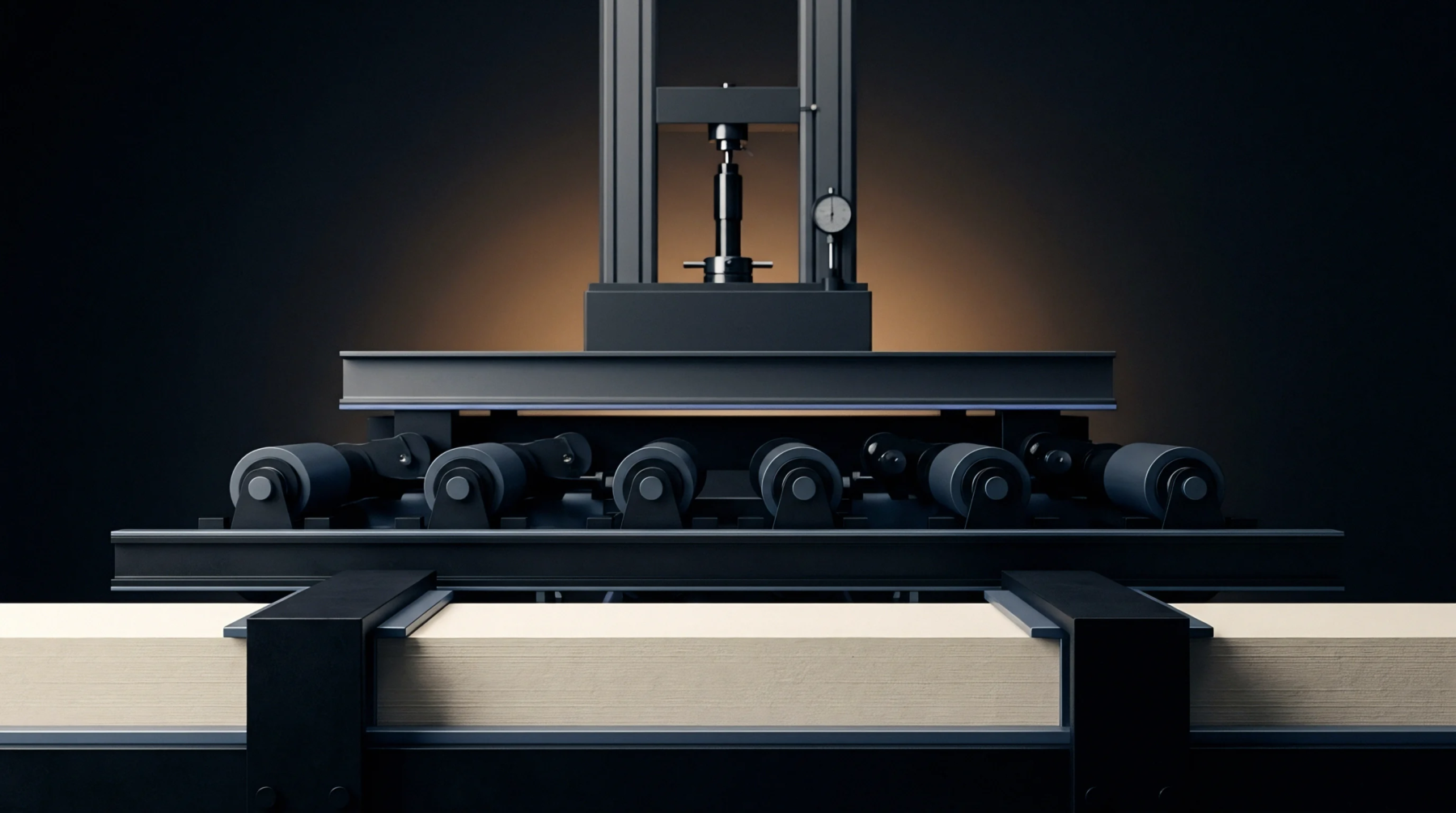
Standard atmospheric conditioning at 23°C and 50% RH under ISO 187 is mandatory to stabilize paperboard moisture content before stiffness bench testing.
Aligning folding boxboard grain parallel to gluer travel maximizes line speed and squareness, over-riding minor paper savings from cross-grain imposition layouts.
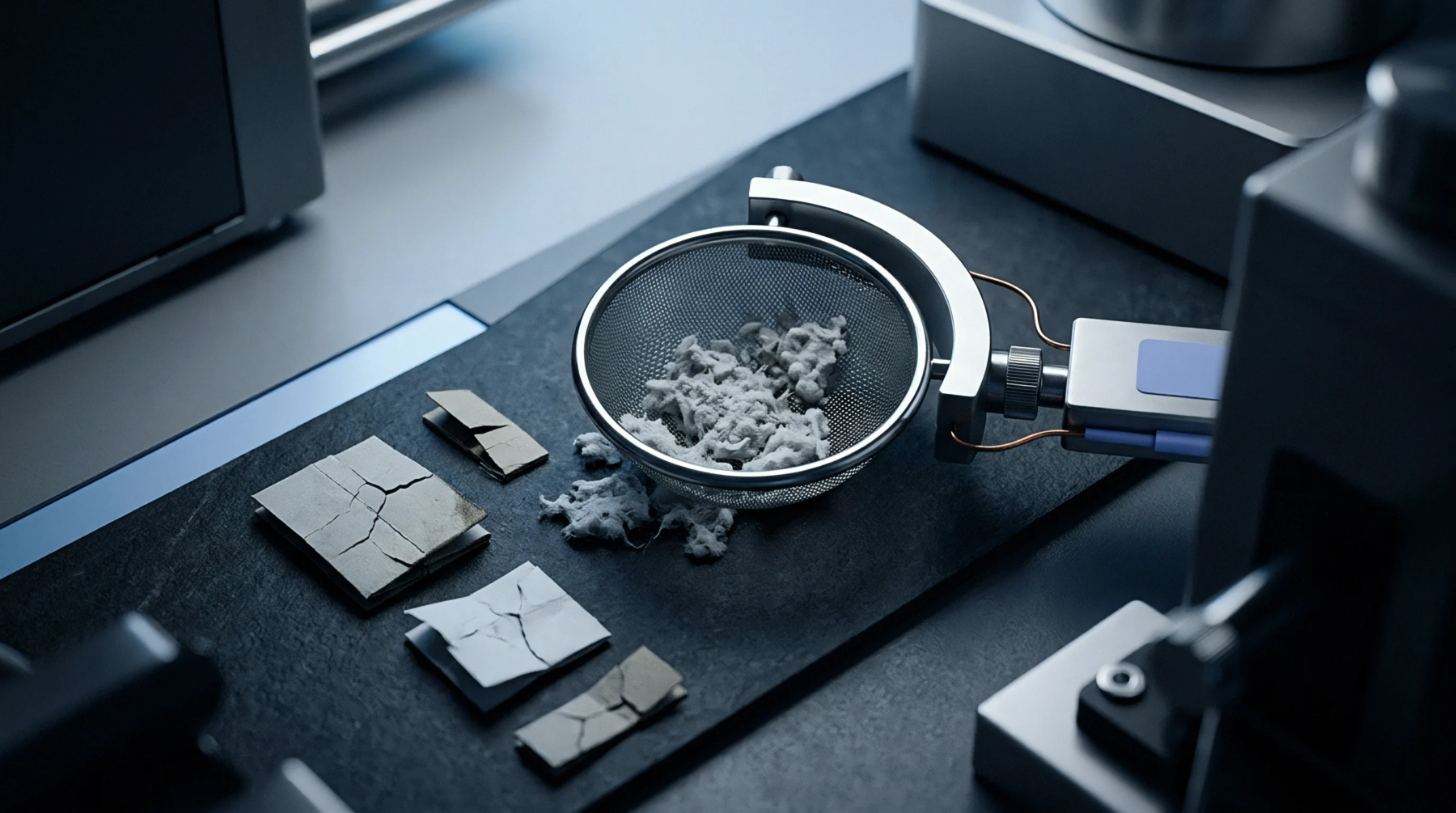
Downgauged recycled cartonboard requires precise rate-dependent shear delamination modeling to prevent liner cracking and costly folder-gluer jams.
Optimizing interior BCTMP dewatering balances shoe press impulse against bulk retention to maximize press dryness while preserving folding boxboard stiffness.
Expertise is a utility, not a secret. sentiention™ publishes its working knowledge as open reference: intelligence layer covering the materials it sources, the markets it enters, and the reference that serves both.