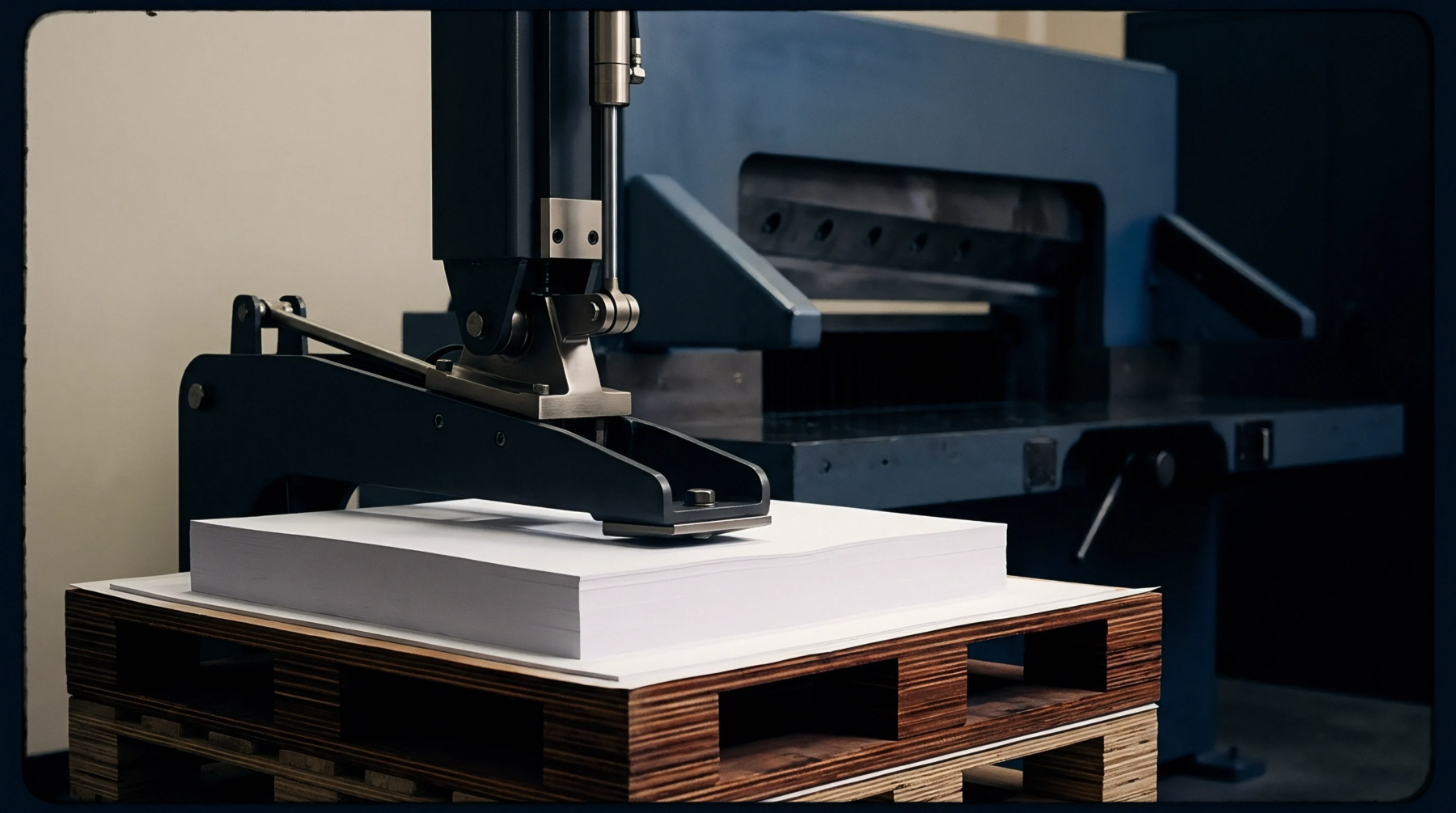
The Gap between a Tested Sample and the Shipped Pallet
Verify mill test certificates against ISO 2859 sampling on arrival; static swatches omit deckle variance, transit moisture creep, and food migration risks.
Verify mill test certificates against ISO 2859 sampling on arrival; static swatches omit deckle variance, transit moisture creep, and food migration risks.
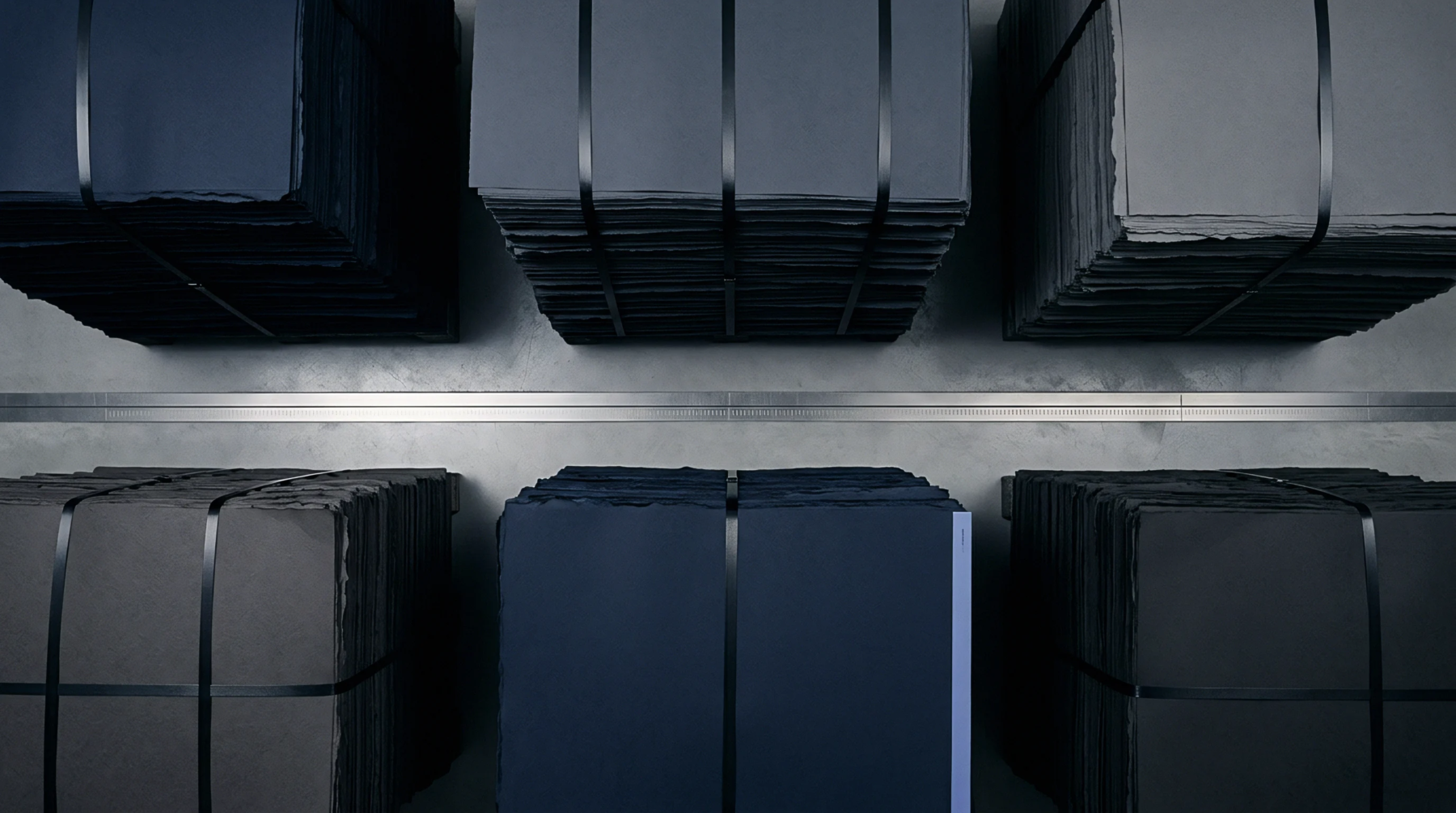
Fractionating recycled furnish prior to low-consistency refining preserves boxboard caliper while meeting internal bond targets at reduced energy consumption.
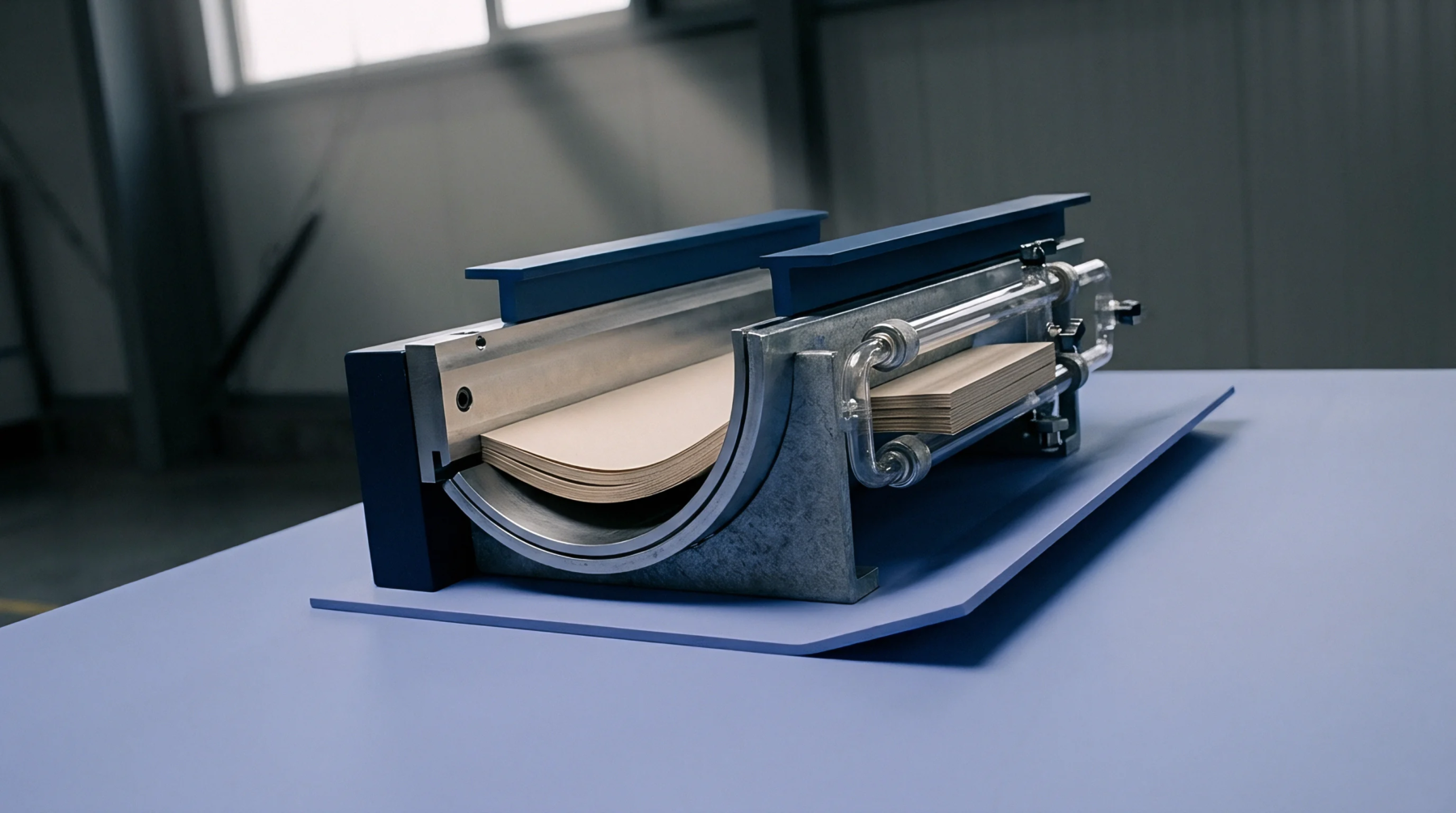
Imposition layouts that nest cartons across grain directions reduce parent sheet trim but induce bimodal stiffness variance and high-speed feeder jams.
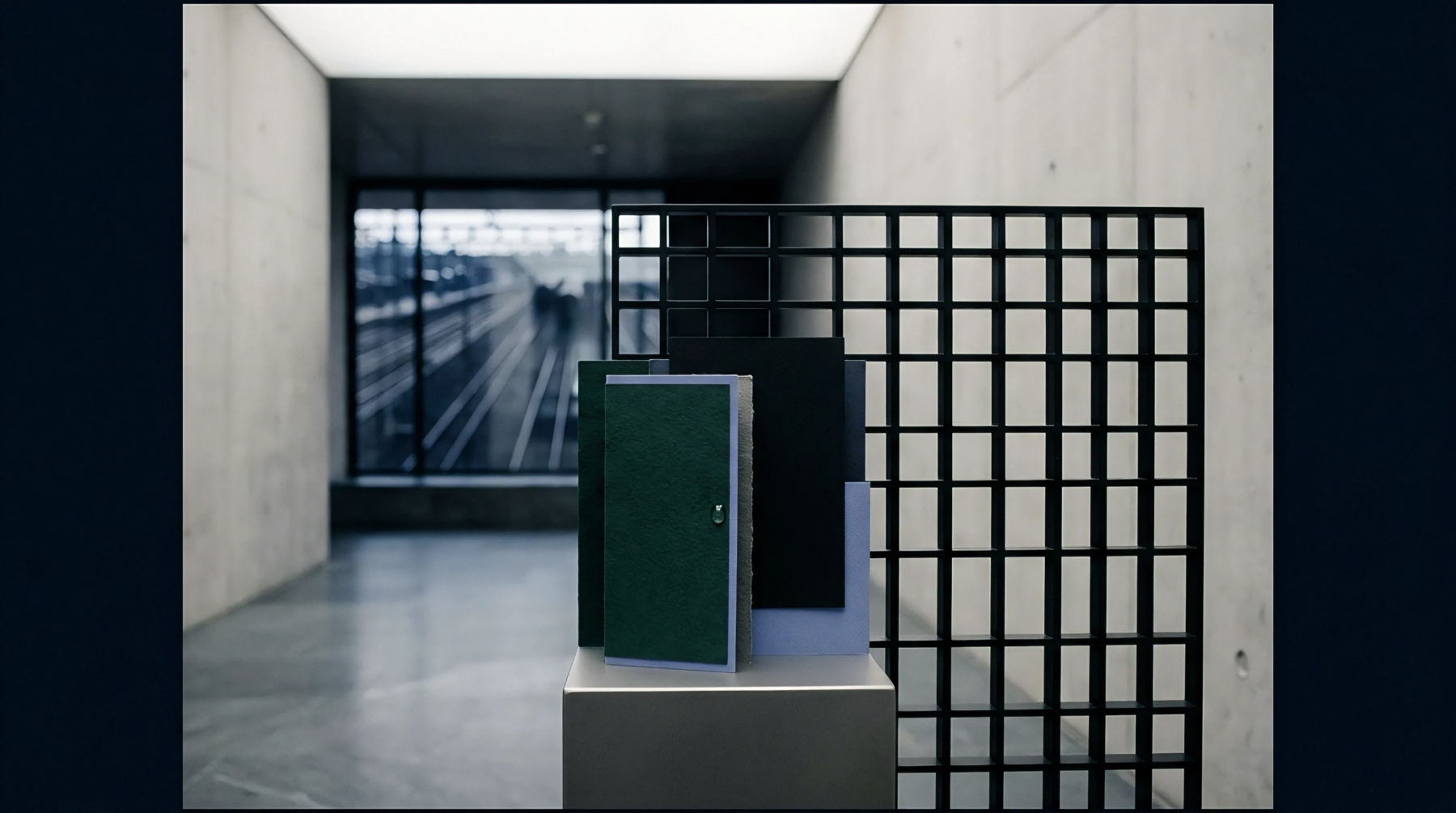
Matte laminated boxboard demands channel width expansion of twelve to eighteen percent over raw stock formulas to absorb film strain and prevent score rupture.

Hardwood pulp substitution increases sheet density but reduces caliper, dropping bending stiffness cubically and eroding high-speed converting line speed headroom.

Core layer mechanical pulp distribution controls folding boxboard bulk and bending stiffness, enabling weight reduction while preserving box structural integrity.
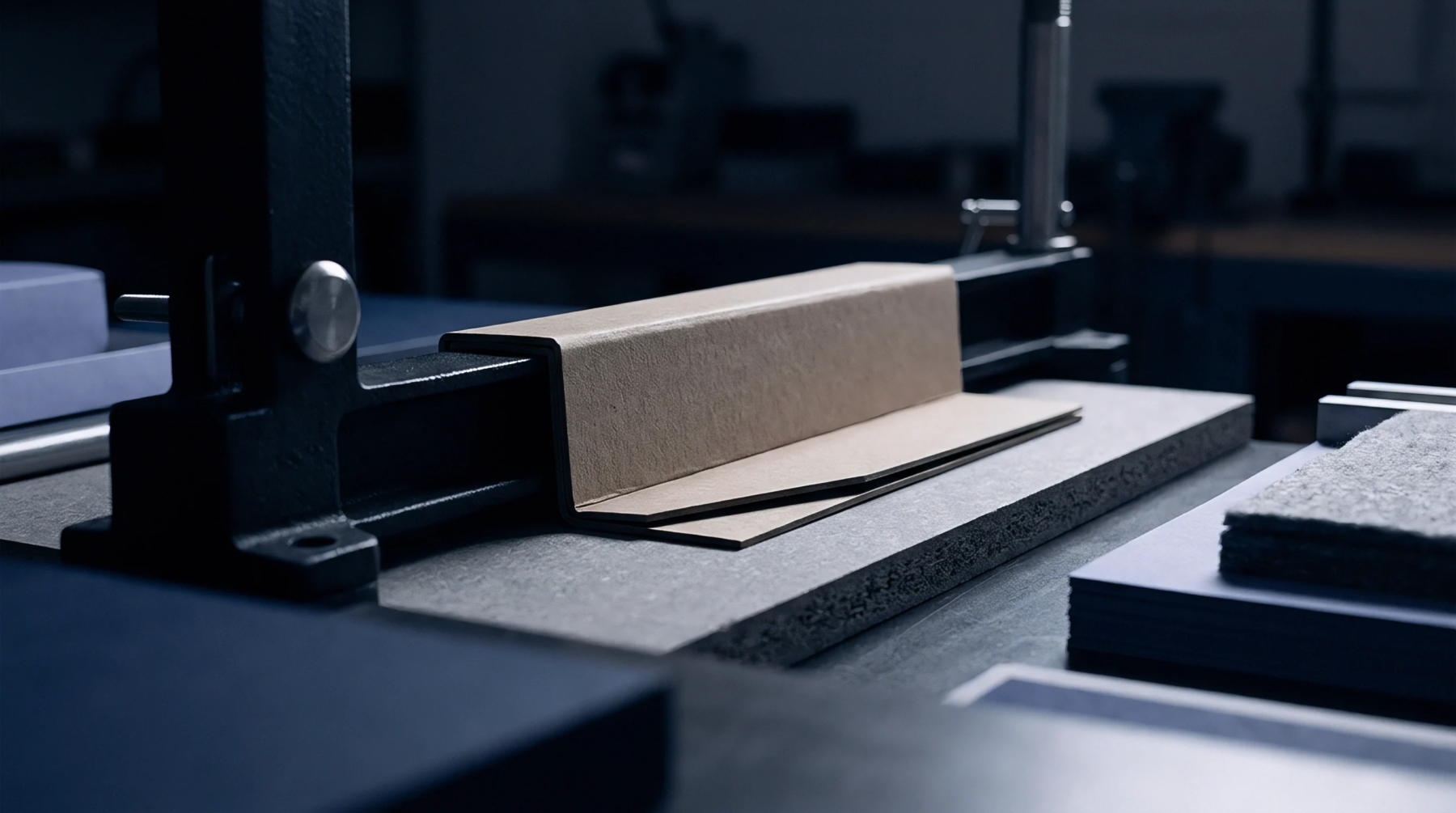
Recycled folding boxboard requires expanding matrix channel width from 1.5 to 1.8 times caliper plus rule thickness to prevent top-liner rupture.
Optimize counter-matrix width and rule penetration depth to induce internal core ply delamination while protecting outer extrusion barrier films from shearing.
Crease evaluation measures 15-degree sheet stiffness against 90-degree fold resistance, targeting a 30 to 50 percent ratio to prevent cartoning line jams.
Optimizing triple ply folding boxboard stiffness requires maximizing middle layer bulk using BCTMP while placing high elastic modulus chemical pulp in outer skins.
Selecting paperboard caliper and bulk requires balancing furnish density against flexural rigidity to maximize blank yield and carton compression strength.
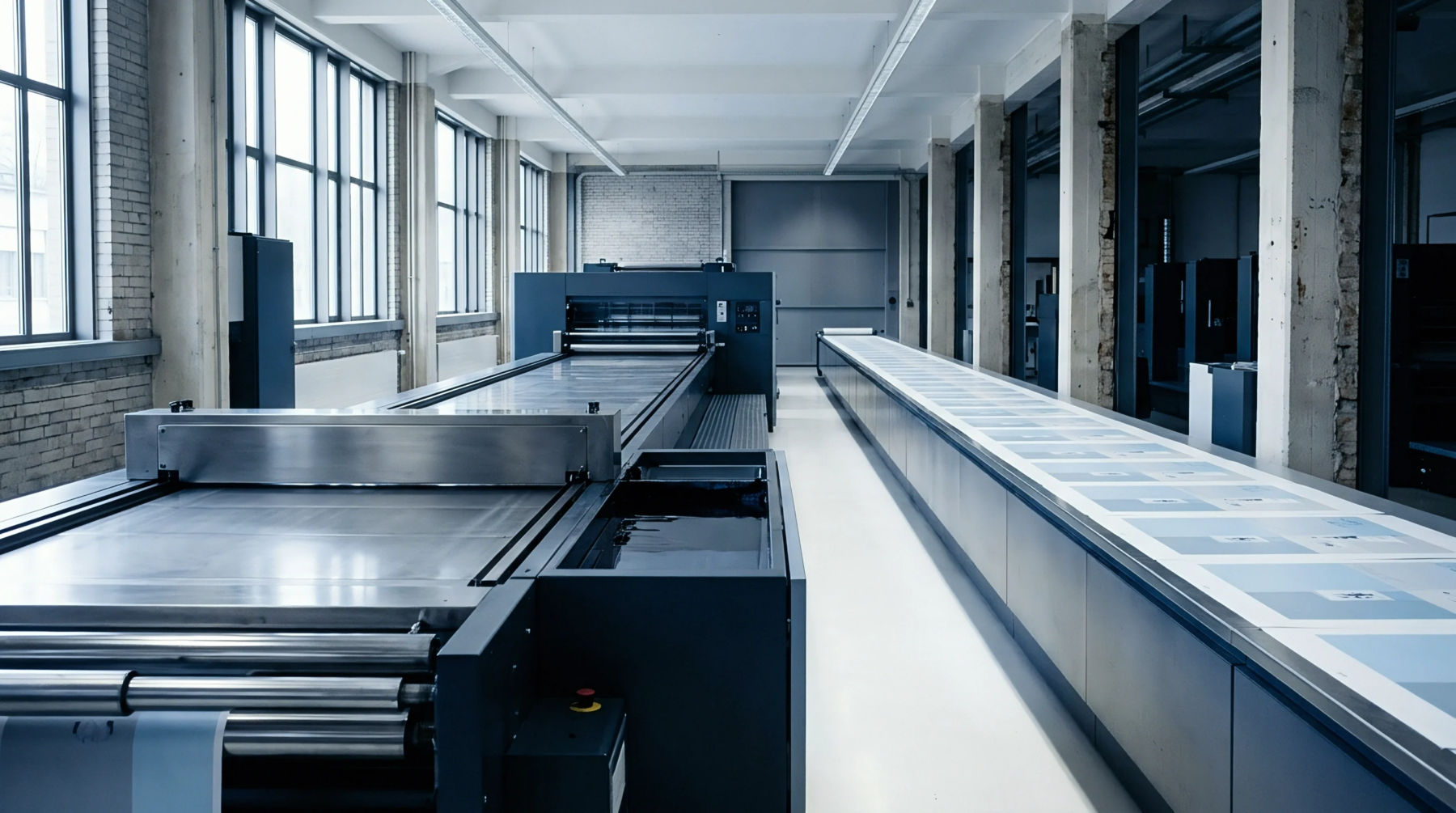
Parent sheet yield optimization balances mill deckle widths, carton grain direction, and interlocking nested dies to lower delivered carton unit costs.
Water-coated SBS board requires wider female creasing channels to offset aqueous polymer springback and prevent high-speed folder-gluer carton failures.
Verifying paperboard claims demands cross-referencing public scope codes, validating invoice credit lines, and securing plot-level forest origin documentation.
Select high-bulk folding boxboard using caliper-derived yield arithmetic and verified crease recovery ratios to run stable on high-speed cartoning lines.
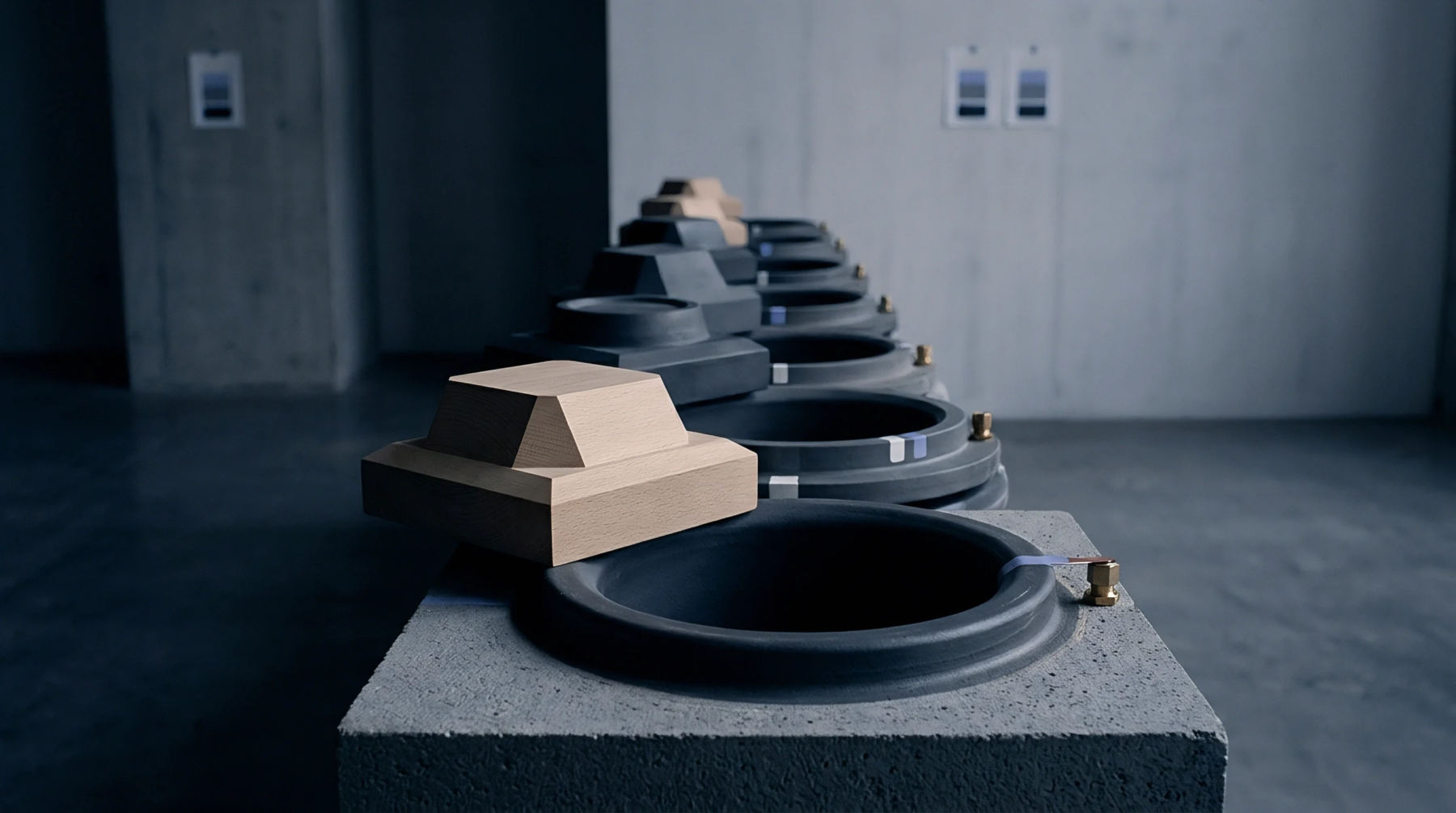
Statistical sampling of folding boxboard applies ISO 2859-1 attribute limits and ISO 3951-1 variable k-factors to verify stiffness, caliper, and purity.
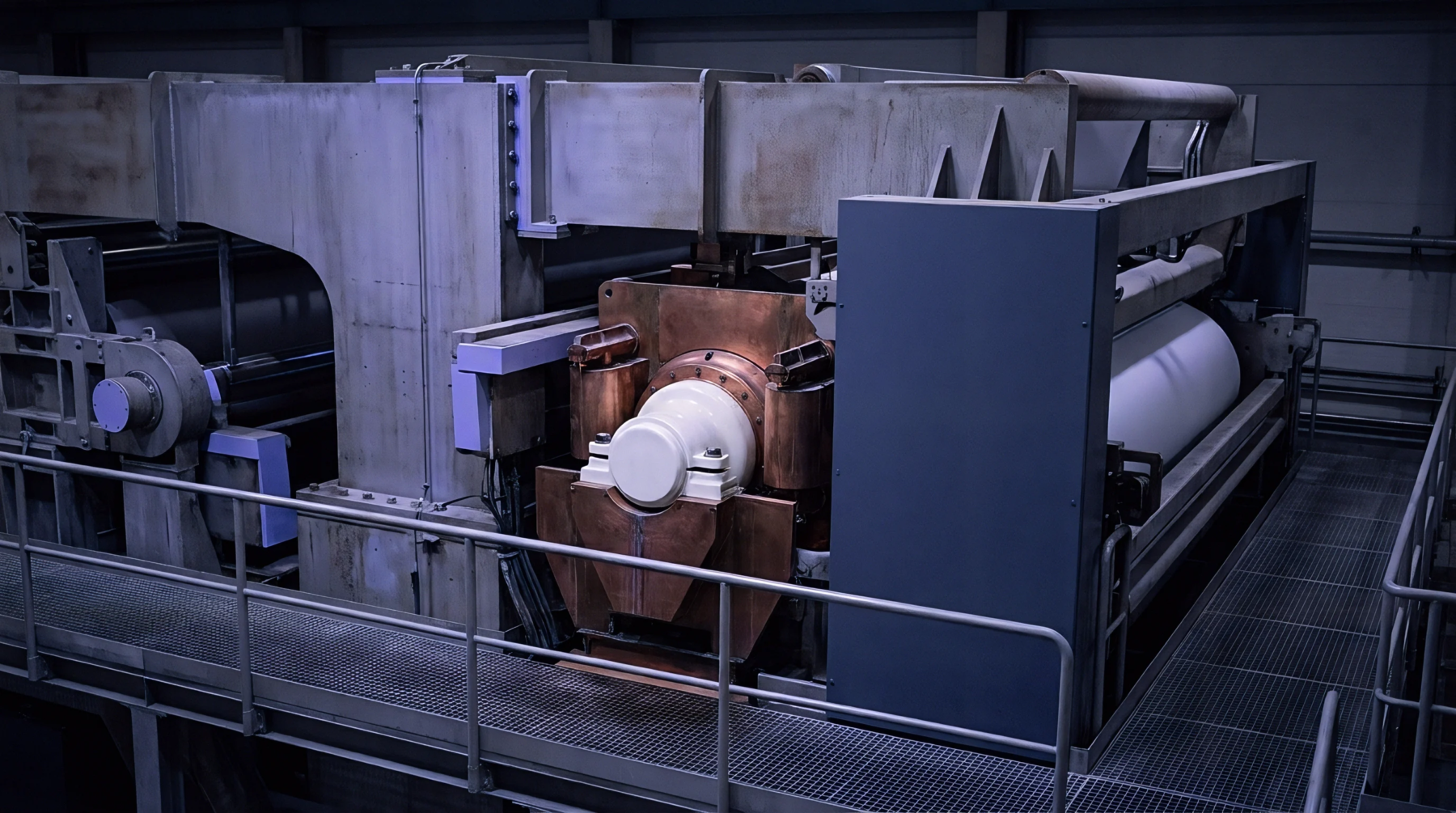
Core bulk preservation requires extending nip dwell and heating surfaces to smooth outer plies while keeping central mechanical fibres below glass transition.
Multilayer cartonboard requires grade-specific counter die channel width calculations combining rule thickness, moisture-adjusted caliper, and fiber-yield multipliers.
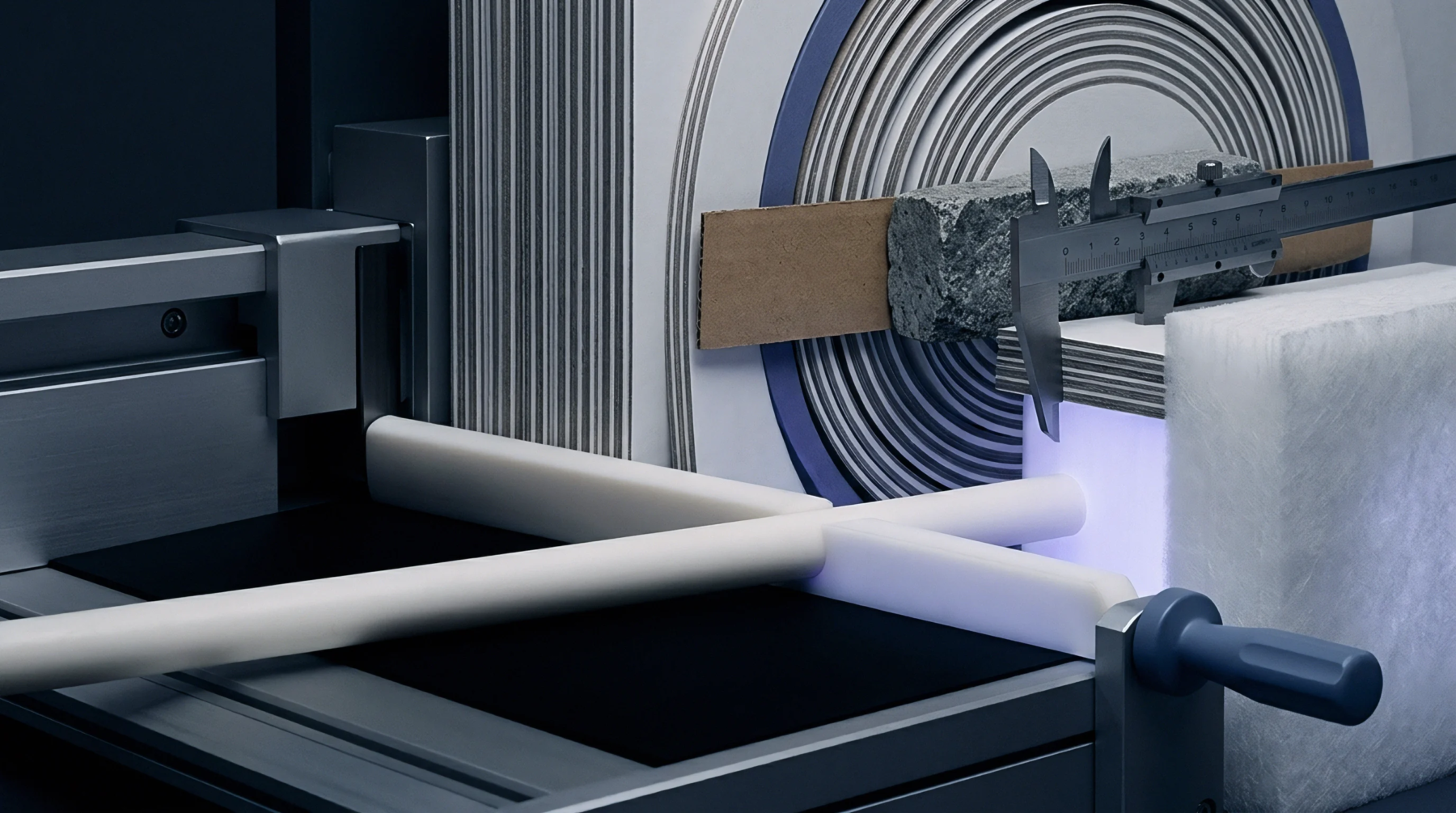
Air-coupled ultrasound inspects carton crease integrity by measuring Lamb wave velocity and attenuation drops across die-scored fiber delamination zones.
A0 flexural guided waves provide the optimal acoustic mode for paperboard crease assessment, delivering 18 to 26 dB attenuation upon internal ply delamination.
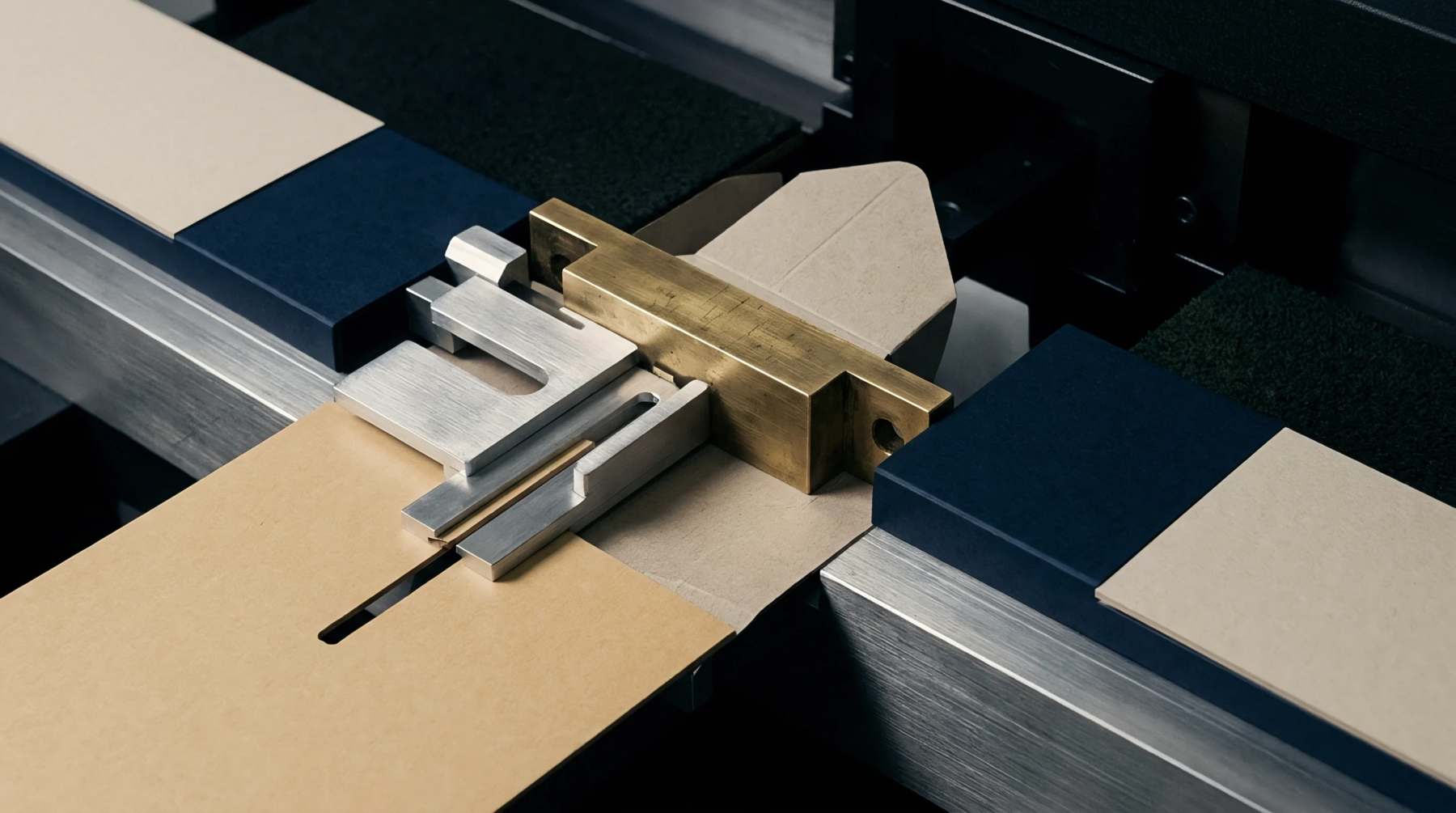
BCTMP yield shifts between 85 and 92 percent alter folding boxboard core bulk, dictating carton bending resistance and chain-of-custody mass balances.
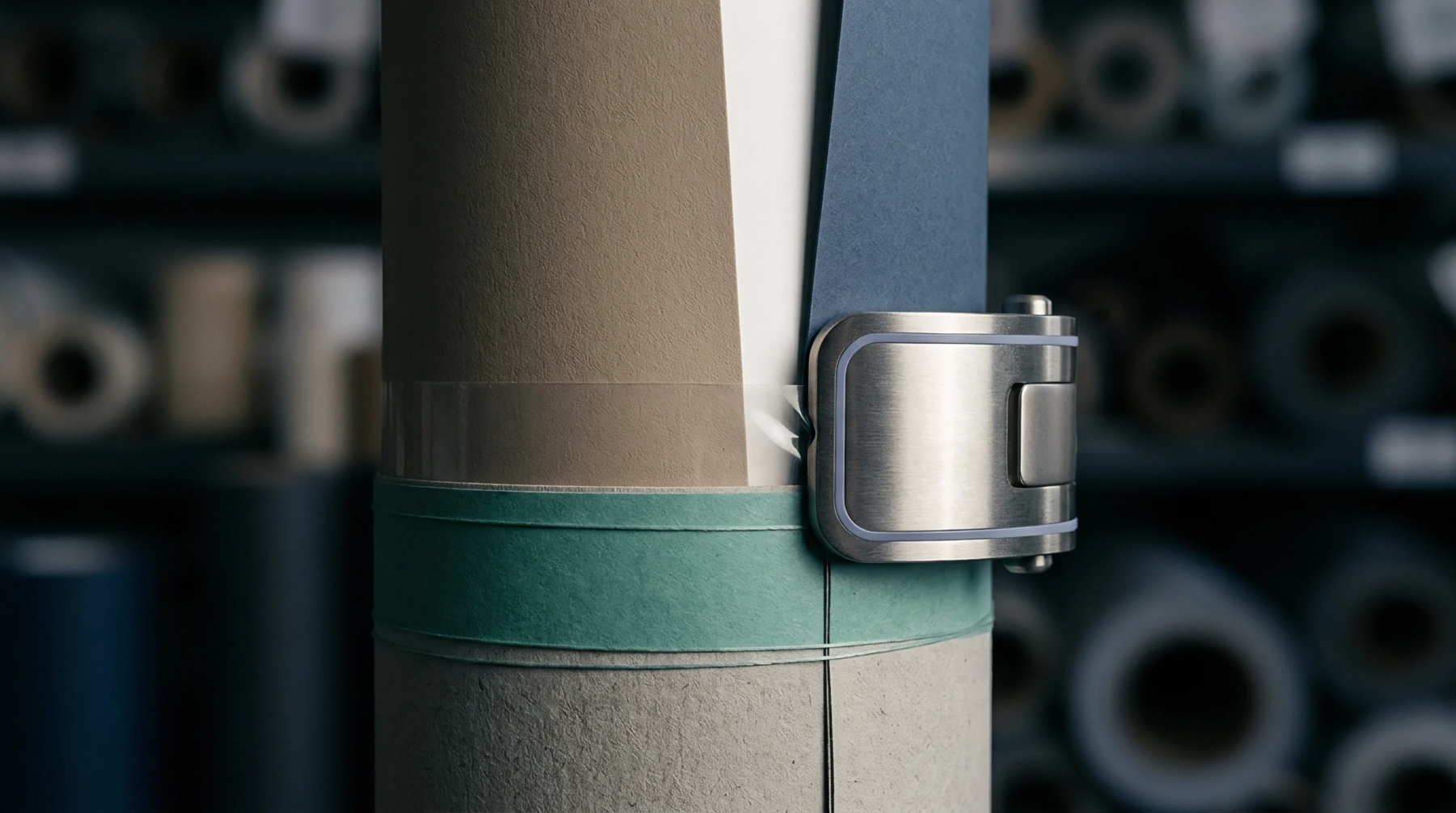
Crease integrity in recycled board demands targeted delamination within internal plies while preserving liner continuity under high strain rates.
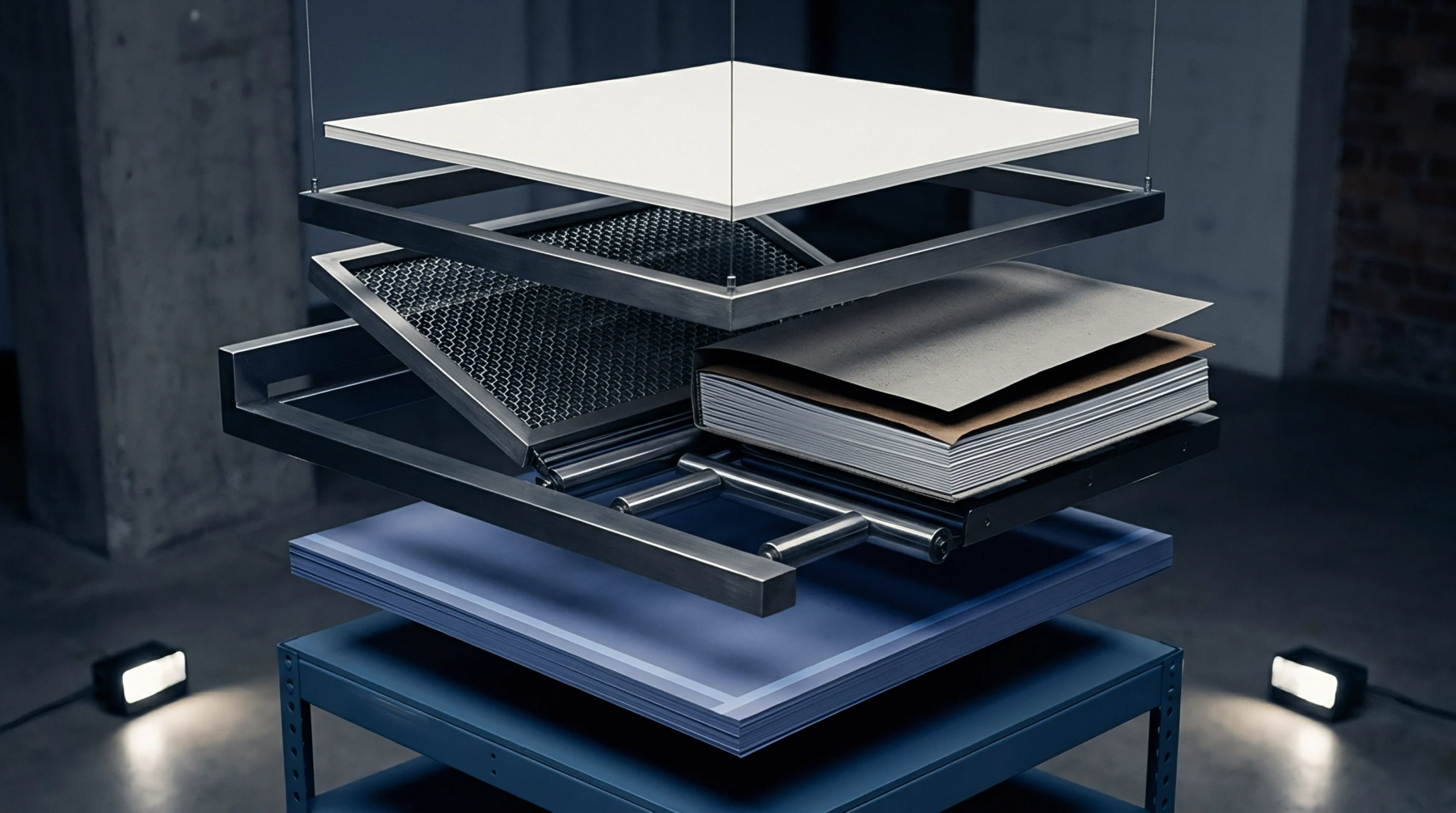
Recycled board demands matrix channels widened to rule thickness plus 1.7 to 1.9 times caliper to induce core delamination and prevent liner splitting.
Cross direction bending resistance governs crease recovery force, requiring precise scoring die geometry to prevent carton springback during high-speed packing.
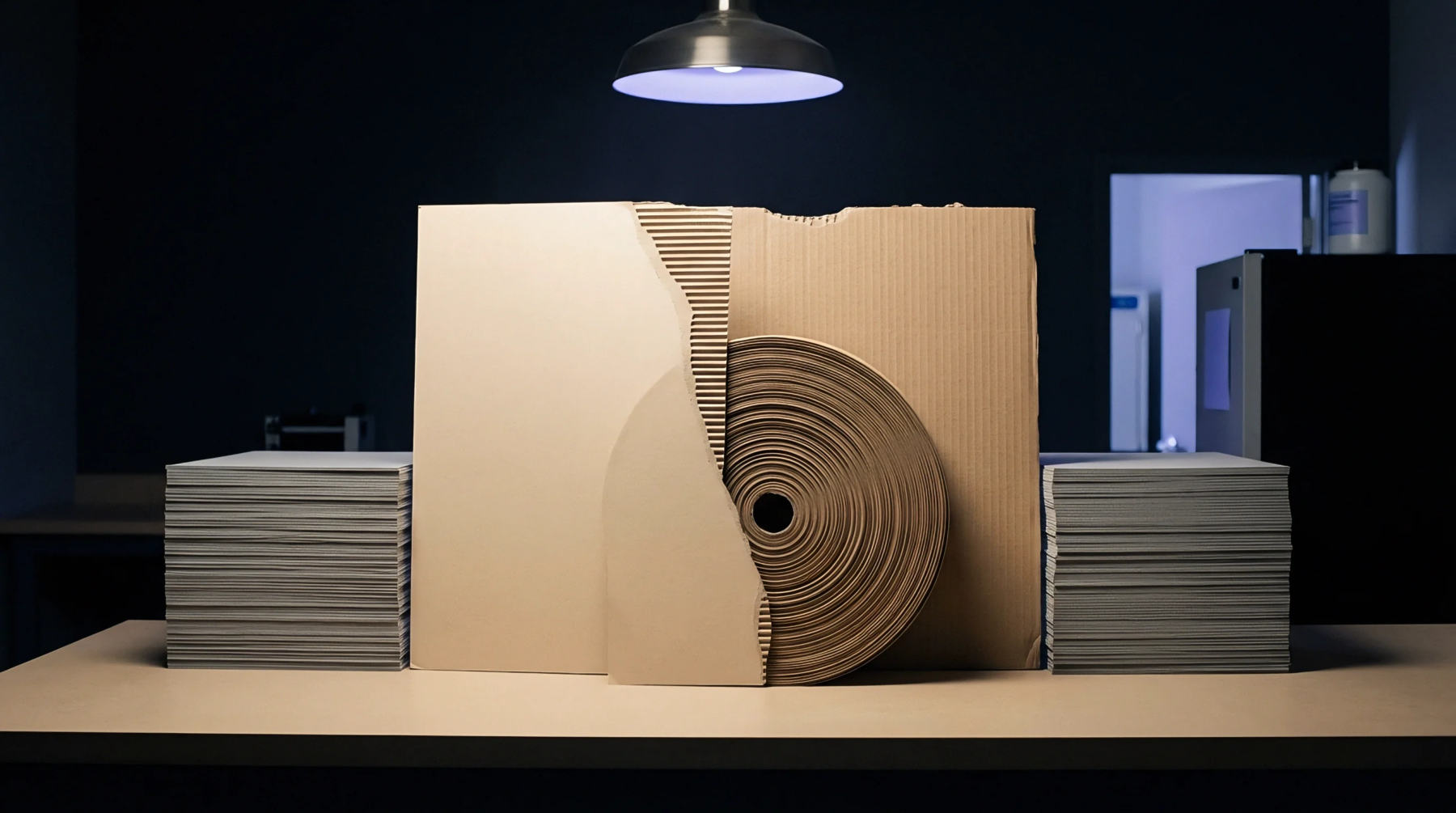
Standardize paperboard conditioning through dry pre-conditioning under ISO 187 to neutralize hysteresis and prevent false mechanical strength rejections.
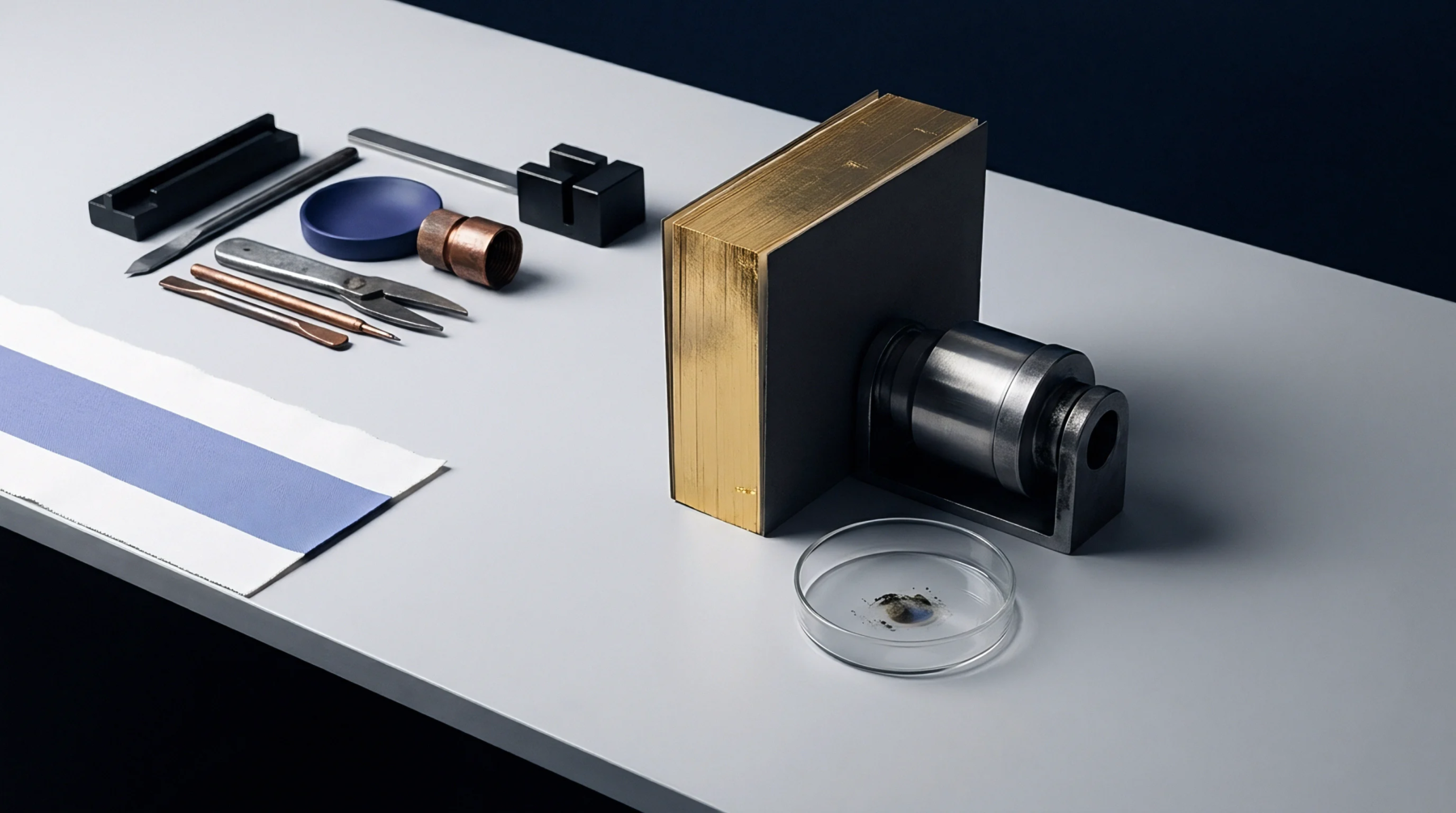
Reconciling Taber and L&W stiffness requires empirical grade-specific calibration curves rather than linear conversion to prevent PPWR minimisation audit failures.
Long softwood fibers maximize board bending resistance by increasing elastic modulus on outer plies while maintaining the caliper needed for flexural stiffness.

Calculated boxboard bending stiffness loss under cyclic moisture must account for core transverse shear compliance, which cuts carton panel rigidity by 40 percent.
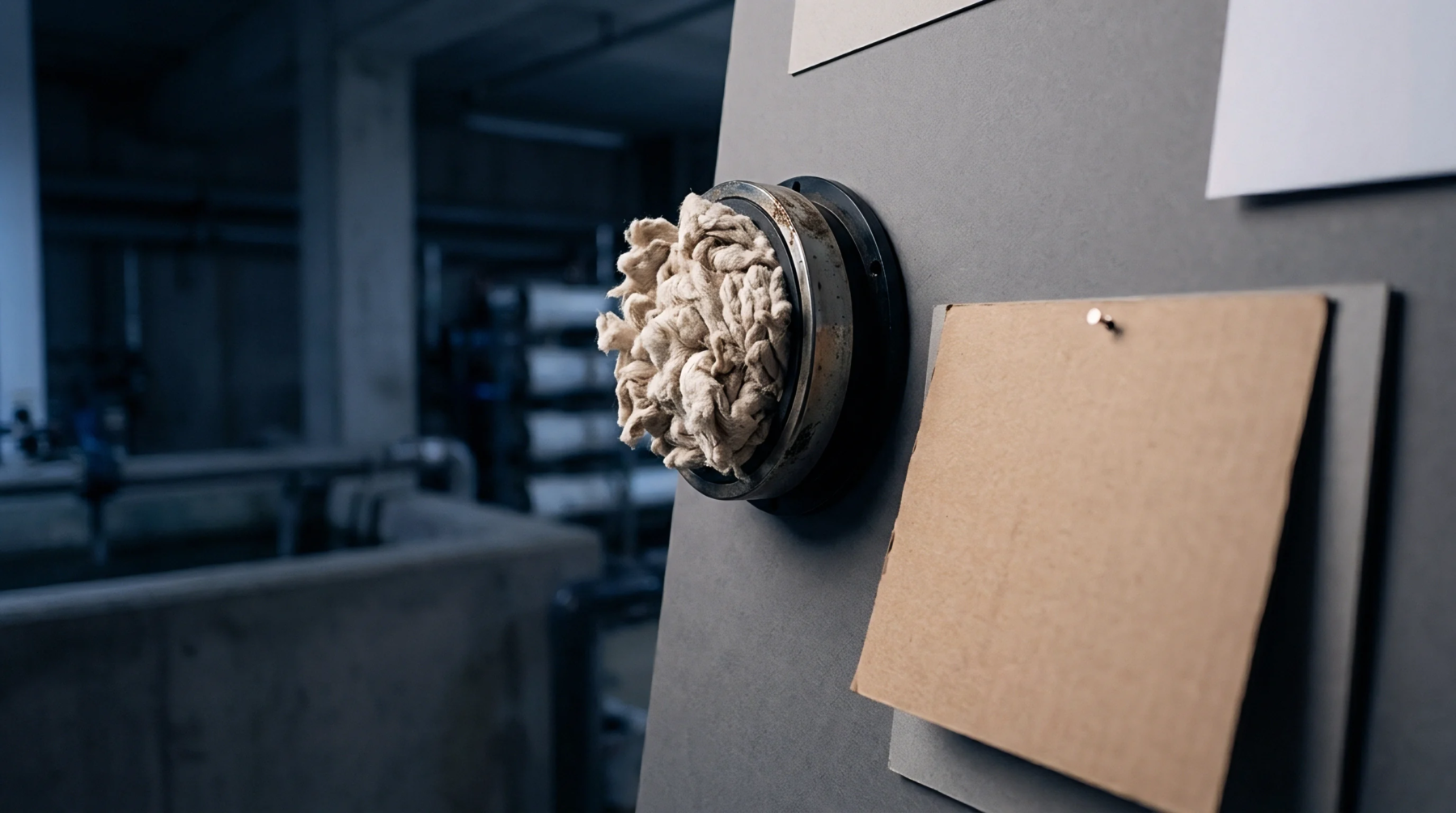
Maintain eucalyptus refining between 28 and 32 Schopper Riegler at low edge loads below 0.8 J/m to maximize board tensile index while preserving bulk and wire drainage.
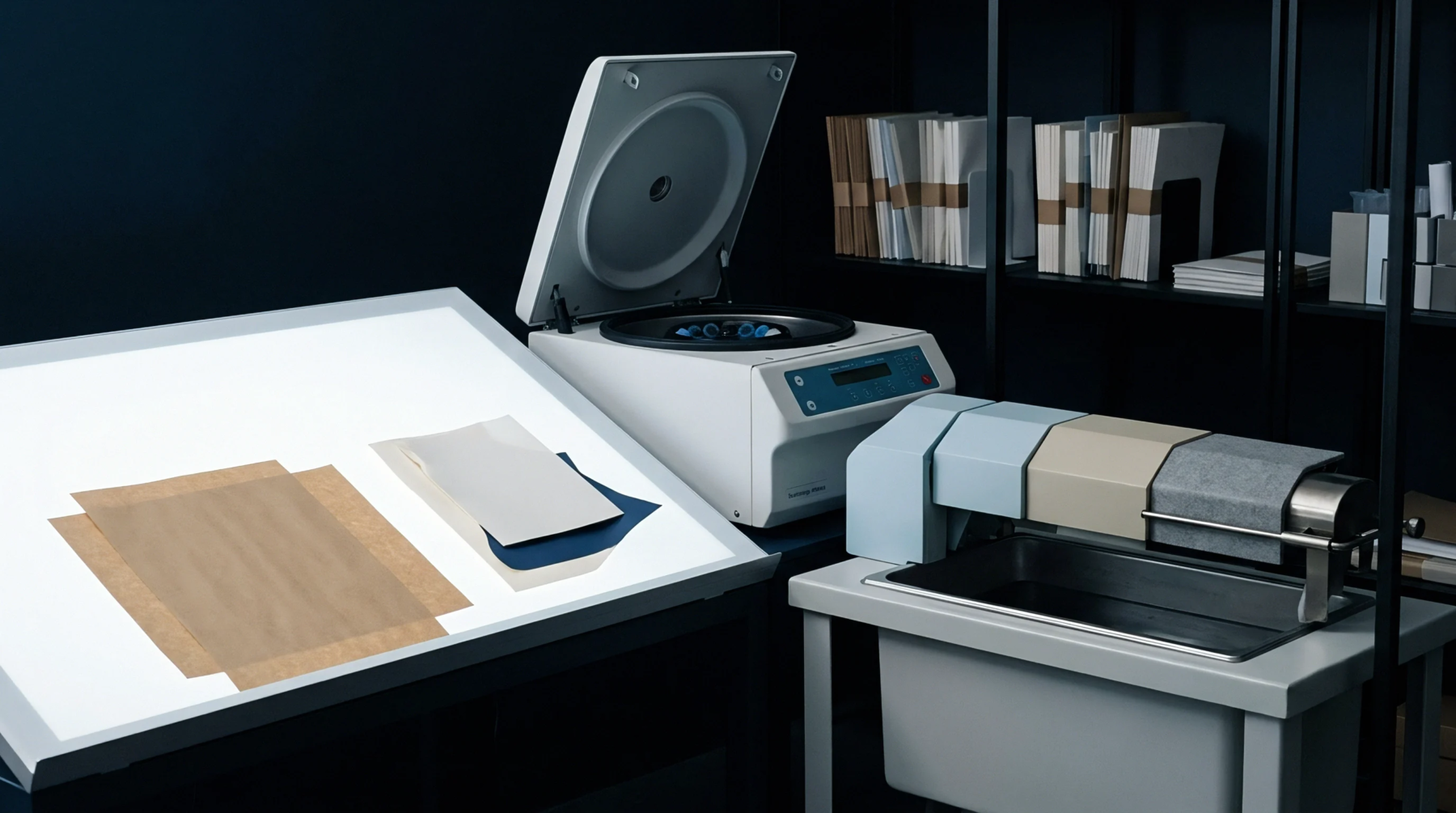
Standard paperboard bending resistance tests fix clamp distance, deflection angle, and rate to isolate true flexural rigidity from shear delamination.
Expertise is a utility, not a secret. sentiention™ publishes its working knowledge as open reference: intelligence layer covering the materials it sources, the markets it enters, and the reference that serves both.