Mechanical Pulp Core Bulk Retention during Shoe Press Dewatering Operations
Core bulk retention during shoe press dewatering requires asymmetric pressure profiles and controlled temperature to prevent mechanical pulp lumen collapse.
Core bulk retention during shoe press dewatering requires asymmetric pressure profiles and controlled temperature to prevent mechanical pulp lumen collapse.
Automated optical morphology testing under ISO 16065-2 quantifies fiber shortening and hornification to control secondary substrate strength and yield.
Thermal tooling and barrier sealing permanently lock micro-embossed fibers, preventing moisture-induced entropic strain recovery under high humidity.
Mass balance ledgers allocate administrative fiber credits across mill networks, but laboratory microscopy governs physical batch compliance at customs borders.
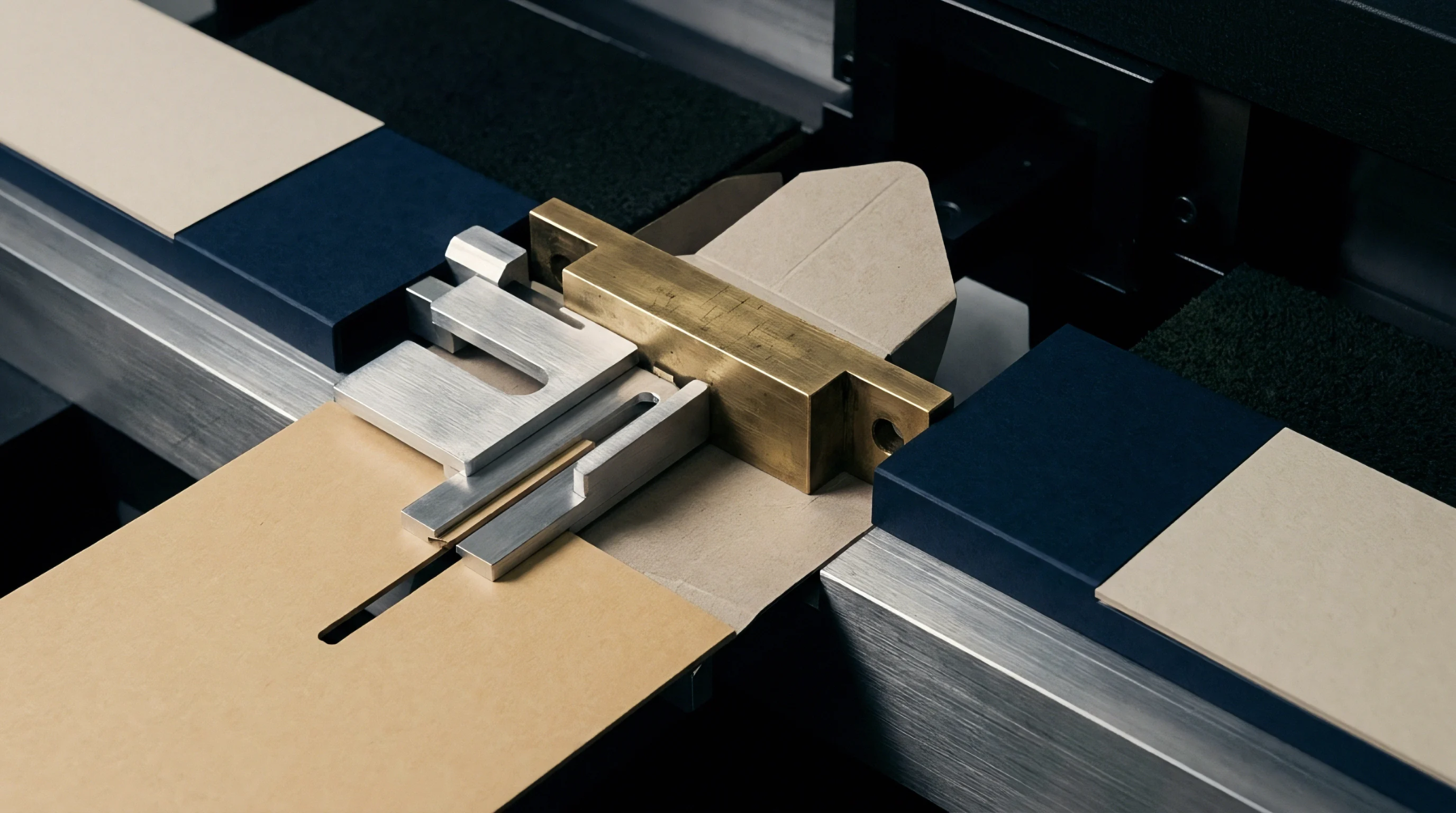
Dynamic mechanical analysis optimizes folding boxboard caliper retention by quantifying out-of-plane storage modulus decay in CTMP cores under high-speed converting loads.
Dynamic tone expansion modeling across recycled fiber matrices requires coupling transient capillary suction with viscoelastic nip deformation metrics.
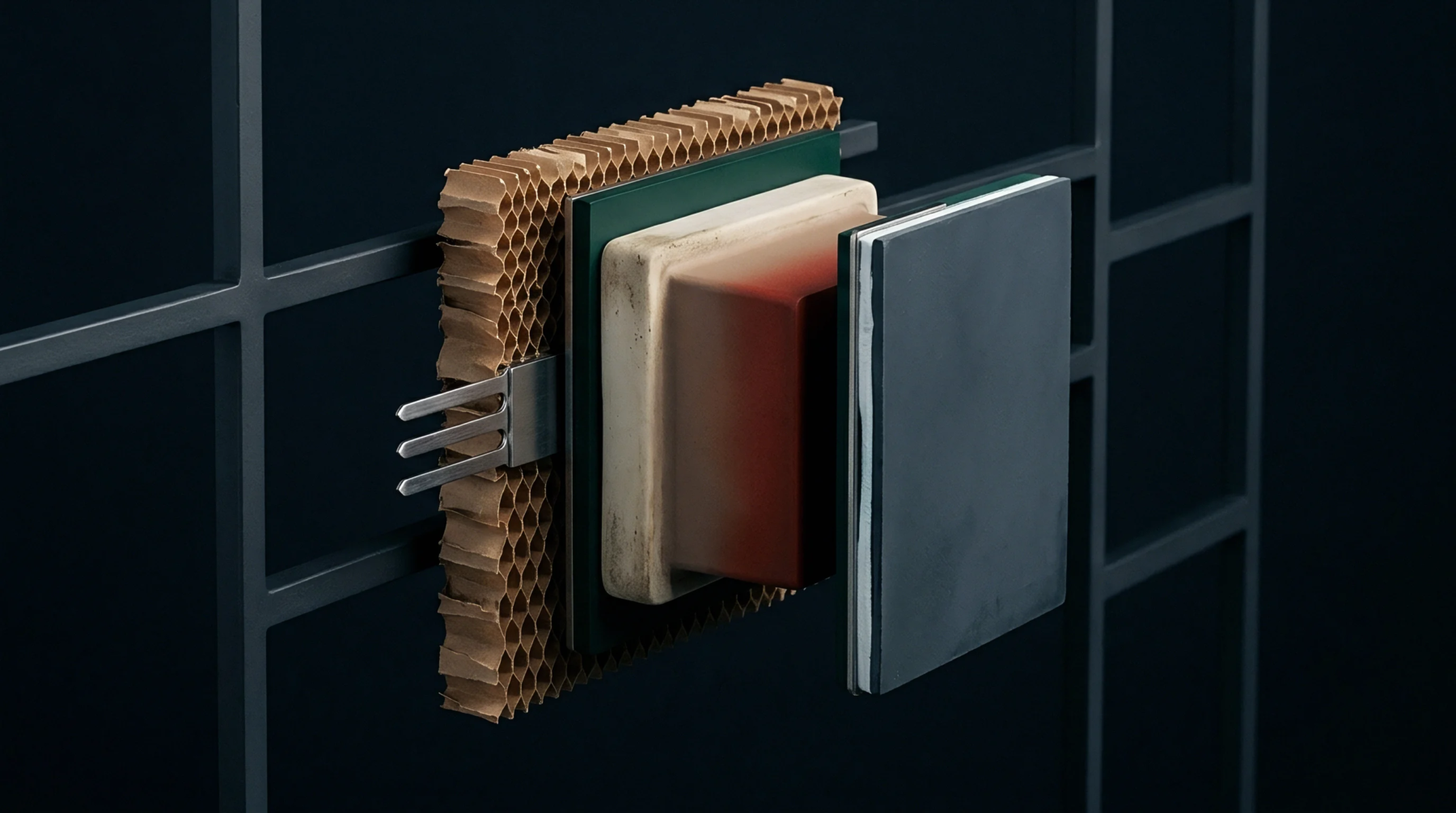
Optimizing CTMP core sulfonation and bulk yields lower grammage boxboard that maintains flexural rigidity while reducing landed carton cost.
Predicting dynamic Z-direction fiber compression requires balancing dwell time, thermal diffusivity, and lignin glass transition to maximize permanent set.
Expertise is a utility, not a secret. sentiention™ publishes its working knowledge as open reference: intelligence layer covering the materials it sources, the markets it enters, and the reference that serves both.