Molecular Attraction
Electrostatic interaction between hydroxyl groups on adjacent cellulose chains provides the primary force for sheet consolidation in paper products. This inter-fiber hydrogen bonding functions as the physical mechanism that converts loose cellulose pulp into a coherent, high-strength substrate. These dipoles form when a hydrogen atom covalently bonded to an electronegative oxygen atom nears another oxygen atom with an unshared electron pair.
Drying operations force fibers together until these distances allow the weak electrostatic charges to overcome repulsive forces. Strength gains depend upon the total surface area available for these contacts and the degree of hemicellulose presence on the fiber walls.
Bonding Mechanics
Mechanical refining increases the external fibrillation of fibers to heighten the potential for these associations during sheet formation. High levels of refining produce a dense, low-porosity sheet with high tensile strength because the increased surface area creates millions of microscopic connections across the structure. Proper chemical additives help orient surface hydroxyl groups toward each other to maximize the density of these links.
Moisture introduces water molecules that compete for these sites, which disrupts the connections and leads to a loss of mechanical stiffness. Repulping operations utilize the reversibility of these attractions to break the sheet back into individual fibers without destroying the fibers themselves.
Structural Performance
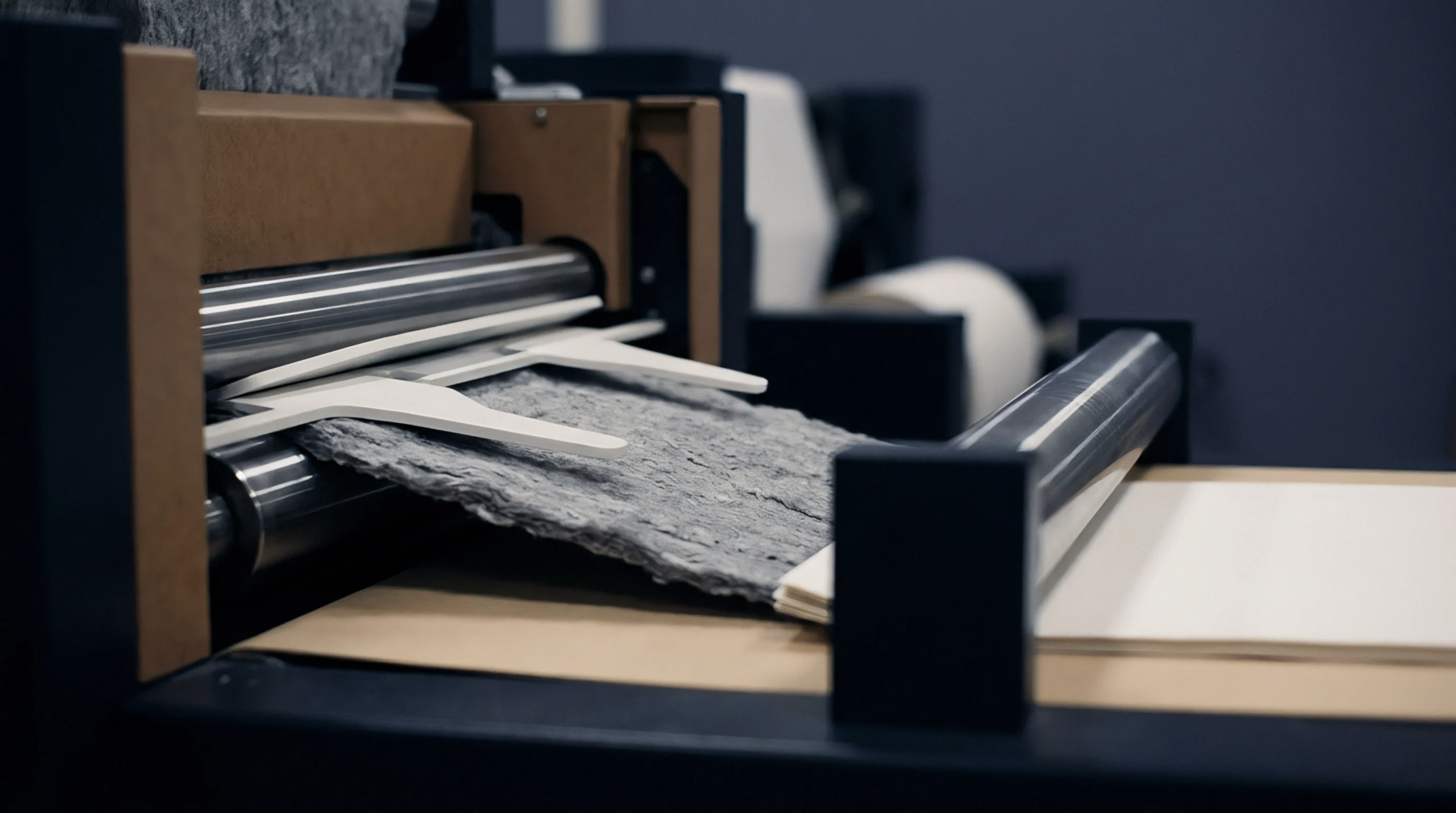
Variations in regional wood density and pulping yield change the chemical composition of the fibers and alter the distribution of these linkages in the final product. A sheet with high density shows greater stiffness because the fibers reside closer together, which promotes more frequent contact points. Converting processes such as calender pressing increase the sheet density and improve smoothness but require strict control to prevent fiber crushing or thickness loss.
Excessive pressure reduces the fiber length and damages the internal structure, which weakens the paper even when the connections remain firm. Dimensional stability throughout the life of a package relies upon the resistance of these bonds to shifts in environmental humidity.