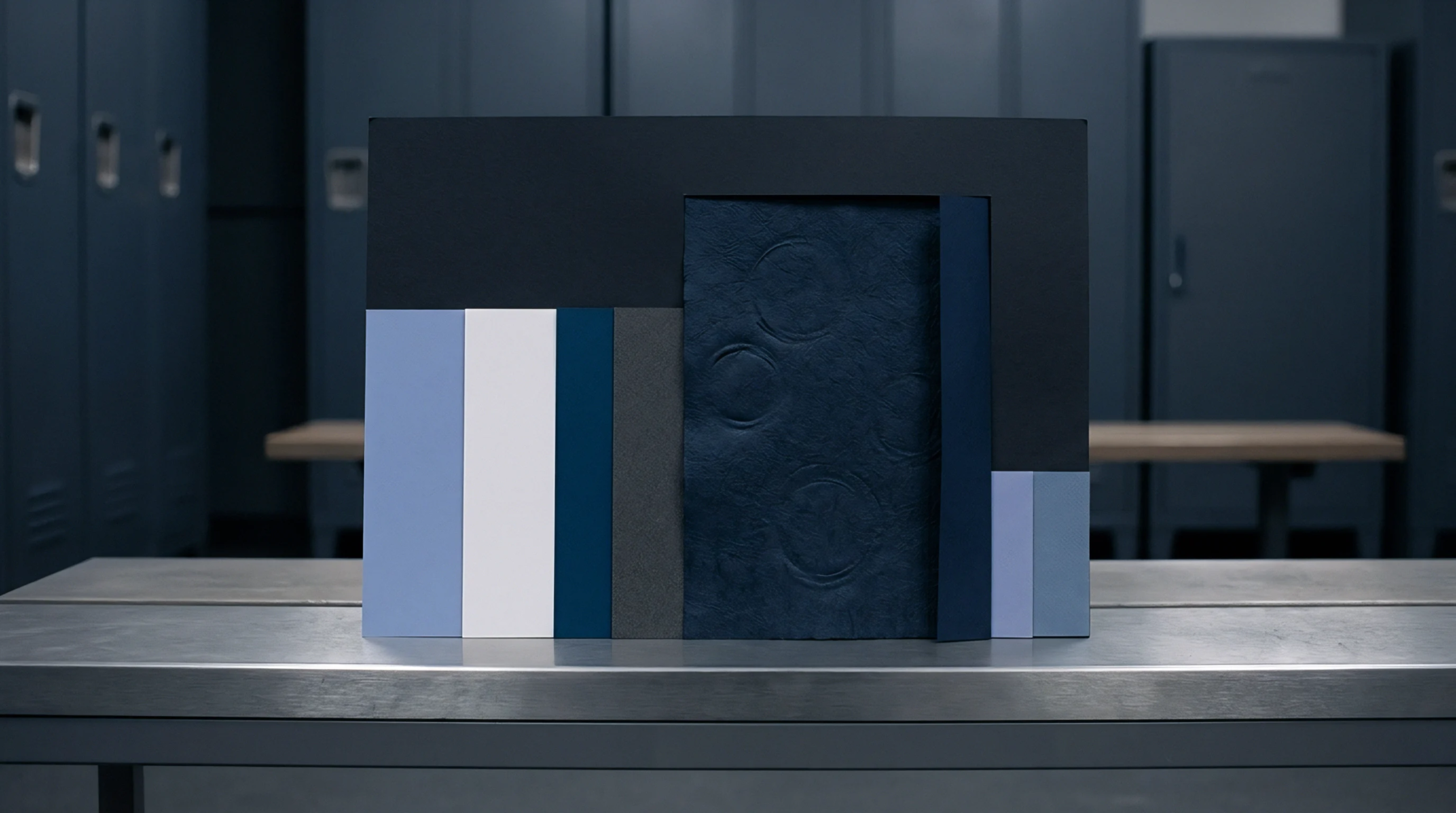
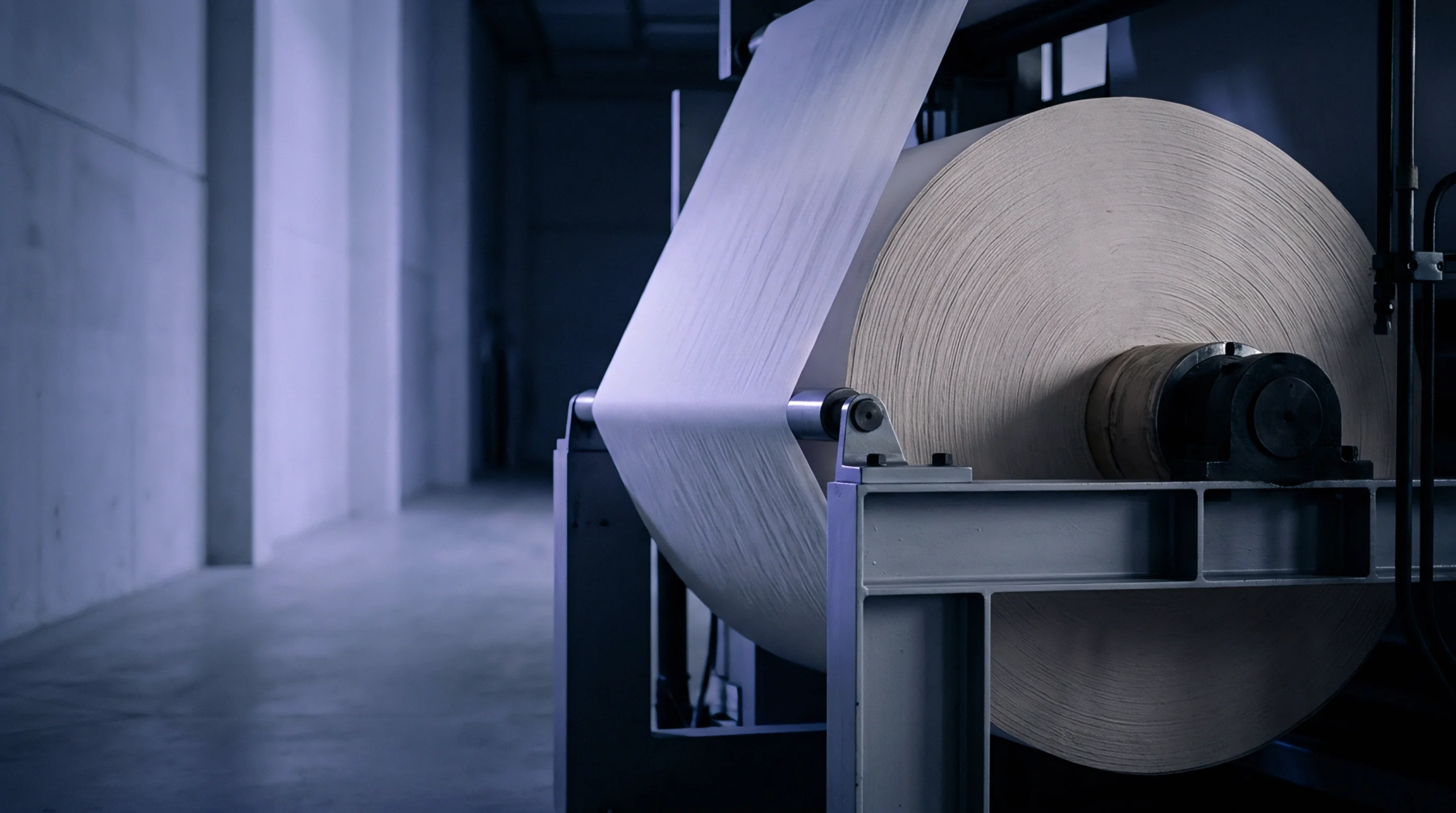
Surface Smoothness
Air flow resistance across packaging grades measures the porous structure of paper and board. Specifically, ISO 8791 defines the rate at which air passes between a loaded metal band and the treated surface of a moving web under controlled clamping pressure. Printers and converters apply this metric to predict ink transfer efficiency and varnish holdout during high speed offset runs.
Deviations outside specified limits cause mottling or pick resistance failure on coated folding boxboard.
Porosity Ratio
Calendering pressure at the dry end of the paper machine directly dictates this micro void distribution. Heavier nip loads collapse surface capillaries, lowering permeability figures to values below standard mill tolerances for liquid packaging board. High air resistance guarantees dense ink film setting but restricts aqueous adhesive penetration on high speed gluing lines.
Converter specifications penalize rolls exceeding target Bendtsen or Parker Print Surf thresholds because uneven topography creates visible gloss variations.
Conversion Tolerance
Finished corrugated outer liners require moderate surface roughness values to maintain friction coefficients during automated palletizing and case erecting. Higher air permeance ratings indicate open paper structures that absorb excessive hot melt adhesive, raising packaging line costs unnecessarily. Precision cylinder machines regulate moisture profiles to keep these microstructural values stable across wide web widths before slitting.