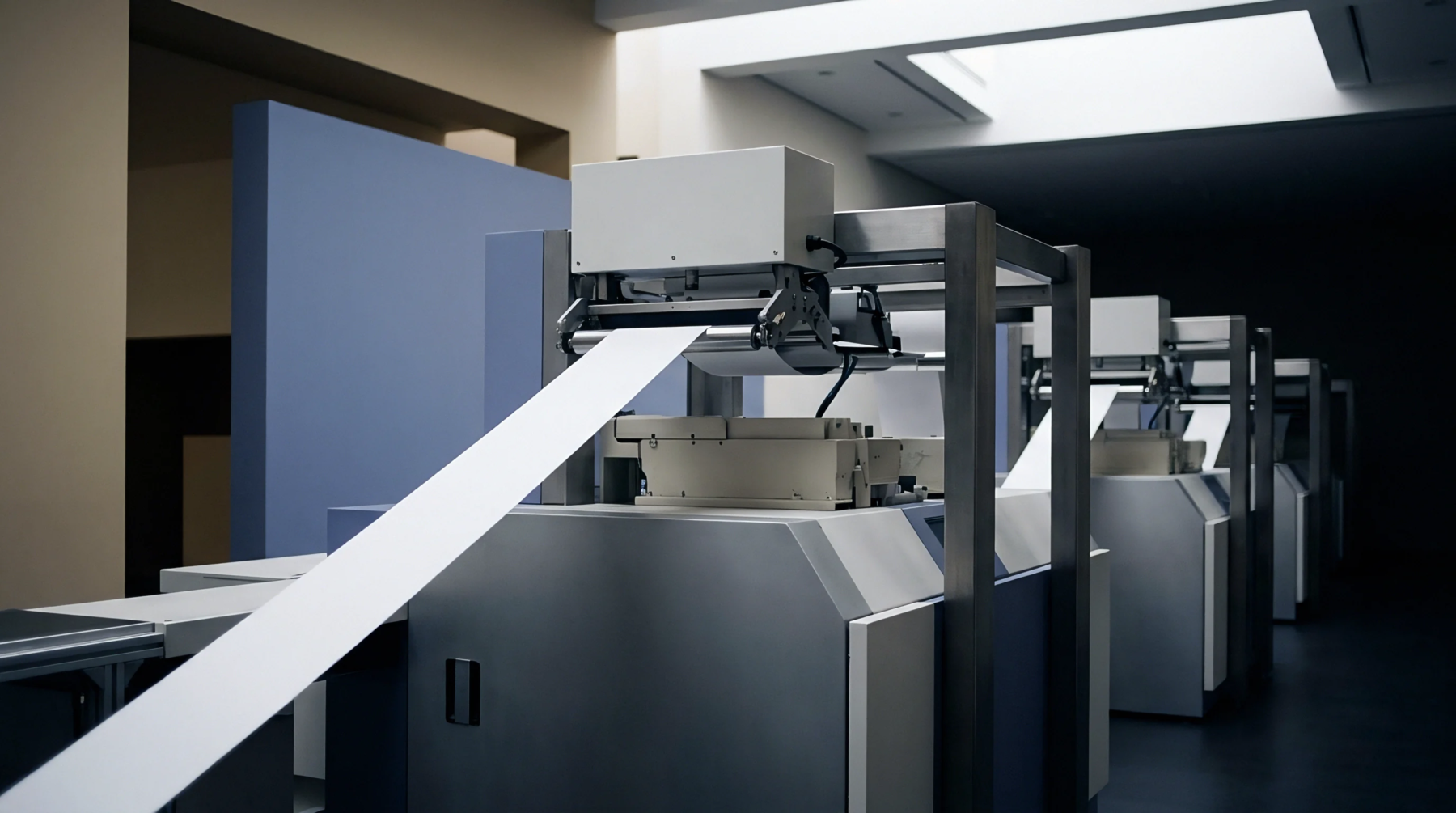
Continuous Non Contact Gauge Physics for Paperboard Thickness Control
Non-contact paperboard thickness control relies on precise laser, confocal, or nuclear physics combined with aerodynamic web stabilization to drive mill yield.
Non-contact paperboard thickness control relies on precise laser, confocal, or nuclear physics combined with aerodynamic web stabilization to drive mill yield.

Deriving baseline caliper and density balances converting crease geometry, coating accumulation, and area yield to prevent line jams and control packaging cost.
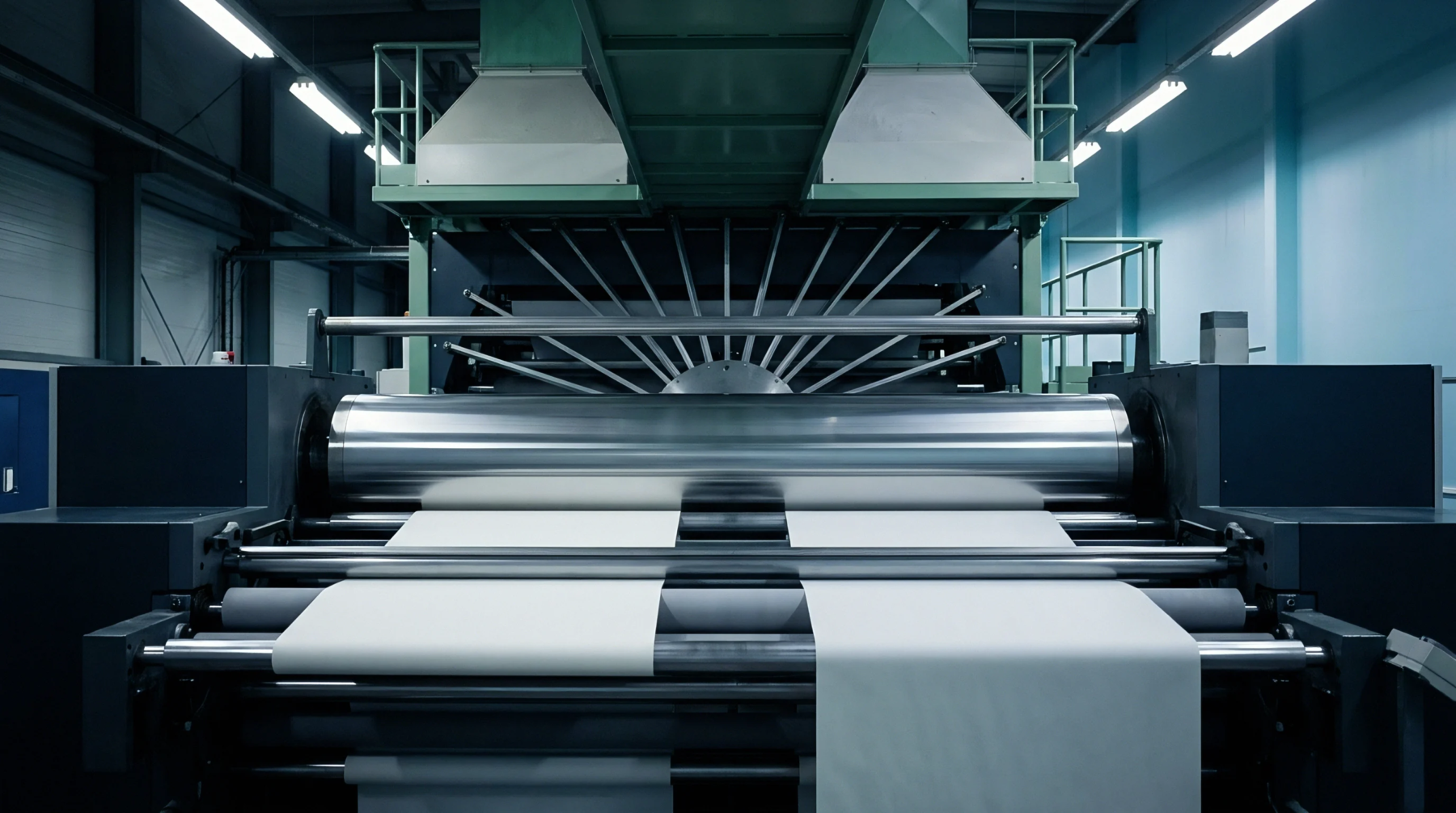
Fractionated stock preparation isolates long fibers for low-intensity refining, raising compression strength and enabling containerboard grammage reduction.
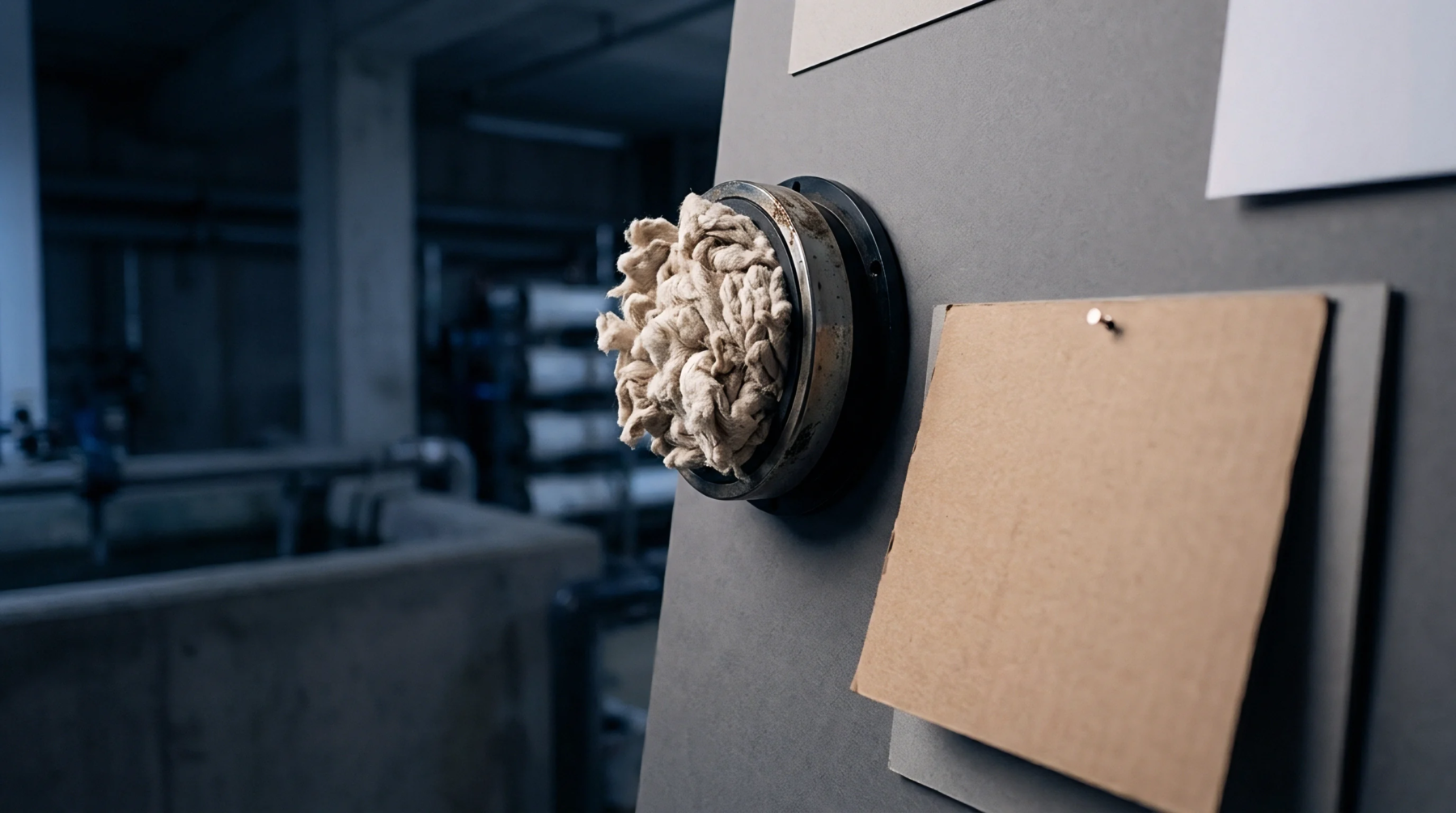
Maintain eucalyptus refining between 28 and 32 Schopper Riegler at low edge loads below 0.8 J/m to maximize board tensile index while preserving bulk and wire drainage.
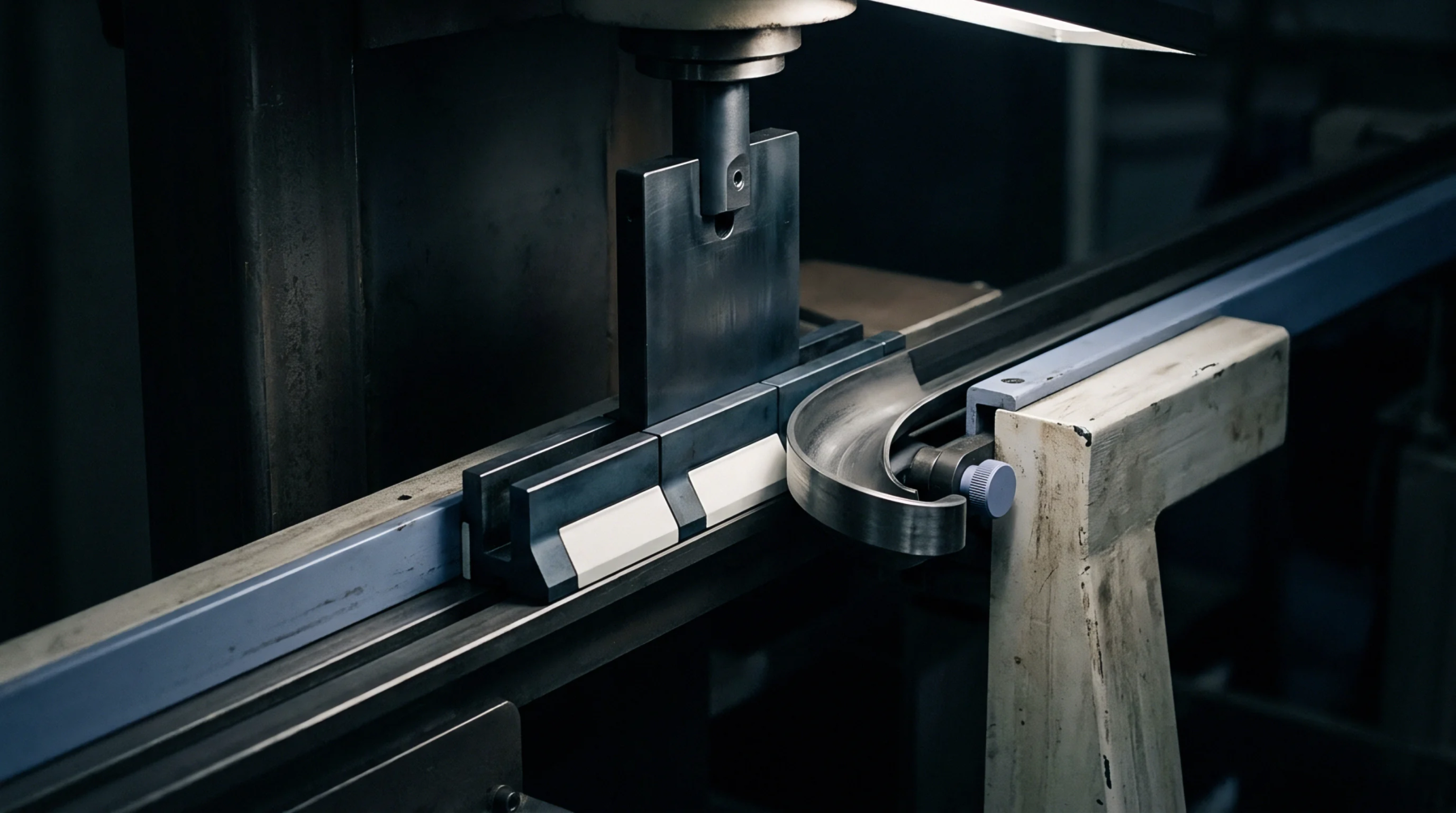
Optimizing crease tooling for coated recycled paperboard demands expanding counter channel widths to 1.65 times caliper to induce controlled ply delamination.

Apparent bulk equals caliper divided by grammage, defining the physical thickness and carton yield delivered per purchased metric tonne of paperboard.
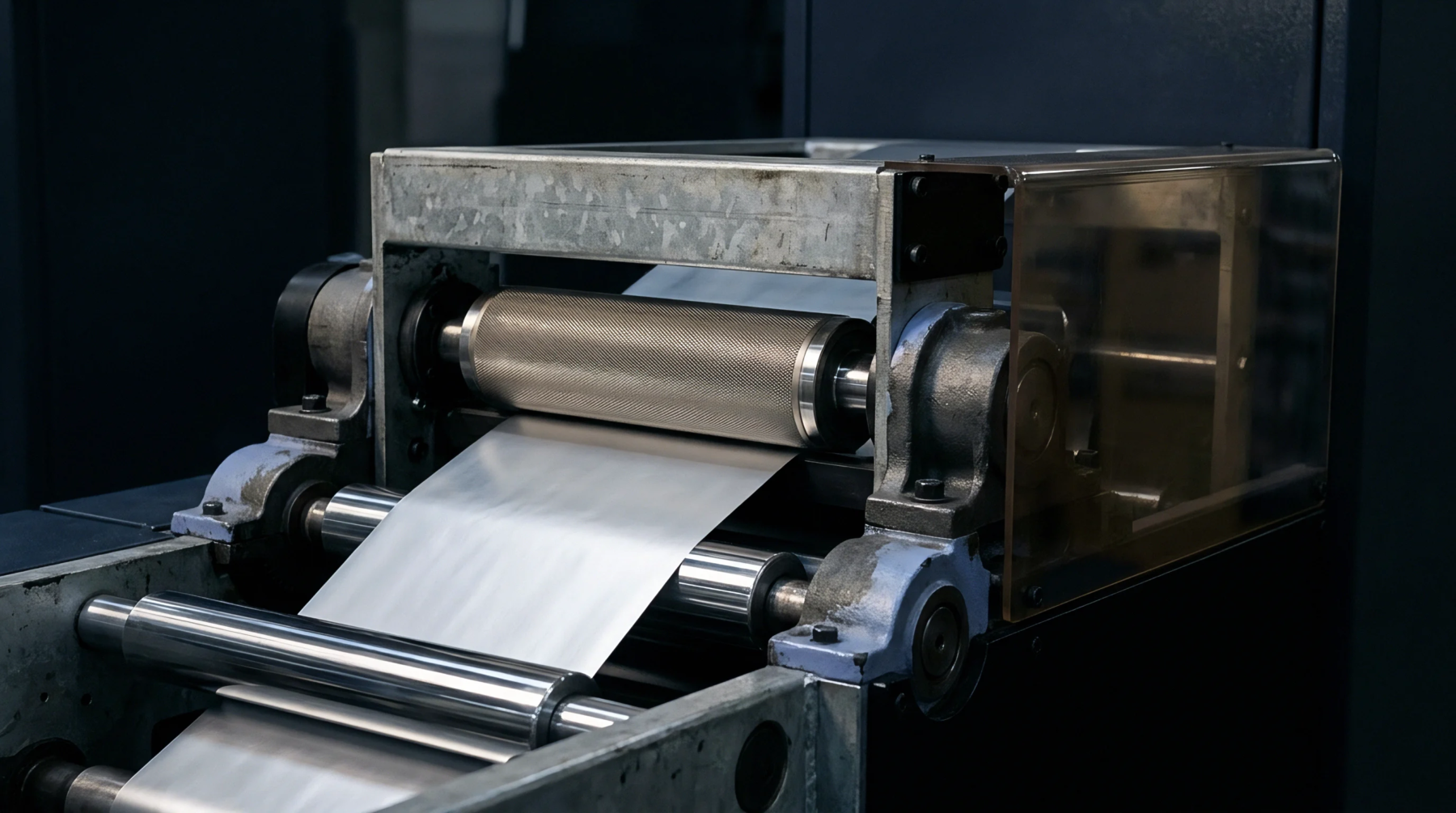
Substrate compression ratio measures z-axis compaction, balancing tool impression depth against fiber strain limits to maximize embossing height without shearing.
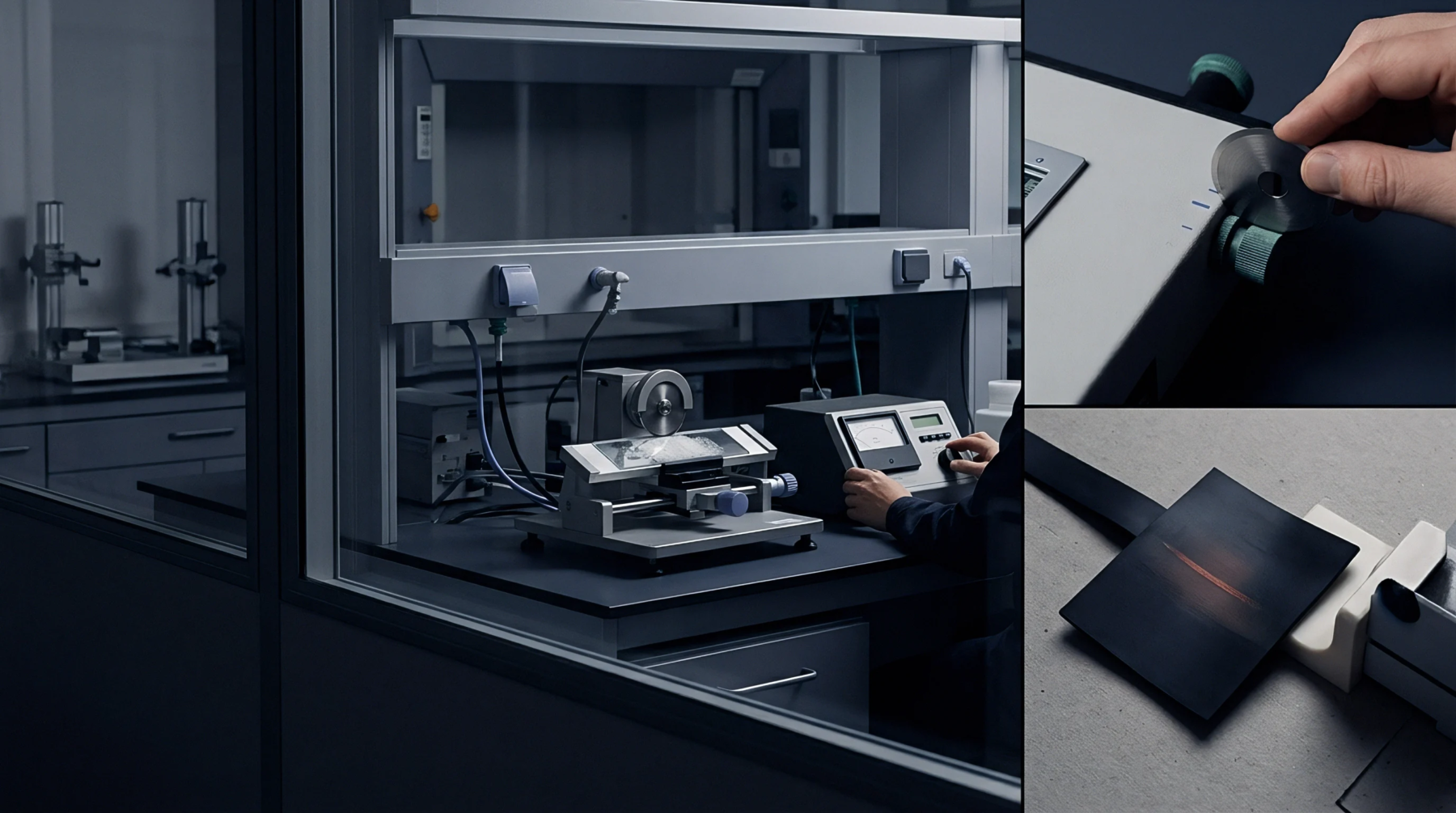
Paperboard physical property verification requires strict ISO 187 conditioning and standardized test methods to ensure compliance and prevent customs holds.

Dynamic delamination thresholds in recycled calipers dictate converted score integrity, requiring minimum inter-ply shear energy dissipation under high strain rates.
Expertise is a utility, not a secret. sentiention™ publishes its working knowledge as open reference: intelligence layer covering the materials it sources, the markets it enters, and the reference that serves both.