
Statistical Sampling Standards for Folding Boxboard Quality Control
Statistical sampling of folding boxboard applies ISO 2859-1 attribute limits and ISO 3951-1 variable k-factors to verify stiffness, caliper, and purity.
Statistical sampling of folding boxboard applies ISO 2859-1 attribute limits and ISO 3951-1 variable k-factors to verify stiffness, caliper, and purity.
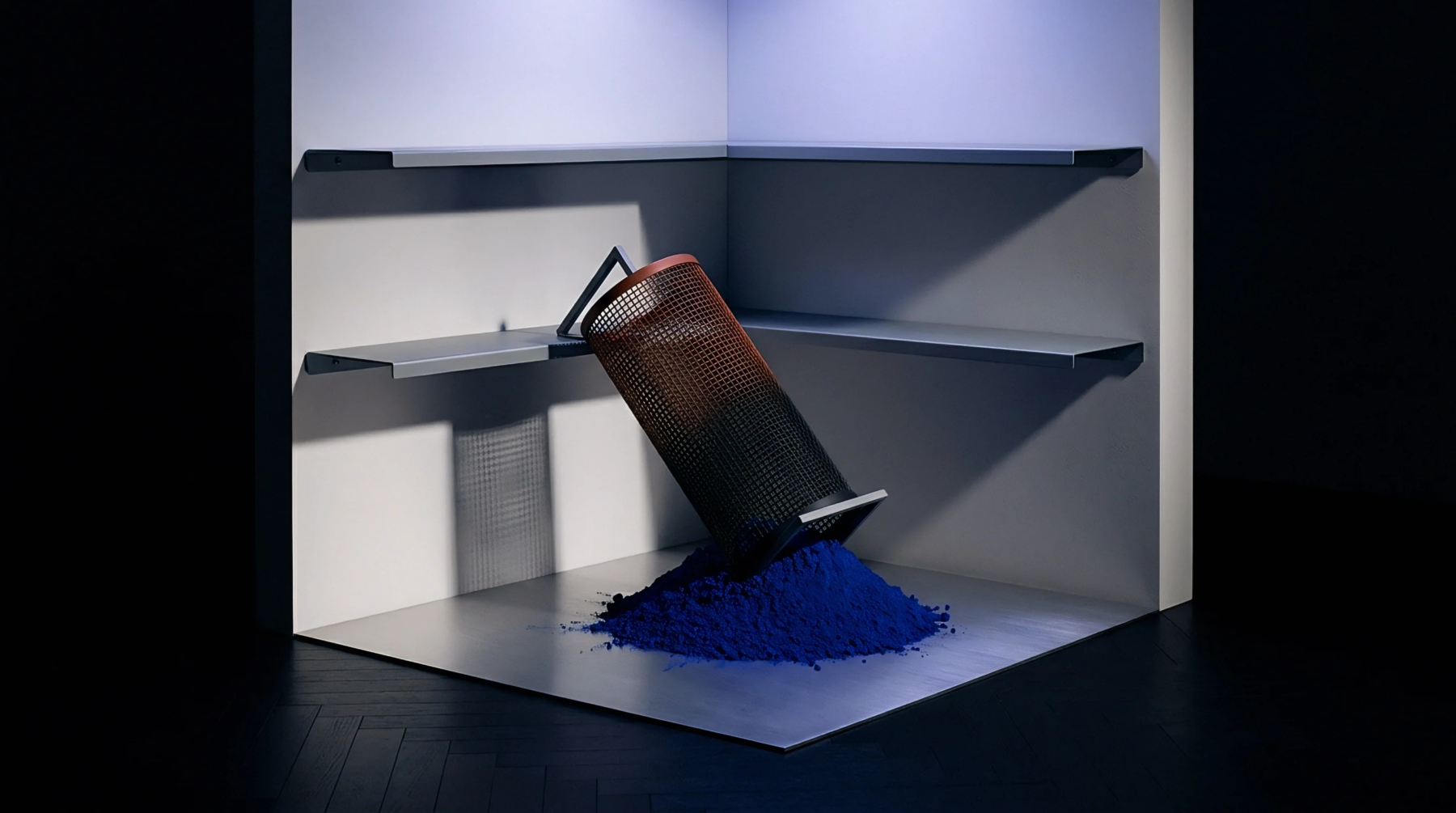
Mineral pigment shape and pore distribution control ink setting, fiber coverage, and converting runnability, fixing real delivered costs per thousand sheets.

Set-off migration prediction requires calculating pressure-dependent contact areas and temperature-driven diffusion rates across stacked cartonboard sheets.

Subsurface scattering deconvolution isolates true paperboard topography from photon diffusion artifacts to protect sheet bulk and gravure print fidelity.

Air leak testing measures functional board compressibility under print impression, while optical triangulation isolates non-contact geometrical surface defects.

Surfactant diffusion kinetics govern short-time surface tension during blade metering, preventing pinholing and ensuring carton converting adhesion.

Clay coating orientation and core pulp density govern transient thermal lag across cartonboards, dictating minimum dwell times for heat seal activation.

Thermally conditioning surface plies above binder glass transition depresses surface roughness without crushing core mechanical plies, boosting caliper yield.
Temperature gradient calendering preserves FBB mechanical bulk by softening surface fibres while keeping core BCTMP below glass transition to protect stiffness.

Controlling extensional relaxation times in flexographic inks prevents cell emptying failure, eliminates high-speed misting, and maximizes substrate runnability.
Expertise is a utility, not a secret. sentiention™ publishes its working knowledge as open reference: intelligence layer covering the materials it sources, the markets it enters, and the reference that serves both.