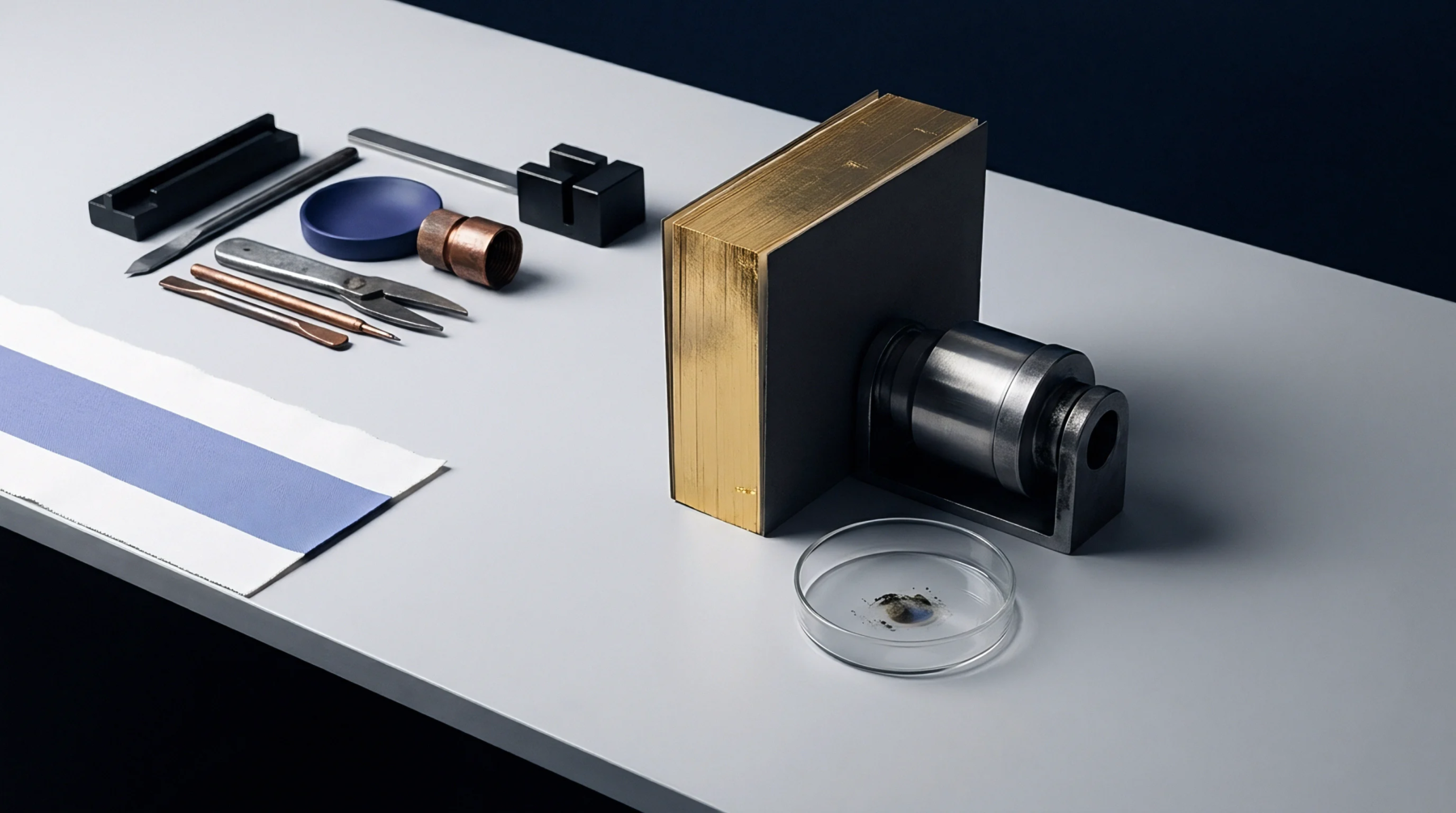
Spot UV against Hot Foil at the Break Even Run Length
Digital spot UV beats hot foil stamping on setup costs below 3,400 B2 sheets at 5% coverage, beyond which low foil area costs surpass high fluid burn.
Digital spot UV beats hot foil stamping on setup costs below 3,400 B2 sheets at 5% coverage, beyond which low foil area costs surpass high fluid burn.

Changing stock grades alters micro-porosity and light scattering, shifting ink holdout and dot gain, requiring immediate press curve and ink film adjustments.

Matching substrate furnish and bulk to press stress secures structural integrity, optimizes print quality, and minimizes total landed packaging cost.
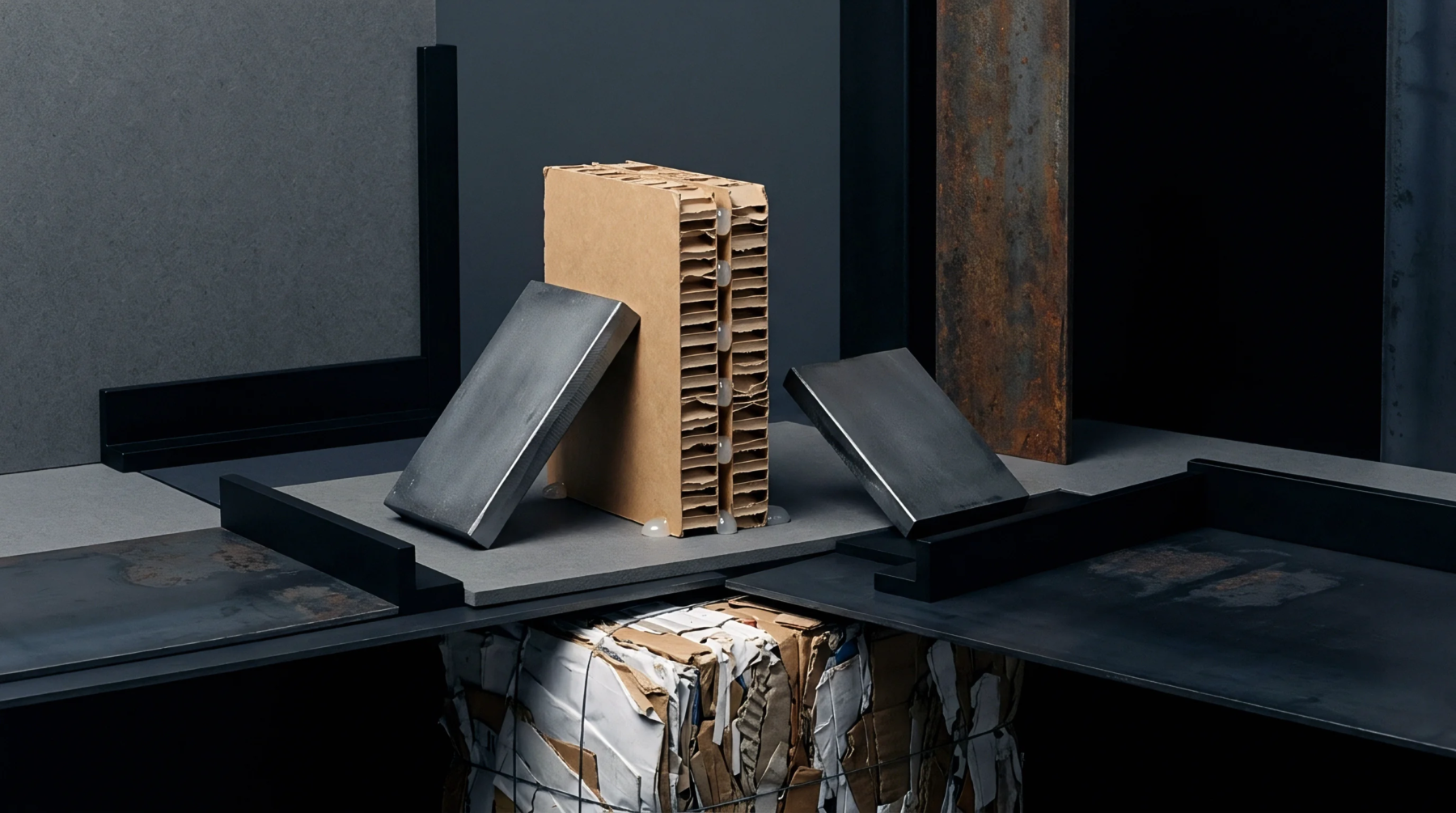
Parent sheet yield and trim waste govern grade selection when high-bulk downgauging balances mill deckle fit, layout imposition, and net landed cost per unit.
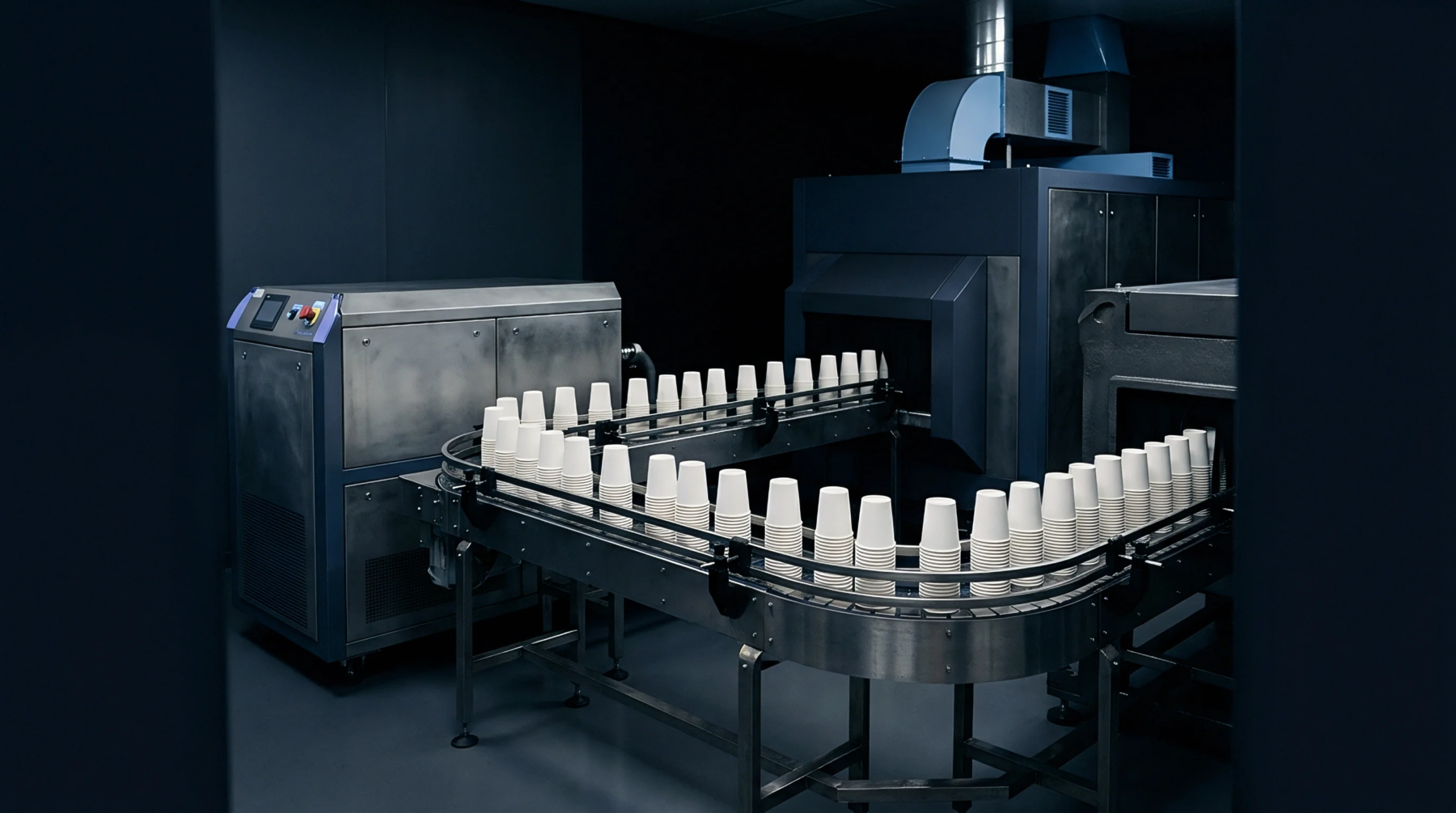
Non-contact laser profiling accuracy on board converting lines depends on blue laser selection, dynamic vibration damping, and proper spatial filter settings.

Inline optical displacement calibration requires dynamic differential sensing and spatial encoder synchronization to eliminate web flutter and thermal drift errors.

Virgin SBS provides superior print brightness, stiffness consistency, and crack-free scoring, whereas recycled board lowers initial cost but adds waste.

Standardized TVI calibration requires substrate-relative spectral curves, M1 spectrophotometry, and dynamic CTP curve adjustments matched to sheet porosity.
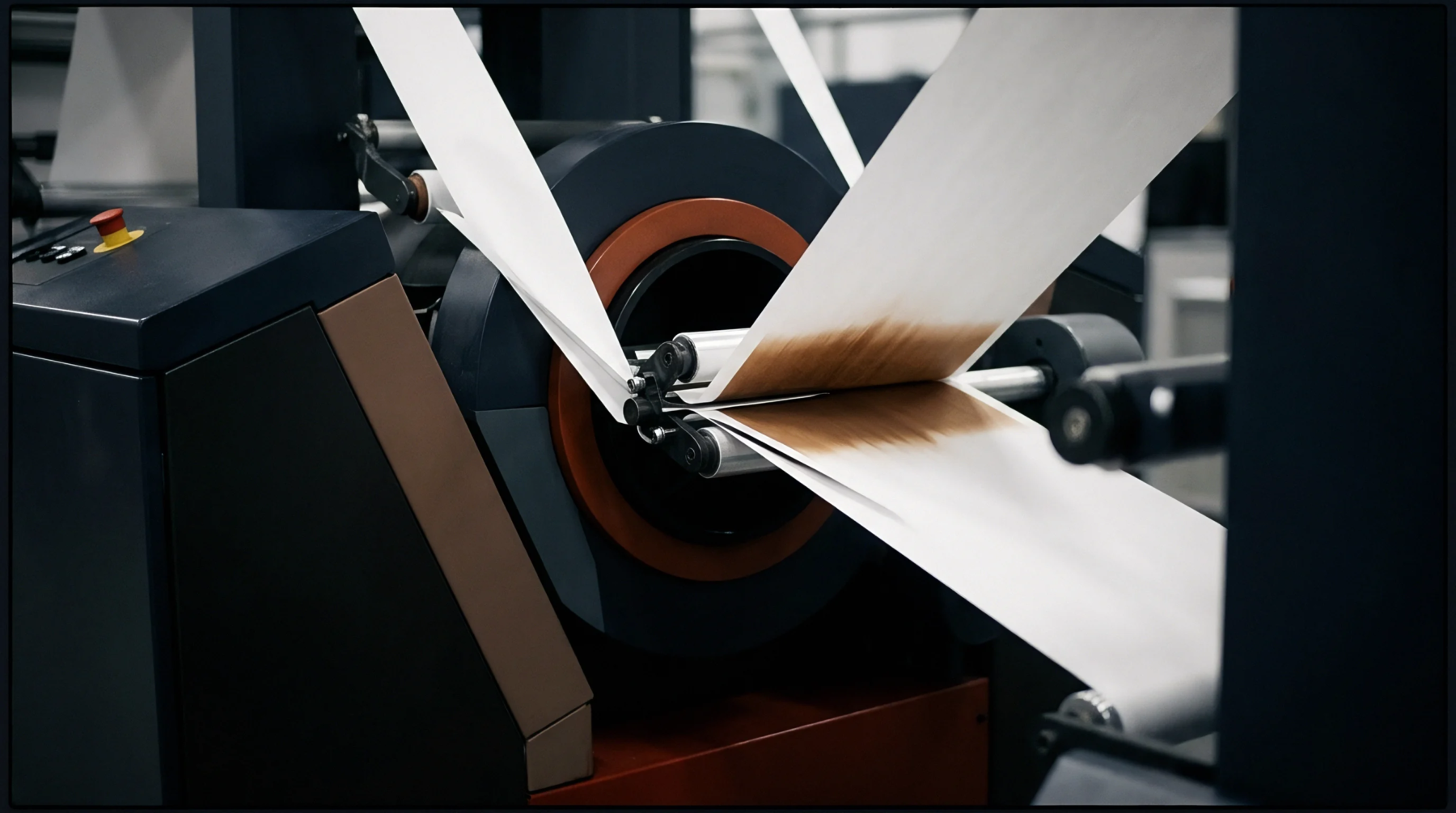
Active dual-beam telecentric triangulation eliminates web flutter noise by maintaining constant optical magnification and canceling out-of-plane displacement in real time.

Polymer film pinholing across creased recycled stock stems from hornified fiber end punctures under high dynamic strain rates during package converting.
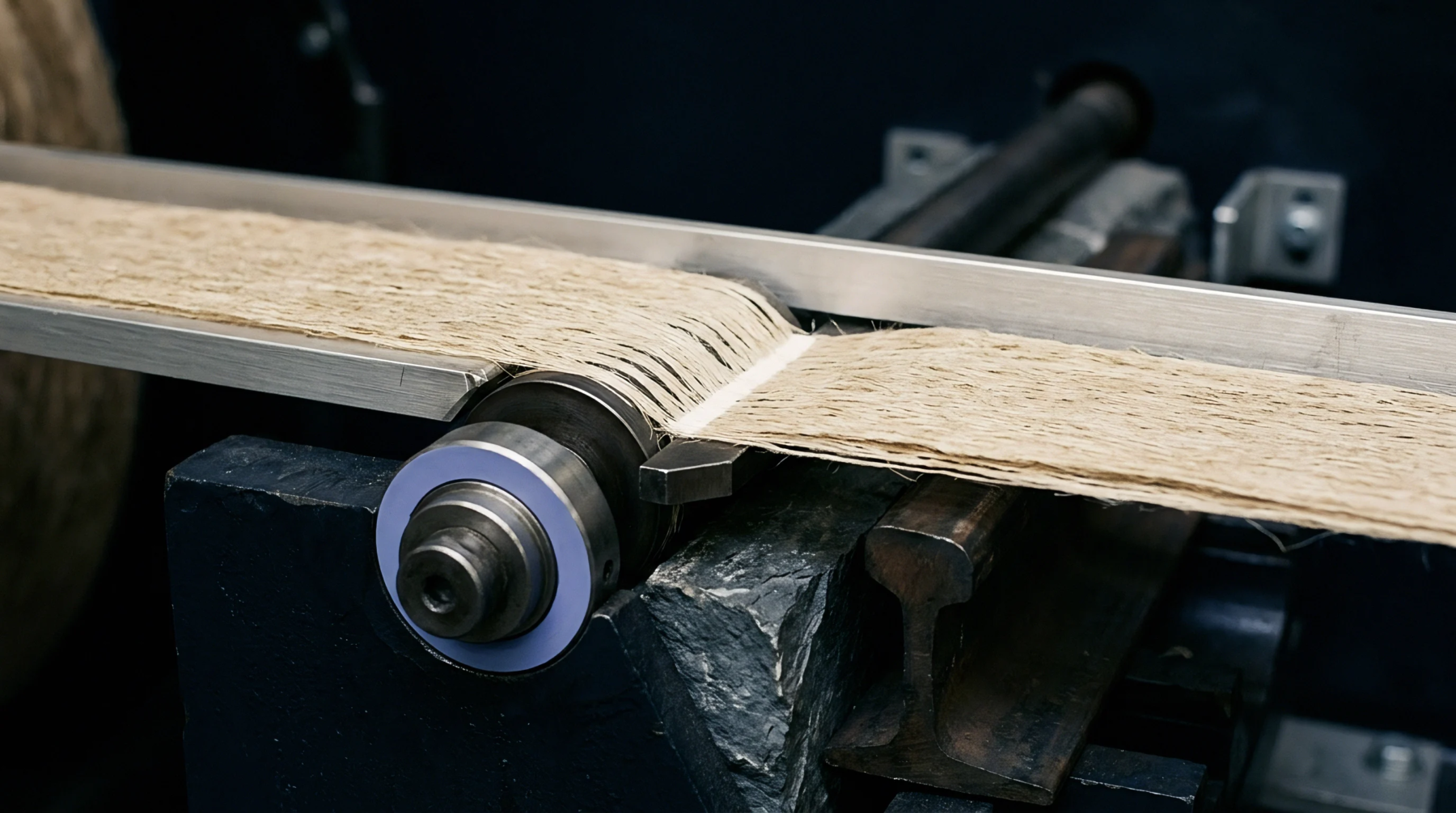
Inline blue laser triangulation measures paperboard surface topography at high speeds by overcoming fiber light penetration and isolating mechanical flutter.
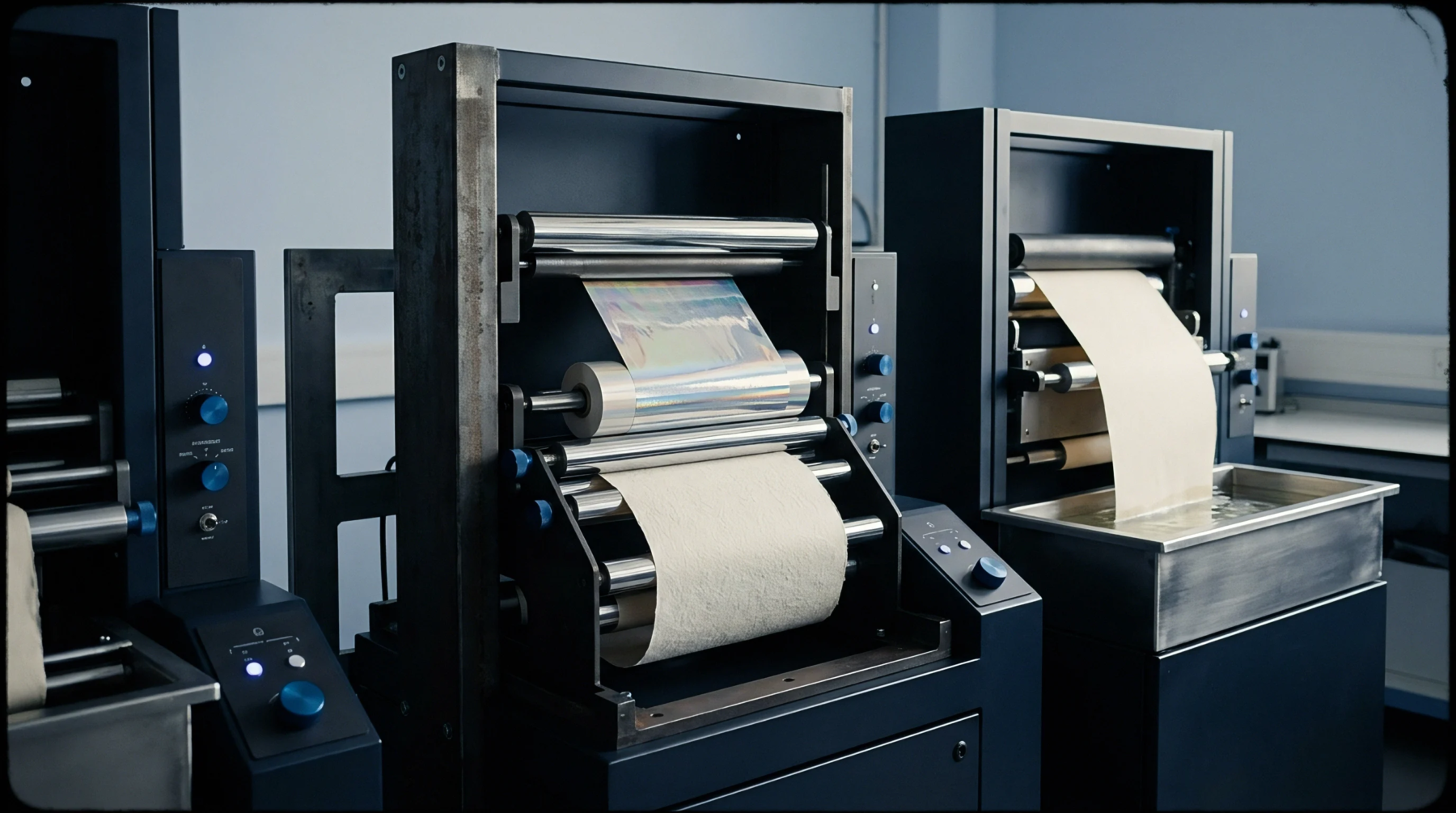
Dynamic surface tension at millisecond surface ages dictates liquid curtain stability and dynamic wetting limits in paperboard coating operations.
Laser triangulation delivers uncompressed 3D areal topography data, isolating micro-roughness and void volumes that drive print quality across coated boxboard.

Poly-coated vapor transport follows Fickian diffusion governed by polymer density and coat weight until score line fractures shift mechanism to pore flow.

Dynamic contact angle relaxation rates dictate air entrainment and streak defect thresholds in high speed blade coating systems operating above 1200 m/min.
Dynamic blue-laser displacement calibration eliminates light-penetration drift, securing exact FBB crease metrics and stopping false sheet rejection.

Interfacial shear delamination in dispersion-coated folding boxboards occurs when converting flexure stresses exceed polymer-fiber bond fracture energy.

Virgin solid bleached sulfate delivers superior score integrity and brightness, while recycled board reduces raw material expenditure when stiffness targets allow.
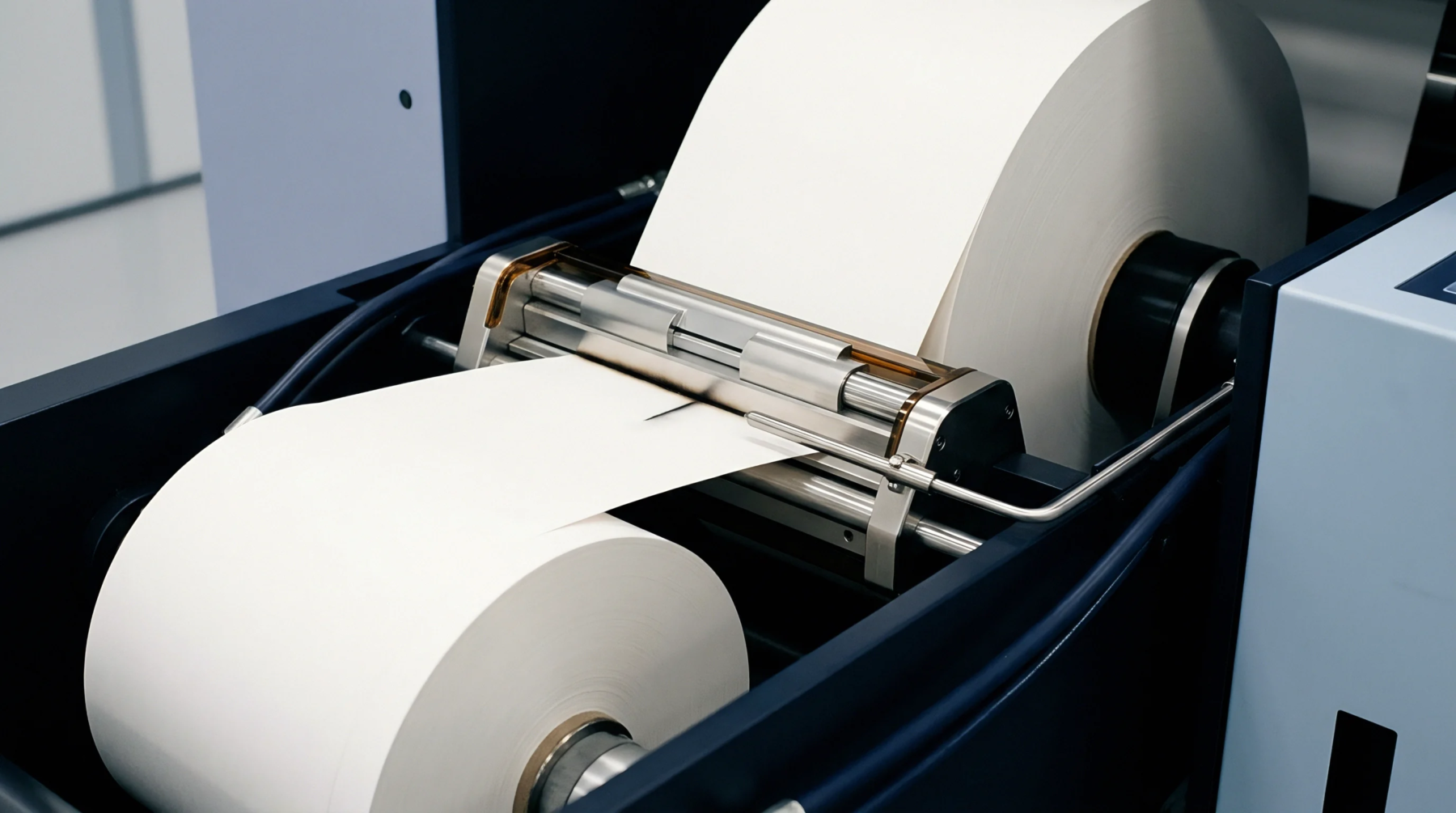
High-bulk BCTMP cores maintain boxboard bending stiffness during caliper downgauging while chemical wet-end additives prevent delamination under score creasing.
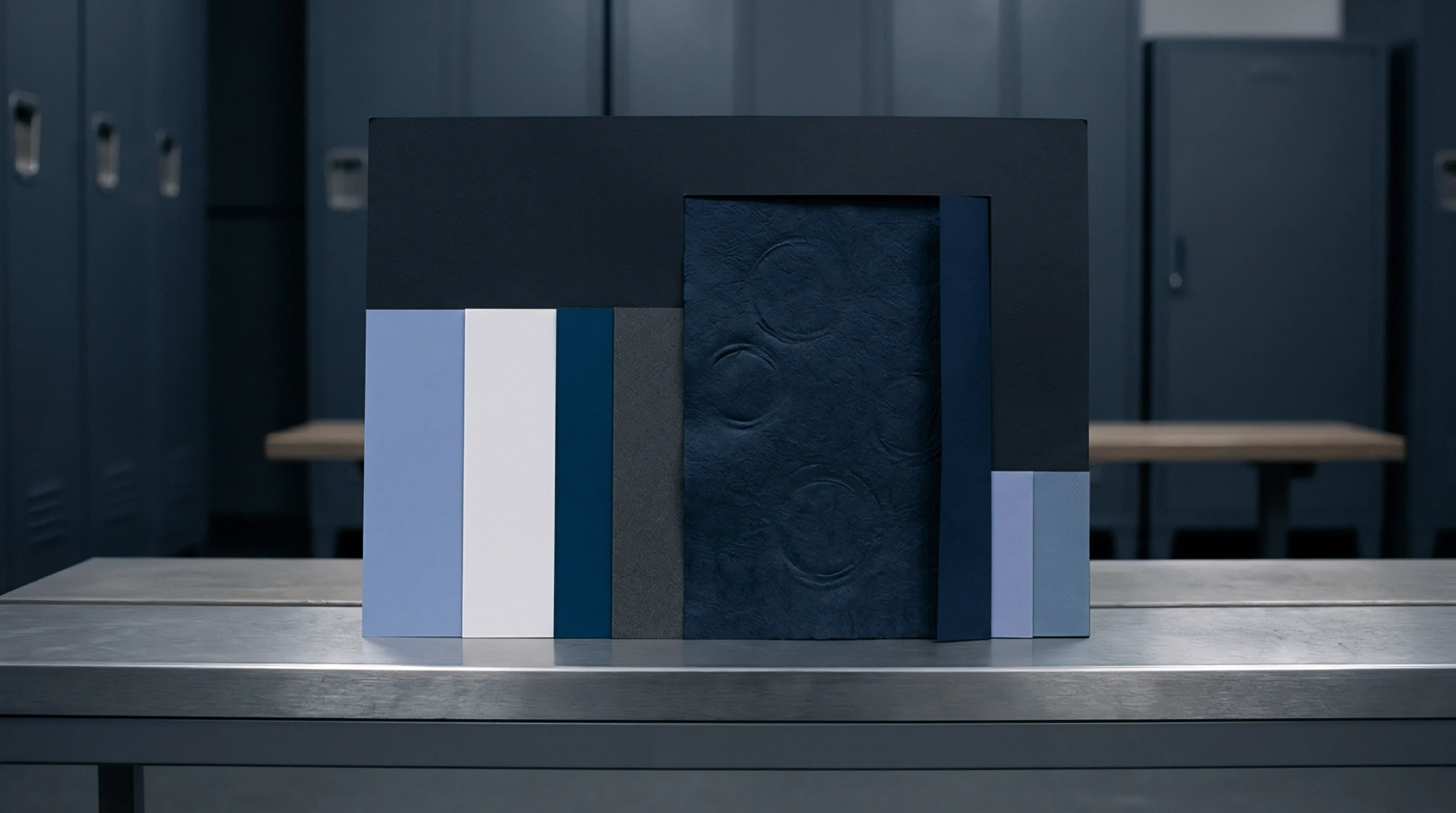
Inline blade coating and soft-nip calendering establish surface uniformity, while targeted finishing passes balance visual embellishment against repulpability.

Characterizing porous absorption in recycled paper requires measuring dynamic capillary wicking and pore size distribution to control ink set times and glue bonds.

Dynamic impression squeeze on porous recycled testliner forces lateral ink spread, requiring prepress Yule-Nielsen n-factor recalibration to prevent gain.
Dynamic fluid transport in lightweight coated sheets shifts from inertial to capillary control within milliseconds, demanding balanced pore throat sizing.

Dynamic crease stiffness analysis measures real-time polymer film relaxation during high-speed board folding to prevent barrier fracturing and line jams.
Dynamic surfactant competition at 1-3 ms surface ages governs air entrainment boundaries in curtain heels operating above 1,200 metres per minute.
Uncoated paper porosity metrics govern liquid absorption and optical light scattering, requiring customized Yule-Nielsen spectral curves for print tone accuracy.
Subsurface light scattering in filled mechanical papers is governed by radiative transport modified for pigment crowding and internal surface reflection.
Selecting paperboard caliper and bulk requires balancing furnish density against flexural rigidity to maximize blank yield and carton compression strength.

Dynamic fluid intrusion kinetics in recycled substrates dictate spatial print mottle through hornified pore tortuosity and uneven capillary pressure gradients.

Low-tortuosity carbonate coatings and minimum 150 J/m² Scott bond prevent heatset web blistering by venting flash steam before internal core delamination occurs.
Expertise is a utility, not a secret. sentiention™ publishes its working knowledge as open reference: intelligence layer covering the materials it sources, the markets it enters, and the reference that serves both.