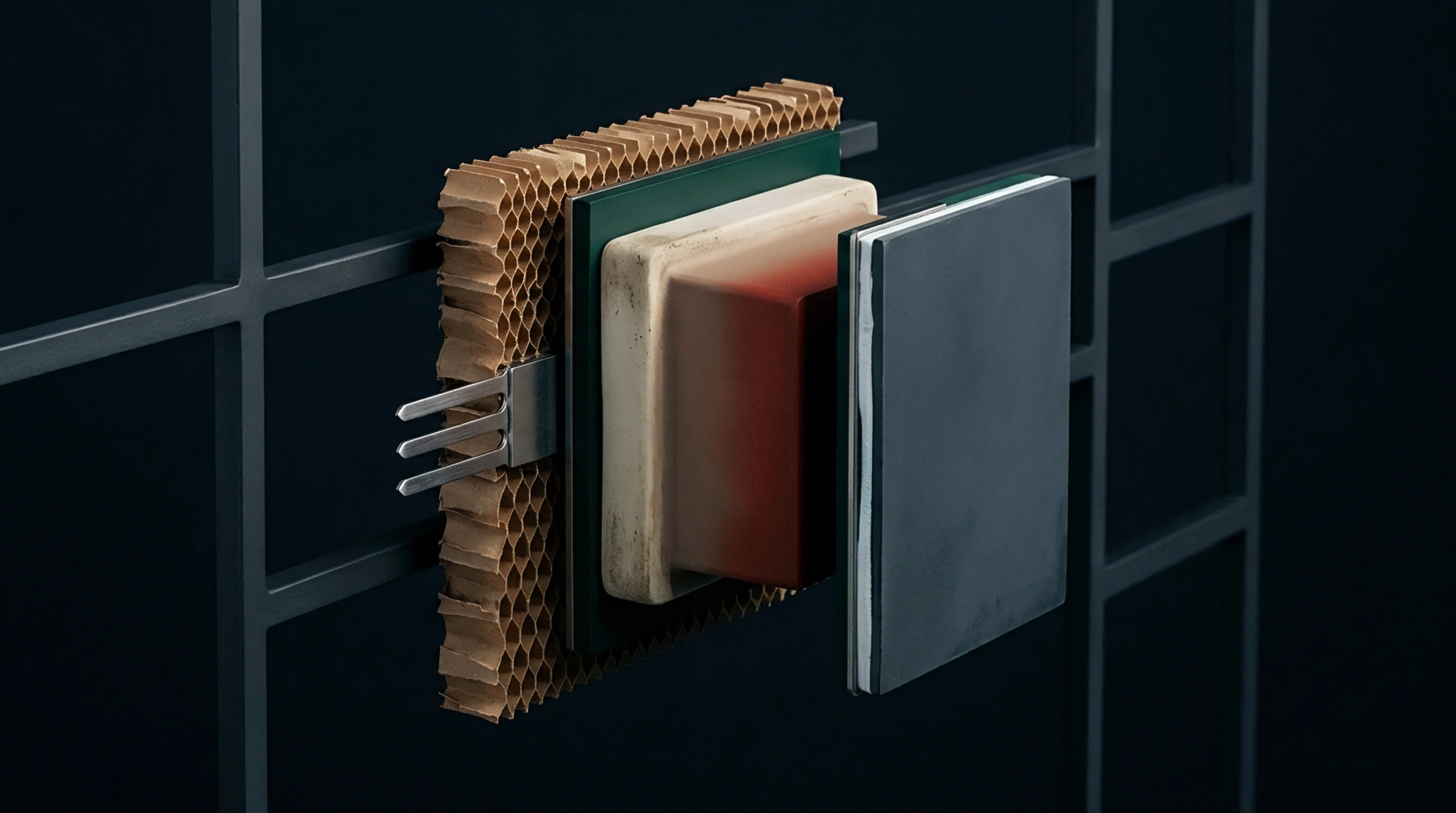
Crease Matrix Depth Calibration for Ultra Low Density Chemi-Thermomechanical Core Substrates
Calibrate crease matrix depth to 70-75% of caliper on ultra-low-density CTMP boards to prevent lumen collapse and enable dual-hinge shear delamination.
Calibrate crease matrix depth to 70-75% of caliper on ultra-low-density CTMP boards to prevent lumen collapse and enable dual-hinge shear delamination.
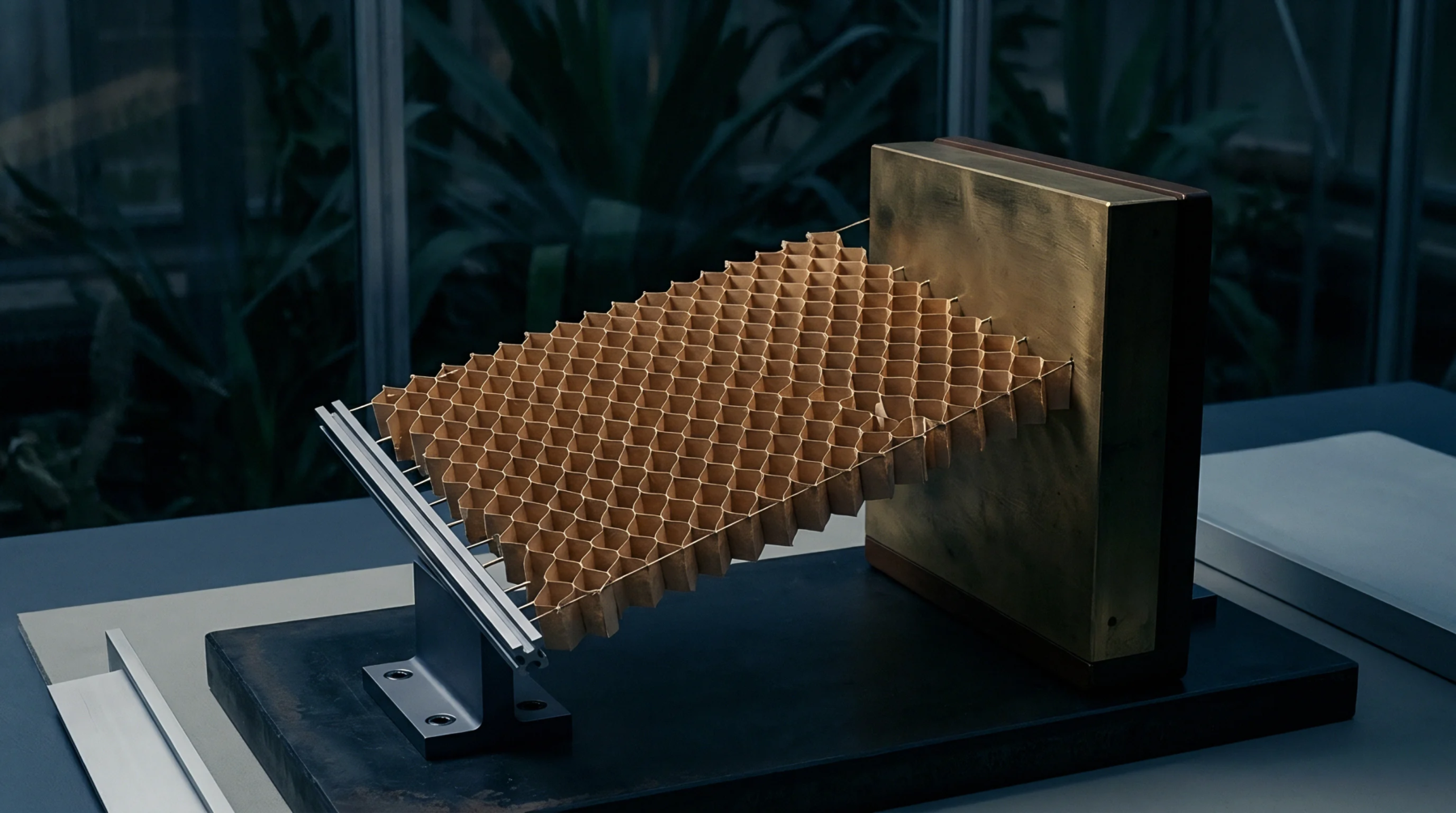
Folding boxboard mechanical core thickness increases total caliper and bending stiffness at low grammage, reducing material weight and landed carton cost.
Polymer binders with glass transition points below eight degrees Celsius absorb outer-score tensile strain to prevent carton coating fracture during folding.

Cross-direction SBS creasing requires female die channels 1.7 to 1.9 times board caliper plus rule width to drive internal shear without coating fracture.
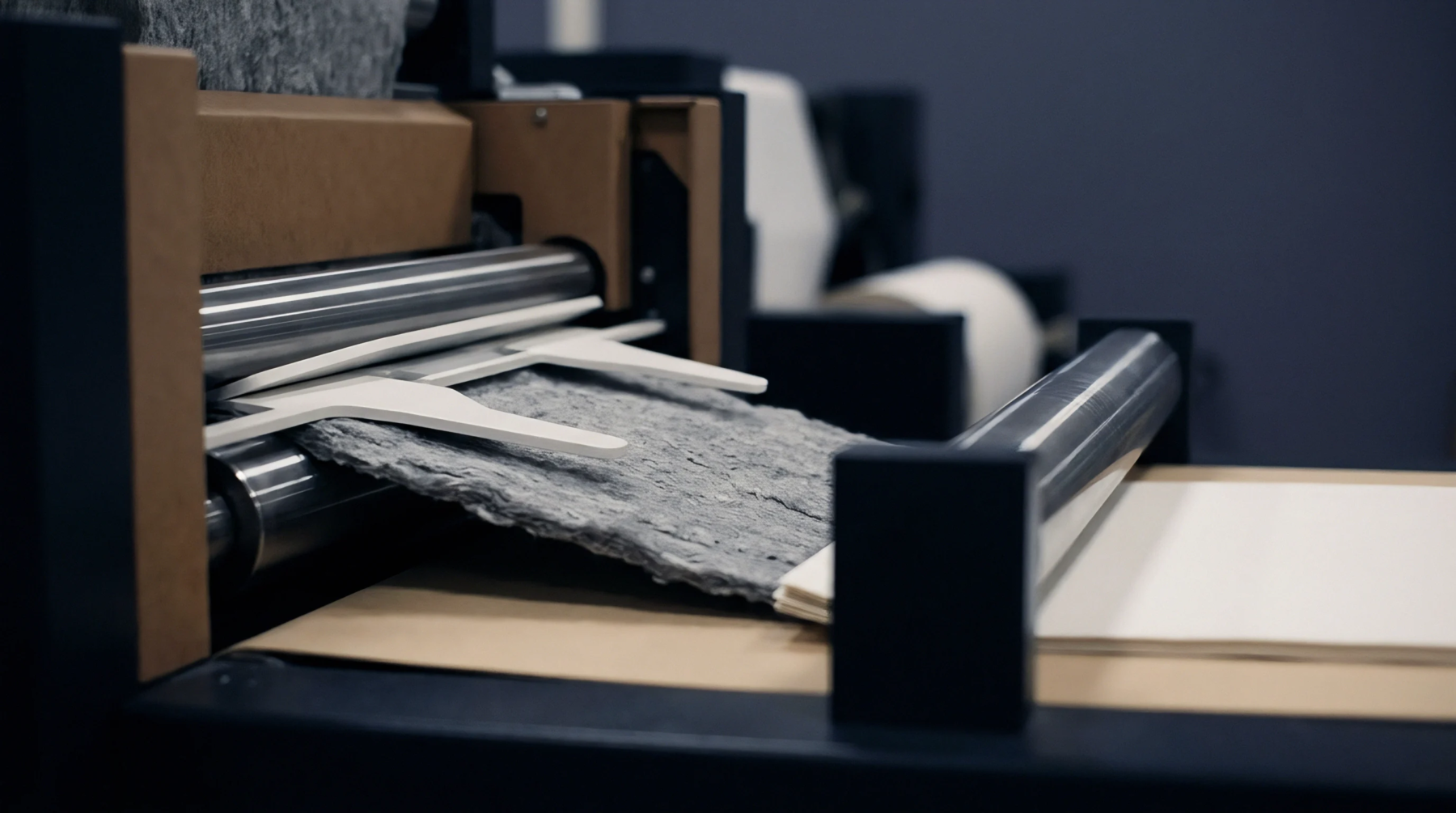
Standardizing CD crease shear in recycled board requires holding a 1.40 to 2.10 crease ratio via controlled internal ply delamination to stop cartoner line jams.
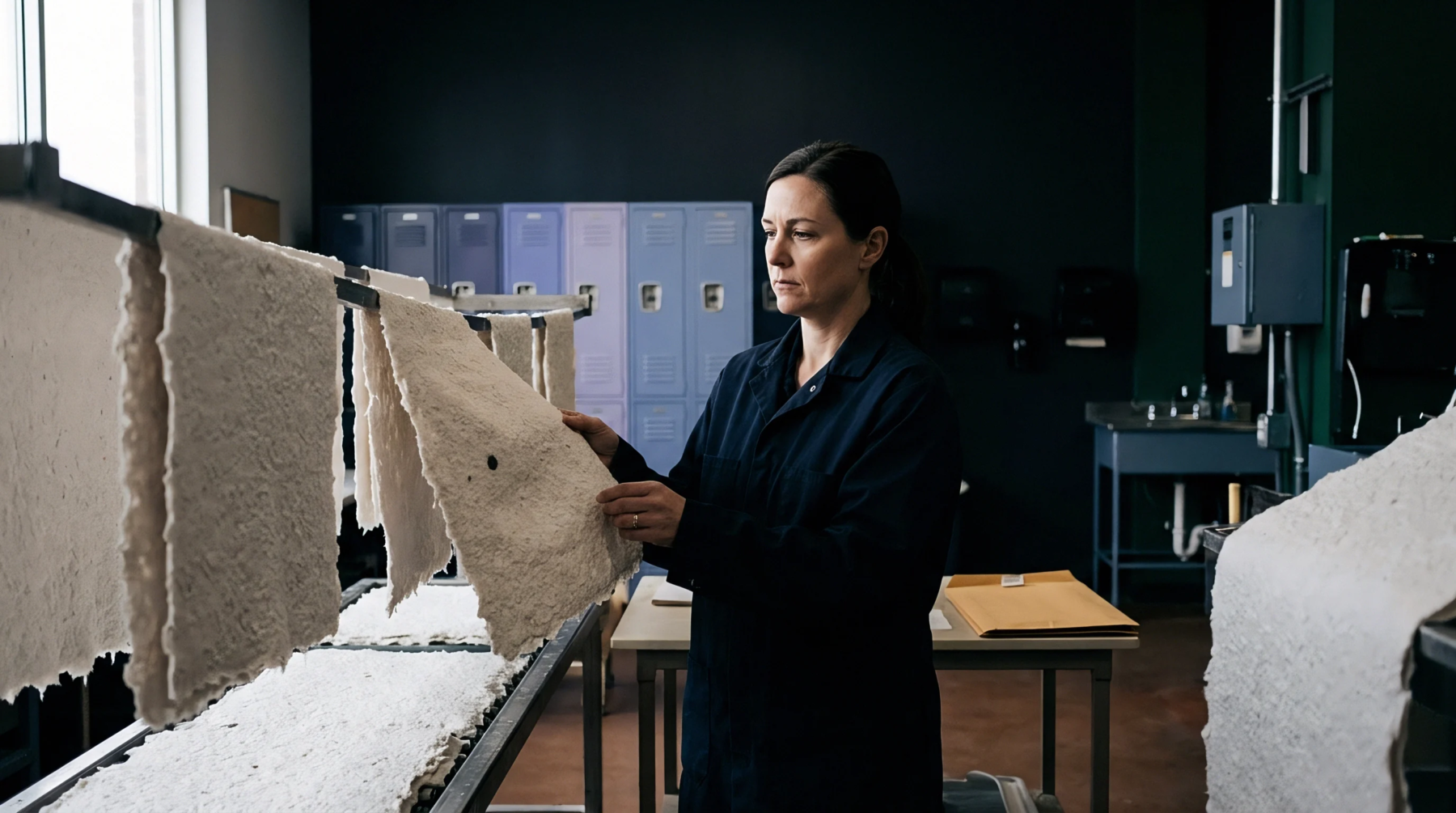
Evaluate micro-pinholes using surfactant dye penetration or 12V conductivity tests while adjusting score matrix width to 1.8 times board caliper plus rule thickness.
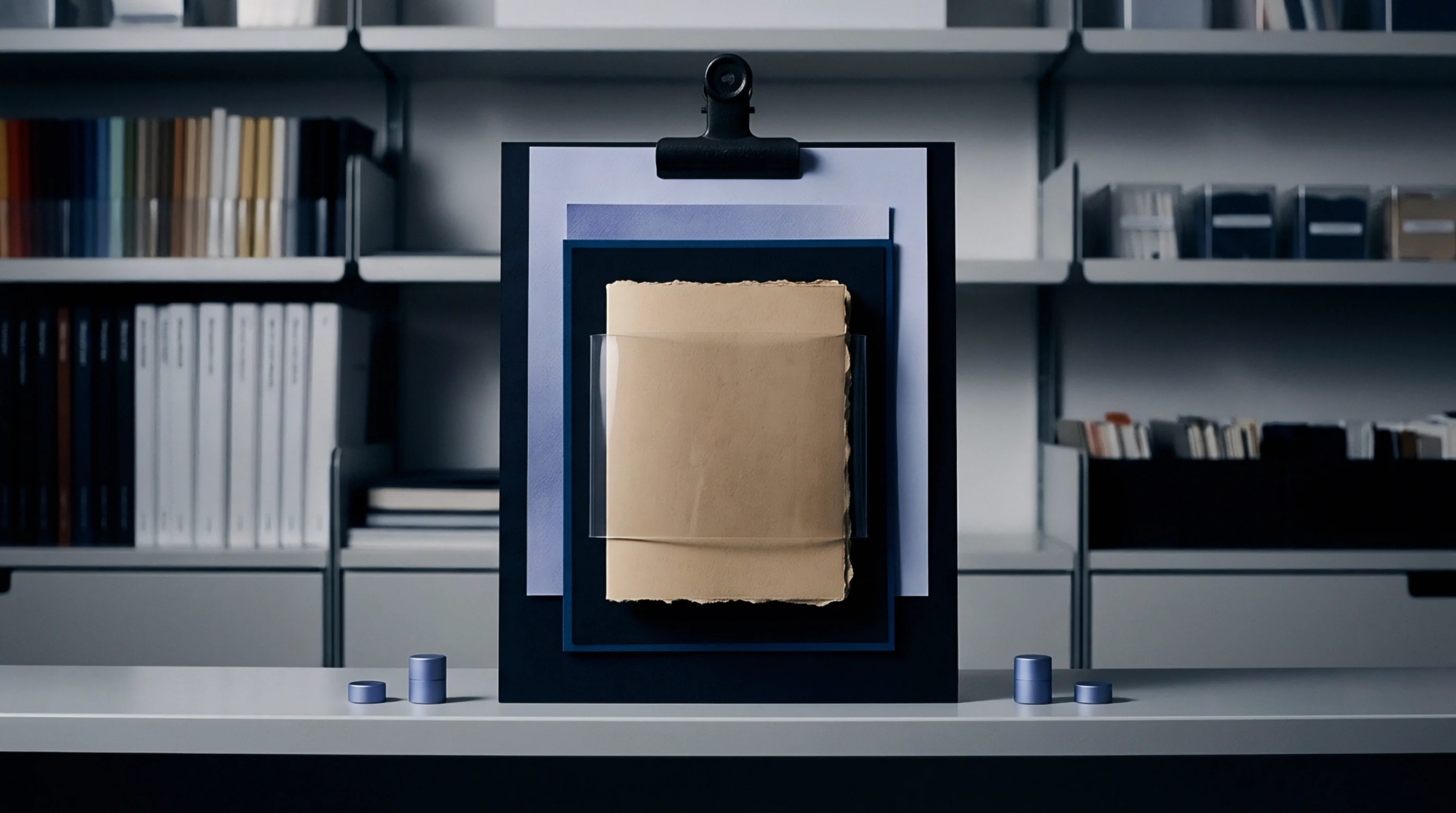
Optimize SBS counter matrix width by setting channel clearance to rule thickness plus 1.40 to 1.50 times caliper to induce delamination without surface rupture.
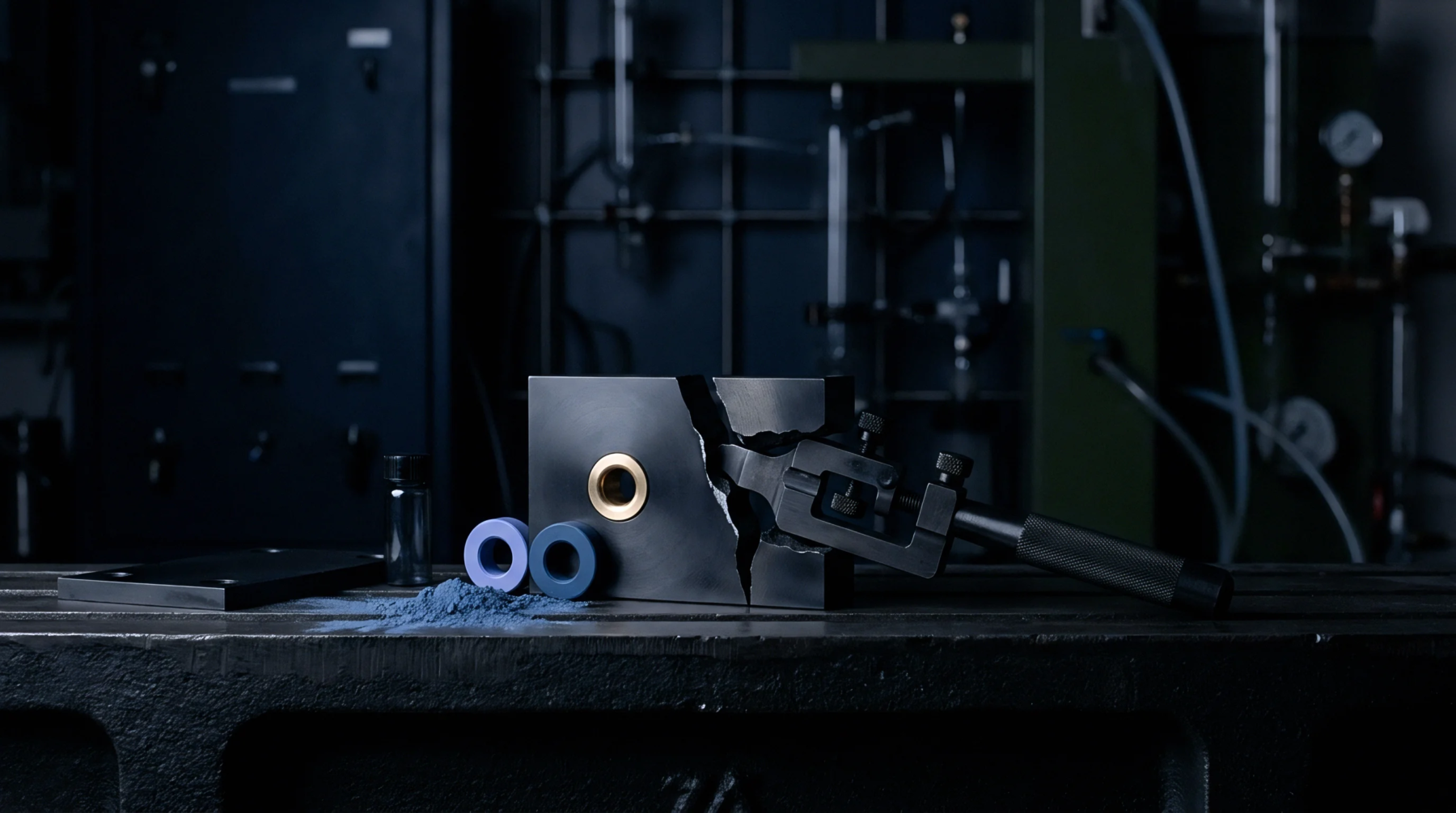
Matching folder gluer carrier belt speeds within one percent prevents surface shear from delaminating film coatings on scoring hinges.
Modifying creasing matrix channel width and male rule tip radius prevents polymer film elongation cracking and maintains gas barrier integrity across folded scores.
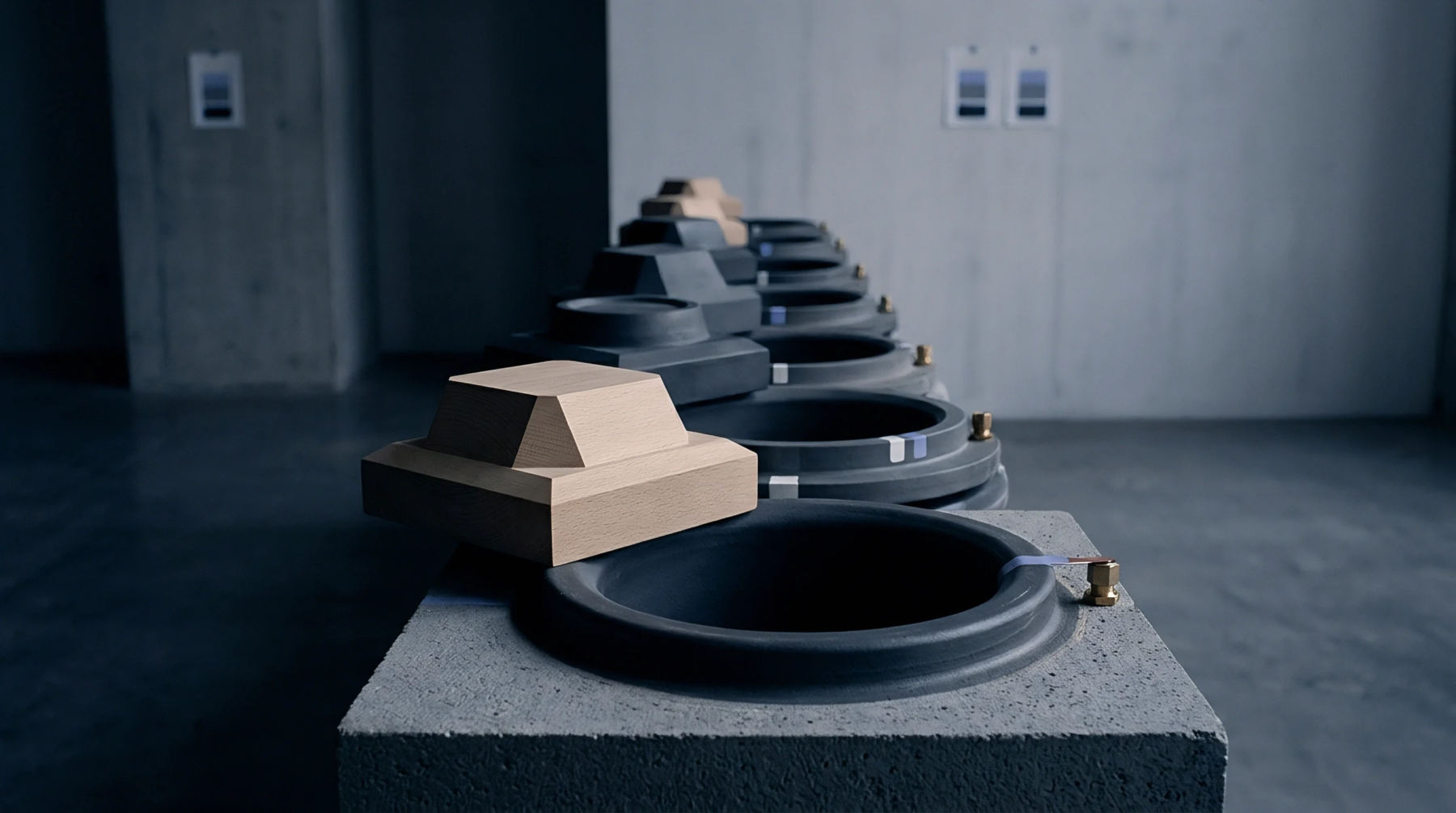
Optical profilometry quantifies score elevation variance down to sub-micron resolution, identifying die wear and coating micro-fractures before carton assembly.
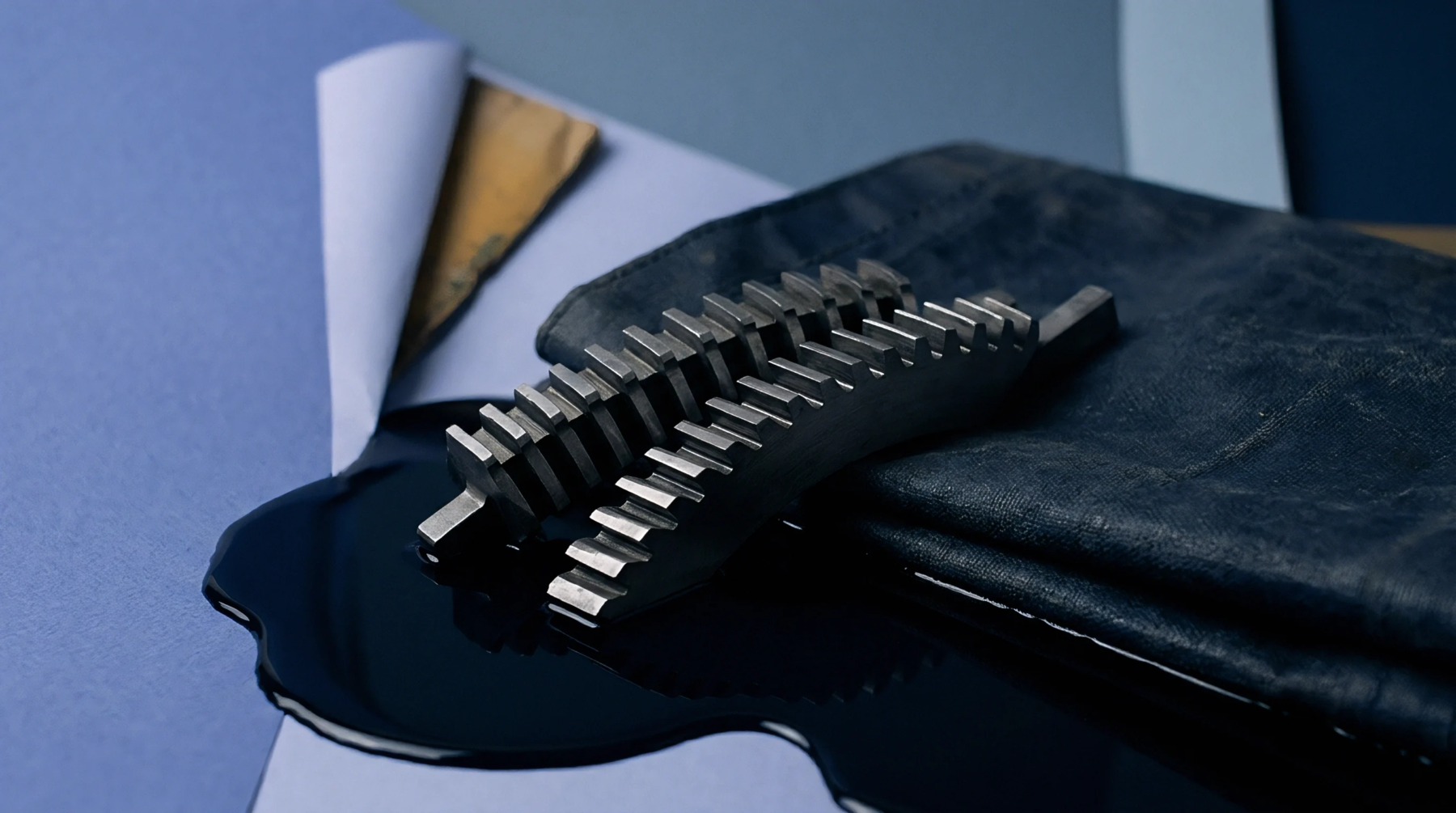
Balancing dynamic surface tension sub-10ms wetting with high extensional viscosity prevents droplet rebound and glue stringing on creased paperboard.

Optimizing folding boxboard stiffness requires balancing BCTMP core bulk with chemical pulp outer layers to maximize moment of inertia at target carton speeds.
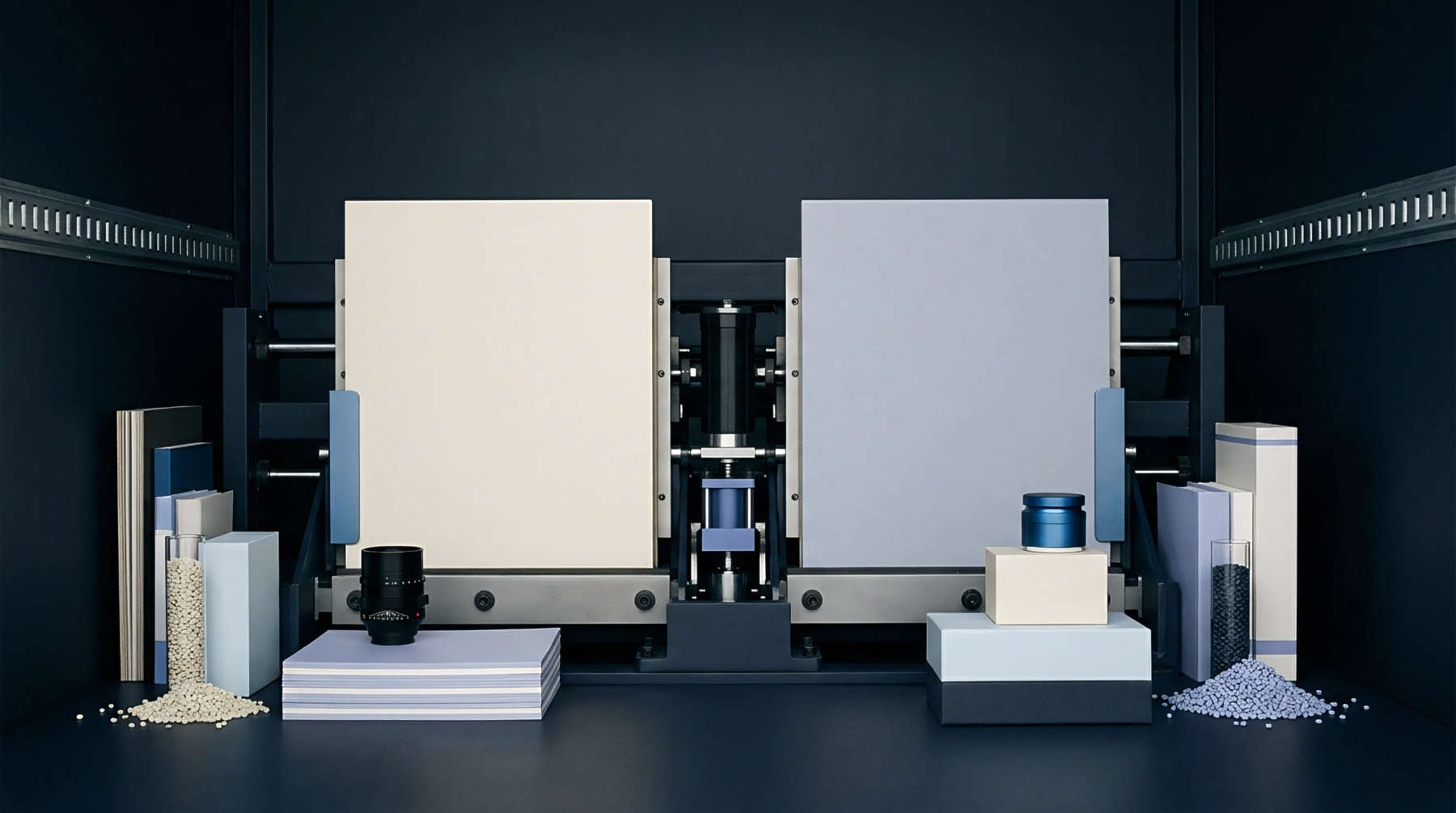
High strain shear during boxboard creasing causes polymer film micro fractures when local elongation exceeds film yield capacity along the outer bend radius.
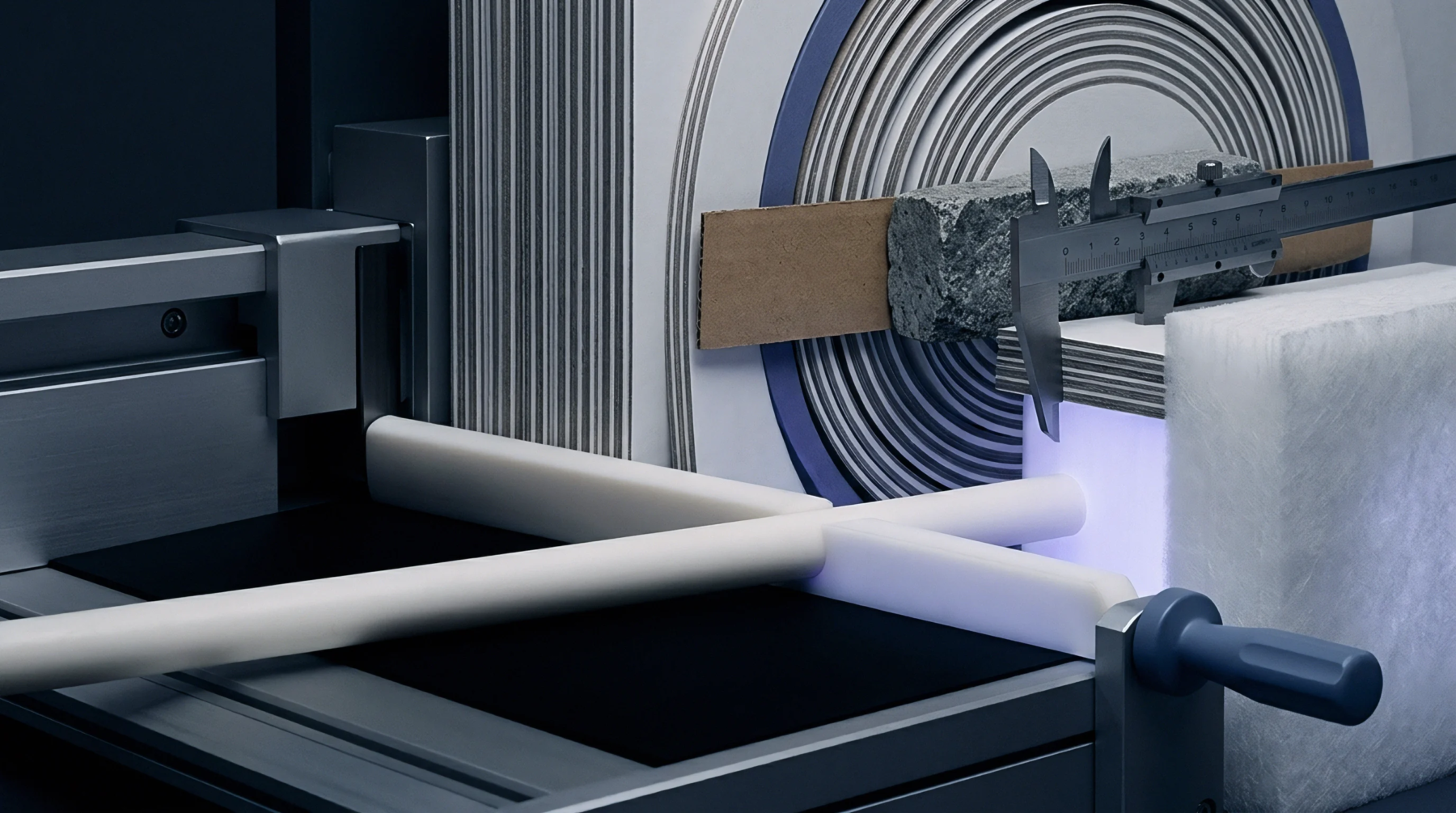
Calibrating matrix channel width to rule thickness plus 1.6 times composite caliper prevents matte skin fracture on co-extruded film laminated paperboard.
Recycled fibre shortening and hornification limit bending strain, requiring wider matrix channels and virgin top layers to prevent score cracking.
Expertise is a utility, not a secret. sentiention™ publishes its working knowledge as open reference: intelligence layer covering the materials it sources, the markets it enters, and the reference that serves both.