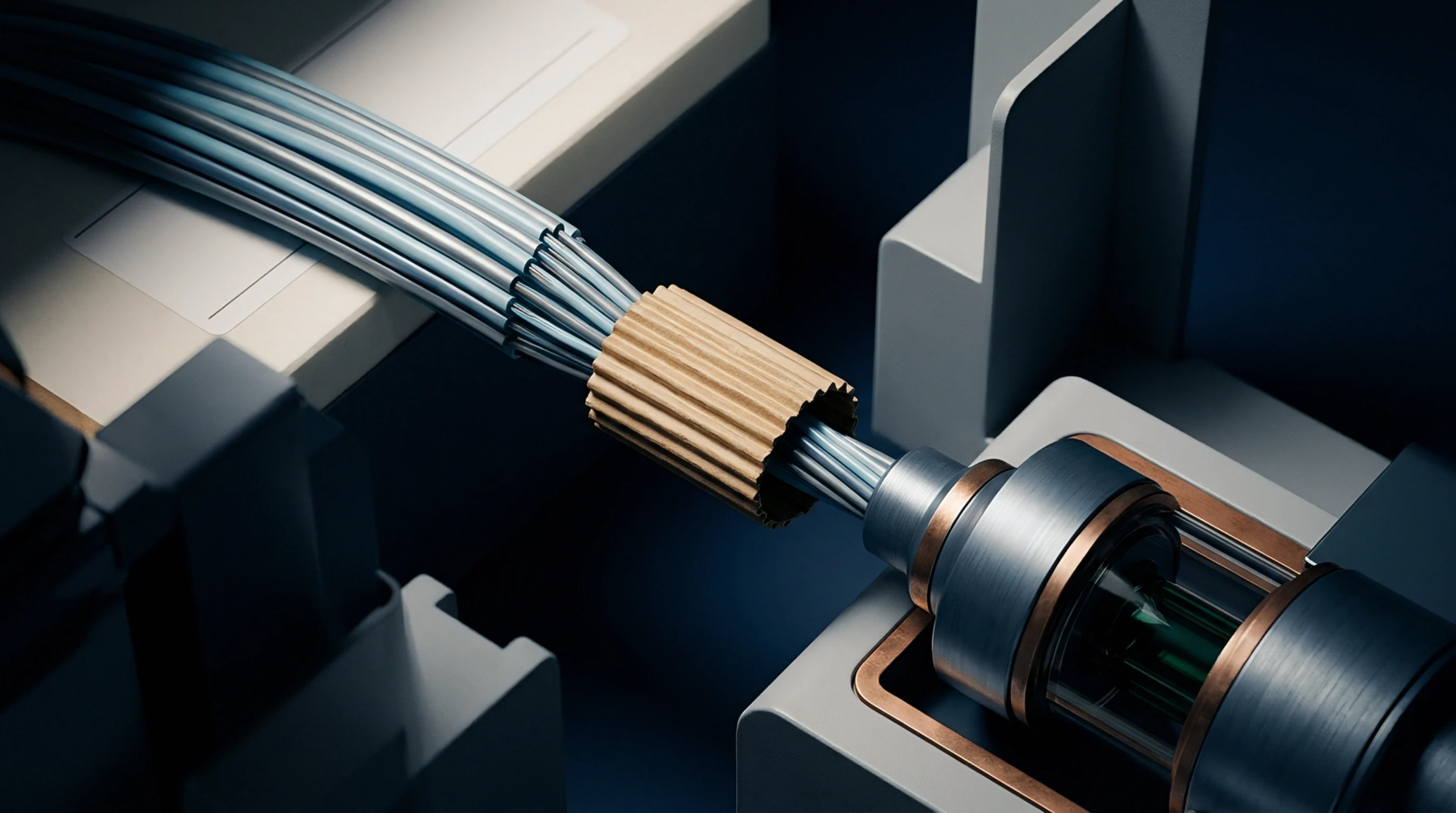
Flexographic Ink Filament Rupture Mechanics at High Press Speeds
High line speeds stretch ink filaments beyond extensional stability limits, generating daughter droplets unless substrate porosity and resin relaxation match nip exit shear.
High line speeds stretch ink filaments beyond extensional stability limits, generating daughter droplets unless substrate porosity and resin relaxation match nip exit shear.
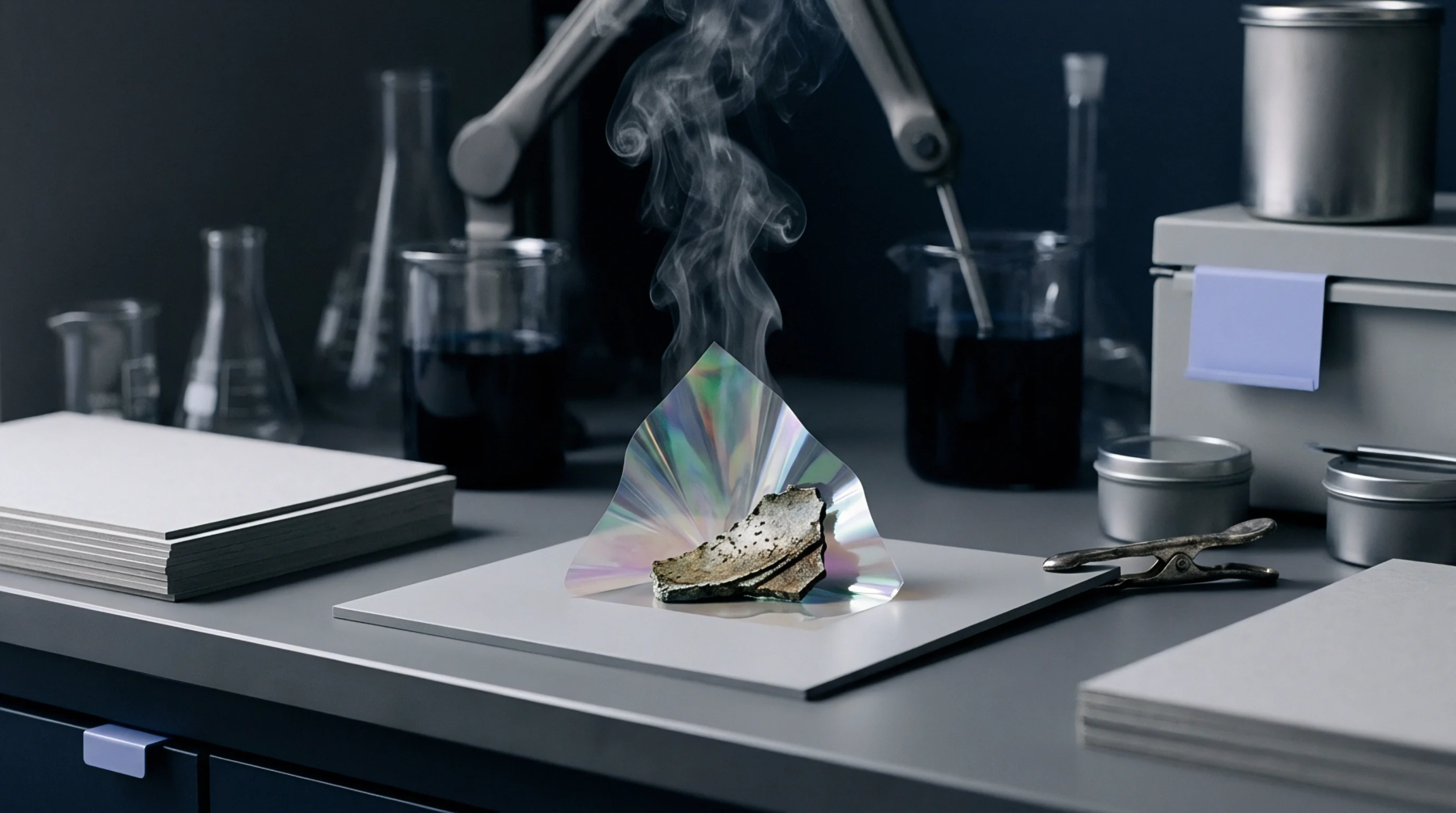
Stabilizing cylinder temperatures at twenty-six degrees Celsius limits fountain water pickup, keeping cross-direction sheet expansion below critical register.
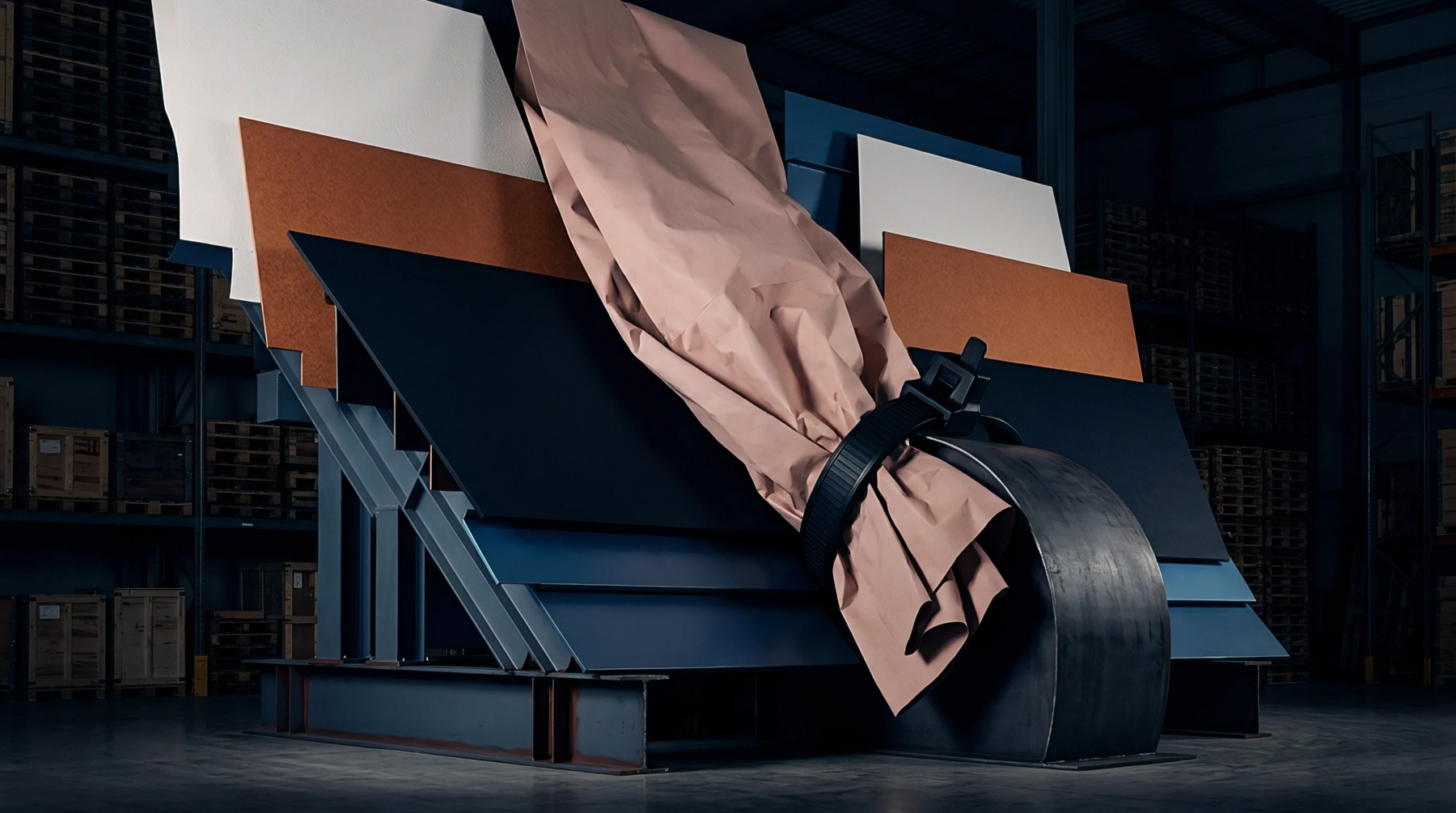
Water sorption depresses latex film glass transition temperatures, slashing barrier composite stiffness by up to 45% and requiring controlled crosslinking.
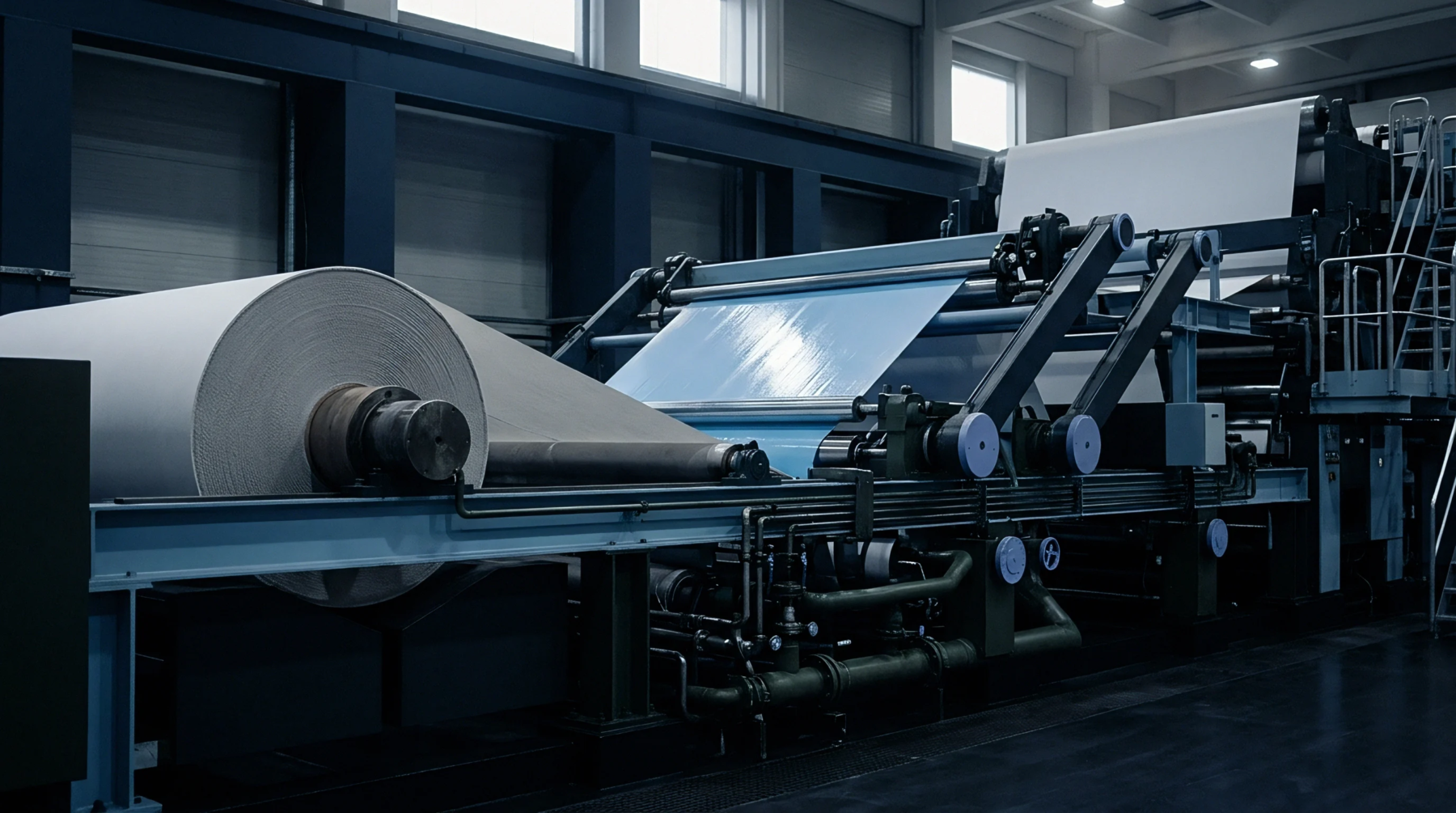
Dynamic moisture entry plasticizes paperboard core binders and depresses matrix glass transition, driving interlaminar delamination and pallet stack collapse.

Dynamic surface tension gradients in recycled paperboard cause capillary stalling, uneven ink penetration, and severe converting spoilage.

Matching substrate furnish and bulk to press stress secures structural integrity, optimizes print quality, and minimizes total landed packaging cost.
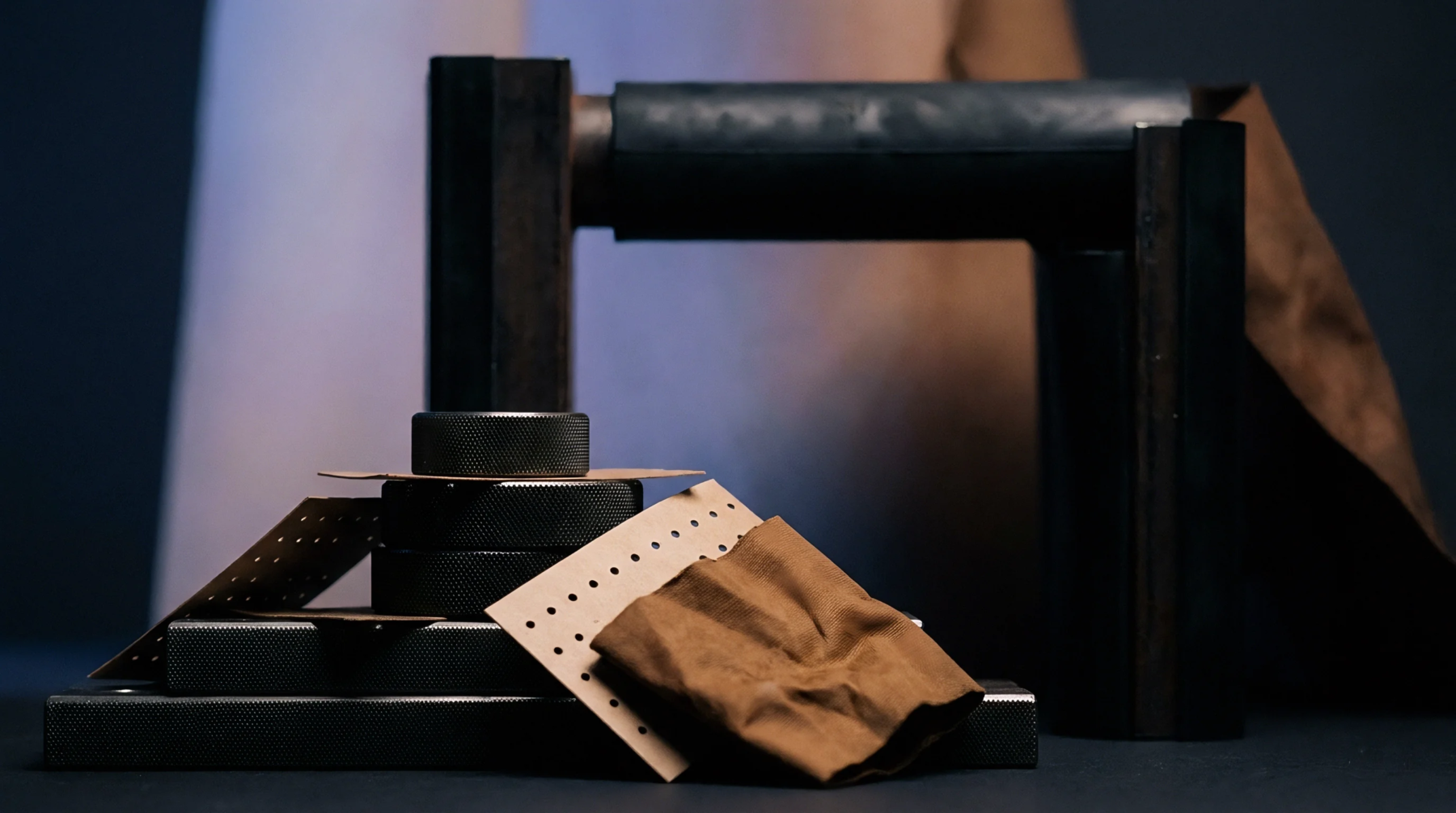
Micro-porous paper coating capillary dimensions govern dynamic ink vehicle filtration rates, ink setting speeds, press energy consumption, and total converted sheet yield.
Expertise is a utility, not a secret. sentiention™ publishes its working knowledge as open reference: intelligence layer covering the materials it sources, the markets it enters, and the reference that serves both.