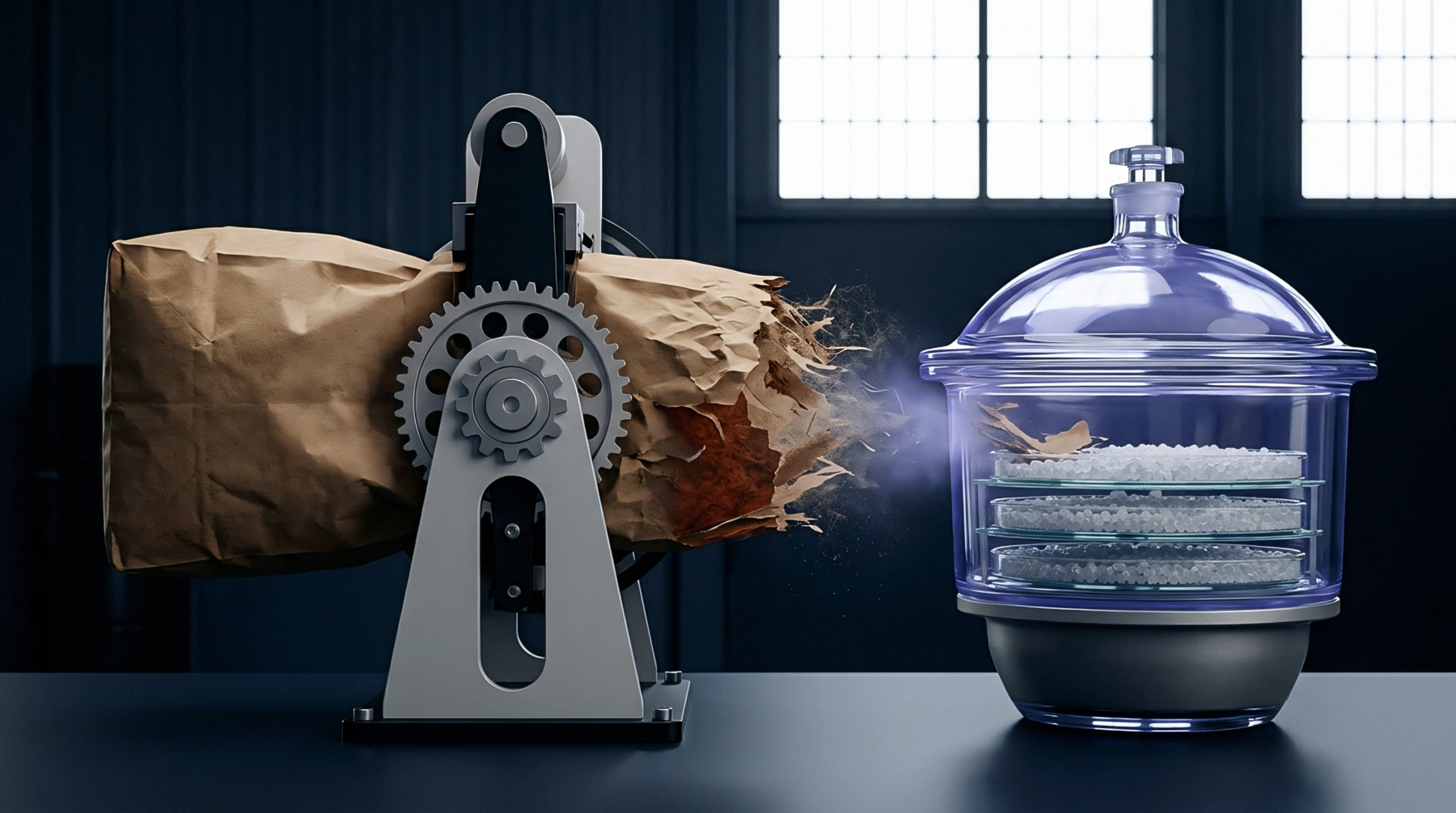
Paperboard Moisture Equilibrium Testing under Standard Atmospheric Conditions
Paperboard moisture equilibrium testing under ISO 187 isolates hygroscopic hysteresis to standardize physical strength properties and verify true fiber yield.
Paperboard moisture equilibrium testing under ISO 187 isolates hygroscopic hysteresis to standardize physical strength properties and verify true fiber yield.

BCTMP yield shifts between 85 and 92 percent alter folding boxboard core bulk, dictating carton bending resistance and chain-of-custody mass balances.
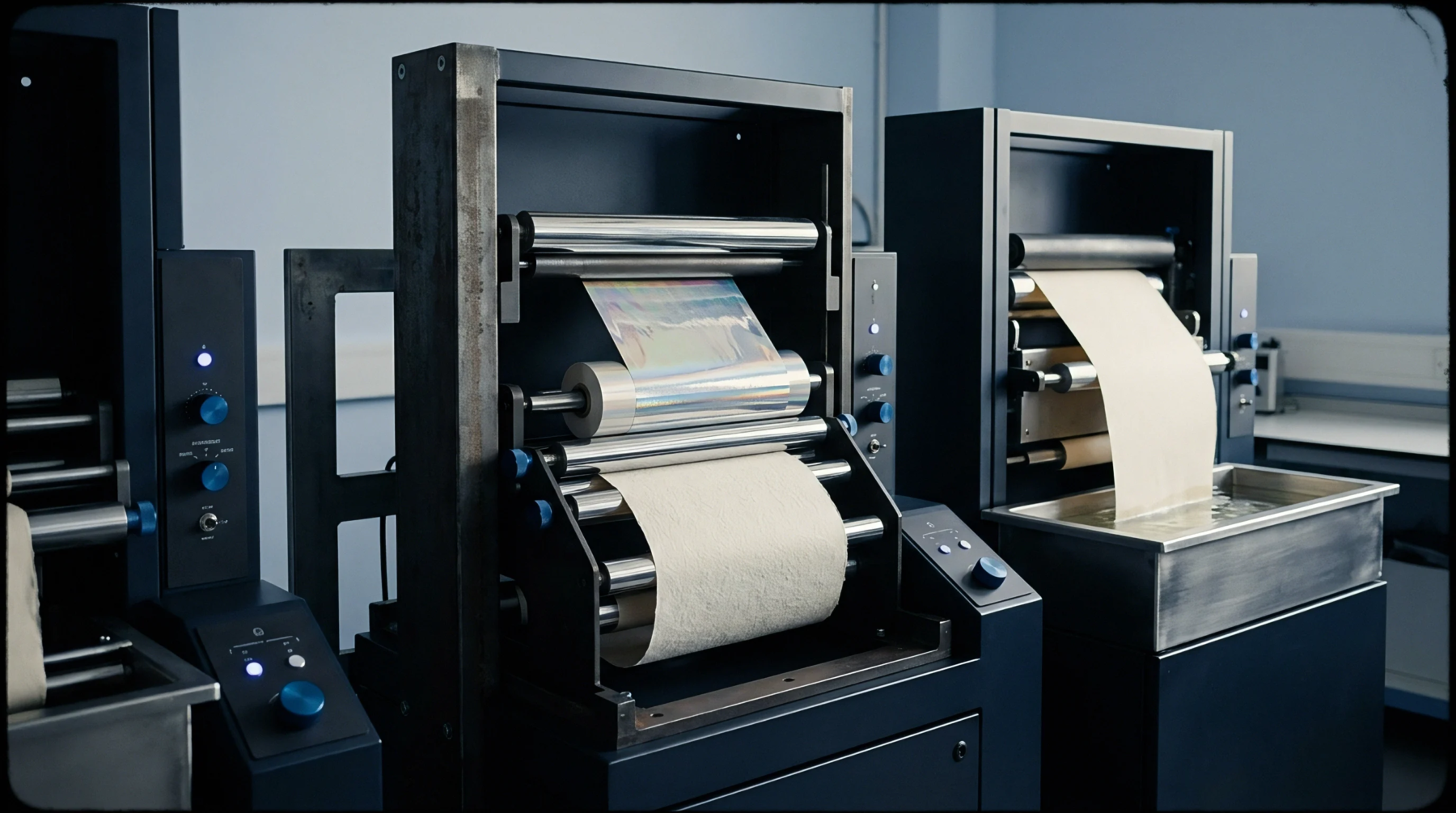
Balancing moisture loss with back-side rewetting and web decurling holds single-sided laminated boards flat across die-cutting and high-speed packing.
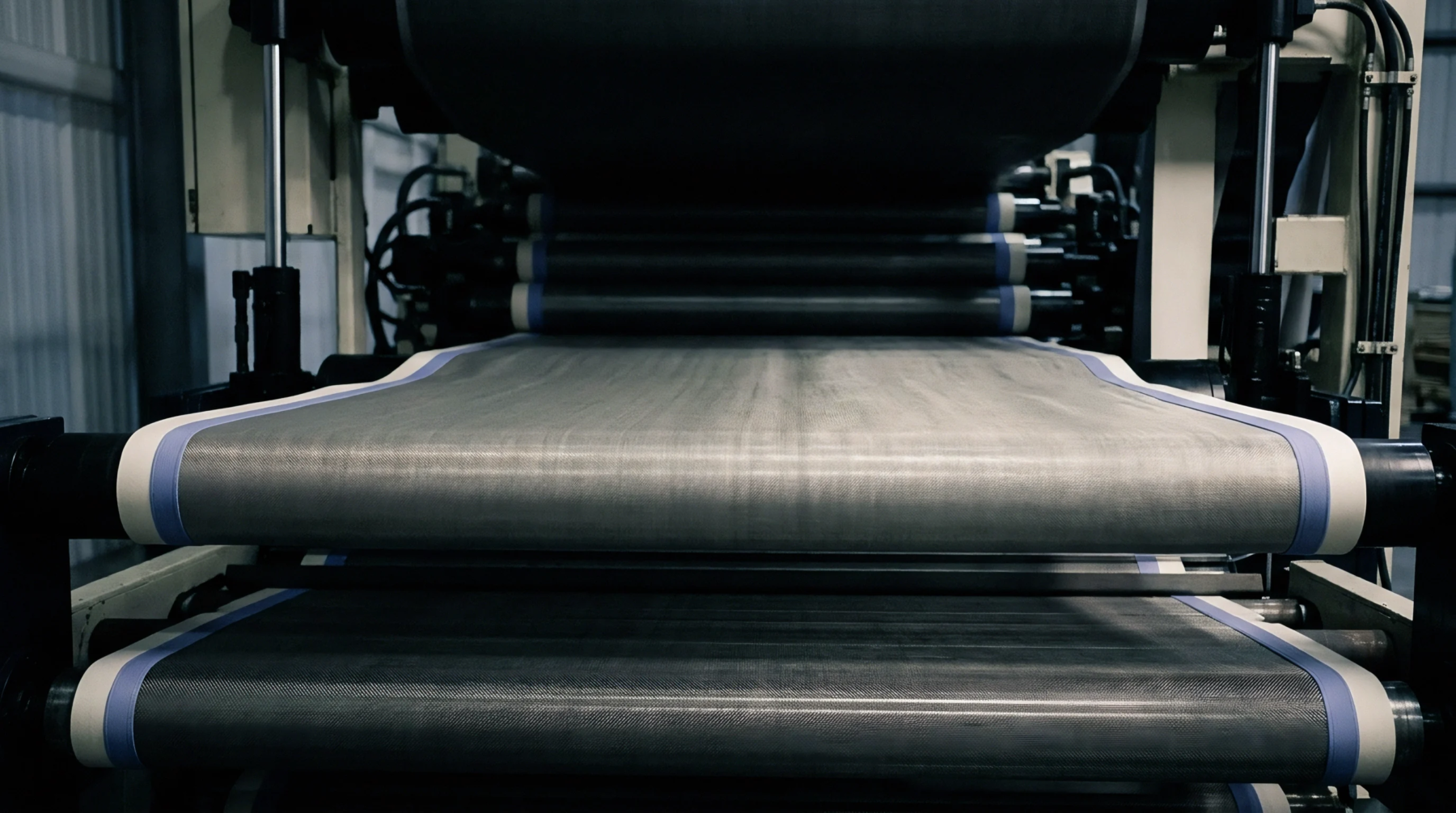
Optimizing machine profile variability control limits requires establishing statistical bounds on cross-web caliper and stiffness to prevent cartoner feed jams.
Statistical sampling of folding boxboard applies ISO 2859-1 attribute limits and ISO 3951-1 variable k-factors to verify stiffness, caliper, and purity.

Select high-bulk folding boxboard using caliper-derived yield arithmetic and verified crease recovery ratios to run stable on high-speed cartoning lines.
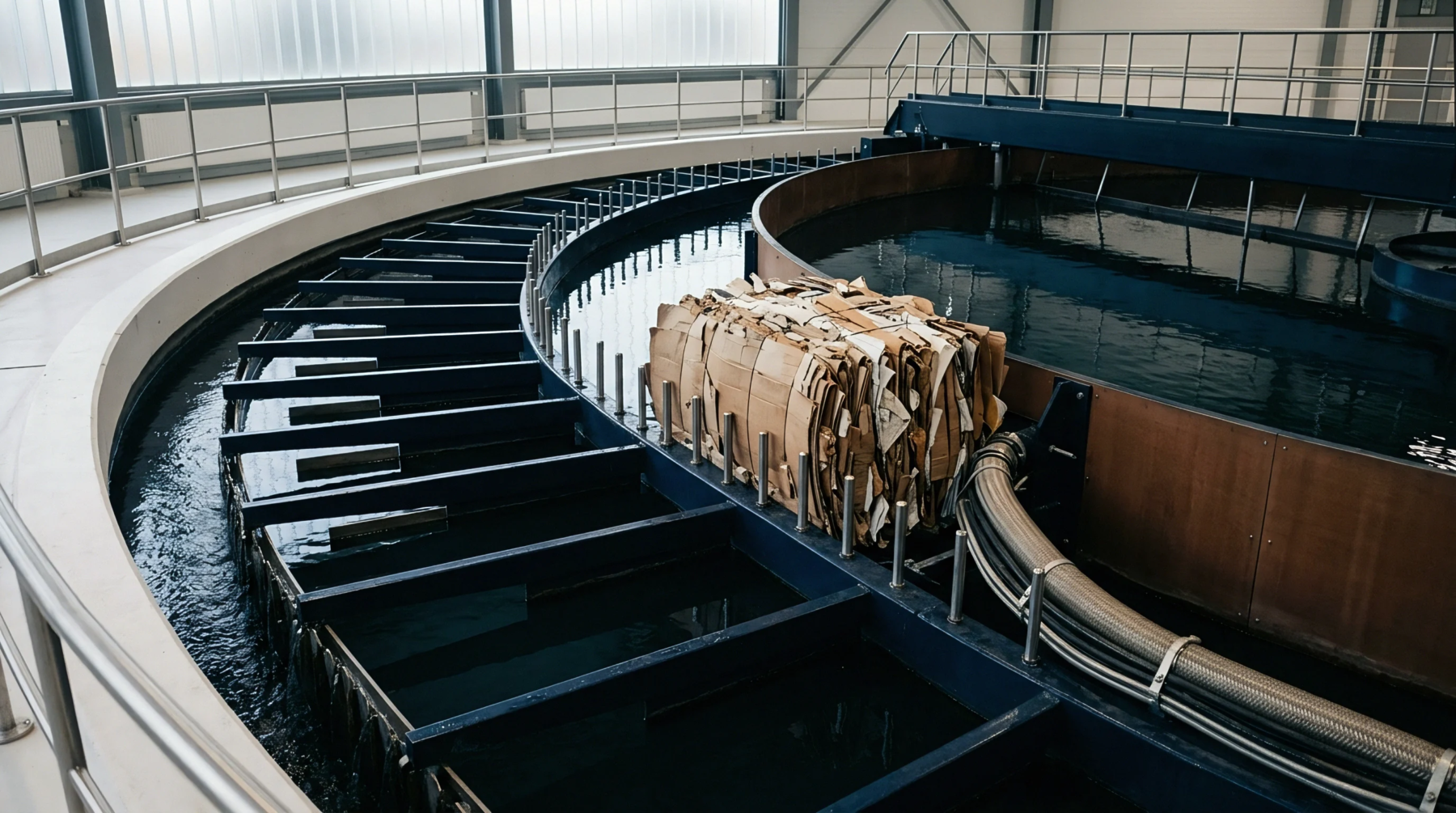
Controlled wet-end starch dosing between 6 and 9 kg/t maintains Scott bond at 180 to 240 J/m², preventing score cracking and delamination at high press speeds.
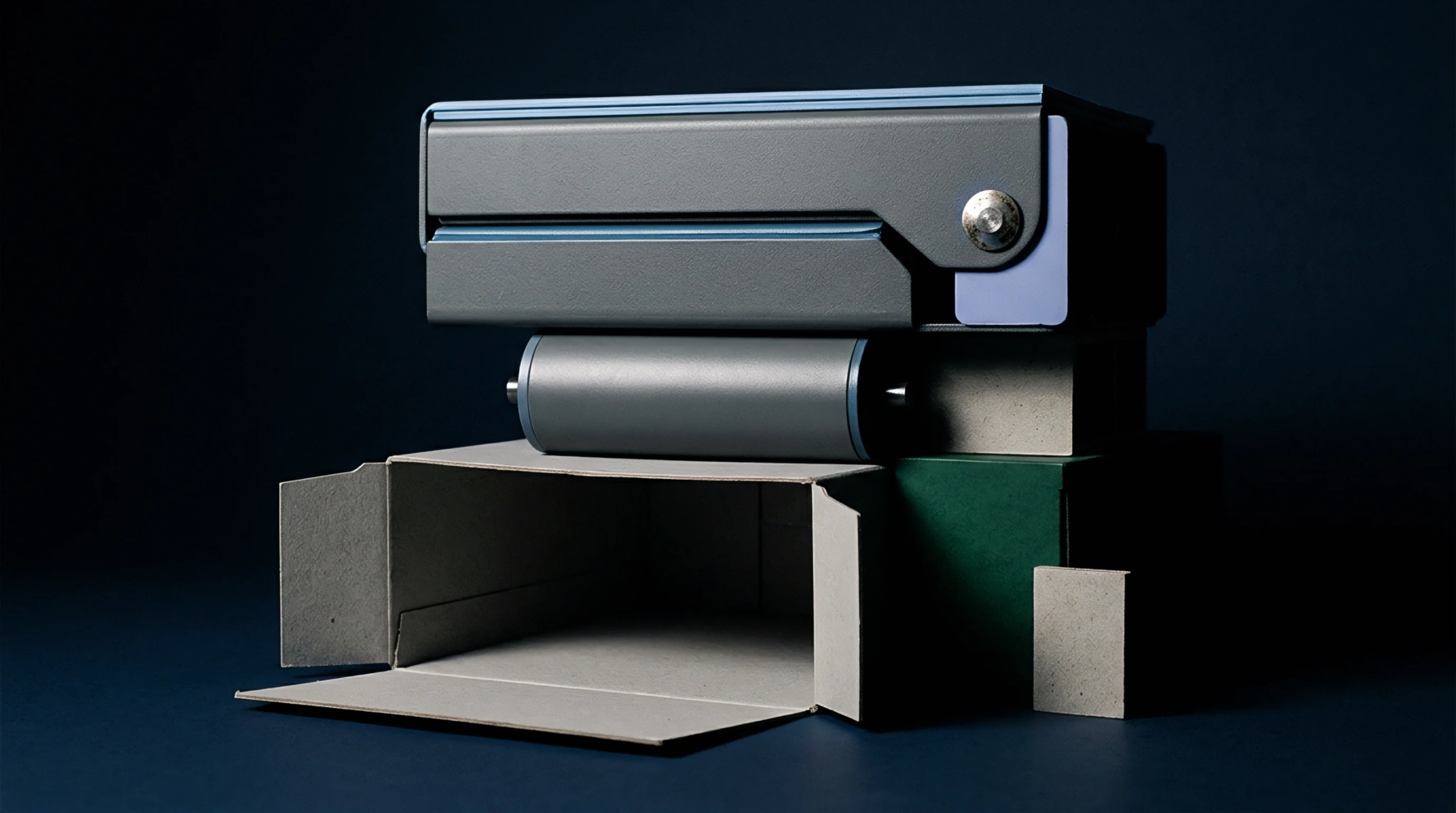
Thermally conditioning surface plies above binder glass transition depresses surface roughness without crushing core mechanical plies, boosting caliper yield.
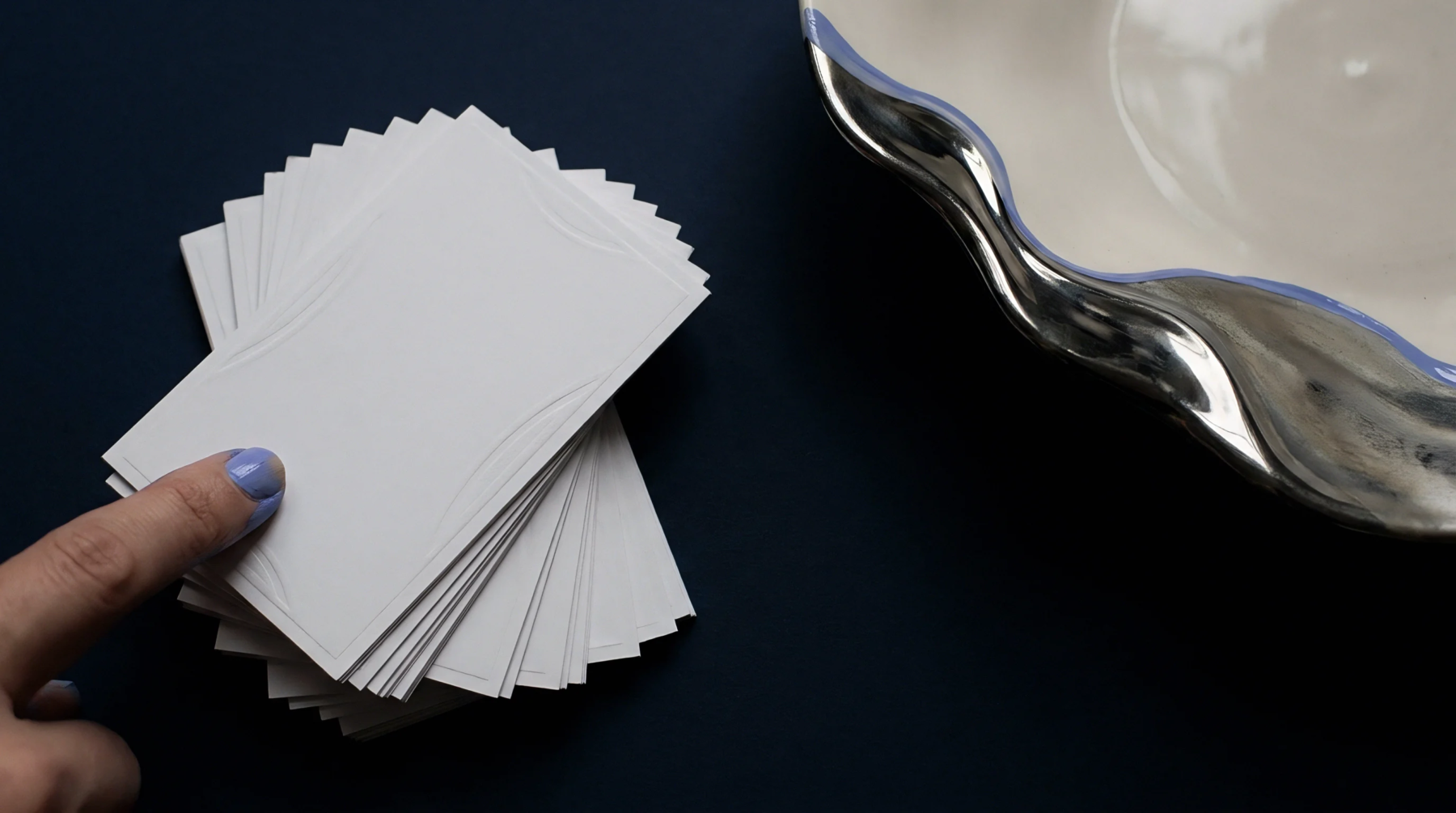
Aligning paperboard machine direction perpendicular to the pull axis maintains panel flatness under suction, preventing extraction jams at high machine speeds.
Expertise is a utility, not a secret. sentiention™ publishes its working knowledge as open reference: intelligence layer covering the materials it sources, the markets it enters, and the reference that serves both.