Static Compression Thresholds for Corrugated Packaging under Humidity
Relative humidity above sixty percent degrades corrugated compression strength rapidly requiring empirical derating factors during structural box design.
Relative humidity above sixty percent degrades corrugated compression strength rapidly requiring empirical derating factors during structural box design.

Multiaxial creep models predict recycled containerboard collapse by integrating orthotropic mechano-sorptive strain under dynamic supply chain humidity dynamics.
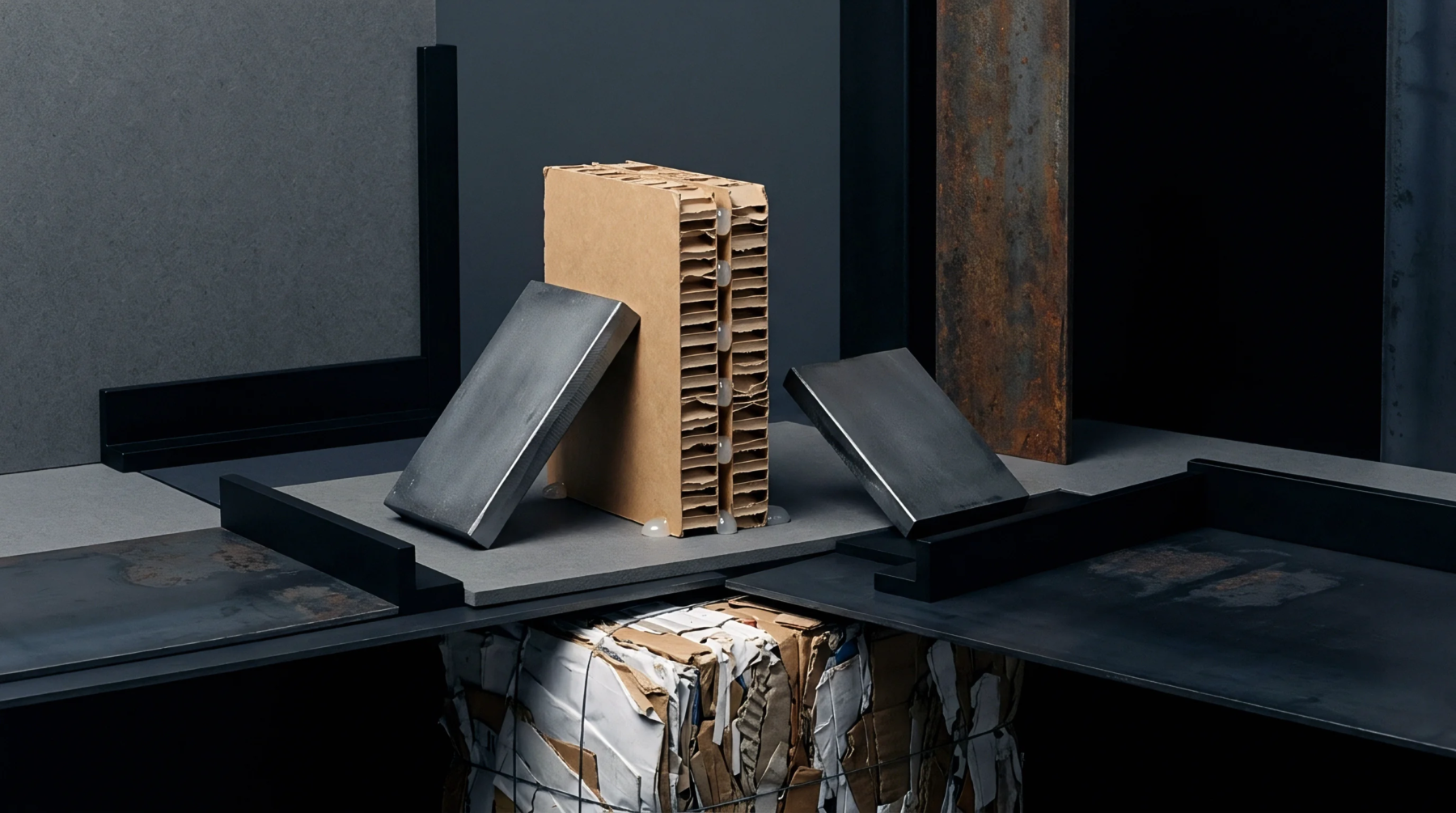
Dynamic humidity cycling accelerates recycled linerboard creep by 3.8x over virgin kraft, requiring derating multipliers of 0.25 to prevent stack collapse.
Secondary fiber repulping degrades compressive strength, requiring structural derating calculations to maintain corrugated container box compression safety factors.
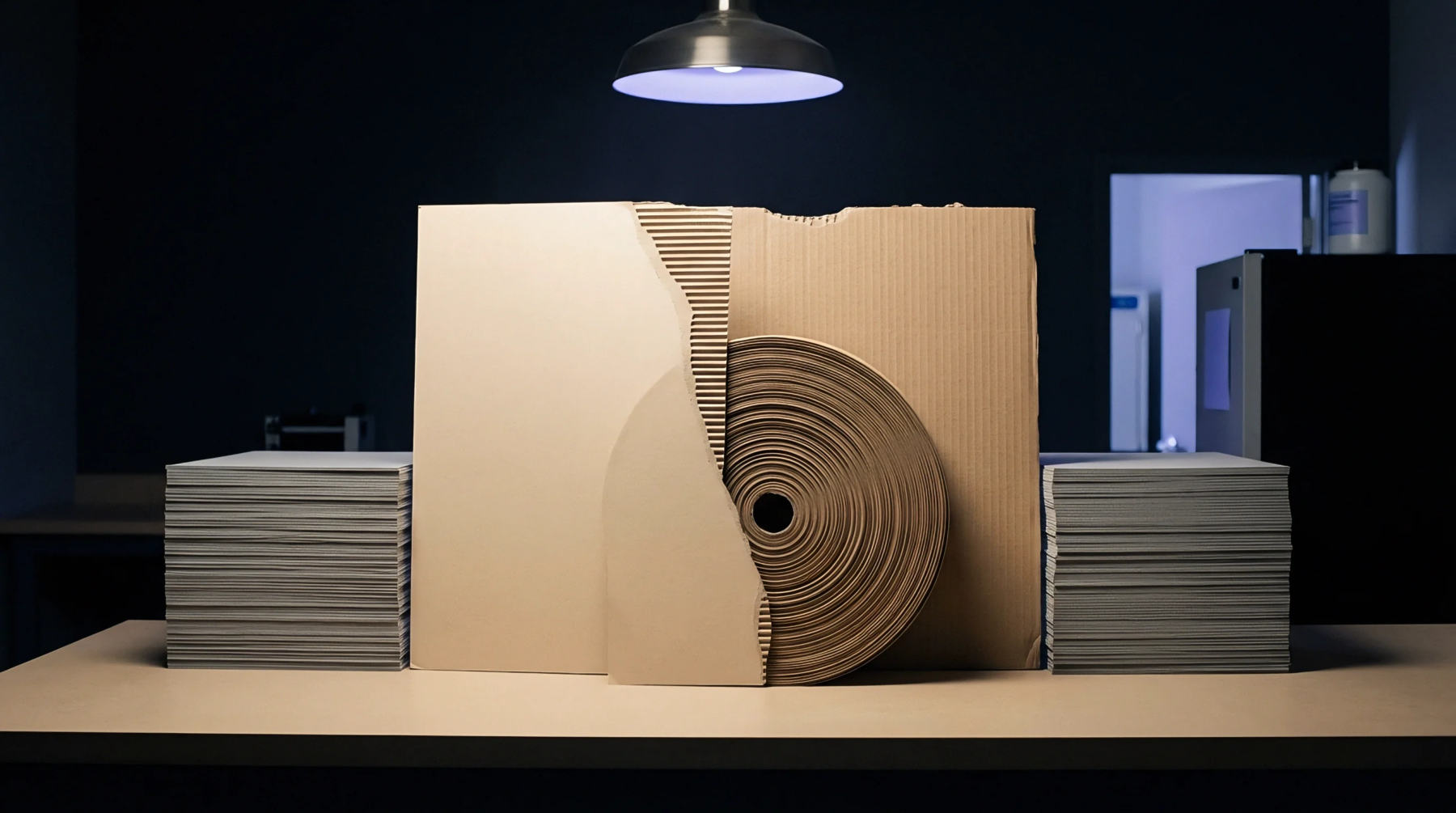
Recycled fluting mediums initiate tertiary viscoelastic creep failure above 65 percent relative humidity, requiring dynamic moisture load derating in cold chains.
Recycled testliner loses up to 50 percent of ISO 9895 short span compressive strength at 85 percent RH, requiring elevated BCT safety factors for transit.
Moisture drives interfacial shear decay in recycled multi-ply board by swelling core fibres, softening spray starch, and breaking inter-ply hydrogen bonds.

Cyclic moisture exposure degrades secondary fiber ply bond energy by driving hygroexpansive shear mismatch and irrecoverable starch bridge rupture.

Recycled containerboard compression failure under humidity requires dynamic creep derating and safety factors above three to prevent structural transit collapse.
Interfacial bond strength testing validates multi-ply containerboard ply adhesion to prevent delamination during corrugation and transport.

Dynamic relative humidity accelerates multi-ply secondary fiber board creep strain far beyond static predictions, requiring explicit constitutive derating factors.
Standardized short span compression testing at 0.70 mm free span provides the primary edgewise yield metric for predicting recycled corrugated carton performance.
Recycled containerboard loses up to sixty-five percent of compression strength under cyclic humidity due to mechanosorptive creep.

Dynamic relative humidity cycling above fifteen percent amplitude accelerates recycled fluting creep rates through mechano-sorptive hydrogen bond cleavage.
Cyclic relative humidity accelerates corrugated stack creep by breaking transient hydrogen bonds, demanding derated safety factors to prevent warehouse collapse.
Uncoated kraft linerboard static compression decays exponentially above 70 percent relative humidity, requiring strict McKee safety factor adjustments and certified moisture mass audits.
Cross-linking nanocellulose past 0.45 mmol/g secures hydrocarbon barrier performance but elevates screen rejects above threshold limits for Grade A recyclability.
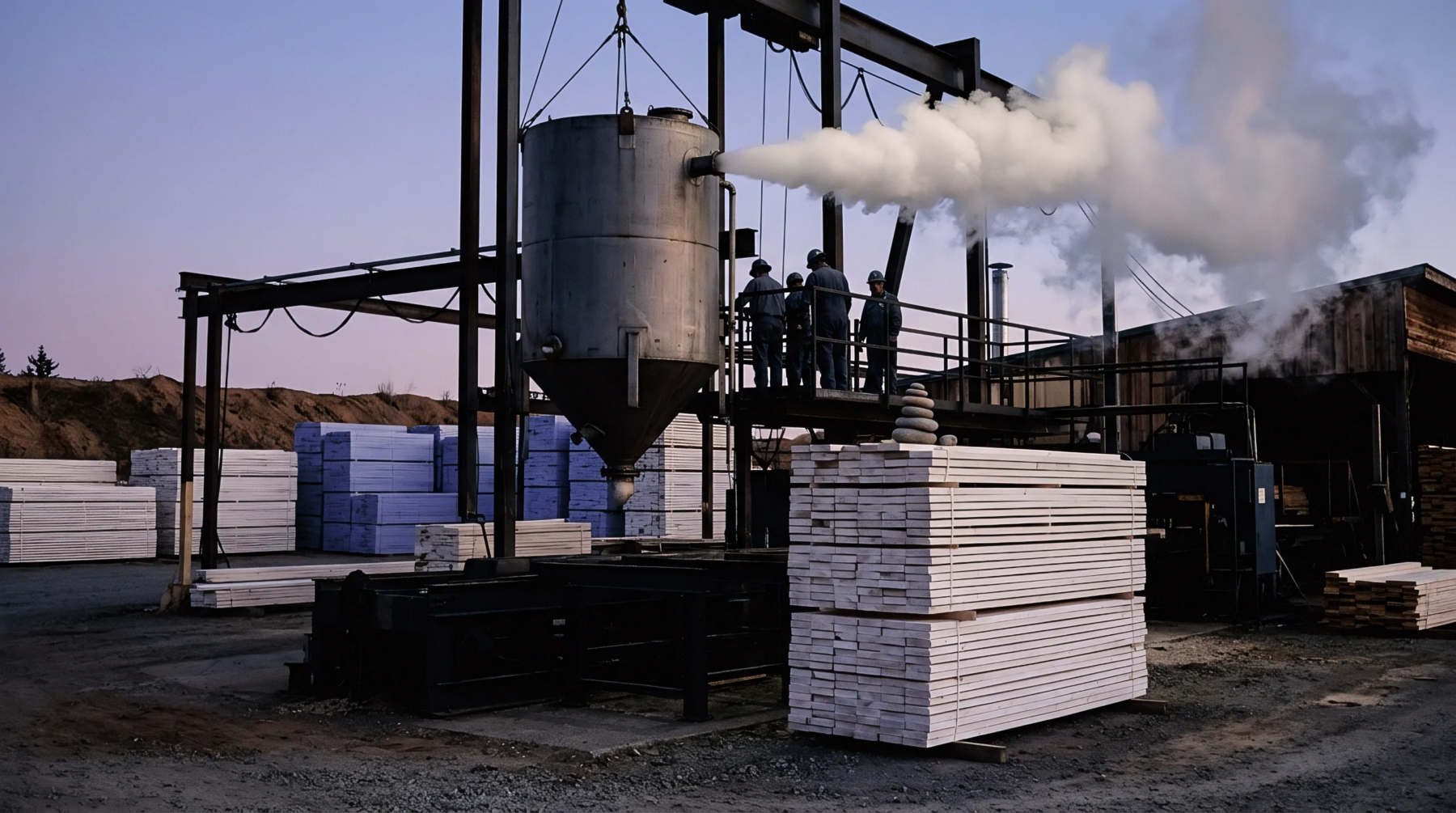
Microfibrillated cellulose barrier integrity relies on controlling moisture-induced plasticization through chemical crosslinking to pass EN 13430 recyclability audits.

The GAB model predicts moisture uptake and barrier failure in microfibrillated cellulose coatings, preventing gas ingress and customs rejection under humid transit.
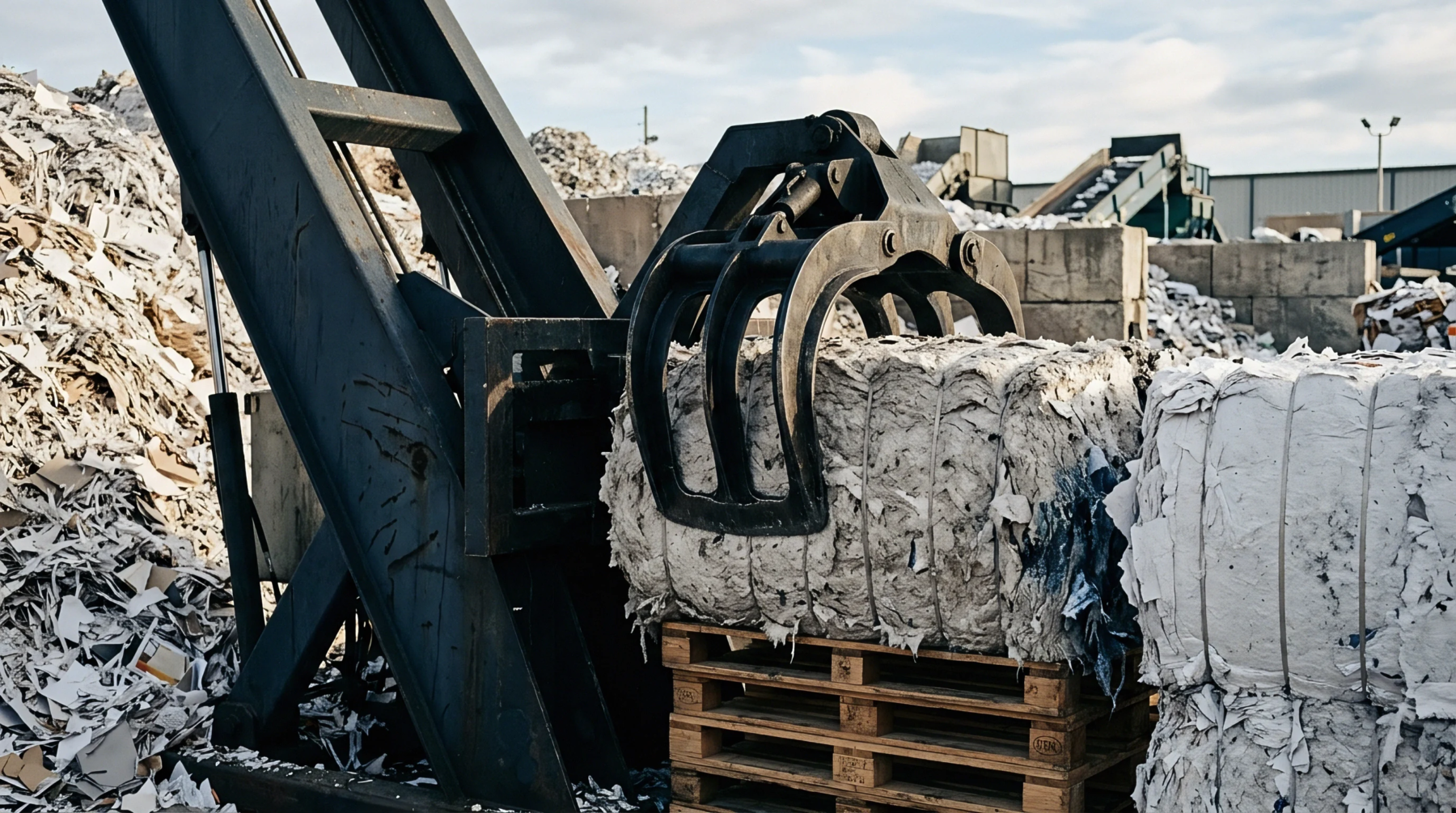
Aqueous dispersion coatings on recycled board fail at high temperatures when polymer plasticization collapses lag time diffusion across the barrier layer.
Expertise is a utility, not a secret. sentiention™ publishes its working knowledge as open reference: intelligence layer covering the materials it sources, the markets it enters, and the reference that serves both.